
 Business License

Fenceline Communities: Understanding Environmental Justice and Health Hazards
Often, communities located in proximity to industrial plants suffer from unique environmental and health problems, and this is the reason for coining the term "fenceline communities." Such neighborhoods are located right on the border of industrial activity, where residents' health can be significantly affected by air pollutants, toxic waste, and other environmental hazards. When talking about environmental justice, it is these communities that are often referred to because they, with their marginalized and low-income populations, are the ones that disproportionately suffer from pollution and its associated health risks. This blog post explores the essential connection between environmental justice and the health hazards fenceline communities face. We will look into the underlying factors, portray the human suffering, and propose ways to achieve fairness and better living conditions for the most affected. Find more info now.
Introduction to Fenceline Communities
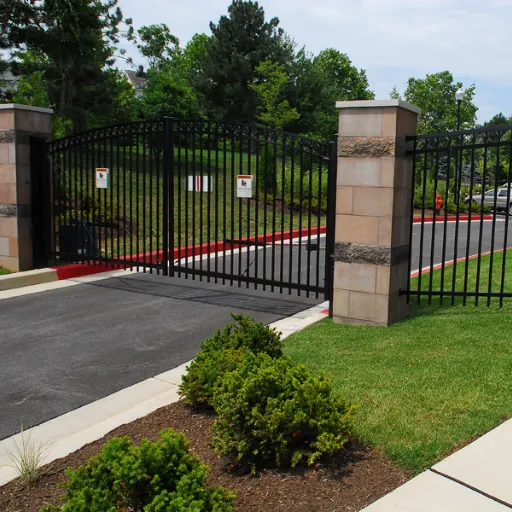
Fenceline communities are neighborhoods that sit next to industrial facilities, such as factories, refineries, or chemical plants. Often, such areas experience high pollution and environmental degradation; hence, residents' health is at great risk. The word "fenceline" indicates that these communities are very close to industrial operations, where emissions and waste often affect air and water quality. Many fenceline communities, because of their location, suffer from problems like coming into contact with toxic substances and having very little access to resources for advocacy and environmental protection.
Defining Fenceline Communities
Fenceline communities are residential areas very close to industrial plants. Among them are oil refineries, chemical factories, power plants, and factories. Low-income groups and marginalized populations usually disproportionately populate such localities, which makes them very susceptible to environmental and health threats. The EPA, in its 2021 report, mentions that more than 17.6 million people in the USA live within one mile of plants that process hazardous materials. These people have to deal with the higher level of pollution, i.e. they are exposed to air poisons like benzene, toluene, and particulate matter more than the rest of the population.
Recent studies' statistics reveal that fenceline communities suffer from respiratory illnesses, cardiovascular diseases, and cancer at an alarmingly high rate. For example, the National Institute of Environmental Health Sciences (NIEHS) found in its 2023 study that children in fenceline areas experience asthma attacks 56% more often than their counterparts living outside industrial regions. Moreover, these neighborhoods have very little money and legal help to contest environmental regulations or relocate to safer places, so the cycle of ecological injustice continues.
Recognizing the systemic and health crises that fenceline communities face underscores the need for immediate implementation of targeted policy interventions, more rigorous enforcement of pollution control measures, and equal access to and provision of health care and advocacy tools.
The Significance of Environmental Justice
Environmental justice is a prerequisite for equal access to the environment's clean and safe attributes for all communities, regardless of race, socioeconomic status, or location. Unevenness in environmental conditions may result in significant disparities in health, economic opportunities, and overall living standards. The following are important facts and statistics that accentuate the necessity of tackling environmental justice:
Disproportionate Pollution Exposure
Studies indicate that a significantly larger share of the low-income and minority population resides near hazardous waste sites, factories, and major roads. A 2021 EPA report stated that Black Americans breathe in 1.54 times more fine particulate matter (PM2.5) than the general population.
Health Disparities Linked to Environmental Hazards
People living in fenceline neighborhoods suffer from higher rates of respiratory diseases, cancer, and heart conditions due to continuous exposure to toxins. For instance, children in these communities frequently have asthma incidences that are twice as much as in neighboring areas with cleaner air, according to the National Institute of Environmental Health Sciences data.
Economic Inequities
Environmental degradation can reduce property values and turn economic growth into a continual struggle for locals. A 2020 study found that regions with severe pollution are usually not places for infrastructure investment or job creation, thereby perpetuating the poverty cycle.
Climate Change Vulnerability
The less privileged segments of society are harder hit by the impacts of climate change, such as severe storms and disappearing coastlines. It is reported that the most ailing communities—like the native Indian societies and the poor neighborhoods—are those with least resources to bounce back from the disasters caused by climate change.
Barriers to Advocacy and Representation
Long-standing structural barriers have often prevented disadvantaged groups from having a say in the policymaking process and from resolving environmental issues. For instance, a 2018 Green 2.0 report states that only 4% of leadership positions in environmental organizations are held by individuals from underrepresented communities.
The fight for environmental justice is not only a question of equity but also a pivotal action in the realms of public health, sustainable development, and preparedness for ecological challenges.
Current Relevance in Today's Society
Health Disparities: The environments in which the disadvantaged live are often recognized as unhealthy. However, they do not only suffer from the bad living conditions. The marginalised groups in urban areas are exposed to 35% more air pollution, according to a 2021 study published in The Lancet Planetary Health.
Climate Change Impact: The poor and the disadvantaged are now experiencing the worst of climate change. A 2020 United Nations report stated that most of the displaced people are from the already vulnerable groups.
Access to Clean Water: The lack of access to safe drinking water remains a concern. For instance, Flint, Michigan, is one of the communities in the U.S. that has been experiencing a prolonged water crisis due to both negligence and systemic inequalities.
Housing Proximity to Pollutants: Research studies show that people below the poverty line are more likely to live near areas highly harmful to health, such as landfills, industrial areas, and highways. The EPA (Environmental Protection Agency) has reported that about 70% of the highly hazardous waste sites are situated near low-income and minority communities.
Inequitable Disaster Recovery: In most cases, marginalized communities are neglected in disaster recovery efforts, and they face the consequences for a long time. The 2022 FEMA report indicates that disaster recovery funding is disproportionately directed toward wealthier areas, exacerbating inequality.
It is essential to address these issues because that is the only way to create a fair, sustainable, and inclusive future.
Benefits of Living in Fenceline Communities
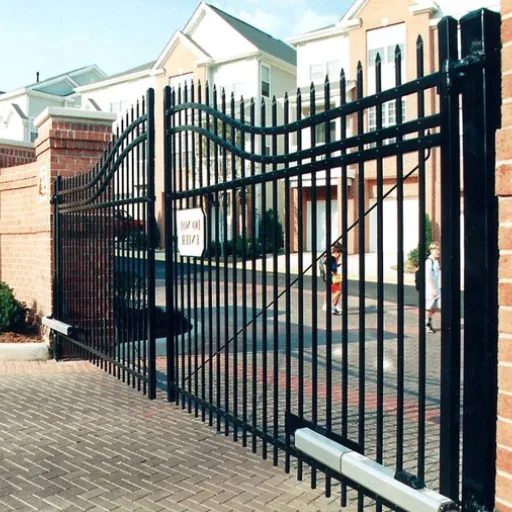
Although the fenceline communities face various challenges, the presence of nearby industrial facilities offers certain advantages. These advantages may take the form of economic opportunities, access to community investments, and other benefits. The following are the five significant advantages:
Employment: Industrial facilities are usually a source of labor for residents living nearby. A case in point is a 2021 study that reported that over one-third of employees working in the fenceline area plants were within a 10-mile radius, making the jobs very accessible and supportive for the local community.
Revenue from Taxes and Public Services: Industry operations generate tax revenue for local governments, which can be used to improve the quality of life through better education, health care, infrastructure projects, and community services, thereby raising residents' overall living standards.
Community Investment Programs: Many companies operating in these areas will have their own modalities for creating local communities, and these partnerships or initiatives can be diverse. Examples of such programs include offering academic scholarships to residents, providing training for job-seekers, and granting funds for community development projects.
Economic Growth and Stability: Industrial operations attract other businesses that provide supplies and services and engage in contracting, thereby supporting a stable local economy driven by vibrant industrial facilities.
Infrastructure Development Access: Industry activities may improve the local transport system, power grid, or water supply system, all of which can indirectly benefit people living in the area.
By leveraging these benefits, fenceline communities can promote measures that yield maximum positive outcomes while also tackling the challenges that come with them.
Access to Resources and Support
Communities near industrial sites often face challenges not found in other neighborhoods. Nonetheless, the cooperation and availability of the right resources and support could improve their living standards and resilience to a considerable extent. The resources that might come their way include special health care programs, education, and financial help tailored to them, given their proximity to the industrial area and the problems that come with it.
Environmental Monitoring and Reporting: communities can receive funding for air and water quality monitoring through programs such as the EPA's Environmental Justice Grants Program. In 2023, the EPA announced $100 million in environmental justice grants under the Inflation Reduction Act, to be given to underserved and overburdened communities as direct support, according to recent data.
Health Care Initiatives: proximity to pollutants has long-term effects and the critical services targeted to health are significant for the remedying of such impacts. Partnerships with non-profits or public health departments have, for example, offered mobile clinics to assess the prevalence of respiratory illnesses and other diseases, with a special focus on regions where industrial emissions are ongoing.
Training and Workforce Development: Government bodies and organizations are offering workforce training specifically for these communities. This would mean that the residents would be well placed to get jobs in industries that are not only safe but also sustainable. The DOL’s Workforce Opportunity for Rural Communities (WORC) initiative goes a step further and provides millions of dollars in grants for the upgradation of the local community’s skills.
These resources must be combined with active community participation. Fenceline communities can work with policymakers, industry executives, and advocacy groups to ensure that the support they receive is not only practical but also measurable and aligned with the communities' most urgent needs.
Community Engagement and Advocacy
Community engagement is the foundation for sustainable solutions in fenceline communities facing economic and environmental inequities. It is essential to have local organizations and stakeholders as partners to ensure that the initiatives are actually helping address local problems. A recent study showed that more than 70% of the revitalization projects that consistently won received feedback from local people, indicating that community-driven solutions do not fail to deliver better results.
Moreover, advocacy provides strong support to these communities by ensuring their voices are heard in government decision-making. The Environmental Protection Agency (EPA) reports that communities that are actively participating in advocacy campaigns receive about 25% more funding for environmental protection and health projects on average than those that are not advocating. Besides, community coalitions that have led have also been able to create significant changes in access to job training that are measured in terms of a 40% increase in the employment rates of the participants, according to research findings.
Digital tools for outreach and communication will also be invaluable if the change that is to last is to come about. Civic apps and community forums, among other platforms, now allow for feedback and engagement to take place simultaneously, thus, making the cooperation between local authorities and residents even stronger. Fenceline communities can build their capacity to withstand challenges and ensure the fair distribution of resources by using the latest data and maintaining transparency in their communication.
Improved Awareness of Health Hazards
To safeguard the weaker sections of the communities, it is crucial to raise awareness about environmental health hazards. Fenceline communities, in particular, are the most vulnerable. Pollution of air, water, and soil, and the presence of toxic materials are some of the significant issues that these areas face and which indirectly lead to health concerns. The World Health Organization (WHO) estimates that the number of deaths each year due to air pollution alone exceeds 7 million, a staggering figure. Most of these deaths are related to chronic heart disease, stroke, chronic obstructive pulmonary disease, and lung cancer.
With the help of technology, access to up-to-date information and data has become much easier. Platforms like IQAir and AirNow provide real-time air quality indices (AQIs) that enable individuals to check pollution levels in their local areas. In the same way, the EPA's "Envirofacts" database can be consulted for comprehensive information on environmental hazards in the area, including contaminant levels in water and soil.
To illustrate, recent studies have shown that there are still severe disparities in the extent to which people are exposed to environmental hazards. A 2022 report found that in the U.S., lower-income and minority groups are more likely to live in areas adjacent to industrial pollution, where they inhale high levels of PM2.5 and other harmful substances. It will strengthen individuals’ ability not only to take proactive actions, such as lobbying for policy changes or employing personal protective measures, but also to accompany these actions with public outreach programs that rely heavily on easy-to-access data visualization tools.
This way, while governments, NGOs, and local advocates are working together, communities equipped with current data will be more able to create a pathway for the prevention of health hazards and the tackling of their inequity that causes them.
Drawbacks of Living in Fenceline Communities
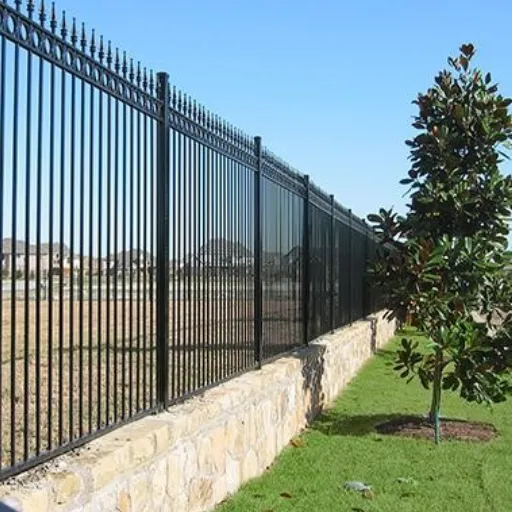
Living in fenceline communities, varying from neighborhoods situated right next to an oil refinery, chemical plant, or manufacturing center, to the very worst that come along with that position, health, environmental, and economic issues mainly being the most terrible ones. In most cases, these communities that gather mostly low-income and marginalized people bear the brunt of pollution and its health consequences.
The first primary concern on the list is the health risks posed by rising air and water pollution. The Environmental Protection Agency (EPA) has stated that the people living in the fenceline and surrounding areas are in close contact with the environmental toxins, and these include, among others, benzene, sulfur dioxide, and particulate matter, all of which cause various health problems like respiratory infections, heart diseases, and even cancers. The academic community is unanimous that prolonged exposure to polluted air will shorten one’s life and exacerbate existing medical conditions.
Furthermore, there is the issue of environmental accidents becoming more frequent, such as chemical containment failures and gas leaks. A very telling case in point is a report by the Center for Public Integrity indicating that unintentional emissions from industry mostly harm the neighborhoods next to the facility, leading to evacuations and long-term exposure to pollution. Such events loom over the residents and insecurity and fear persist among them.
On the economic side, property prices in fenceline communities are usually much lower than in other locations, keeping the population poor. The people living in these polluted areas feel somewhat "stuck" because selling their homes in such areas is very difficult, preventing them from moving to a healthier area. Moreover, low-income people may lack the necessary legal or advocacy resources to challenge industrial processes and secure cleaner operating conditions.
Lastly, the mental impact should not be overlooked. Being next to an industrial operation, seeing the pollution, and knowing about the health risks usually results in chronic stress, anxiety, and various mental disorders. Besides, limited healthcare access worsens the situation, further compounding the struggles of fenceline communities.
Fixing these problems will require prompt legislative action, stricter enforcement of existing regulations, and additional funds allocated to community resilience. In the absence of such measures, fenceline communities will always be the first to suffer from industrial development and the last to be considered for relief.
Exposure to Cumulative Health Risks
Fenceline communities suffer the most from a mixture of pollutants emitted by industrial plants, including particulate matter (PM2.5), volatile organic compounds (VOCs), heavy metals such as lead and mercury, and gas emissions such as sulfur dioxide (SO2) and nitrogen oxides (NOx). The Environmental Protection Agency (EPA) has confirmed that these pollutants are a major cause of respiratory diseases, heart ailments, and some cancers. For instance, it has been found that continuous exposure to PM2.5 can increase the likelihood of premature death by 15%, and the World Health Organization (WHO) states that it is never entirely safe to have any amount of particulate matter in the air.
Moreover, the situation is worsened for many fenceline communities because they are exposed to multiple sources of pollution simultaneously, leading to total exposure. A recent study published in Environmental Research Letters found that such communities frequently encounter pollutant levels up to 1.6 times those in other areas, with a direct link to health problems. The situation is awful for children living in such places, as data reveals that the incidence of asthma and the occurrence of delayed development due to constant exposure are much higher in these areas.
Combined with individual pollutants, socio-economic factors and environmental stressors interact to increase health risks further. Restricted healthcare access, high noise pollution levels, and scarce greenness are among the factors that make up the cumulative burden. The situation is such that the residents are almost always in a state of 'at-risk' and the Centers for Disease Control and Prevention (CDC) says that in some fenceline populations, the overlapping risks can reduce life expectancy by several years.
Policymakers must make it their priority to introduce stricter emission standards, carry out extensive monitoring and implement community-level initiatives in order to tackle the cumulative health risks efficiently. If such actions are not taken, fenceline communities will continue to be caught up in the inequities that are linked to health and also suffer from poor quality of life as the cycle continues.
Environmental Hazards and Safety Concerns
Environmental threats pose grave risks to human health and the ecosystems around the world, especially in communities already at risk. Below is an exhaustive enumeration of five principal environmental hazards along with their safety concerns:
Air Pollution
Airborne pollutants, such as particulate matter (PM2.5), nitrogen dioxide (NO2), and sulfur dioxide (SO2), can cause respiratory issues, heart disease, and reduced lung capacity. The World Health Organization (WHO) estimates that air pollution causes about 7 million premature deaths worldwide each year.
Water Contamination
Industrial waste, agricultural runoff (pesticides, fertilizers), and heavy metals (lead, mercury) are the main sources of water contamination. Waterborne diseases, like cholera and dysentery, and health problems such as kidney injuries and brain disorders are the consequences. There are many examples, but one of the most notorious ones is the Flint water crisis in Michigan, which brought attention to the risks posed by lead-tainted water.
Hazardous Waste
Disposal of industrial chemicals, electronic waste (e-waste), and other dangerous substances results in soil pollution and threatens bioaccumulation in the food chain. Population groups residing close to waste disposal areas suffer the most, experiencing higher incidence of cancer and developmental problems due to constant exposure.
Extreme Weather Events
Global warming has caused the occurrence and severity of extreme weather, hurricanes, floods, and heat waves, to increase. Such events not only displace people but also multiply the hazards of injury, death, and loss of property, hitting the underprivileged hardest.
Industrial Accidents
Community around factories and refineries are the most affected ones with the risk of chemical spills, explosions, and toxic gas leaks. An instance is the 1984 Bhopal disaster in India, which remains one of the most lethal industrial accidents, highlighting the shortcomings in safety measures and emergency preparedness plans.
The above hazards call for strict enforcement of environmental regulations, the adoption of modern monitoring systems, and efficient, community-first responses to the most affected populations.
Socioeconomic Challenges
The socioeconomic impact of industrial activities is a complex phenomenon that affects communities in numerous ways. A good example of this positive and negative coexistence is that industries, on the whole, can lead to the economic growth of a country; this is through the opening of a new workplace, creation of new technology, and GDP contribution. For instance, manufacturing alone accounted for roughly 16% of global GDP, according to World Bank data from 2023. The social and environmental costs are often the downside of the economic benefits gained.
One major concern is the relocation of people living near industries due to the need for land for industrial expansion and the construction of large-scale infrastructure. The situation is worse in less developed countries, where people are moved and, in most cases, not even compensated. Moreover, the income gap among people might get wider as a result of industrial activities and this, in turn, will be a source of conflict. The main reason for this is that corporations and skilled labor are the ones benefiting; on the other hand, unskilled workers are kept in the same position, with no wage increase, and are subjected to unsafe working conditions.
Health issues also indicate that there is a socioeconomic gap between the affected and the unaffected ones. Industrial zones located in urban areas cause pollution and the surrounding communities are hurt the worst. Their health is jeopardized, and research points to the following categories of diseases: respiratory diseases, heart diseases and cancer. A 2022 study by the WHO is a good reference as it shows that every year air pollution alone is responsible for 7 million people dying prematurely, and this is particularly hard on the poor.
Resource extraction in areas with high natural resources but low economic development, such as sub-Saharan Africa, even leads to more profound problems and the so-called “resource curse.” This is where the countries get economically dependent on the resource and, hence, lose their ability to develop economically in the long run as they keep relying on the resources and being affected by the changes in the prices.
The challenges can only be overcome if we take a single, comprehensive approach that focuses on equal opportunity in policy-making, environmentally friendly industrial practices, and well-funded community welfare programs. More than that, if corporate social responsibility (CSR) and government accountability are given greater priority, it will not only be possible to achieve a fair distribution of industrial benefits but also to reduce the negative impact on marginalized communities.
Types of Fenceline Communities
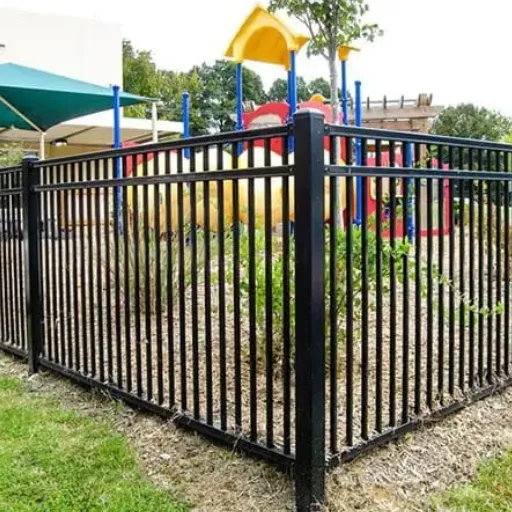
Fenceline communities are neighborhoods or groups situated next to industrial sites such as refineries, chemical plants, and factories. Usually, such communities are the first to suffer from industrial operations, since they bear the largest share of pollution and environmental degradation. Below are the main types of fenceline communities with their respective challenges:
Urban-Industrial Fenceline Communities
Urban-Industrial Fenceline Communities are found in cities where residential areas largely overlap with the location of heavy industries. For instance, the cities of Houston, Texas, and Los Angeles, California, have neighborhoods close to very large oil refineries and industrial complexes. A 2022 study by the Environmental Integrity Project concluded that residents of these areas may be exposed to higher concentrations of particulate matter (PM2.5) and benzene; thus, respiratory and cardiovascular diseases may be more likely to develop.
Rural Fenceline Communities
Industrial plants such as coal-fired power stations, paper mills, or agricultural facilities are sometimes located in the hinterland. Although the overall population in the vicinity may be small, the impact of air and water contamination on health and the environment can be significant. Research by the Union of Concerned Scientists shows that rural communities near coal plants are more likely to suffer from chronic illness due to arsenic and mercury in their drinking water.
Coastal Fenceline Communities
Coastal fenceline communities are often situated next to ports, shipyards, or marine industrial zones. These locations are subjected not only to air pollution resulting from diesel consumption but also to noise pollution and spill accidents. For example, Oakland, California, and Port Arthur, Texas, are reported to have very high incidences of asthma and cancer among the local population, which are attributed to the long-term exposure of these people to the toxins and smoke from shipping operations.
Indigenous Fenceline Communities
Indigenous groups are usually near mining or resource extraction sites, including oil pipelines and fracking. The Standing Rock Sioux Tribe, for one, has publicly complained that the Dakota Access Pipeline has resulted in water pollution and destruction of wildlife habitats. According to the Indigenous Environmental Network, more than 200 million gallons of toxic waste have leaked into Indian territories in the last ten years.
Disproportionate Impacts and Vulnerabilities
The majority of fenceline populations are minorities and come from low-income families; thus, their vulnerability is heightened. The U. S. Environmental Protection Agency’s 2021 EJSCREEN report states that about one fourth of the minority families in the U. S. reside within a three-mile radius of dangerous industrial areas. This population overlap indicates major environmental justice issues linked to health and economic inequality.
Among the ways to cope with these problems, strict environmental regulations, transitions to clean energy, and better control of industrial emissions in the benefit of fenceline communities must all be included. Moreover, it is still essential to let the affected residents speak out and share their opinions in the decision-making process so that fair outcomes can be realized.
Gated Neighborhoods
Gated enclaves are types of living places whose very design allows for limited access, usually through walls, fences, or other physical barriers. Moreover, the very nature of these places provides for controlled access, at times involving manpower or even top-notch technologically advanced systems such as the use of automatic gates and the installation of CCTV cameras for surveillance. According to the marketing strategies, the gated neighborhoods are good places offering safety, privacy, and an exclusive living environment.
Recent research identified an increase in demand for gated neighborhoods as one of the trends in the global residential market, especially in urban and suburban areas. A Statista report highlights that the gated community housing market has grown significantly, driven mainly by middle- and upper-class families seeking secure, well-maintained living areas. The U.S. is one example: according to the latest statistics, around 11% of households live in gated communities, indicating their considerable contribution to the housing market. The same trend can be noticed in fast urbanizing parts of the world such as Latin America and Asia, where the developers of gated housing estates are responding to the issues related to urban crime and safety.
At the same time, some critics claim that gated communities may further the issue of social disparity and economic inequity. The affluent residents, through the physical and psychological barriers they impose, often cut off lower-income or minority populations, thus promoting urban segregation. Moreover, some city planners worry that the spreading of gated communities could lead to the fragmentation of urban areas and the creation of inaccessible public space and infrastructure.
In spite of the damaging allegations, gated communities are still very much public through the developers who not only highlight the various aspects such as shared amenities, green areas, and exclusive facilities like gyms, pools, and clubhouses but also make security and exclusivity the top priorities. This trend indicates that demand for neighborhoods that prioritize security and exclusivity will only increase among people who consider them their primary housing option.
Condominium Complexes
Condominium complexes, also known as condos, have gained enormous popularity as a housing option in urban areas worldwide. Being part of buildings or communities where individuals own their units but share common areas such as lobbies, gyms, and pools, condos differ from standalone houses. This shared model not only helps reduce the cost of living in the city but also offers a convenient lifestyle choice for urbanites, especially amid the rising cost of urban real estate.
The global condo market is said to be one of the winners of the shift in focus towards urban areas, and the changing lifestyle patterns have been the primary catalyst for this ten-year-long growth. The U. S. Census Bureau data, for instance, shows that in 2023 about 17% of the total occupied housing units in the city's area were condos or housing types alike. Additionally, in places like New York, Toronto, and Singapore, condos have begun to occupy a major share of new construction, reflecting the trend toward vertical living and accommodating a larger population through building up.
Condominium complexes have also been in demand among buyers and renters due to their new-age look and integrated facilities. The majority of the new projects are concentrating on sustainability by using energy-efficient appliances, having green roofs, and installing smart home systems. In addition, the trend is towards mixed-use condo complexes, where living space is combined with retail, office, and other commercial functions, providing convenience and reducing commuting time.
On the other hand, condo prices can vary widely depending on location and features. Luxury condos in prime city areas with high-end amenities can sell for millions, while modest developments are available to middle-income families. Realtor.com reports that the median HOA fee for condos in the United States is about $360, but this can vary widely from property to property.
Owning a condominium is a double-edged sword. It places an urban market barrier at the entry level, particularly for the young professionals and first-time buyers. However, a potential buyer must carefully evaluate the HOA fees, the association-imposed regulations and rules, and the possibility of shared maintenance costs. Notwithstanding these factors, the condos continue to be a popular and dynamic housing solution, offering community living through modern plush facilities, thereby catering to the needs of the urban population.
Industrial Proximity and Its Effects
Industrial proximity can have a significant impact on residential areas in various ways. Five main effects are given below with details and statistics as backup:
Air Quality and Pollution
The vicinity of manufacturing plants and industrial units often leads to deterioration in air quality due to the release of particulates, nitrogen compounds, and volatile organic compounds. Reports indicate that air pollution levels in neighborhoods 3 miles from large industrial centers are up to 20% higher than in neighborhoods farther away.
Noise Pollution
The sound of industry often reaches such high levels that it becomes a nuisance; in addition, it can deteriorate residents’ mental health and sleep quality. For example, areas near factories have been reported to have average noise levels exceeding 55 decibels, which is the recommended health limit, according to studies in environmental health.
Property Value Depreciation
Properties situated next to the industrial area usually lose their value more quickly than those in the residential areas. A 2021 report on the real estate market stated that houses near factories could be 10-30% cheaper than those in non-factory areas.
Health Impacts
The inhabitants of neighborhoods adjacent to industrial areas are often more susceptible to chronic respiratory diseases like asthma and bronchitis due to continuous exposure to polluted air. The longitudinal studies report a 15% increase in respiratory illnesses among people living within a 2-mile radius of heavy industry.
Economic Opportunities
However, on the bright side, industrial proximity can lead to job creation and economic development in the local community. The report on the labor market for 2020 noted a 12% increase in employment rates in areas near industrial infrastructure, which is a good estimate of employment creation in similar, yet less safe, areas that lack such facilities.
These effects together portray how industrial proximity dictates urban living and it does so by offering both economic benefits and challenges.
Future Trends in Fenceline Communities
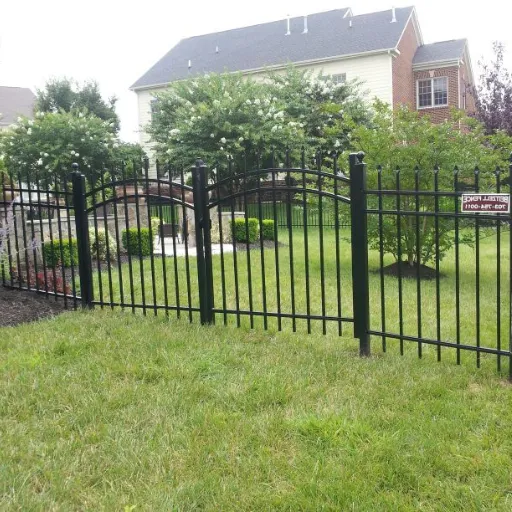
Industries and governments switching to more sustainable, technology-driven solutions are taking a significant step toward changing the landscape of fenceline communities. The gradual transformation toward renewable energy and carbon-neutral industrial practices is foreseen to be a key factor in this change. For example, the International Energy Agency (IEA) estimates that global renewable energy capacity will expand by 60% by 2030. Such a transition might lead to reduced harmful emissions in industrially active areas, potentially benefiting the air quality and public health of the fenceline community.
Environmental monitoring technology has also enabled real-time tracking of air and water quality in industrial zones. A recent ecological study indicates that the use of these technologies in certain areas has reduced response times to pollutant leaks by 30%, thereby reducing overall environmental damage. Not only that, but governments and regulatory authorities have also imposed stricter emission limits. As an example, the U. S. Environmental Protection Agency (EPA) has recently taken the initiative to limit the particulate matter that comes from industries and that is common in fenceline locations.
However, the trends that look positive still have a problem to overcome. A significant investment, along with the cooperation of corporations, policymakers, and communities, will be necessary for the economic transition to an environmentally friendly infrastructure. Nevertheless, the focus on the environment and the inclusion of community voices in the industrial planning process are indications of significant strides. These developments could eventually improve life in fenceline communities, making them healthier and more sustainable while offering economic opportunities.
Predictions for Environmental Justice Movements
The movement for environmental justice is on the rise. It is expected to become increasingly influential in the years ahead, driven by increased public awareness, new technologies, and more substantial policy commitments. Injustice regarding climate and its related issues will be a significant area of concern, with the poor and minor communities suffering the most as a result of extreme weather changes being the focus. For example, the United Nations has stated that a large share (over 80 percent) of the displaced people due to climate change are from developing nations. This indicates that developed countries need to develop targeted solutions to mitigate these disparities.
Digital advocacy tools and data-driven methods are also expected to grow, used more than ever to support the environmental movement. The integration of Geographic Information Systems (GIS) and other advanced climate models has enabled organizations to identify ecological injustice hotspots. For example, a new report by the Environmental Protection Agency (EPA) concerns the "Environmental Justice Screening and Mapping Tool," which allows policymakers to visualize pollution burdens and socio-economic issues in the most vulnerable areas.
Moreover, it is anticipated that both governments and corporations will become stricter in their environmental regulations and implement sustainable practices in response to grassroots movements demanding accountability. For example, one provision of the Inflation Reduction Act in the United States allocates $60 billion to environmental justice efforts. This is a clear indication of a shift in policy toward a more inclusive approach to the environment.
Besides, collaboration among indigenous groups, local communities, and global activists will most likely be the most essential factor in the future. This is a win-win scenario, as partnerships not only provide conservation efforts with valuable traditional knowledge but also ensure that resources like clean water and safe living environments are accessible to all. This confluence of grassroots activism, technology, and policy innovation guarantees a future where environmental justice is not merely a goal but a reality for every community across the globe.
Impact of Policy Changes on Health Hazards
Policy changes are among the most significant factors in reducing health risks, as they address the environmental and social issues that cause the problem in the first place. For instance, stricter air quality standards have led to a marked decrease in respiratory disease. The World Health Organization (WHO) reports that 7 million people lost their lives prematurely due to pollution in 2021 worldwide, which is a staggering number. Nevertheless, countries that have imposed restrictions on industrial emissions and switched to cleaner energy sources have seen a significant improvement in health statistics.
More so, the treatment of heavy dangerous chemicals such as lead in the form of a ban on their use in fuel and painting has brought about a more significant reduction in the risks they pose to health. According to the reports of the Centers for Disease Control and Prevention (CDC), the incidence of child lead poisoning in the U. S. has been cut by more than 90% since the 1970s when the regulations that brought about this decline were instituted.
Ordinances on water safety have also been influential. The building of water supply systems and waste disposal facilities has had a big impact on reducing the incidence of cholera and typhoid, especially in the low-income areas. For example, a UNICEF report indicates that the number of people with no access to safe drinking water worldwide has decreased by 45% from 2000 to 2022 and this decline is closely related to the international water management policies that are promoting sustainability.
In the end, the combination of research-based policy reform, technological progress, and worldwide cooperation has not only paved the way for, but also demonstrated that targeted interventions can significantly reduce health hazards.
Encouraging Sustainable Community Practices
Sustainable community practices do not mean only big actions but also small, simple ones that everyone can do. Personally, I am reducing waste by recycling, conserving water, and using energy-efficient devices. I also patronize local projects that advocate for nature protection like neighborhood cleanup or tree growing activities. It is through teaching ourselves and others about sustainability and practicing it that we can motivate people to act together and bring about lasting change in our communities.
Frequently Asked Questions (FAQ)
What are 'fenceline communities' and what is the reasoning behind this name?
Fenceline communities, also known as 'fenceline zones,' are neighborhoods and entire fenceline areas directly adjacent to hazardous facilities such as oil refineries, chemical plants, petrochemical complexes, and large manufacturing facilities. Usually, these areas are pretty close to the most polluting facilities (within three miles range) and so they are under constant danger of release, air pollution, and exposure to poisons. Cases of fenceline community demarcation reveal that the affected persons—these includes families and community groups of color, poor people, and indigenous people—are suffering health impacts and environmental hazards more in proportion than the residents living in other areas.
In what way do air pollution and emissions harm health in environmental justice communities?
The air pollution and atmospheric emissions resulting from fossil fuel-operated and petrochemical production sites not only affect the environmental justice communities' respiratory health but also lead to increased risk for developing cancer and other serious health impacts when they come in contact with these areas. Additionally, toxic air exposure can cause chronic respiratory issues, cancer risk buildup, and multiple health burdens, especially among the already affected people of color and low-income communities. These health-related issues in such communities are regularly reported and documented by the US Environmental Protection Agency and local health studies.
What is the reason that racial minorities and economically disadvantaged communities face the brunt of the environmental impact?
Racial and ethnic minorities, especially Latino families, and economically disadvantaged communities, are often situated close to hazardous facilities due to a combination of factors, including historical zoning, housing discrimination, and lack of political power, which has been the case with these neighborhoods. Eco-racism is the underlying cause here: the policies and enforcement regarding environmental protection have almost entirely ignored the environmental justice communities, leading to these neighborhoods being the most polluted, exposed to hazards, and at risk of suffering health issues.
What is a fenceline community and the impacts that it has The example mentioned above is 'Cancer Alley' in Louisiana, where there are areas around Baton Rouge, where petrochemicals, refineries, and industrial parks are heavily concentrated. Residents living in these areas experience not only high cancer and respiratory problems rates but also chronic exposure to emissions and toxic chemicals, and limited access to healthcare facilities. Moreover, data from nine Environmental Justice (EJ) communities and other studies show that these communities also lack access to clean air and other basic health and safety protections.
How can you find solutions to pollution and hazardous facilities in environmental justice communities?
Communities can propose solutions by combining local data collection, community-led health and exposure studies, and engagement with regulatory bodies such as the U.S. Environmental Protection Agency. Healthier solutions campaigns encompass emissions monitoring, pressing for stronger environmental protection laws, advocating for the use of cleaner technologies that minimize dependence on fossil fuels, and reclamation of hazardous facilities. It is through coalition-building among justice communities that solutions are identified among frontline communities, environmental groups, and policymakers.
What actions can frontline communities take instantly if they are subjected to hazardous emissions?
Communities of color and families facing immediate threats from emissions should keep records of health and safety incidents, employ community air monitoring tools, notify local authorities and the Environmental Protection Agency of violations, and seek legal and health advocacy support. Powering up by teaming up with other frontline communities and joining a campaign for healthier solutions can help strengthen demands for enforcement and corporate accountability from refineries and chemical plants.
How does the climate crisis intertwine with the issues of fenceline communities?
Fenceline communities suffer the most during the climate crisis, as they already have inadequate health and polluted living conditions, which are made worse by increased extreme weather events, leading to multi-exposure through toxic releases and the collapse of public health systems. Reducing emissions and transitioning to clean energy can not only help cut local air pollution but also lessen the broader impact of the climate crisis on vulnerable populations with high-polluting facilities reliant on fossil-fuel infrastructure.
In what way do government agencies and protection measures relating to the environment contribute to the shielding of low-income communities from hazards?
Agencies like the Environmental Protection Agency are responsible for controlling emissions, enforcing environmental protection standards, and responding to the adverse effects disproportionately experienced by communities classified as ecological justice. But then, frontline communities often do not receive proper enforcement and regulatory oversight. Therefore, the steps to reduce pollution and health risks include strengthening EPA actions, improving monitoring of hazardous facilities, and prioritizing interventions in low-income communities as well as those in the U. S. that are most impacted.
Recently Posted
-
Building a Security Fence: Your Guide to High-Security Solutions
February 5, 2026The security fence functions as the primary defense system of your commercial property, industrial site, and private estate becaus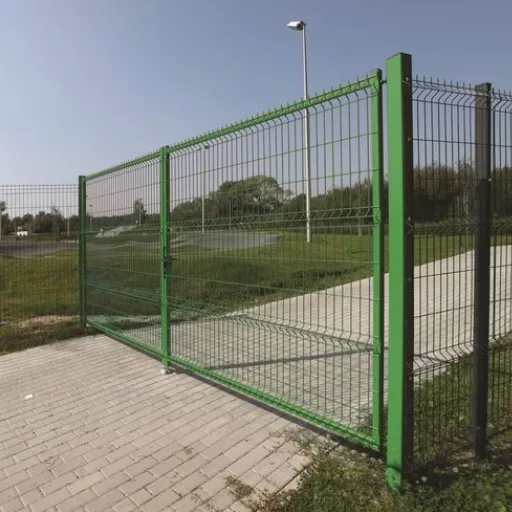 Read More
 -
How to Build a Security Fence: A Comprehensive Guide to Installing Chain Link Security Fences
February 4, 2026Constructing a security fence is an effective way to protect your property, define its boundaries, and enhance your privacy. The v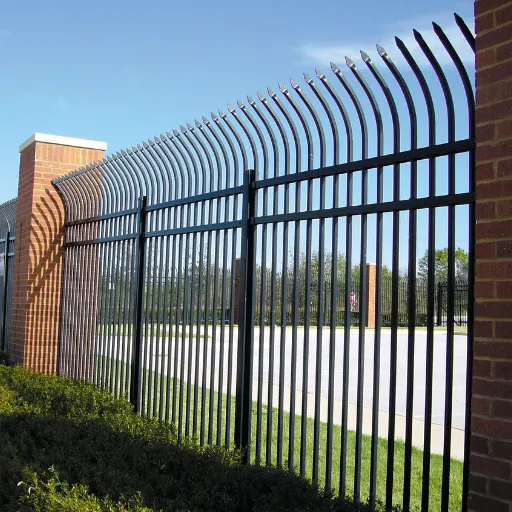 Read More
 -
Iron Yard Fence: The Ultimate Guide to Wrought Iron Fencing for Your Garden
February 3, 2026The design of a garden fence goes beyond establishing property borders because it serves two main purposes by enhancing the visual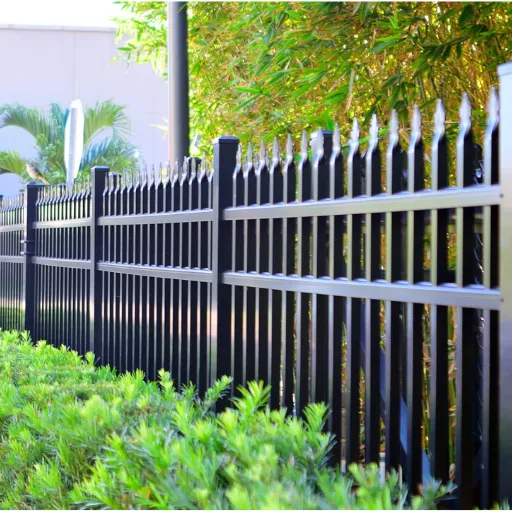 Read More
 -
Cast Iron Garden Fence: The Ultimate Guide to Durable and Decorative Garden Edging
February 2, 2026The cast iron garden fence functions as a boundary that creates an everlasting combination of practical use and aesthetic beauty t Read More

Contact Us
Recommended Products
-
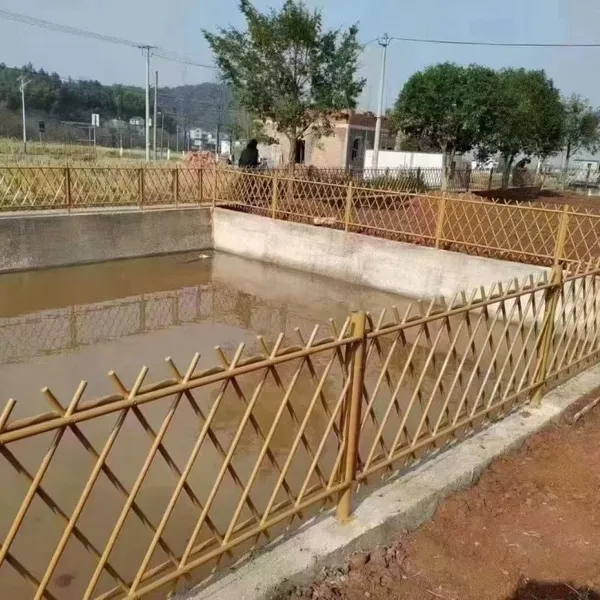
 Durable Imitation Bamboo Fence for High-Traffic Public SpacesNegotiableMOQ: 50 Square Meters
 -
Customizable Imitation Bamboo Fence With On-Site Measurement ServiceNegotiableMOQ: 50 Square Meters
-
Modular Imitation Bamboo Fence Panels for Quick InstallationNegotiableMOQ: 50 Square Meters
-
Imitation Bamboo Privacy Fence With Reinforced Aluminum BaseNegotiableMOQ: 50 Square Meters
-
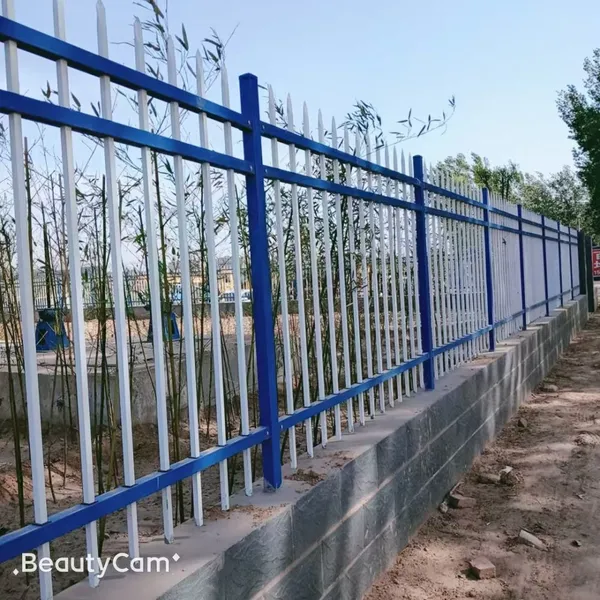
Commercial Grade Villa Fence for Real Estate Developments and Hotel Perimeter ApplicationsNegotiableMOQ: 10 Sets
-
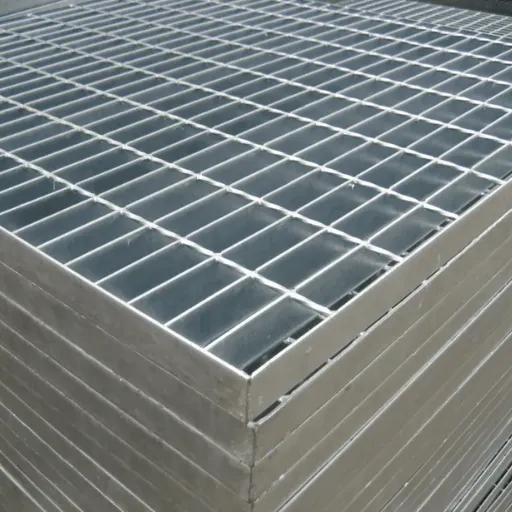
Industrial Steel Grating Solutions for Oil and Gas Platforms, Compatible With Harsh ConditionsNegotiableMOQ: 10 Pieces
-
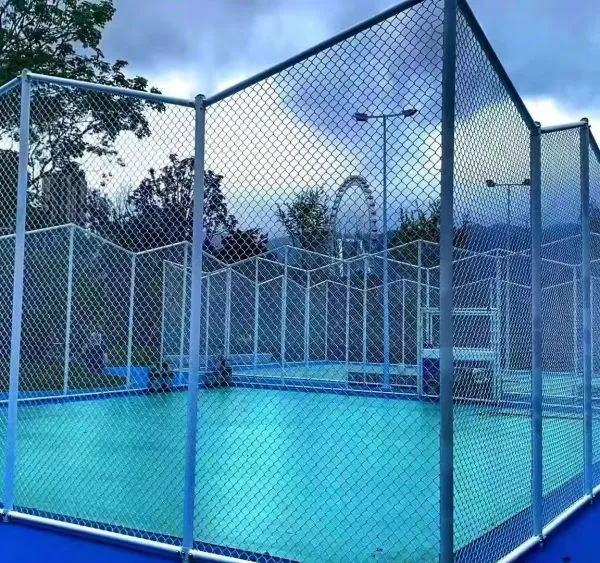
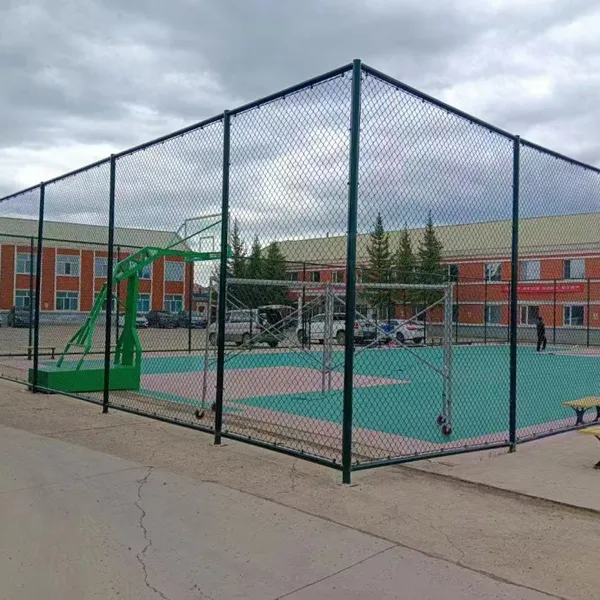
Basketball Court Fence 4M Height, Galvanized Steel Chain Link Mesh for Outdoor Sports Field PerimeterNegotiableMOQ: 50 Square Meters
-
Chain Link Basketball Court Fence Offering Anti-Rust Protection and Long-Term PerformanceNegotiableMOQ: 50 Square Meters
-
European Style Villa Fence Concrete Base Installation Courtyard Boundary WallNegotiableMOQ: 100 Square Meters
-
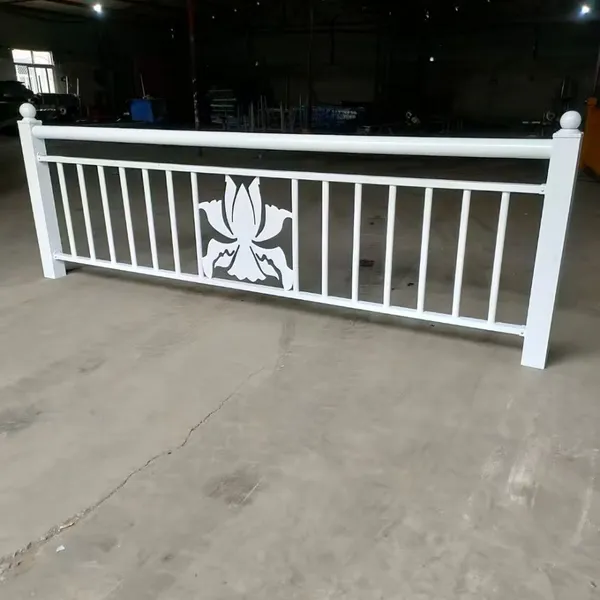
Galvanized Steel Villa Fence With Powder Coating for Superior Corrosion ResistanceNegotiableMOQ: 100 Square Meters
-
Powder-Coated Basketball Court Fencing With Weatherproof Finish for Long-Term Outdoor ApplicationNegotiableMOQ: 100 Square Meters
-
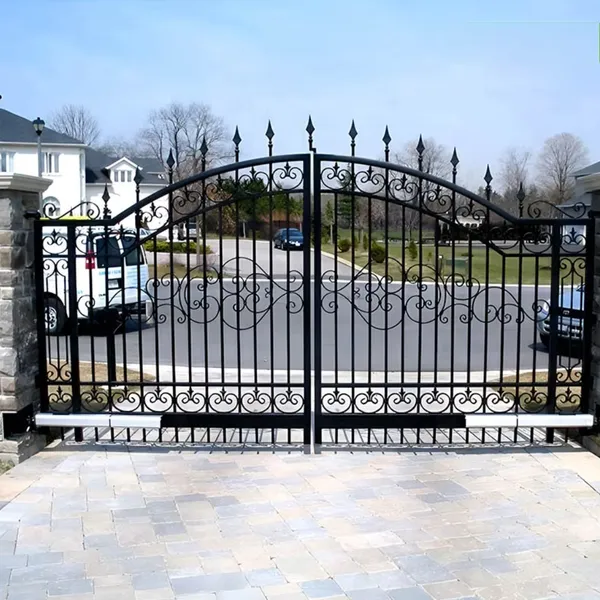
Powder Coated Wrought Iron Main Gate and Garden Fence for HousesNegotiableMOQ: 100 Square Meters
-
Elevate Your Garden With an Artistic Wrought Iron Garden Fence | Uniting Security & EleganceNegotiableMOQ: 100 Square Meters
-
Low-Maintenance Wrought Iron Garden Fence | Durable Powder-Coated Steel PicketsNegotiableMOQ: 100 Square Meters
-
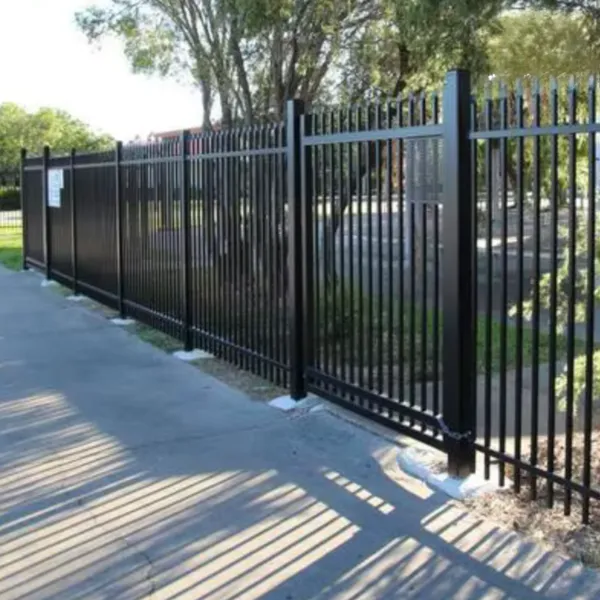
Heavy-Duty Villa Fence: 10 Gauge Steel Construction With Powder Coating for DurabilityNegotiableMOQ: 10 Sets


-
Anti-Slip Steel Grating Panels for Enhanced Safety in Wet and Slippery Work AreasNegotiableMOQ: 10 Pieces
-
Steel Grating for Stair Treads and Catwalks in Commercial and Factory BuildingsNegotiableMOQ: 10 Pieces
-
High-Security Villa Fence With Lockable Gates and Weather-Resistant Finish for Home ProtectionNegotiableMOQ: 10 Sets
-
Galvanized Steel Basketball Enclosure Netting / Ball Containment System With Frame for Outdoor CourtsNegotiableMOQ: 50 Square Meters
-
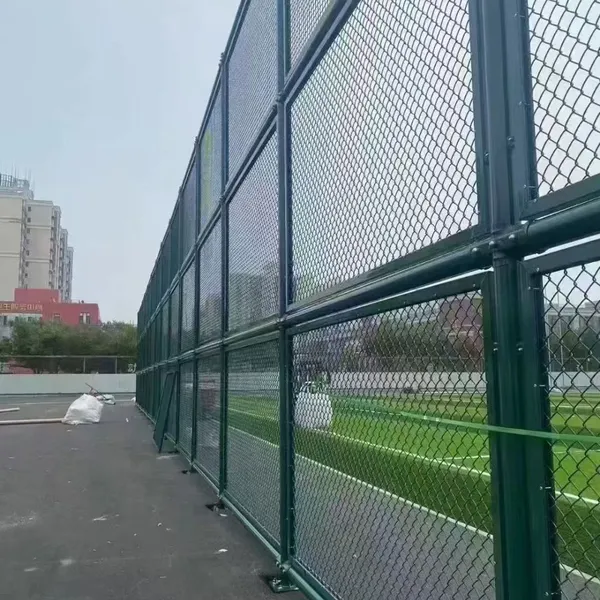
Vinyl Coated Chain Link Fencing for Basketball, Pickleball & Tennis CourtsNegotiableMOQ: 500 Square Meters