
 Business License

Architectural Stainless Steel Grating: The Modern Choice for Durable and Stylish Designs
Architectural stainless steel grating has become the top choice for contemporary designers and architects for its combination of strength, functionality, and beauty. This multifaceted metal is known not only for its corrosion resistance and longevity but also for its lustrous, modern look, making it suitable for even the most luxurious spaces. Starting from heavy industries to sophisticated urban jungles, stainless steel grating is revolutionizing the design field. In this piece, we will discuss the key reasons this material is valued for both form and function, its defining characteristics, and how it can be integrated into avant-garde architectural projects seamlessly. If you are a designer, an architect, or simply someone seeking durable, fashionable solutions, this manual provides essential information on the extraordinary benefits of architectural stainless steel grating. Find more info now.
Introduction to Architectural Stainless Steel Grating
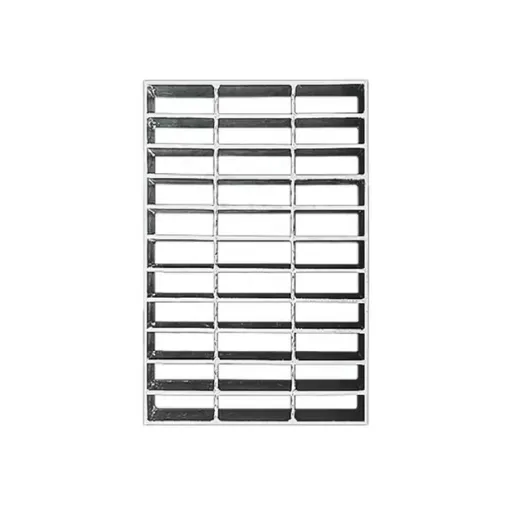
Architectural stainless steel grating is a highly versatile, durable material that has gained popularity in modern construction and design. Its strength, corrosion resistance, and aesthetic appeal have made it suitable for both flooring applications, such as walkways, and aesthetic applications, such as facades and decorative installations. The open-grid design provides proper drainage and ventilation, while the shiny surface reflects light and creates the impression of a larger space. This material is a winner and has the lowest maintenance requirements, making it a practical and stylish choice for architects and designers.
Definition of Stainless Steel Grating
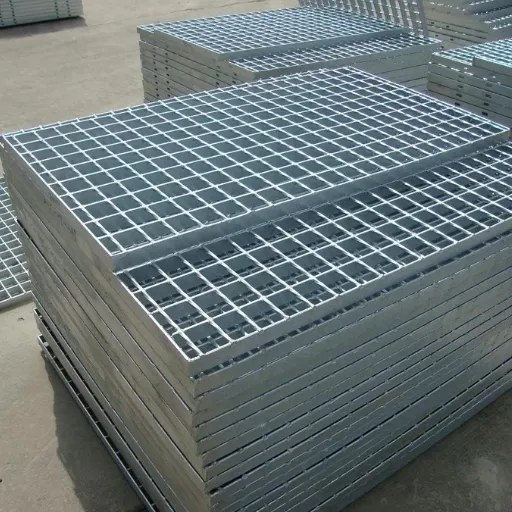
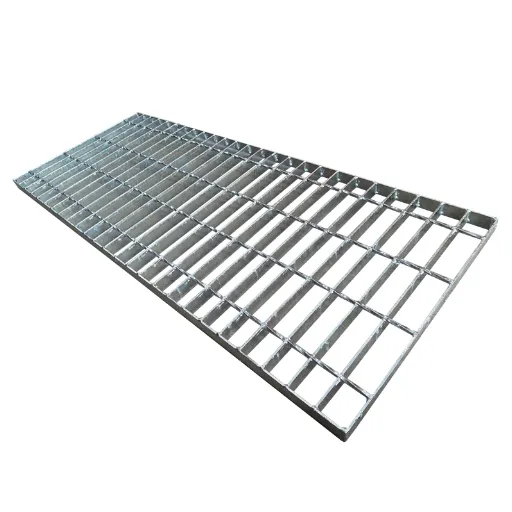
Stainless steel grating, a robust and adaptable material, consists of high-quality, durable stainless steel bars or strips welded, press-locked, or mechanically joined to form a grid-like framework. Its properties of strength, resistance to corrosion, and low maintenance have made it a popular choice in industrial, commercial, and architectural environments among others.
According to the latest updates, stainless steel grating is available in multiple grades, including 304 and 316. Type 304 is the most common stainless steel grade for general-purpose applications, offering excellent corrosion resistance, while Type 316 is more expensive and is often used for its superior chloride corrosion resistance, primarily in marine and chemical environments. The typical average tensile strength of stainless steel used in grating is about 515 MPa (megapascals) to 750 MPa, which guarantees that it can bear heavy weights and cope with very demanding situations.
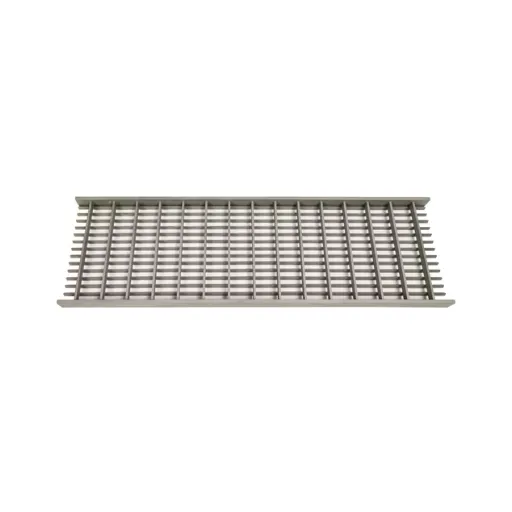
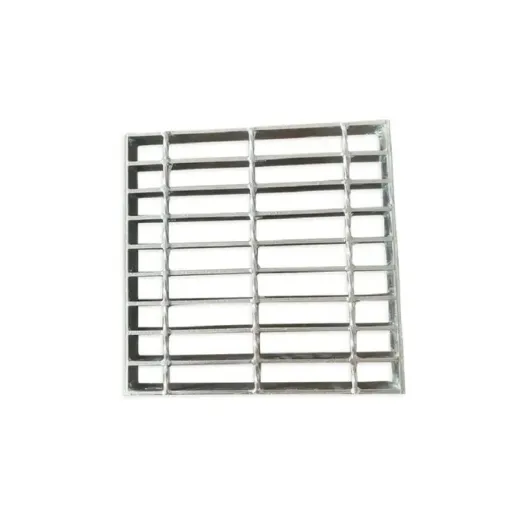
Stainless steel grating is available in styles such as smooth, serrated, and I-type, each with its own specific use. The grid structure allows drainage, air, and light to pass through efficiently, making it suitable for walkways, platforms, drainage covers, and decorative facades. The material's shiny surface, beyond its functionality, also enhances the surroundings, contributing to modern, sleek architectural designs.
Consequently, the combination of aesthetics, strength, and durability makes stainless steel grating a still very often preferred option in various industries from construction and transport, to food processing and water treatment even.
Importance in Modern Construction
As stainless steel grating is having strong and diverse properties along with a wide range of applications, it is an important material in the construction industry. The following are the five main reasons for the necessity of stainless steel grating in the building projects of the present day:
High Strength and Durability
Stainless steel grating has a very strong and durable nature which allows it to bear heavy loads and to withstand difficult conditions. Furthermore, this long-lasting trait of grating reduces the need for maintenance, thus, prolonging its service life.
Corrosion Resistance
The great corrosion resistance of stainless steel is one of the most desired qualities of stainless steel grating. In fact, the property of stainless steel grating makes it suitable for the use of the moisture, chemicals, or any other couple of lives that, for instance, are found in marine, industrial, and wastewater treatment plants.
Safety and Anti-Slip Design
The grating's anti-slip feature raises safety levels, especially in the areas where workers have to deal with water or slippery floor conditions. This is one of the most important elements in places like factories, public walkways, and stairs.
Aesthetic Versatility
Stainless steel grating not only serves its purpose but also looks good with its modern and sleek design. What is more, it is commonly applied in product designs of commercial buildings, facades, and urban landscaping.
Eco-Friendly and Sustainable
Because stainless steel is a no-waste material, its recycling contributes to the preservation of the environment. Its durableness and remaking capacity go hand-in-hand with today’s construction practices that focus on sustainability.
Overview of Grating Products
Grating products, regarded as versatile solutions in different industries, are appreciated for their strength, durability, and functionality. They come in various materials, designs, and specifications, which makes them suitable for a wide scope of applications from industrial to architectural usages. Here are some of the grating products with their properties that are most popular:
Welded Steel Grating
Welded steel grating is one among the most frequently used variants, recognized for its sturdy building and great load-bearing capacities. The process of making this grating involves the combination of bearing bars and cross bars by way of welding at intervals, the result being a structure that is both strong and dependable. It finds application in the petrochemical, metallurgy, and energy industries to name a few. The common load capacity varies from light pedestrian traffic to heavy-duty vehicle loads.
Press-Locked Grating
The press-locked grating is a product created by heating and uniting its bars cross and bearing under high pressure which leads to a surface that is even and smooth and it is aesthetically beautiful as well. This type of grating is not only of excellent aesthetic value but also for architectural and commercial applications like building facades, footbridges, and walkways. The grating type continues to offer great resistance to corrosion and comes in a wide range of materials such as stainless steel and aluminum.
Expanded Metal Grating
Expanded metal grating is obtained by slicing and elongating a metal sheet with the design of a grid pattern, hence, it is light in weight and cheap. It is mostly used in the areas of walkways, platforms, and security fencing. The open design allows the most air and light to pass while still having a high strength-to-weight ratio.
Fiberglass Reinforced Plastic (FRP) Grating
The flexibility offered by the FRP grating is such that it is non-corrosive, lightweight, and resistant to chemicals. The similar characteristics of FRP materials won't be providing $700 million in annual market growth by 2028 as predicted by offshore and marine applications based in part on demand.
Aluminum Grating
Aluminum grating is appreciated for its lightness and rust and corrosion-resistant property. Aluminum is the metal of choice in the clean and non-corrosive environments required by the processing and packaging of food and pharmaceuticals. Moreover, the ease of installation and low maintenance make aluminum grating increasingly popular in modern projects.
Stainless Steel Grating
The use of stainless steel grating remains a top choice when the demand for durability and resistance to chemicals, humidity, and extreme temperatures arises. The industries that have invested their money in stainless steel variants include oil and gas, shipbuilding, and construction. Current statistics show that recycling rates for stainless steel are over 85%, thus, reinforcing its environmental benefits.
These grating products are customized to respective applications, providing practical, sustainable, and aesthetic solutions in diverse fields. Every type has the distinct quality of strength that makes it easy for the designer and the engineer to combine it with the functionality as well as the decorative aspect.
Benefits and Features of Stainless Steel Grating
Feature/Benefit | Description |
|---|---|
Durability | Withstands heavy loads and harsh environments1. |
Corrosion Resistance | Resists rust, moisture, and chemicals2. |
Low Maintenance | Requires minimal cleaning and upkeep2. |
Safety | Non-slip surface reduces accidents1. |
Aesthetic Appeal | Sleek, modern design enhances visual appeal2. |
Eco-Friendly | Fully recyclable, reducing environmental impact2. |
High Load Capacity | Supports heavy equipment and foot traffic. |
Temperature Resistance | Performs well in extreme heat or cold. |
Cost-Effective | Long lifespan reduces replacement costs2. |
Customizable | Easily tailored to specific project needs. |
Durability and Longevity
Stainless steel grating is admired for its remarkable durability and longevity, thus it is commonly used in various industries. The unique feature of stainless steel is its complete resistance to rust, even in the worst conditions; thus, the material will still be strong and intact after many years. Recent research indicates stainless steel as the material that can endure even the worst conditions such as very high and very low temperatures, very humid atmospheres, and very aggressive chemicals, entirely.
In addition, the tensile strength of stainless steel is much higher than that of many other materials, thus enabling it to carry heavy loads and resist physical impact without bending or breaking. Some studies indicate that the presence of stainless steel within a structure can be very effective in minimizing infrastructure maintenance costs, since the steel's life span can easily stretch over 50 years with very little maintenance. Thus, the durability and dependability of stainless steel grating make it a perfect solution for applications such as walkways in industrial facilities, drainage systems, and urban areas with high pedestrian traffic. Its resistance to wear and low degradation rate has a significant role in lowering the frequency of replacements, which in turn, leads to conserving resources and reducing the overall environmental impact.
Aesthetic Appeal and Finish
Stainless steel grating is not just a functional material, but it also provides an attractive and high-class aesthetic. With its sleek and shiny surface, it can perfectly fit in and give a modern and professional look to places like public areas, commercial buildings, and architectural features. Stainless steel is a material that advantages over others that are easily stained or corroded; it keeps its bright, and even more, its reflective quality through the years which provides a strong impression.
Furthermore, the new techniques in surface treatments such as electro-polishing and powder coating have broadened the scope for design. These treatments not only improve the grating's aesthetic but also provide that much-needed protection against the elements in the first place. New industry reports state that electro-polished stainless steel will still have 90% of its shine after five years of outdoor exposure, while untreated steel can lose its luster in less than two years.
This mixture of practicality and style is what makes stainless steel grating the number one choice for both aesthetic and practical uses. No matter whether it is in industrial facilities or very extravagant architectural projects, its smooth look goes well with a range of different styles and lasts long.
Versatility in Applications
Stainless steel grating is a material with many uses and it is employed in a variety of industries thanks to its durability, resistance to corrosion, and beauty. The following are the top five applications for which stainless steel grating is the best choice.
Industrial Flooring
Stainless steel grating is often installed in industrial facilities and manufacturing plants as an option for walkways and flooring. The material's high strength-to-weight ratio provides a dependable and safe solution for dogged training grounds.
Drainage Systems
Stainless steel grating is the best choice for stormwater management and sanitation systems as it can drain water efficiently while still being able to resist the effects of moisture and chemicals.
Architectural Design
Stainless steel grating is not only used as a mere functional element but also as an aesthetic one owing to its smooth and contemporary look. It has been applied in facades, stairs, and commercial and residential buildings' sunshades.
Marine and Offshore Platforms
The very factors that make product so unrivaled in shipping-related industries like oil rigs, vessels, and harbors are its resistance to rust and always its non-slip trait.
Food and Beverage Industry
Besides that stainless steel grating is considered the most sanitary material for food processing plants, it is also easy to clean and meets the strict regulations imposed by the authorities relating to hygiene.
Applications of Stainless Steel Grating in Architecture
Facades and Cladding
The use of stainless steel grating has become quite common in the architectural industry for building facades, and cladding first of all on the basis of its durability and modern aesthetics followed by its environmental resistance. In addition, it has also been great in terms of both natural light and ventilation.
Walkways and Staircases
For up-to-date constructions, architects go for stainless steel grating on walkways and staircases as it provides a non-slip surface. Besides, high load-bearing capacity and resistance to wear of the material make it applicable even in high-traffic areas.
Balconies and Railings
The advantage of using stainless steel grating for balconies and railings goes to its strength and low maintenance cost. Besides, the material's sleek look goes well with different styles of architecture adding to both functionality and charm.
Green Building Structures
Stainless steel grating helps the realization of eco-friendly architectural concepts such as green roofs and vertical gardens. Being durable and recyclable, it can easily be integrated into the sustainable construction practices indicating that it is a perfect option for such projects which consider the environment.
Sunshades and Louvers
For the purpose of increasing energy conservation and shading, stainless steel grating is implemented for sunshades and louvers. It is very effective in cutting down heat gain, yet not at all compromising the ventilation which is why it is a perfect choice for warm climates or energy-efficient buildings.
Use in Flooring Solutions
Stainless steel grating is widely recognized as a trustworthy and practical flooring solution in the different industries. Its properties of not being corroded and having a high strength-to-weight ratio make it the best option for extremely tough and safe environments. Stainless steel grating, which is the most common in industrial and commercial floors, is used for a variety of purposes such as walkways, platforms, drainage covers, and maintenance access flooring.
The main features and advantages of stainless steel grating for flooring are the following:
Durability and Load-Bearing Capacity
Durable and heavy-duty stainless steel grating can bear the weight of heavy trucks, making it suitable for factories, and warehouses, and even airports. Take, for example, steel floor grids—their load-bearing capacity at industrial plants is even set at more than 7,000 pounds per the application—short, long-lasting performance in extreme conditions.
Anti-Slip Surface
Stainless steel grating with serrated or textured finishes provides excellent slip resistance even in wet and oily environments. Industries like food processing and chemical plants where worker safety is a key factor, cannot afford any slip at all.
Corrosion Resistance
Stainless steel's anti-corrosion behaviour remains unaffected by the retched operating conditions that are usually encountered by hard floor systems. As per the scientific data, stainless steel experiences as low as 0.1 mm annual corrosion rate in very harsh conditions, thus placing it very high on the scale of material rankings when compared with carbon steel or aluminum.
Hygiene and Easy Maintenance
Bacteria or mold cannot survive the stainless steel surface due to its cleanliness and maintenance ease, which is the main reason why it is used in hospitals, laboratories, and food processing areas.
Customizability and Aesthetics
Offering numerous sizes, shapes, and component layouts, stainless steel grating can be designed exactly according to the client's unique project specifications. And of course, its graceful and down-to-earth decorum is perfect for the most classy and ostentatious spaces—architectural as well as commercial ones.
Across Industries Applications
Stainless steel grating is found in oil and gas, chemical processing, food production, transportation, and architecture. An example of such an application is that offshore platforms in modern times depend on stainless steel grating for its toughness against salty conditions without any corrosion. And further, stainless steel finished grating in commercial areas serves both the purposes of functionality and visual sophistication.
Industries are able to provide safety, as well as the sustainability of Nature's Earth, by having no choice but to go for the less costly solution while simultaneously giving the attendees the very best experience.
Incorporation in Facades and Wall Panels
The use of stainless steel grating in the facades and wall panels of buildings is becoming increasingly common because of the material's superb durability, its ability to attract, and its compatibility with modern architectural styles. Architects and designers appreciate stainless steel for its ability to withstand extreme weather conditions (rain, snow, and sun), thus ensuring that the material's life is continuous and maintenance-free for long periods. Current industry studies reveal that with the right treatment, steel could comfortably last as long as fifty years or even longer in building applications thus making it an option for constructing exteriors that do not require to be replaced for the longest time possible.
The quality of the material to sustain different kinds of finishes and to be applied as either very intricate or very minimal designs is a major factor that fronts the property of the material to be a major contributor to the visual identity of commercial and residential buildings. Furthermore, the reflective quality of stainless steel is deemed instrumental in ensuring that the space needs a little more lighting due to the fact that it has been designed to be energy-efficient. Architectural studies conducted recently claim that by using stainless steel in the facades, the buildings would experience a reduction of nearly 20% in the cost of energy due to the same characteristics of the material that are reflective and thermal-regulating.
Besides, wall panels of stainless steel gratings enable the installation of ventilation systems that are very efficient, especially in areas with a heavy industrial or pedestrian flow. In addition, the project's commitment to sustainability and its modern function have made it an asset since it allows the structural integrity to be well-maintained while the airflow is also improved. The amalgam of design flexibility, toughness, and ecological advantages is the reason why stainless steel grating is not only a practical solution but also a wise choice for anvils of contemporary architecture.
Utilization in Stair Treads and Entrance Grilles
The strength, durability, and also the aesthetic appeal of the stainless steel grating made it a favorite material for stair-step and entrance grille manufacturing. Its slip-resistant surface and the fact it can be used for areas with heavy traffic makes it a very good indeed solution, providing safety even in wet or oily conditions. Along with the industrial studies, very recently, it was found that stainless steel grating can withstand enormous loads, often more than 1,000 pounds of static weight per square foot, which depends on the product design and the quality of the material. This character makes it suitable not only for industrial but also for commercial environments.
For grilles, stainless steel grating gives both functions and value over time. It is made to block dirt, rubbish, and moisture from going into the buildings, so interior maintenance becomes less costly and flooring is preserved. A modern stainless steel grille can trap even up to 80% of dirt that is brought into a building, thus being of great help in public hygiene standards. Also, the sleek and modern look of this material fits well with the contemporary architectural style, which is why it is much preferred for corporate offices, airports, and shopping malls.
The versatility of stainless steel grating guarantees that it can be tailored to suit the needs of the customer, such as the application of anti-slip coatings, distribution of bar spacings, and custom sizes. This flexibility alongside its outstanding resistance to corrosion and wear makes it easy to see that stair treads and entrance grilles made of stainless steel gratings are both a practical and visually stunning solution for modern infrastructure projects.
Innovative Design Trends with Stainless Steel Grating
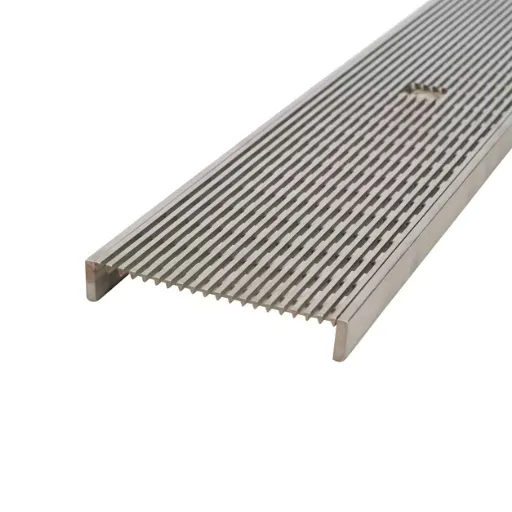
The stainless steel grating is constantly, modernizing and keeping up with the latest architectural and industrial design trends. One of the main trends is the usage of sustainability in design. Sustainability is that the best eco-friendly practice when it comes to building and it will last long along with stainless steel which is the main material being used and considered. Recent studies claim that recycling rates for stainless steel can go as high as 90% thus turning it into a prestigious material for those who wish to go for the green building projects.
The other trend that is worth mentioning is the use of stainless steel in the grating of the minimalist modern design. Sleekness is the contributing factor that the grating is aesthetically pleasing and, at the same time, it is used in the architecture that characterizes commercial places, the development of the urban high-tech, etc. Architects have opened up to the idea of having custom-made stainless steel grating to make their buildings more attractive and more accessible than before even if this is a matter of going through the industrial applications only.
On the other hand, the industrial sector's demand for safety features has led to the production of anti-slip stainless steel grating. The latest surface treatments are there to provide grip even in places that are hard to get a grip on, for instance, industrial plants or areas with heavy footfall like public places. Studies indicate that correctly designed anti-slip surfaces can cut down slip-and-fall accidents by 40% or so.
The entire approach is made stronger by the manufacturing technology upgrades, which offer grating designs that are made to accommodate the customers' specific project needs. Laser cutting and automated fabrication techniques are now responsible for making delicate patterns and ensuring precise fits, thus achieving the idea of merging a functional item with an artistic touch. All these trends are pointing to the same direction whereby the stainless steel grating is changing its shaping to be able to meet the modern-day requirements of design, sustainability, and safety; thus, it is going nowhere but to be keeping its popularity across all sectors.
Current Trends in Metal Bar Grating Design
Enhanced Material Efficiency and Sustainability
The transition to a more eco-friendly and less wasteful production of metal bars is the most significant trend in the design of metal bar grating. For manufacturers, the trend towards eco-friendliness and material economy has become one of the main drivers of the industry, as the reduction of carbon footprints has become a global concern. For instance, one way of cutting costs while being environmentally friendly is through the use of advanced technology like CNC machining and laser-guided cutting, which offers accurate measurements and limits the use of materials to the actual needed amounts. It has been reported by industry reports that these methods can be very effective in reducing material waste by 20%, thus the indirect contribution of such practices to environmental sustainability is quite significant as well as the direct effect of lessening of production costs.
Integration of Advanced Coatings and Finishes
At the same time, it is the use of new coating and finishing techniques that is one of the most prosperous trends to which the metal bar grating industry is going. Coatings of zinc, powder finishes and galvanization are just a few of the methods commonly applied to provide the metal bar grating with superior resistance to corrosion, even in harsh environments. Coupled with the modern hot-dip galvanization techniques, metal grating is now found to be very durable up to 50 years or more depending on the conditions, making it a very economical choice for a long time application such as a bridge, chemical plant, or wastewater facility.
Customization for Specialized Applications
Manufacturers have flooded the market with the products that meet the industry specifications. The demand for design and production of non-standard gratings has increased in the last few years. Construction, transportation, and energy are just a few of the industries that require specific designs for each application. Manufacturers are reacting by providing grating options that can be customized according to the load capacity, size, and environmental conditions they can endure. For instance, industrial platforms commonly use heavy-duty bar grating with higher tensile strength due to its safety features, whereas lightweight aluminum grating is used in transportation vehicles for its lightness.
Digitalization in Design and Manufacturing
The use of digital tools has completely changed the design and manufacturing process of metal bar grating. CAD software along with simulation tools helps engineers in evaluating the load-bearing capacities, forecasting the wear-and-tear and pattern optimization before commencing actual production. Besides, smart manufacturing systems facilitate the assembling of the grating and this can reduce the lead time significantly, even by 30% as per findings of recent studies.
Growth in Market Demand and Investment
The metal bar grating industry is on the rise and the consistent growth is attributed to the worldwide investment in construction and infrastructure projects. Allied Market Research has conducted a market analysis and indicates that the global metal grating market will see a 4.7% CAGR (compound annual growth rate) from 2023 to 2032. This upsurge is caused by the increasing demand for durable and versatile materials for urban infrastructure.
The above-stated trends are the clear evidence that the metal bar grating industry through the application of innovation and technology is going to be very dynamic and it will always remain important across various industries.
Custom Fabrication Techniques
I take meticulous care when working with custom fabrication techniques and therefore give priority to the accuracy of the whole project requirements. It requires modifications in different aspects, including the size, shape and material of the metal grating, to various applications whether they are for industrial platforms, walkways or architectural designs. I guarantee that every custom-made part is not only functional and long-lasting, but also adheres to strict quality standards by utilizing advanced machinery and innovative processes.
Integration with Modern Architecture
The use of metal grating in modern architecture has grown tremendously owing to its triad of good points which are being functional, looking good, and being eco-friendly. The grating made of metals is common to use in modern buildings for the facades, staircases, sunscreens, and flooring. The architectural designers choose metal grating because it gives strength and durability at the same time the industrial and very modern look that goes along with the open up and clean style of modernity.
Metal grating among other things has a great advantage for the people that are in this world of modern architecture adaptability. A recent study has shown that the design of perforated and grated metals improves the ventilation and the light ingress in a building which in turn reduces the need for artificial lighting and thereby up to 30% energy consumption is cut which is very much in line with the global energy efficiency goals. In addition, the combination of the lightweight yet strong metals such as aluminum and stainless steel allows for the formations of intricate designs without any of the structural weaknesses being.
Trends in architecture show that 42% of the total number of sustainable buildings developed in the last year had some grating done with metal. It is mainly due to their being recycled that these materials are favored, with stainless steel and aluminum reaching recycling rates as high as 90%. This is an important factor as adoption of environmentally friendly designs is increasing.
Moreover, metal grating is able to get along well with the other modern building materials like glass and concrete and at the same time to give very strong distinctions and to contribute to rich urban textures. Advanced technologies such as laser cutting and CAD modeling have made it possible for architects to develop unique grating patterns that are not only good looking but also serve practical purposes such as load-bearing and prevention of slipping. This perfect blend of design, functionality, and eco-friendliness is exactly what metal grating has become a major player in the field of modern architecture worldwide.
Sustainability and Environmental Impact of Stainless Steel Grating
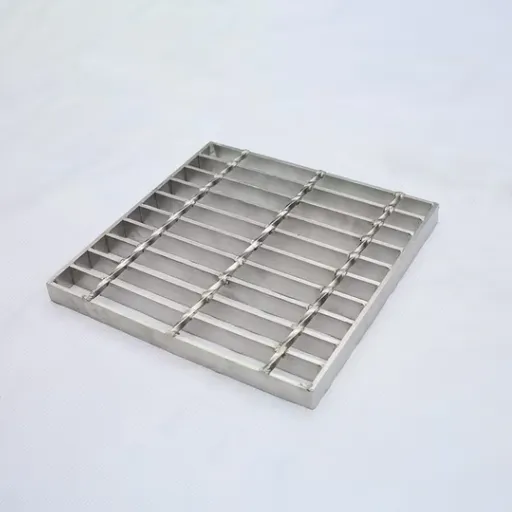
Through its remarkable sustainability and eco-friendliness, stainless steel grating is an outstanding option for architectural and industrial applications where eco-consciousness is a priority. Its attributes like durability, recyclability, and energy efficiency are effective in lessening the environmental footprints. Below are five crucial points that point out its positive impact on sustainability and the environment:
Recyclability
The recycling of stainless steel is done to 100%, thus having a recovery rate that is quite high when compared to other materials. A hefty percentage of recycled content is included in most stainless steel products, which helps in lessening the demand for the extraction of raw materials.
Durability and Longevity
At the same time, stainless steel grating is very much able to resist corrosion and wear, which means that replacing or repairing it won't be needed now and then. The long life of the material contributes less to waste and resource consumption.
Energy-Efficient Production
Processed with energy, the production of stainless steel however, manufacturing technology advancements have led to a significant decrease in consumption. The material's durability, in the long run, is an offset of the initial investment in energy.
Minimal Maintenance Requirements
Stainless steel grating needs very little maintenance, which in turn leads to less requirement for cleaning chemicals and water. This environmental impact is further limited during the lifecycle of the grating.
Environmentally Safe Disposal
In the very end of its lifespan, stainless steel grating can be recycled without imperiling the environment through the release of harmful substances. Its being non-toxic means that it is safe for use and disposal.
These features of stainless steel grating not only make it a green product but also one that can functionally survive in an environment that is eco-friendly.
Contribution to Sustainable Building Practices
Stainless steel grating has a major part in the promotion of sustainable building practices and it is due to the fact that it meshes well with the main principles of building materials and those are durability, energy efficiency, and recyclability. The construction industry is estimated to be responsible for about 39% of the total CO2 emissions globally, and among the various contributing factors, the production of materials and waste stand out. The use of long-lasting and low-maintenance materials like stainless steel grating helps to greatly reduce the industry’s carbon footprint. This is because such materials will not be replaced and hence less material waste will be associated with the whole process.
On top of that, the stainless steel that is used for grating purposes is completely recyclable, and about 90% of the new stainless steel that is made is through recycled material. Not only does this recycling process save natural resources but it also reduces the amount of energy that is consumed during production which in turn helps in the reduction of greenhouse gas emissions. For example, the energy that is consumed in the making of recycled stainless steel is only about 67% of that consumed in the making of virgin stainless steel.
Apart from that, stainless steel grating is one of those building materials that increase the energy efficiency of buildings. With its outdoor use, the reflective surface might not absorb much heat indoors leading to reduced cooling for the buildings in warm areas. Its corrosion resistance is a wonderful feature that keeps the emission of VOCs to a minimum as there will be no need for the application of coatings. As a result, indoor air quality will be healthier.
By virtue of these characteristics, stainless steel grating earns the credits to promote green building certifications like LEED (Leadership in Energy and Environmental Design) because it is a major player in the materials and resources, indoor environmental quality, and energy optimization categories. It is indispensable in the sustainable urban development efforts being offered by the construction sector since it gives the same level of attention to performance and ecological sensitivity.
Recyclability and Eco-Friendly Materials
Grating made of stainless steel isn't just a long-lasting material; it's also among the materials that can be recycled the most in modern construction and industrial applications. As per the International Stainless Steel Forum (ISSF), the global recycling rate of stainless steel is more than 80%, and this makes it one of the most eco-friendly options for the projects involving infrastructure. This high recycling rate guarantees the perpetual reusability of stainless steel with no remarkable loss to its mechanical or aesthetic attributes, thereby cutting down the requirement for raw material extraction and pollution problems to a lesser extent.
Moreover, stainless steel is frequently produced with a large part of recycled content. Generally, the stainless steel products contain 60-90% recycled material, which takes care of the natural resources like iron ore and chromium. This closed-loop recycling leads to less energy being consumed during production, as certain studies state that the use of recycled materials in stainless steel making can bring down energy consumption by as much as 70% when compared to producing it from new raw materials.
The introduction of stainless steel grating into the designs used for construction and industry can help companies to be in line with the global sustainability objectives and to be part of the solutions that cut down carbon emissions. Thus, the grating is not only resistant to corrosion and has a long life, but it is also a cost-effective and green choice in the long run, for the most frequent replacements of the product will not be necessary, and waste will not be generated to that extent during the product's lifetime.
The eco-friendliness of stainless steel grating along with its recyclability leads to the position of grating as a principal material for the urban development that is sustainable and environmentally responsible.
Life Cycle Assessment of Stainless Steel Products
A life cycle assessment (LCA) is a process that looks at the environmental effects of a product from the very beginning of its life to the very end, such as through the stages of extraction and usage up to its disposal. Besides the fact that stainless steel is very sustainable, its LCA confirms that it has a very low ecological footprint compared to other materials.
Raw Material Extraction and Production
The principal materials used in the making of stainless steel are iron ore, chromium, nickel, and some other alloying elements. One of the major benefits that come with stainless steel production is the presence of a high percentage of scrap metals, as about 60-85% of the total production of stainless steel is done with the use of recycled scraps. The high consumption of scrap metal reduces drastically the requirement for the extraction of materials and therefore saves energy and cuts down the generation of waste materials.
Energy Efficiency in Production
The steel makers have always been modernizing their processes to incorporate energy-saving technologies. Utilizing modern electric arc furnaces is the norm, which runs on electricity and recycled materials consuming only 30-50% of the energy that traditional blast furnaces do. These technological advancements not only lower the amount of CO2 emitted during the production process but also contribute to the overall reduction in greenhouse gas emissions.
Use Phase Durability
One of the main characteristics of stainless steel products is the material's durability, which can last between 15 and 70 years depending on the specific use. This is considered a long lifespan and thus a company would have to replace its stainless-steel products less, hence conserving resources and reducing the total environmental impact during the product usage period.
End-of-Life and Recycling
The fact that stainless steel is 100% recyclable is one of the best things about it. When the product is no longer needed, stainless steel can be recycled completely into high-quality new material without any loss of quality. Most of the time, about 90% of the stainless steel that was used is taken back and recycled at the end of its life cycle globally, which means that they are not going to the landfill thus reducing the waste and also facilitating the circular economy.
Greenhouse Gas Impact Reduction
When the whole cycle is taken into account, the performance of stainless steel in terms of carbon emission reduction is really great. Studies show that, for instance, during the whole life cycle of stainless steel, only 6 tons of CO₂ gets emitted for each ton of stainless steel while the emissions from other materials like concrete or polymer composites are much higher.
Summary
The life cycle assessment brings out the fact that stainless steel is a sustainable and eco-friendly material. Its large proportion of recycled content, energy-efficient processes, long-lasting durability, and excellent recycling capability all go to reinforce the idea of a material that helps attain the objectives of green and sustainable development. It is an outstanding choice for industries that are striving to be environmentally responsible.
Frequently Asked Questions (FAQ)
Selection: How do I choose the right architectural stainless steel grating for my project?
The process of selecting the right architectural stainless steel grating starts with determining the application — pedestrian walkways, infill panels, trench covers, platforms, or commercial facades. Next, think about different types of materials (304, 304L, or specialty alloys), load-bearing capacity, width and span, slip resistance, ADA requirements (high-heel compliance and Americans with Disabilities Act compliance), and environmental corrosion resistance. Make a choice between steel bar grating, stainless steel bar grating, aluminum, or a combination of steel and aluminum based on corrosion, weight, and visual aspects. Furthermore, if your project has specific fabrication requirements, consider whether the grating should be welded, pressed, riveted, or swage-locked and if it needs to have a galvanize or mill finish. A professional engineer can assist with the calculations for the loads and guide you in selecting grating products by providing specifications that will ensure the grating is suitable for heavy-duty or light-duty grating applications.
Quote: What information do I need to request an accurate quote for stainless steel architectural grating?
In order to obtain a trustworthy quote, it is essential to provide exact specifications such as: material type (304, 304L, or alloy), grating type (welded, press-locked, or swage-locked), bar size and spacing, total width and length, load (live and dead), supporting conditions (parallel or perpendicular crossbars), quantity, finish (mill, galvanize, or polished), and any fabrication requirements like cutouts, providing hinges for trench covers, or infill panels. Also, indicate installation location, environmental exposure (marine, chemical, or general commercial/industrial), ADA compliance needs, and delivery or lead time limitations. The supplier will process this information to evaluate the grating solutions, the fabrication capabilities, and then provide a quote that covers the material, labor, and shipping.
Specification: Which specifications should be included in drawings for architectural metal grating?
Specifications should detail the grade of the material (stainless steel 304 or 304L, carbon steel or aluminum), the type of grating (steel bar grating, stainless steel bar grating), the method of production (welded bar grating, press-locked, swage-locked), the sizes of the bars, the mesh or spacing, the width of the panel, the attachments of the platen or the plate, and the load rating with the applicable safety factors. Specify the finish (mill, galvanized, polished), the availability of slip-resistant options or serrated surfaces, the necessary ADA-compliant thresholds, the requirements for infill panels, the levels of corrosion resistance, and the codes that apply (Americans with Disabilities Act). Likewise, record the installation procedures, specifications for the welds, tolerances, requirements for inspections, and any testing or certification that the engineer may require.
Infill Panels: Can architectural stainless steel grating be used as decorative infill panels?
Absolutely — accordingly, architectural stainless steel grating is frequently used as decorative infill panels in places like the storefronts, facades, railings, and partitions. Select a fine mesh or tighter bar spacing according to aesthetic and privacy preferences while acknowledging the structural capability. The options of stainless steel and aluminum give high-quality looks and strong resistances against corrosion thus making them suitable for both outdoor and indoor environments. Keep in mind the finishes and surface treatments, mounting details, and attachment to the surrounding frame so that they do not only meet the design intent and building requirements but also keep slip resistance and ventilation in mind when applicable.
Selection: Are there differences between stainless steel and carbon steel grating for high-performance applications?
Certainly, Stainless steel (304/304L and other alloys) gives a great advantage over carbon steel in terms of resistance to corrosion, longer life, and aesthetics for architectural applications, thus making it possible to use in coastal or corrosive environments. Carbon steel is less expensive and is often insulated with galvanize coatings for industrial applications where corrosion is moderate. Aluminum is light and resistant to corrosion but has a lower capacity than steel. Make your selection depending on load, environment, capability to fabricate, and maintenance expectations — for heavy-duty, load-bearing, or high-performance areas, stainless steel bar grating is generally the choice.
Specification: What are the available options regarding architectural stainless steel grating that are slip-resistant and meet the ADA requirements?
Slip-resistant alternatives comprise of serrated bearing bars, roughened surfaces or the application of anti-slip coatings. In order to comply with the ADA and the Americans with Disabilities Act, the grating can be selected in such a way that it has openings and meshes that avoid high-heel snags, offer smooth transitions and comply with the allowed slope and cross-slope tolerances. Stainless steel grating of the highest quality can be chosen with narrow mesh or plate infill panels where required to conform to ADA specifications. It is important always to check the relevant codes and the engineer's specification to guarantee compliance for pedestrian platforms, walkways, and building entrances.
Recently Posted
-
Building a Security Fence: Your Guide to High-Security Solutions
February 5, 2026The security fence functions as the primary defense system of your commercial property, industrial site, and private estate becaus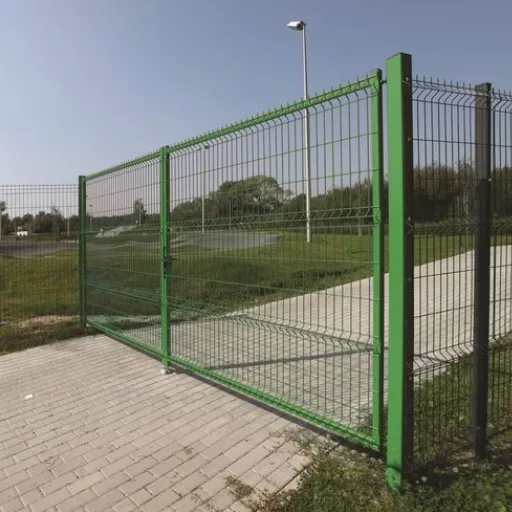 Read More
 -
How to Build a Security Fence: A Comprehensive Guide to Installing Chain Link Security Fences
February 4, 2026Constructing a security fence is an effective way to protect your property, define its boundaries, and enhance your privacy. The v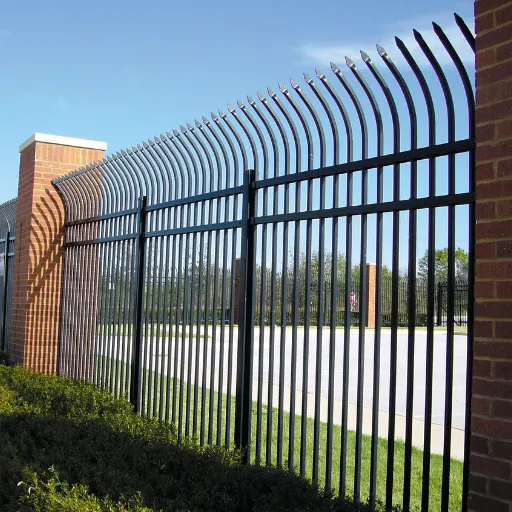 Read More
 -
Iron Yard Fence: The Ultimate Guide to Wrought Iron Fencing for Your Garden
February 3, 2026The design of a garden fence goes beyond establishing property borders because it serves two main purposes by enhancing the visual Read More
 -
Cast Iron Garden Fence: The Ultimate Guide to Durable and Decorative Garden Edging
February 2, 2026The cast iron garden fence functions as a boundary that creates an everlasting combination of practical use and aesthetic beauty t Read More

Contact Us
Recommended Products
-
 Durable Imitation Bamboo Fence for High-Traffic Public SpacesNegotiableMOQ: 50 Square Meters
 -
Customizable Imitation Bamboo Fence With On-Site Measurement ServiceNegotiableMOQ: 50 Square Meters
-
Modular Imitation Bamboo Fence Panels for Quick InstallationNegotiableMOQ: 50 Square Meters
-
Imitation Bamboo Privacy Fence With Reinforced Aluminum BaseNegotiableMOQ: 50 Square Meters
-
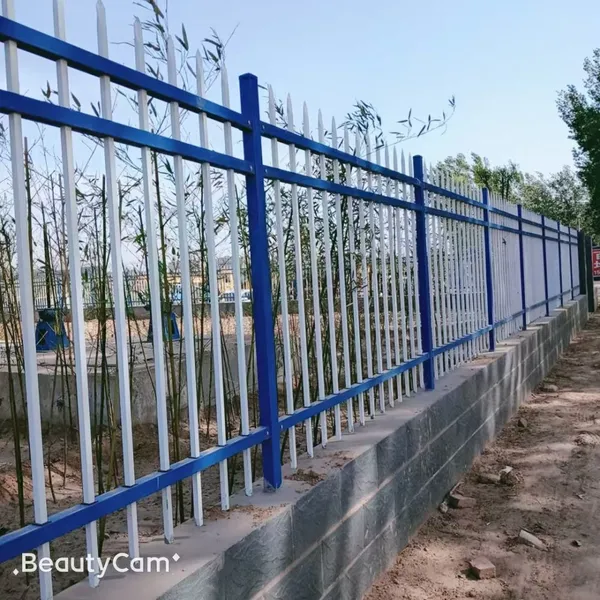
Commercial Grade Villa Fence for Real Estate Developments and Hotel Perimeter ApplicationsNegotiableMOQ: 10 Sets

-
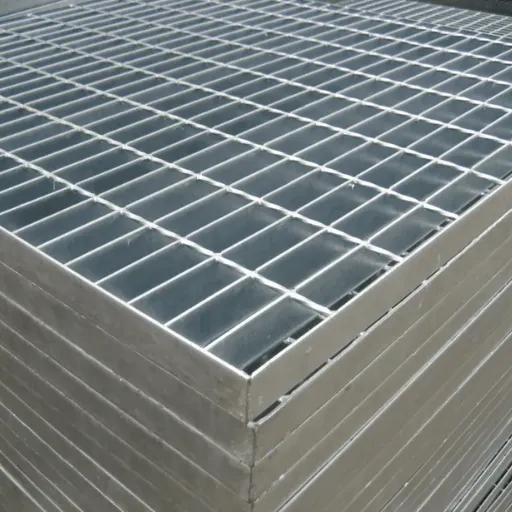
Industrial Steel Grating Solutions for Oil and Gas Platforms, Compatible With Harsh ConditionsNegotiableMOQ: 10 Pieces
-
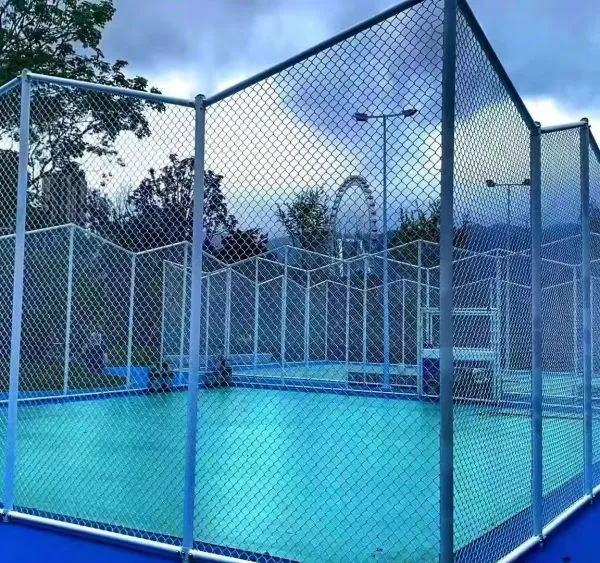
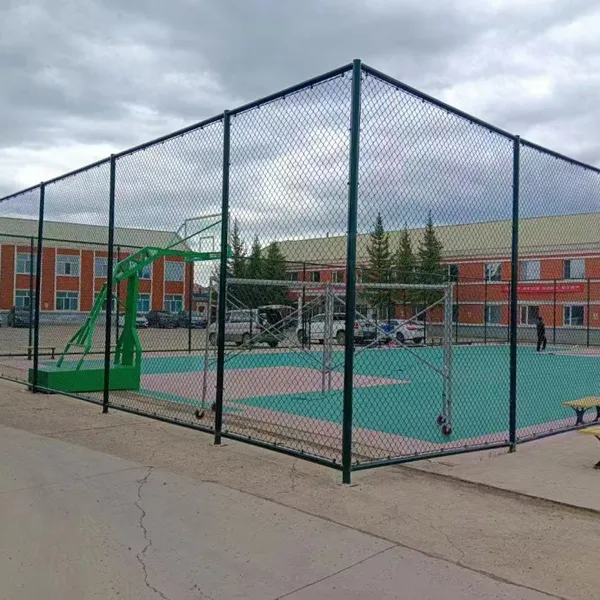
Basketball Court Fence 4M Height, Galvanized Steel Chain Link Mesh for Outdoor Sports Field PerimeterNegotiableMOQ: 50 Square Meters
-
Chain Link Basketball Court Fence Offering Anti-Rust Protection and Long-Term PerformanceNegotiableMOQ: 50 Square Meters
-
European Style Villa Fence Concrete Base Installation Courtyard Boundary WallNegotiableMOQ: 100 Square Meters
-
Galvanized Steel Villa Fence With Powder Coating for Superior Corrosion ResistanceNegotiableMOQ: 100 Square Meters
-
Powder-Coated Basketball Court Fencing With Weatherproof Finish for Long-Term Outdoor ApplicationNegotiableMOQ: 100 Square Meters
-
Powder Coated Wrought Iron Main Gate and Garden Fence for HousesNegotiableMOQ: 100 Square Meters
-
Elevate Your Garden With an Artistic Wrought Iron Garden Fence | Uniting Security & EleganceNegotiableMOQ: 100 Square Meters
-
Low-Maintenance Wrought Iron Garden Fence | Durable Powder-Coated Steel PicketsNegotiableMOQ: 100 Square Meters
-
Heavy-Duty Villa Fence: 10 Gauge Steel Construction With Powder Coating for DurabilityNegotiableMOQ: 10 Sets

-
Anti-Slip Steel Grating Panels for Enhanced Safety in Wet and Slippery Work AreasNegotiableMOQ: 10 Pieces
-
Steel Grating for Stair Treads and Catwalks in Commercial and Factory BuildingsNegotiableMOQ: 10 Pieces
-
High-Security Villa Fence With Lockable Gates and Weather-Resistant Finish for Home ProtectionNegotiableMOQ: 10 Sets
-
Galvanized Steel Basketball Enclosure Netting / Ball Containment System With Frame for Outdoor CourtsNegotiableMOQ: 50 Square Meters
-
Vinyl Coated Chain Link Fencing for Basketball, Pickleball & Tennis CourtsNegotiableMOQ: 500 Square Meters