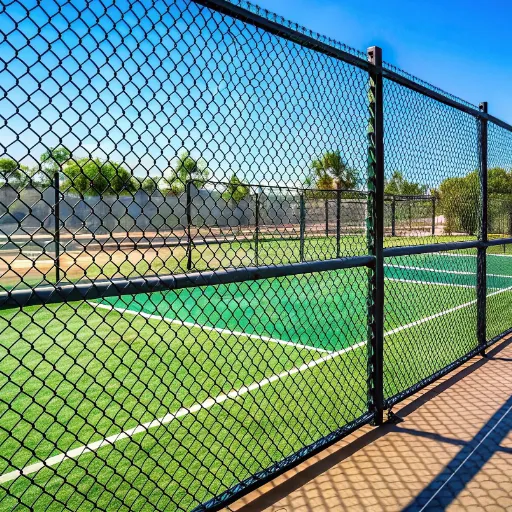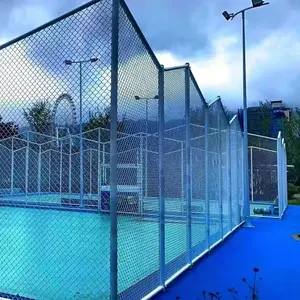

 Business License

Metal Fencing Options: Choosing the Right Type of Metal Fence
Metal fences do not only serve as barriers but also as a mixture of functionality, durability, and style that can change any property’s appearance. Deciding on the type of metal fence can be challenging, as there is a wide range of options and distinct advantages to each. This blog post discusses widely used materials for metal fencing, including their pros and cons, aesthetic appeal, and most suitable applications. Whether you want to improve safety, enhance the exterior, or seek a low-maintenance solution, this guide will help you take the proper steps toward a decision that meets your requirements. Find more info now.
Introduction to Metal Fencing
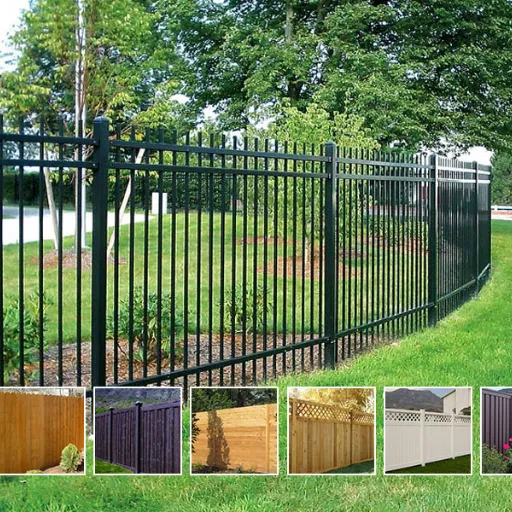
Metal fencing, a permutable and durable choice, is usually the option for residential, commercial, and industrial properties. It offers strong security, durability, and aesthetic appeal, which is why it is selected for a wide range of needs. The four most common metals for fencing are aluminum, steel, wrought iron, and chain link, each with distinct advantages. For example, aluminum is a lightweight metal that does not rust; on the other hand, steel and wrought iron offer both strength and a classic look. Chain-link fencing is the most economical option for securing larger areas. The choice of the proper metal fencing revolves around the factors of price, maintenance, and the need of security or visual appeal.
Importance of Choosing the Right Metal Fence
Selecting an appropriate metal fence is vital to the property's functionality, aesthetics, and safety. The right choice provides on-going contentment and value as it remains a good fit for the requirements. To make the final decision and pick the right metal fence, here are five crucial factors that you should keep in mind:
Durability and Longevity
A metal fence's durability and ability to withstand environmental forces are its main features. Steel and wrought-iron fences, for example, can last for many years and even decades if properly maintained, making them an excellent long-term investment.
Maintenance Requirements
Metal fences require different amounts of maintenance. Aluminum fences are rust-resistant and low-maintenance, while steel and wrought iron may require occasional painting or rust protection to maintain their appearance.
Security Features
The design of a metal fence determines the level of security it can provide. For the highest security needs, popular choices include steel barbed wire fencing and chain-link fencing with CCTV.
Aesthetic Appeal
Metal fences significantly enhance a property's beauty. A wrought-iron fence, for instance, offers a classic, elegant look, making it suitable for both traditional and luxurious homes.
Cost Considerations
A budget significantly influences the choice of fence. For example, chain-link fencing is well-suited to large areas due to its cost-effectiveness. At the same time, wrought-iron and custom steel fences would cost more due to their intricate designs and high-quality materials.
Through a meticulous examination of these elements, one can choose a metal fence that truly reflects their taste, functional requirements, and financial capabilities.
Overview of Metal Fencing Options
Metal fencing is available in a range of styles, materials, and finishes, with each type offering distinct advantages based on the buyer's purpose and aesthetic preferences. A thorough description of some of the most common options is provided below:
Chain Link Fences
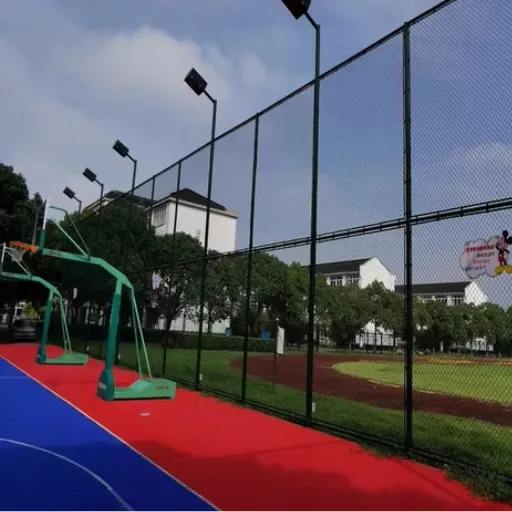
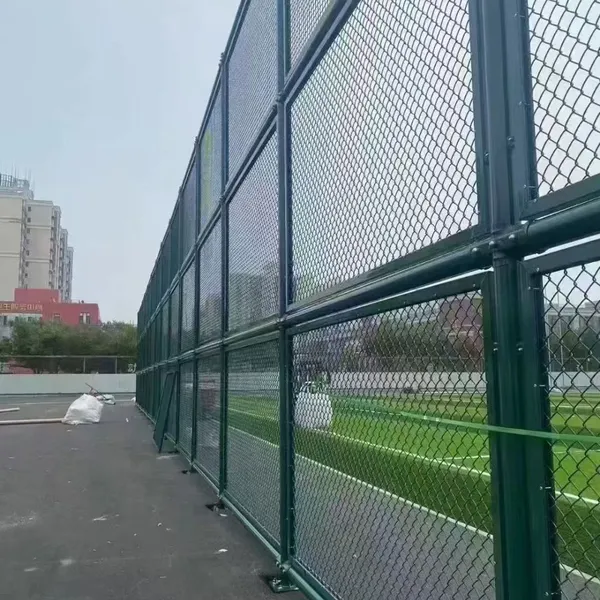
Chain-link fences are very cost-effective and among the most commonly used types of metal fencing. They are made of galvanized or vinyl-coated steel, providing high durability and rust resistance. Chain-link fences are primarily used for practical purposes and to secure large areas such as playgrounds, schools, and industrial lots. According to the latest data, the average cost of these fences ranges from $8 to $15 per linear foot, depending on height and materials.
Aluminum Fences
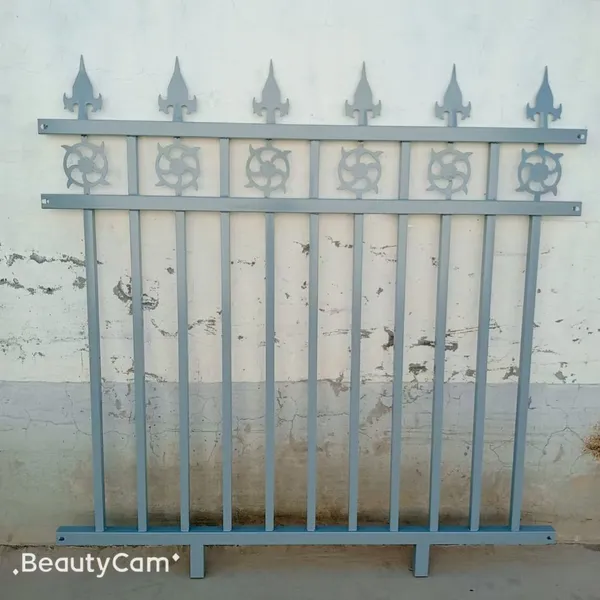
Aluminum fences are light, but still sturdy, fences that require no paint and are almost maintenance-free and hence are good for residential properties. They are perfect for areas with wet climates, as they do not corrode and therefore do not require painting. Aluminum can replicate the appearance of classical wrought iron at a fraction of the cost, typically $20 to $40 per linear foot. Very artistic aluminum designs, which may be pretty expensive, are custom-made to order.
Wrought Iron Fences
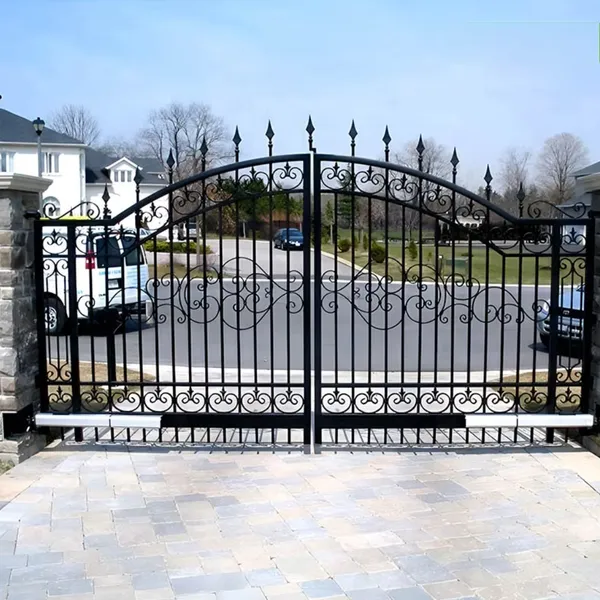
Wrought-iron fences have long been associated with aristocracy and wealth, and they are typically the choice for upscale residential or historic properties. These fences are robust and durable, but they still require regular maintenance to prevent rust. Powder-coated finishes that have developed through modern technology have also contributed to their durability. In terms of cost, wrought iron fencing ranges from $24 to $50 per linear foot, with pricing also depending on the extent of custom work.
Steel Fences
Steel fences are characterized by their formidable strength and sleek, elegant look. Available in galvanized or stainless steel, they are highly resistant to a wide range of weather conditions and impacts. Steel is widely used in commercial and residential construction. The minimum price per linear foot is $25 but it can shoot up to more than $100 for the high-end designs or the superior grades of stainless steel.
Decorative Metal Panels
Decorative metal panels are gaining acceptance as a fencing option because they are not only functional but also enhance the house's contemporary aesthetic appeal. They come with laser-cut designs and weather-resistant finishes, and customization options allow you to create unique patterns. Their primary use is either for privacy or as eye-catching art in garden areas and other outdoor spaces. The cost of decorative panels differs a lot with one from $50 to $200 per panel, depending on the material and intricacy of the design.
Hybrid Fencing
Hybrid fencing approaches combine metals with other materials, such as wood or vinyl, to enhance durability and offer a wider range of aesthetic options. For example, a classic yet strong combination of wood and entirely steel posts can be used. The price varies by material type and typically ranges from $30 to $75 per linear foot.
In case of metal fence selection, other costs such as installation and permit fees, as well as regular maintenance, should be considered when calculating the total cost. Understanding the properties of the various materials and recent cost insights, home-owners and property managers can confidently make decisions that meet both functional and financial expectations.
Current Trends in Metal Fencing
Metal fencing is a sector that is constantly changing through a tech transformation, along with a consequent shift in consumer taste. A significant trend that stands out is the demand for sustainable and eco-friendly materials which is on the rise. For these reasons, the homeowners have switched to recyclable aluminum and steel, which are durable and eco-friendly. A recent report from the industry has indicated that by 2023 almost 40% of modern fencing installations were using either reusable or sustainably sourced materials. This percentage is expected to increase.
Another major trend is the use of innovative technologies in fencing designs. The so-called "smart fences" equipped with motion detectors, automatic doors, and monitoring systems are increasingly attractive to homeowners concerned about safety and security. This innovation is in line with the overall smart home trend that is already having a 15% annual growth rate as per the market analysis report.
On the plus side, powder-coated finishes have not only improved aesthetics but also provided long-lasting protection. The powder coating process provides the metal fences with the necessary resistance to rust, sunlight, and weather changes, keeping them looking good for longer. Powder coating is particularly common in coastal and high-humidity areas, where fences require extra protection.
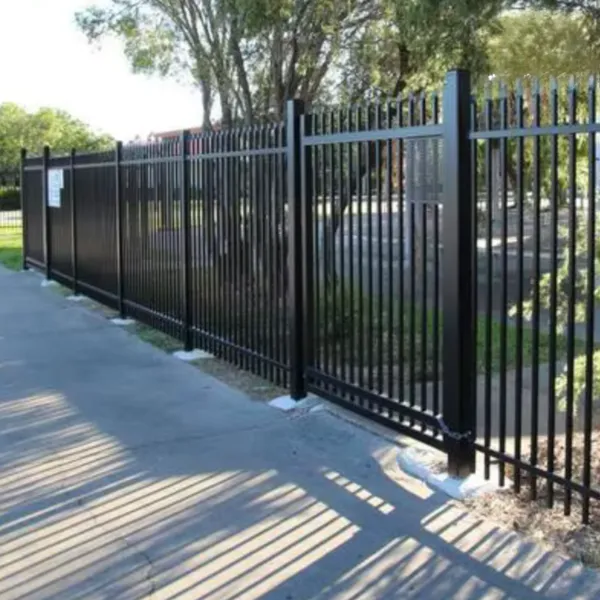
On the other hand, the present-day design trends have turned the tables and rather than going for traditional and elaborate styles the consumers prefer custom-made and minimalist ones. Metal fences in black or gray with a clean and linear look are in great demand as they suit contemporary architecture. Data from 2023 indicate that new fencing installations in urban areas feature sleek, modern designs in 60% of cases, indicating a general preference for clean-looking estates that match both commercial and residential areas.
Types of Metal Fencing Materials
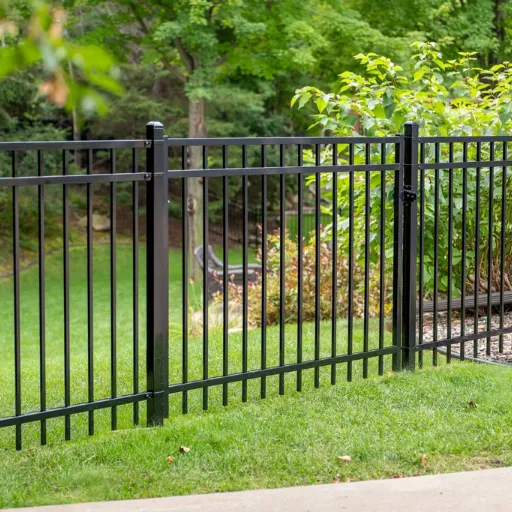
Choosing a metal fence requires understanding the available materials and their distinct features. The following is a list of the most common metal fencing materials, along with the most recent trends and data:
1. Wrought Iron
Wrought iron fences are durable and renowned for intricate designs. Installation is labor-intensive but offers a piece that is both modern and classy, which can be suitable for historic or classic architectural styles. Recent data indicate that 30% of high-end residential fencing installations still use wrought iron, which is preferred for its longevity and the ability to be tailored to the homeowner's taste. Nevertheless, it needs to be sanded and painted regularly to prevent rust and maintain its appearance.
2. Aluminum
Aluminum fencing is a heavyweight, rustproof, and maintenance-free solution. It is very popular among homeowners because it is affordable and versatile. In contrast to wrought iron, aluminum fencing can be pre-coated, making it more weather-resistant. Research shows that more than 45% of coastal fencing is made of aluminum due to the material's resistance to saltwater corrosion.
3. Steel
The steel fencing is highly robust and effective at deterring unauthorized access. In addition to offering galvanized or powder-coated finishes, the steel fencing also protects against rust and provides consumers with assurance of long-term usability. Market analysis indicates that the widespread use of steel fencing in commercial areas, accounts for 40% of total sales in the industrial sector. Its power and rigidity not only provide but also maintain an elegant office look.
4. Chain-Link
Chain-link fences are an inexpensive, basic option, primarily used to secure large areas or public outdoor spaces. They may not be very attractive but are still very handy, require little effort to set up and are the cheapest option available. Statistics indicate that chain-link fencing is the most preferred choice for public properties, with about 60% of parks and sports fields using this material.
5. Zinc Fencing
Zinc is not a traditional fencing material, but it has already gained traction for its modern look and rust-resistant properties. Additionally, its recyclability has enhanced its eco-friendly profile, increasing demand for sustainable fencing Solutions. Even though it is still far behind aluminum and steel in mainstream use, word about zinc fencing is spreading, especially among eco-minded buyers.
All the above-mentioned materials have pros and cons, and the choice of the right one depends on climate, budget, property type, and aesthetic preferences. Careful consideration of these factors results in a fence that not only performs well but also increases the property's value.
Wrought Iron Fences
Wrought iron fences are not only an expensive choice for buyers but also a classic option, as they never go out of style and are highly durable. Its distinguishing feature is the use of metal that is shaped in an intricate manner, and thus, such a fence has an aesthetic value, but at the same time, it is very effective as a security barrier.
Advantages of Wrought Iron Fences:
Durability: The iron product is robust and easily endures extreme weather conditions and wear over time. If well maintained, they can provide service for several decades.
Customizable Designs: The material can be shaped into elaborate, specific motifs, resulting in highly individualized designs.
Security: The structure of wrought iron is strong and durable enough to be considered as an effective barrier against criminals.
Low Maintenance: Although rust can occasionally be prevented by painting or sanding, wrought iron fences still require much less maintenance than wood fencing.
Data Insights:
Market analysts predict the global wrought iron fence market will continue to grow steadily, driven by evolving demand for aesthetic appeal and security in properties (Source: recent Google data).
In the US, the typical cost of wrought iron fences ranges from $24 to $36 per linear foot, depending on design complexity. Moreover, if the design is complex then installation will also be expensive with labor charges averaging $10 to $15 per linear foot.
Modern production techniques enable most wrought iron fences to be treated with protective coatings that increase their rust resistance by up to 30%.
Considerations:
To be sure, wrought iron is more expensive than other fencing options such as aluminum or vinyl, yet it remains unbeatable in terms of strength and beauty. Furthermore, the property owner will have to shoulder the initial high cost, but over time, wrought iron will still prove to be one of the best choices for the sophistication, security, and longevity they seek.
Aluminum Fencing
Aluminum fencing is one of the most popular materials for residential and commercial applications, thanks to its overall properties. Its durability, low maintenance, and wide range of looks are the main reasons many people choose it. However, unlike wrought iron, aluminum is an option in high-humidity or light-rain areas because it won't rust. Aluminum is slightly lighter and easier to install, which can reduce labor costs on site and during installation.
Durability and Strength: Aluminum is protected by applying layers of protective coating, commonly through the powder-coating process, which provides greater resistance to corrosion, chipping, and fading. This is why their appearance and integrity have lasted for decades. At the same time, although aluminum is no match for steel or wrought iron in terms of strength, modern designs often include stability reinforcement, making it suitable for both residential and commercial applications.
Cost Efficiency: Although aluminum fencing is first a more affordable option than wrought iron or steel, it has an initial average cost of $20 to $40 per linear foot that depends on design and quality. Also, the maintenance of aluminum fences throughout their lifetime is minimal, thereby reducing total cost compared to materials that require more frequent care.
Customization and Styles: Multiple aluminum fence styles, colors, and heights are available and can be tailored to the property's aesthetic. The barriers can range from classic wrought-iron designs to sleek, minimalist looks, with aluminum as the material that adapts to modern tastes. The same applies to decorative tops, finials, and ornamental elements, which are also available in customizable options.
Environmental Considerations: Modern aluminum fences are typically made from recycled materials, making them an eco-friendly choice. The same applies to their long service life and recyclability at the end of their useful life, as these characteristics significantly reduce environmental impact.
Recent Trends and Facts (2023):
According to industry data, demand for aluminum fencing has increased by nearly 5% annually in North America, driven primarily by a shift toward low-maintenance materials. The latest developments in powder-coating technology have made it possible to achieve even longer-lasting finishes, with warranties up to 20 years. Several manufacturers now produce so-called "rackable" aluminum sections that can accommodate slopes and uneven ground, minimizing gaps and improving installation adaptability.
Aluminum fencing is a strong, cost-efficient choice, durable and weather-resistant, with a customizable look. It's especially well-suited for modern, low-maintenance solutions.
Chain Link Fences
Due to their strength, low cost, and flexibility, chain-link fences remain among the most widely used and least expensive fencing options. These barriers are generally constructed with galvanized or coated steel wire, and thus, they are very much against rusting and corrosion; thus, they are suitable for many different uses like residential, commercial, and industrial properties.
The most recent statistics indicate that the average installation cost of a chain-link fence ranges from $8 to $18 per linear foot, depending on height, material quality, and any additional features such as color coatings or privacy slats. The heights of standard chain link fences are usually from 4 to 6 feet, but can be adjusted to meet the needs of higher security, like schools, sports facilities, or government ones, for example.
Innovations have led to modern products, such as vinyl-coated chain link fences, which besides giving an aesthetic appeal, also offer the benefit of being more rust-proof than the traditional ones. Adding privacy slats is another option that helps ensure privacy to a certain degree while reducing airflow and wind resistance. Chain-link fences have long lifespans, typically 15 to 20 years or more with proper maintenance.
Moreover, chain-link fences are a sustainable choice because they are typically made from recyclable materials and their manufacturing and installation have a low environmental impact. Thus, these characteristics ensure that chain link fences remain an effective and practical solution for a wide range of fencing needs.
Steel Fences and Metal Panels
Steel fences and metal panels are characterized by their remarkable durability, security, and visual beauty, and thus they have become very common to see in both residential and commercial buildings. These fences and panels are made of either high-quality stainless steel or aluminum, and they are further treated with protective coatings that can be either galvanized or powder-coat applications, which are reasons in themselves to consider them as the best among all the options available. Furthermore, they are equipped with a robust design that enables them to withstand severe weather conditions without sustaining any damage, allowing a service life of more than 25 years with minimal care.
Recent statistics indicate that, among thieves, the highest fences seem to be the most attractive due to their strength and rigidity. Furthermore, metal panel fences are highly versatile and available in various styles, colors, and designs to meet architectural requirements while performing their intended function.
A recent advancement in the metal fencing sector is modular panels, which are quick to install and easy to replace. For those considering sustainability, some companies manufacture steel and aluminum fences that are made from up to 100% of recycled materials; thus, their environmental impact is less significant.
According to industry reports, the cost of a steel fence can range from $15 to $50 per linear foot, depending on the quality and design. Nonetheless, the maintenance requirements and the fence's long-term performance make it a cost-effective option over the long term. Steel fences and metal panels are, therefore, the ‘Zebi’ of fencing solutions combining both functionality and attractiveness in modern times—be it security enhancement or property beautification.
Comparative Benefits of Different Metal Fences
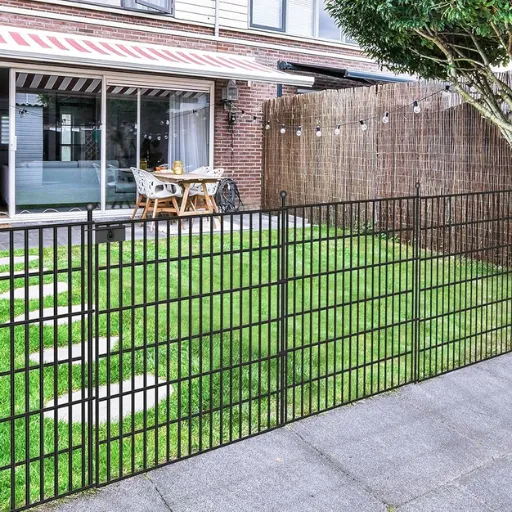
Metal Type | Durability | Maintenance | Cost (per linear foot) | Aesthetic Appeal | Security | Best Use |
|---|---|---|---|---|---|---|
Wrought Iron | Extremely durable, lasts decades | Requires repainting every 7-10 years | $25–$100 | Elegant and classic | High, strong and tamper-resistant | High-end homes, decorative security |
Steel | Long-lasting, rust-resistant | Minimal, occasional repainting | $20–$45 | Modern and versatile | High, sturdy and secure | Commercial properties, strong barriers |
Aluminum | Rust-proof, lightweight | Low, factory-applied finish | $30–$40 | Stylish, customizable | Moderate, less sturdy | Residential, decorative fencing |
Chain Link | Durable but flexible | Minimal, rust-resistant coating | $13–$27 | Functional, not decorative | Low, easy to climb or cut | Budget-friendly, temporary fencing |
Ornamental Steel | Highly durable, rigid | Low, galvanized and coated | Custom pricing | Combines security and beauty | Very high, anti-climb features | High-security, aesthetic properties |
Durability and Longevity
Metal fences, especially those made of steel and aluminum, are praised for their remarkable strength and, consequently, longer lifespans than traditional fence materials such as wood or vinyl. Steel fencing, typically galvanized or powder-coated, is rust- and corrosion-resistant. This feature allows the fence to endure the most extreme weather that heavy rain and snow would bring and thus, on average, a properly maintained steel fence can last anywhere between 20 to 30 years or even longer, in some cases, depending on the conditions and maintenance of course.
Aluminum fences, however, are inherently corrosion-resistant from the start, with no need for coatings, making them ideal for humid or seaside areas. They are not only light but also strong, so many aluminum fences last 30 to 50 years with minimal care. Also, among the pros of metal fencing, one cannot overlook that, unlike wooden fences, they are not affected by pests such as termites, which is another factor contributing to their long lifespan.
According to industry reports, the primary factor influencing a fence's lifespan is maintenance. Metal fences will surely last longer if regular inspections are conducted for their coatings or structural damages and repairs are done timely. It has been claimed that the maintenance costs of metal fences are much lower than those of other materials; therefore, they are an efficient investment for property owners who prefer long-term solutions. The durability of metal fencing, coupled with its aesthetic designs, makes it the first choice for both residential and commercial applications.
Security Features of Metal Fences
Metal fences are recognized for their maximum security and this is why they are popular for protecting houses and other places. Here are five main issues of metal fences, which provide security features:
1. Strength and Durability
Metal fences are made of materials that are strong such as steel, wrought iron, or aluminum, and these materials are tough to break or damage. This very strength forms a powerful barrier against trespassing.
2. Height and Design
Metal fences can be built to great heights, and features such as pointed tops or ornamental spikes can be used to discourage climbing and prevent unauthorized access.
3. Visibility
Open areas are primarily assigned to metal fences unlike solid fences, thus metal fences are known for having open designs which offer clear visibility. This has a deterrent effect because trespassers are more likely to be seen and monitored by security personnel or property owners.
4. Compatibility with Security Systems
Metal fences are well integrated with other security measures, such as cameras, motion sensors, and alarm systems, enhancing overall security and enabling continuous perimeter monitoring.
5. Customizable Gates and Locks
Locks, padlocks, or electronic access controls are features of secure gate options that metal fences can include to limit unauthorized entry further.
When combined, these features enable metal fences to provide safety and comfort to property owners.
Aesthetic Appeal and Design Options
Metal fences are not only practical but also offer a wide range of aesthetic and design options to suit different architectural styles. Modern production techniques enable property owners to personalize their fences to match the aesthetic of their home or business. Recently, ornamental metal fences, such as wrought iron, have been ranked among the top choices for both residential and commercial applications due to their classic beauty and strength.
Design options range from complex scrollwork and finials that create a classic look to smooth, minimalist designs for modern spaces. The powder-coating process ensures these fences are available in a variety of colors, allowing them to match any landscape while providing added protection against rust and corrosion. A 2023 market survey found that black and bronze finishes remain the leading color choices, accounting for nearly 60% of sales.
Metal fences can also incorporate artistic elements, such as laser-cut patterns, decorative panels, or motifs, making them look like art pieces. By adjusting picket spacing or using solid or perforated panels, designs can be further adapted to achieve privacy or openness. This flexibility is one reason metal fences remain a popular choice, combining utility with the beauty of the surroundings.
Cost Considerations and Budget Planning
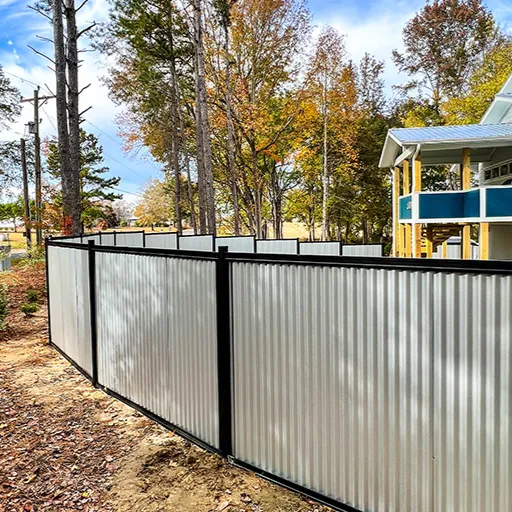
When installing a metal fence, one of the key considerations is the cost and its impact on your budget. Generally, the cost to install a metal fence ranges from $15 to $60 per linear foot. The wide range in price is due to differences in material types, design complexity, and installation. Among the materials used, aluminum and steel are the most popular. Aluminum usually costs around $20 to $40 per linear foot while steel is a bit more expensive, costing about $25 to $50 per linear foot. Furthermore, ornamental iron fences, which buyers primarily value for their intricate designs and artistic features, are the most expensive, priced above $60 per linear foot due to the skill required.
Another aspect labor is one of the significant factors that contribute to the total cost. Labor costs vary by location and, depending on the contractor's skill level, can range from $5 to $15 per linear foot. Let's not forget that there will always be some extra costs when adding certain features. For example, a gate may cost $300 to $700 and if you wish to go for powder coating for durability and aesthetics, you will also have to part with some extra money.
In any case, don't forget to account for potential maintenance costs when planning your budget. Aluminum fences do not require regular maintenance such as rust-proofing and painting, whereas steel and iron fences do; therefore, the latter will incur higher long-term costs. A well-thought-out project covering both the initial and ongoing costs will not only satisfy but will also be a beautiful functional solution for the site.
Initial Costs of Metal Fencing
Metal fencing has a wide range of installation costs, depending on the type of metal, design, and additional features. Aluminum fencing typically costs $18 to $45 per linear foot, making it a lightweight, cost-effective option for those seeking a strong, attractive fence. Wrought iron, with its beautiful and decorative appearance, is the most expensive and its price ranges from $24 to $50 per linear foot because of the heavy material and detailed designs. Steel fencing is also between $20 and $48 per linear foot and is chosen for its excellent strength and durability.
Considering installation at this point, the labor cost should also be included. A professional installer will, on average, add $10 to $25 per linear foot to the total cost depending on the difficulty of the job, local rates, etc. Also, the project could end up more expensive due to additional costs such as gate installation, customizations, and terrain challenges (e.g., slopes or rocky areas). For example, installing a driveway gate can range from $1,000 to $5,000, depending on the material and design.
It is also important to note that prices can vary based on local availability and demand for materials. It is crucial to do performing extensive research and to get quotes from different contractors as an integral part of the process that guarantees a project will be done not only within the budget but also with the required quality standards.
Long-term Maintenance Costs
The maintenance expenses in the long term lead to my invariable preference for quality, long-lasting and low-maintenance materials and designs. For example, selecting weather-resistant coatings or composite wood and aluminum, although initially more expensive, would ultimately yield significant savings in labor and materials. I perform cleaning and sealing of surfaces, lubrication of moving parts, and other maintenance activities to extend the life of installations and prevent costly repairs in the future.
Value for Money: Comparing Metal Fencing Options
Metal Type | Initial Cost | Lifespan | Maintenance Cost | Security Level | Aesthetic Appeal | Best Value For |
|---|---|---|---|---|---|---|
Wrought Iron | High ($25–$100/ft) | Decades | Moderate (repainting) | High | Elegant and timeless | Luxury homes, long-term durability |
Steel | Moderate ($20–$45/ft) | Long-lasting | Low (occasional repaint) | High | Modern and versatile | Commercial, strong barriers |
Aluminum | Moderate ($30–$40/ft) | Long-lasting, rust-proof | Low (factory finish) | Moderate | Stylish and customizable | Residential, decorative fencing |
Chain Link | Low ($13–$27/ft) | 20 years | Minimal (rust-resistant) | Low | Functional, not decorative | Budget-friendly, temporary fencing |
Ornamental Steel | High (custom pricing) | Very durable | Low (galvanized coating) | Very high | Combines beauty and security | High-security, aesthetic needs |
Installation Tips and Best Practices
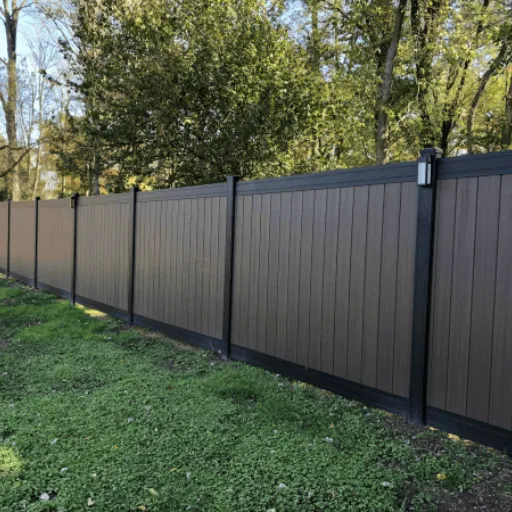
The correct installation is a way to guarantee the lastingness and stability of fencing solutions. Below are the intricate tips and the best practices corroborated by the prevailing industry standards and the latest insights:
Plan and Prepare the Site
The first step is to conduct a detailed evaluation of the location where the fence will be installed. Use stakes and string to mark the limits to ensure accurate positioning. Remove all the debris, roots or other barriers as uneven ground can endanger the fence's stability. Research says that about 70% of fencing-related issues are caused by poor site preparation.
Choose the Right Tools and Materials
Purchase better quality tools like post hole diggers, spirit levels, and power drills as they will make the installation process quicker. If you are using metal fences, recommend galvanized materials, as they do not rust and remain usable in harsh weather for a long time. Studies have found that galvanized fencing can last for around 20 years with almost no maintenance which is a pretty good deal.
Set Fence Posts Correctly
The fence posts are critical to the overall structure and must be installed carefully. Drill the post holes to a depth of at least one-third of the fence height to ensure stability. For greater durability, use a concrete-and-gravel mix to fill the holes. Many professionals recommend waiting 24-48 hours for the concrete to fully set before installing the fence panels or rails.
Allow for Expansion and Contraction
Temperature fluctuations can cause metal fencing materials to expand and contract. To these natural alterations that come with the changing of seasons, add small gaps at the points where the fence is connected thus not affecting its strength. It has been found that just a few millimeters of additional space can be the difference between stress fractures and material fatigue over time.
Ensure Proper Alignment and Leveling
At every phase of installation, use a spirit level to ensure the fence is vertical and level. Even small misalignments can make the structure unstable and cause pressure to be distributed unevenly. It is advised by professionals that alignment is frequently checked as soon as one starts to secure the poles or the rails especially when the surface is uneven or the ground is sloped.
Secure Fasteners Appropriately
To connect fence panels to posts, use screws, bolts, or clips that are resistant to corrosion. Stainless steel fasteners are often selected for their high rust resistance and strength, even in coastal or humid environments. Do not over-tighten the fasteners; instead, tighten them just enough to hold securely, as over-tightening can cause weakening of the connections.
Follow Manufacturer’s Guidelines
Every manufacturer has its specific installation instructions for each fencing product. Following these instructions not only helps ensure the product performs at its best but can also make the warranty applicable. The statistics show that improper installation can reduce warranty claims by up to 40%.
In conclusion, it is by practicing the above-mentioned precautions and investing time in planning, preparing, and executing the installation you will have a fence that is not only durable but also beautiful and of great value in the long run.
How to Install a Metal Fence
Installing a metal fence requires good planning, right tools, and meticulousness. Below is a step-by-step guide that will help make the installation a success:
Step 1: Plan Your Fence Layout
Begin by marking the perimeter of the area where the fence will be placed. Stake out the area and tie it off with string to ensure it is straight and the boundary is even. A recent study found that careful planning can reduce installation time by up to 25%. When planning the installation, check local zoning regulations and obtain the required permits to avoid legal issues.
Step 2: Measure and Mark the Posts
Determine the spacing between the posts so that the fence will be stable and good looking. The distance between posts is typically 6 to 8 feet, but it may vary depending on the type of metal fence. The right spacing ensures the strongest possible fence and may also help protect it from damage during storms or heavy impacts.
Step 3: Dig the Post Holes
Dig post holes for the fence using either a post hole digger or an auger. Generally, the holes should be one-third as deep as the height of the wall above ground. Therefore, a 6-foot fence would require a hole at least 2 feet deep. Digging below the frost depth also safeguards the posts from frost heaving.
Step 4: Install the Posts
Insert the metal fence posts into the dug holes. Check that they are level using a spirit level. Once the posts are set, fill the holes with concrete and form the top into a pyramid-like shape to direct water away from the posts; this will help prevent rust and corrosion. Studies show that fences set in properly leveled and cured concrete can outlast those set in other methods by 30%.
Step 5: Attach the Panels or Rails
After the posts are correctly installed and the concrete has cured (usually between 24 - 48 hours), mount the metal fence panels or rails. Adhere to the manufacturer's mounting guidelines and use the appropriate brackets or hardware. Ensure all panels are level and securely fastened over time.
Step 6: Secure the Gate
Add the gate to your fence, giving extra care to aligning the hinges and latch correctly. The gate has the highest usage and stress; therefore, it might be necessary to use reinforced supports or heavy-duty hardware to make it more durable.
Step 7: Inspect and Finalize
A complete inspection of the fence should be done. Look out for loose screws, uneven panels or poorly secured posts. If necessary, make any adjustments to ensure the fence is stable and properly aligned. If the manufacturer recommends it, apply a weather-resistant coating to protect against moisture and UV damage.
Additional Tips and Considerations
Time Investment: A metal fence installation in a residential yard typically takes 2-3 days, provided the proper preparation and tools are in place.
Cost Factors: As per the most recent data from online sources, the cost of installing a metal fence is approximately $20 to $40 per linear foot depending on the material and design, which is the average price.
Maintenance: Inspect the fence regularly for rust or damage. One way to preserve its appearance and prolong its life is cleaning with a mild detergent and water solution.
By employing the above methods and modern installation techniques, you can create a solid, aesthetically pleasing metal fence that also serves as an additional security measure and increases your property's value.
Tools and Materials Needed for Installation
For successful installation of a metal fence, a range of tools and materials is essential to ensure precision, longevity, and productivity. Below is a comprehensive list that combines the sharing of knowledge and modern recommendations:
Tools:
Measuring Tape - To carry out the fence layout measurements precisely, maintaining correct spacing of the posts.
Post Hole Digger or Auger - For the purpose of making holes that are deep and even for the installation of the posts. On the one hand, manual diggers are financially friendly and on the other hand, augers save a lot of time for large projects.
Level - Confirms that the posts and panels are not only aligned but also vertically straight thus giving rise to a solid fence structure.
Hammer and Nails - For either the temporary bracing securing or the attaching of fence panels based on your design preference.
Power Drill and Screws - Speed up securing metal panels or partitions with caps.
Concrete Mixer or Bucket - Required for mixing the concrete that will effectively hold the posts in their specified place.
Saw or Metal Cutter - For the cutting of metal panels or posts so as to meet the desired length.
Safety Gear - Comprising of gloves, safety goggles, and ear protection to guarantee the worker’s protection from accidents during the installation process.
String Line and Stakes - Making the fence line visible and keeping the boundary straight during installation are the advantages of using this tool-and-material combination.
Materials:
Metal Fence Panels - Aluminum, steel, or wrought iron are among the most common materials, and the price varies accordingly. Aluminum is both light and rustproof while steel and wrought iron are long-lasting and strong, and hence the price is higher.
Fence Posts - They are the main support for the fence. Posts are usually available pre-cut or can be customized with options such as powder coating to prevent rust.
Concrete Mix - The firm foundation for the posts is made of concrete and that is why you need it. Brands like Quikrete are the most popular for their convenience and reliability.
Gravel: As a rule, it is placed at the bottom of holes to be dug for posts to provide drainage and stability.
Paint or Finish - Though optional, it is still highly advisable that a protective coating is applied for aesthetic purposes, especially on steel or wrought iron fences.
Fasteners: brackets, bolts, and screws used to secure fencing panels to posts.
Rust Protection Spray - It helps protect metal from corrosion, especially in moist areas or harsh climates.
The installation process for the metal fence can be made easier and more professional by collecting these tools and materials in advance.
Common Mistakes to Avoid When Installing a Metal Fence
Incorrect Post Spacing - Failing to measure and space fence posts accurately can lead to uneven panels or an unstable fence. Always check your measurements twice to ensure exact alignment and proper support.
Skipping Ground Preparation - Not leveling the ground and not clearing it before you start laying the fence can cause the wall to be uneven or difficult to keep the posts in place. Site preparation is essential for a long-lasting, high-quality fence.
Not Using Rust-Resistant Materials - Not applying rust protection or using non-galvanized metal may lead to premature rusting, especially in humid or rainy areas. Always select rust-resistant materials and apply protective coatings as a precaution.
Overlooking Local Regulations - Not taking local building codes and zoning laws into account may result in fines or requiring you to change the fence after installation. Always make sure you have the required permits and know the guidelines to avoid making mistakes that are expensive.
Improper Post Setting - Not being careful enough to set posts deep enough in the ground and to use the right amount of concrete can result in the fence wobbling over time. Ensure all posts are firmly set at the correct depth so they won't be blown over or knocked down by other forces.
Frequently Asked Questions (FAQ)
Benefits of Metal Fencing: What are the advantages of metal fences?
Mel fences are durable, secure, low maintenance. They are produced from steel, aluminum, and galvanized steel as well, which makes them perfectly suitable for fences, especially in commercial or residential areas where the long-life of a fence is expected. The wall also provides strong perimeter control. With the modern design or ornamental metal work, it can even change the look of your property. Additionally, it often offers greater privacy when equipped with privacy slats or metal privacy fence panels.
Fence Panel: What kinds of styles of fence panel are there?
The choices for metal fence panels are vast. Fencing can include cast iron and ornamental metal details, as well as practical corrugated-style panels that offer both privacy and durability. The options for different styles of metal fence panels are aluminum or steel, and wire fence panels, depending on the secured area and desired style.
Metal Fence Panels: Which one to select between steel and aluminum?
Steel panels, even the galvanized one, are heavier, and in most cases more durable—best suited for applications that require security or high strength. Aluminum panels, on the other hand, are lighter in weight, naturally resist rust, are easier to install as well as maintain thus they are the preferred material for residential properties and curb appeal projects. When deciding between the two, choose fence height, cost, and whether you want ornamental metal accents or plain metal privacy panels.
Options for Metal Fences: Will they provide both privacy and security?
Definitely, yes. Security fence systems or high rail and robust fence posts can be used to construct metal fences that will have both privacy and airflow as other metal privacy fences made from metal sheets. Many metal fences utilize the best features of both worlds—beautiful ornamental metal fronts with solid metal panels on sides that provide both curb appeal and privacy. Metal fences are still adaptable to both residential and commercial uses.
Benefits of Metal Fencing: Do metal fences have any advantages over wood fences?
Generally proof to weather, pests, and degradation, metal fences unlike wooden fences, do not require frequent replacement of posts, repainting, or staining. Even though wood fences might be less durable, their life span is still greatly affected by the aforementioned factors. Thus, metal fencing offers long-term value due to lower maintenance and greater strength, and it can imitate wood-like privacy while relying on the usability of materials like galvanized steel or powder-coated aluminum that offers the same fencing performance.
Fence Panel: How about fence posts and installation besides?
The first step in proper fence installation is the construction of strong posts at the correct depth and holding them with concrete where needed. The posts for metal panels must have the same compatibility with the panel type—rail fence systems need top rails and posts, mesh panels need secure brackets, and corrugated panels may require specific framing. Fence height rules and local permission have a direct impact on post spacing and installation, so it is wise for homeowners to consult local zoning regulations before embarking on a DIY fence kit project or contracting with professionals.
Metal Fence Panels: How do corrugated metal fence and corrugated panels compare to ornamental steel fencing?
Corrugated metal fencing and panels offer a peculiar combination of privacy, low-cost shelter and modern design aesthetics; they are widely considered to be the right choice for architects and designers. Ornamental steel fence-like cast-iron fences or decorative steel panels still provide security but focus more on aesthetics and the visibility of the property. The right option mainly depends on the factors of hiding the interior or desirability of modern design or ornamental styling.
Options for Metal Fences: Is it possible to find a fence kit for DIY and what are the common materials?
You can choose to have several types of metal fences be sold as a DIY fence kit with all the prefabricated panels, posts, and hardware—main choices are to have made of steel panels or aluminum, wire fence mesh panels, and corrugated metal panels for privacy. Galvanized steel is the most common material for longevity and low maintenance. While selecting a kit, consider style, height, and whether you need privacy slats or mesh panels.
Recently Posted
-
Building a Security Fence: Your Guide to High-Security Solutions
February 5, 2026The security fence functions as the primary defense system of your commercial property, industrial site, and private estate becaus Read More
 -
How to Build a Security Fence: A Comprehensive Guide to Installing Chain Link Security Fences
February 4, 2026Constructing a security fence is an effective way to protect your property, define its boundaries, and enhance your privacy. The v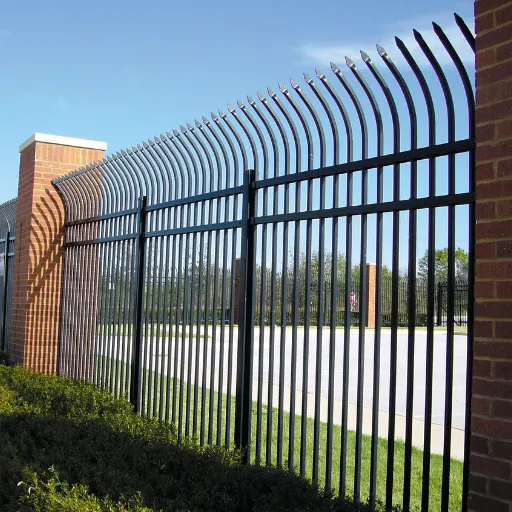 Read More
 -
Iron Yard Fence: The Ultimate Guide to Wrought Iron Fencing for Your Garden
February 3, 2026The design of a garden fence goes beyond establishing property borders because it serves two main purposes by enhancing the visual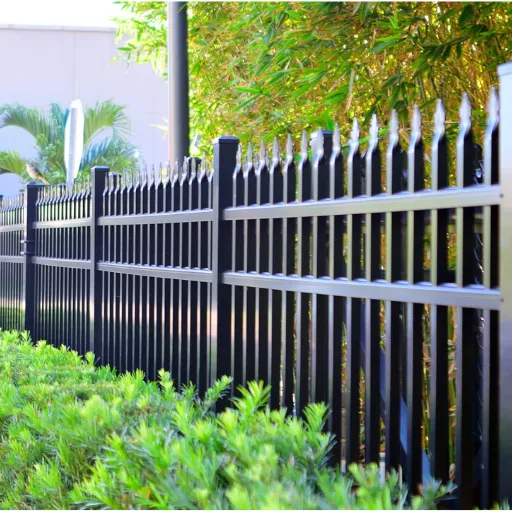 Read More
 -
Cast Iron Garden Fence: The Ultimate Guide to Durable and Decorative Garden Edging
February 2, 2026The cast iron garden fence functions as a boundary that creates an everlasting combination of practical use and aesthetic beauty t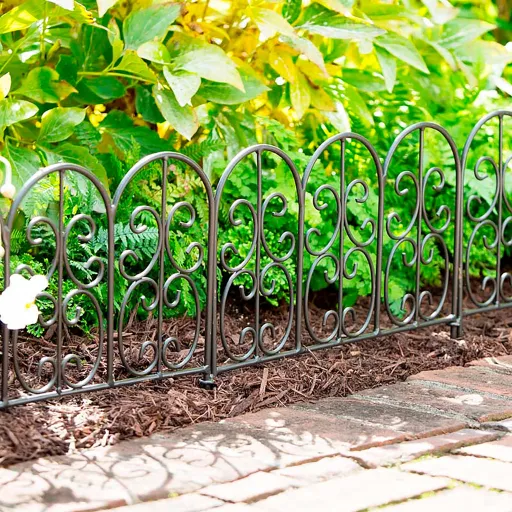 Read More

Contact Us
Recommended Products
-
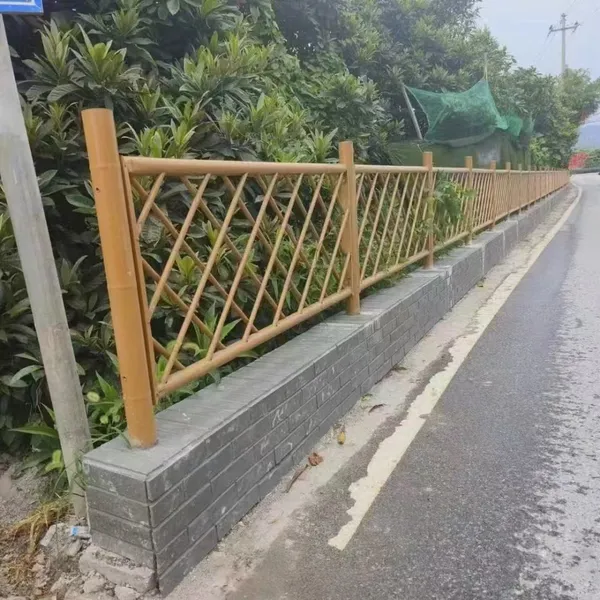
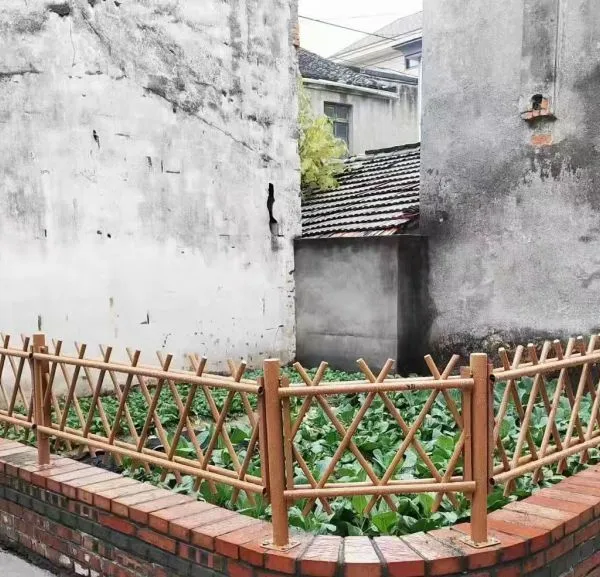
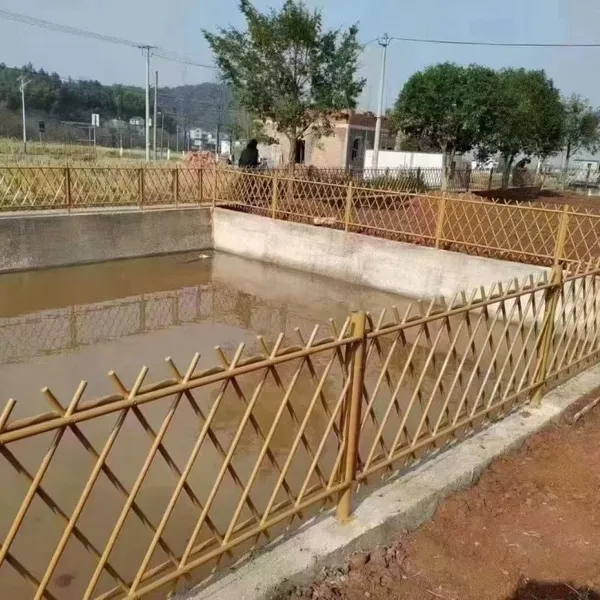
 Durable Imitation Bamboo Fence for High-Traffic Public SpacesNegotiableMOQ: 50 Square Meters
 -
Customizable Imitation Bamboo Fence With On-Site Measurement ServiceNegotiableMOQ: 50 Square Meters
-
Modular Imitation Bamboo Fence Panels for Quick InstallationNegotiableMOQ: 50 Square Meters
-
Imitation Bamboo Privacy Fence With Reinforced Aluminum BaseNegotiableMOQ: 50 Square Meters
-
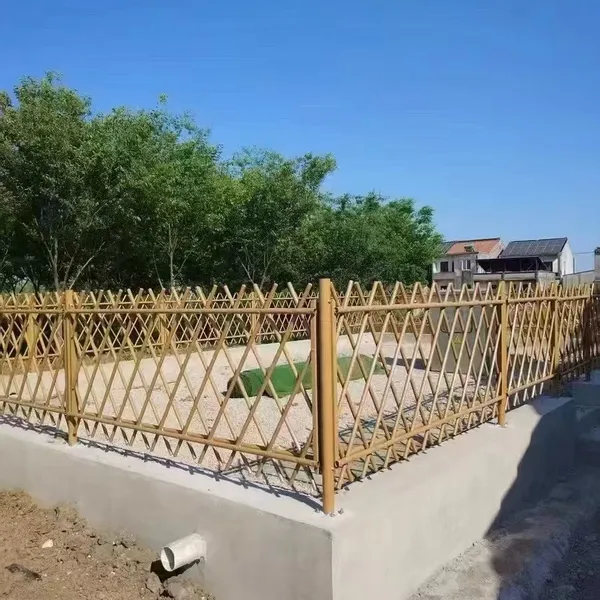
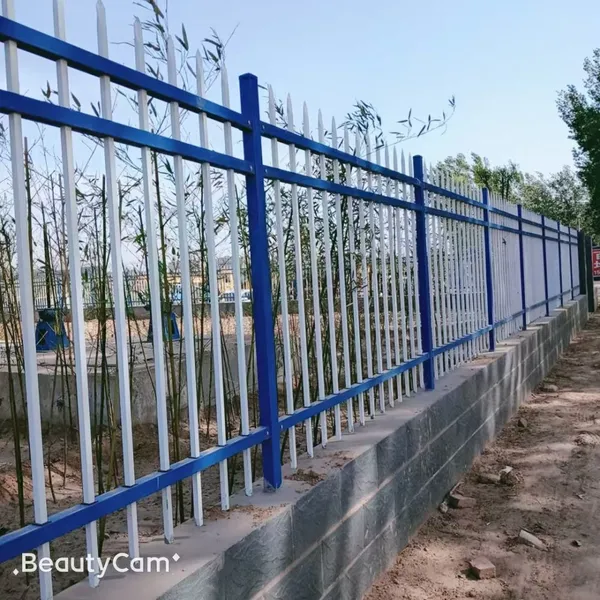
Commercial Grade Villa Fence for Real Estate Developments and Hotel Perimeter ApplicationsNegotiableMOQ: 10 Sets
-
Industrial Steel Grating Solutions for Oil and Gas Platforms, Compatible With Harsh ConditionsNegotiableMOQ: 10 Pieces
-
Basketball Court Fence 4M Height, Galvanized Steel Chain Link Mesh for Outdoor Sports Field PerimeterNegotiableMOQ: 50 Square Meters
-
Chain Link Basketball Court Fence Offering Anti-Rust Protection and Long-Term PerformanceNegotiableMOQ: 50 Square Meters
-
European Style Villa Fence Concrete Base Installation Courtyard Boundary WallNegotiableMOQ: 100 Square Meters
-
Galvanized Steel Villa Fence With Powder Coating for Superior Corrosion ResistanceNegotiableMOQ: 100 Square Meters
-
Powder-Coated Basketball Court Fencing With Weatherproof Finish for Long-Term Outdoor ApplicationNegotiableMOQ: 100 Square Meters
-
Powder Coated Wrought Iron Main Gate and Garden Fence for HousesNegotiableMOQ: 100 Square Meters
-
Elevate Your Garden With an Artistic Wrought Iron Garden Fence | Uniting Security & EleganceNegotiableMOQ: 100 Square Meters
-
Low-Maintenance Wrought Iron Garden Fence | Durable Powder-Coated Steel PicketsNegotiableMOQ: 100 Square Meters
-
Heavy-Duty Villa Fence: 10 Gauge Steel Construction With Powder Coating for DurabilityNegotiableMOQ: 10 Sets

-
Anti-Slip Steel Grating Panels for Enhanced Safety in Wet and Slippery Work AreasNegotiableMOQ: 10 Pieces
-
Steel Grating for Stair Treads and Catwalks in Commercial and Factory BuildingsNegotiableMOQ: 10 Pieces
-
High-Security Villa Fence With Lockable Gates and Weather-Resistant Finish for Home ProtectionNegotiableMOQ: 10 Sets
-
Galvanized Steel Basketball Enclosure Netting / Ball Containment System With Frame for Outdoor CourtsNegotiableMOQ: 50 Square Meters
-
Vinyl Coated Chain Link Fencing for Basketball, Pickleball & Tennis CourtsNegotiableMOQ: 500 Square Meters