
 Business License

Understanding Galvanized Grating: Benefits, Applications, and Installation Tips
Galvanized grating is the best among tough, long-lasting materials. It offers strength but is not limited to it; the product's application is seamless across industrial, commercial, and even residential sectors. In addition to its outstanding sturdiness, the use of the galvanizing process provides superior rust resistance. Thus, safety, functionality, and longevity are the combined advantages of the grating across all its applications. It doesn’t matter whether you are working on a major construction site or a small infrastructure improvement; the right installation, galvanized grating, and application knowledge will make a significant difference. This paper will guide you through the journey of understanding galvanized grating and beyond, explaining why it is the material of choice in most industries and how it can be tailored to your specific requirements. That’s why you should read on to determine whether or not galvanized grating will be suitable for your next project!
What is Galvanized Grating?
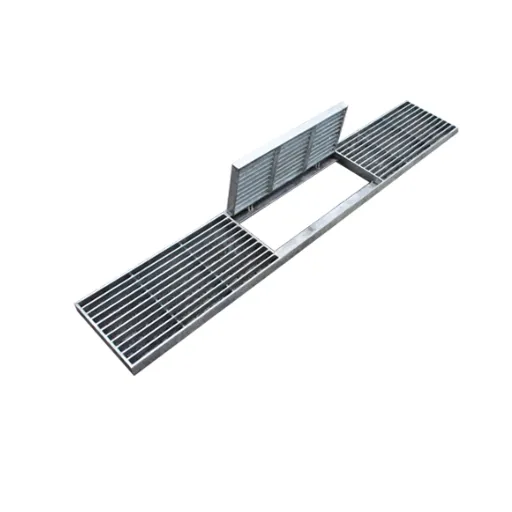
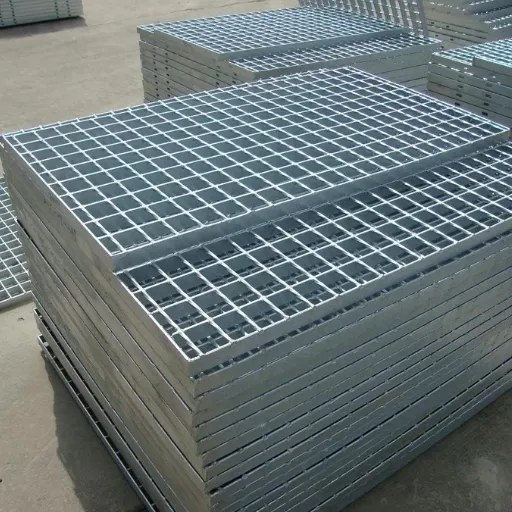
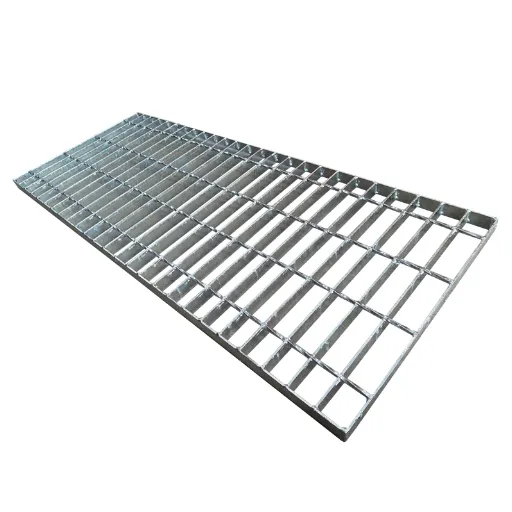
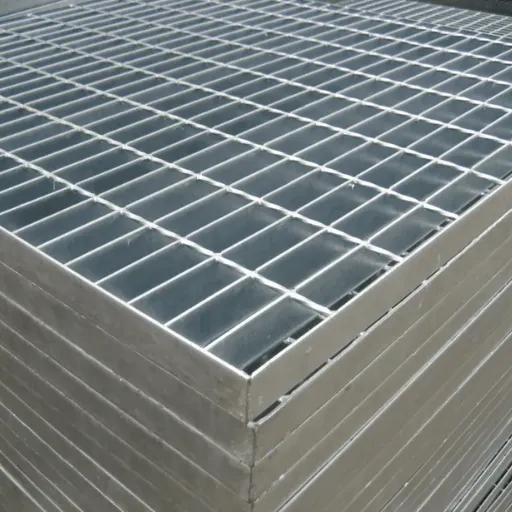
Galvanized grating is a metal grating that is highly durable and corrosion-resistant. This type of grating is usually obtained by coating steel or iron with zinc. The galvanization process not only provides the grating with properties such as rust resistance but also enables the material to be used in the most challenging conditions, thereby significantly increasing its service life. Some of the main applications for this grating include flooring, walkways, platforms, and drainage covers in various industrial sectors, where its strength, low maintenance, and heavy load carrying ability are extremely important.
Definition and Types of Grating
Grating is a word that refers to a structure made up of either parallel or crossed bars, which are generally metal, and that are used as a support, floor, or a protective covering. This is a material that both strengthens and stabilizes at the same time but still allows the passage of light, air, and liquids. Gratings are manufactured for a wide range of uses in the industrial, commercial, and architectural sectors and each has a specific function that is dictated by its design and the materials used in its construction.
Steel Grating
Steel grating is the most popular type of grating due to its exceptional strength and versatility. Depending on the application, it can be made in various configurations, including welded, press-locked, or riveted. Steel grids are used in industrial plants, maintenance platforms, and heavy machinery surroundings. A common type is galvanized steel grid, which has a zinc coating applied to it that gives extra protection against rust and corrosion.
Aluminum Grating
Aluminum grating is acknowledged for its light weight and excellent non-corrosive property, therefore, it is highly utilized in the places where chemicals or water are present. It is frequently found in marine flooring, sewage treatment plants, and architectural accents where aesthetics along with functionality are crucial.
Fiberglass Reinforced Plastic (FRP) Grating
FRP grating is one of the non-metallic solutions that offers the best resistance to chemicals, fire, and corrosion. It is also light, easy to install, and an insulator, which makes it suitable for the industrial chemicals, offshore platforms, and hazardous electrical areas. According to industry sources, the global FRP grating market was valued at approximately $ 500 million in 2022 and is projected to continue growing steadily due to expanding demand across industries.
Expanded Metal Grating
Expanded metal grating is made from a metal sheet that has been cut and stretched to create a grid-like pattern. This kind of grating provides maximum slip resistance and longevity. Its low price and good grip have made it widely used in flooring, fencing, and other security applications.
Stainless Steel Grating
In highly corrosive environments, for applications where corrosion resistance is critical, stainless steel grating is the material of choice. It is frequently found in food processing, pharmaceutical, and water treatment plants and thus ensures low contamination and high longevity after all.
Data and Trends
The most recent models reveal that galvanized steel grating occupies a large share of the global grating market primarily due to its relatively low cost and good performance in difficult conditions. Moreover, the oil and gas niche industries, which rely heavily on chemicals, still prefer FRP grating for its light weight and strong chemical resistance. Manufacturing technology is being enhanced across all types of gratings to increase load capacity, reduce maintenance requirements, and reduce environmental impact.
By understanding the various types of gratings available and their applications, industries can select the option that not only meets their requirements but also performs efficiently.
Overview of Galvanization Process
Galvanization is an industrial process that applies a zinc coating to the surface of steel or iron to prevent rust and extend service life. The hot-dip galvanizing technique is the most popular. In this process, steel parts are fully immersed in molten zinc at approximately 840°F (449°C). The zinc interacts with the steel to form several layers of zinc-iron alloy, which not only strengthens the steel but also makes it resistant to rust and environmental damages.
The protection mechanism of zinc is so effective that a life span of around 50 years in rural areas, and 20 to 30 years in moderately exposed industrial or coastal areas are still possible for galvanized steel. As per estimates, the global market for galvanized steel will reach $283 billion by 2030. The main drivers of this demand would be the construction, automotive and infrastructure sectors that acknowledge the material's cost and dependability.
The galvanization technique is being transformed by advances in pretreatment, zinc coating, and related processes. One of the major developments is the application of pre- and post-treatment methods to ensure the strongest possible adhesion, and the use of higher-performance zinc. Additionally, the process is sustainable because zinc is recyclable, and galvanization reduces waste by extending the service life of steel products. The combination of lower costs, enhanced protection, and eco-friendly credentials ensures that galvanization remains the preferred solution for many industries.
Key Features of Galvanized Steel Grating
Corrosion Resistance
The zinc coating applied to the steel grating allows the galvanized steel grating to withstand the corrosion that comes with extreme environmental conditions thus it is even usable in regions that have heavy rainfall and chemicals exposure, Also, the zinc layer acts as a barrier for the steel that is underneath it whereby the steel is not able to rust and thus the lifetime of the steel is increased.
Durability and Strength
Galvanized steel grating is quite a long-lasting product and at the same time by the very nature of its design the structure is so strong that it can support heavy weight and endure the most extreme conditions. This implies that it is fit for use in every type of application from the platforms of industrial users to pedestrian walkways.
Low Maintenance
The steel grating that has a galvanized coating requires almost no maintenance at all. After a long time it will still look great and work properly thus less money is spent in the long run and there are only minor stoppages for repairs or replacements.
Slip Resistance
Many of the products made from galvanized steel grating are designed with non-slip surfaces which means that safety is assured in areas where traction is critical such as industrial places, stairs, or simply outdoors like walkways.
Versatility and Customization
Galvanized steel grating comes in various sizes and shapes according to different specifications making it a suitable choice for many industrial and commercial applications, and the specification can even be modified to meet the needs of your project.
Benefits of Galvanized Grating
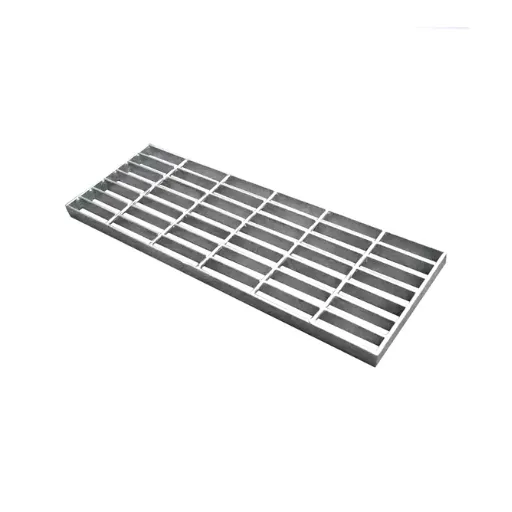
Corrosion Resistance
Galvanized steel grating is mainly distinguished by its extraordinary resistance to corrosion and thus, it can be applied in the most difficult and extreme circumstances without any problems. Where even the slightest contact with water, chemicals, or salt is present, that is where research has shown galvanized coatings taking over 50 years to cause rust in rural areas and more than 20 years in harsher environments.
Durability
In addition to being rustproof, the zinc-based coating protects steel and extends the product's longevity by enabling it to withstand heavy loads and high-impact conditions. The situation that the coating eventually becomes a weak links and the galvanizing process thereafter has a service life longer than non-galvanized alternatives is the strength factor here.
Low Maintenance Requirements
The protective coating on galvanized grating, which wears very slowly, results in minimal maintenance requirements after installation. This again results in a reduction of the total maintenance expenses which is a good thing for those industries that require economical solutions.
Enhanced Safety Features
The anti-slip surfaces are one of the many advantages that galvanized grating has; they alone can provide safety to the maximum, wherever there is a risk such as a wet or oily spot, an industrial area, or even a construction site.
Cost Efficiency
Galvanized grates, although more expensive than non-galvanized ones at first, not only tend to be the best in terms of economy through their durability, lower maintenance costs and longer life span as they can be used in different applications but also are more economical in the long run.
Durability and Longevity
Galvanized grating is highly durable and therefore has a long life span. This is the reason why it is the most preferred option in industrial and commercial applications. The hot dip galvanizing process applies a thick coating of zinc to the steel thus rendering it rust-proof as well as immune to environmental attacks such as moisture, chemicals, and the like, which usually result in steel deterioration. It is reported by the industry that in rural areas, galvanized steel can last for up to 50 years while in harsh industrial or coastal locations the life span can be limited to 20-25 years with no major maintenance.
The zinc layer provides two benefits: a physical barrier and cathodic protection that keep the steel intact even if the coating is scratched or dented. In addition, galvanized steel can endure heavy loads as well as resist to impact which is very crucial for applications such as bridge decking, drainage trenches, and factory floors. The new galvanizing methods not only increased the material's resistance to wear and tear but also solidified its reputation as a cost-effective, long-lasting solution across industries.
Corrosion Resistance
The first thing that comes to mind regarding galvanized steel is its exceptional corrosion resistance. The zinc coating applied on the steel is what basically protects it from rusting hence the name galvanized steel. Therefore, it is a preferred material in moist conditions, in hot weather, or in extremely cold weather. Henceforth, the following five points and figures highlight the corrosion resistance of this steel:
1. Marine Environment Durability
Galvanized steel remains corrosion-free in the marine environment for up to 20 years and more. The other materials which are usually open to the same environment would be facing rust due to the saltwater in a much shorter time span.
2. Urban/Industrials Settings Life Cycle
The life of urban or industrial structure made of galvanized steel depends on the amount of pollutants and is expected to be around 50-75 years per professional view.
3. Zinc Coating The Self-Healing Property
Zinc coating possesses a natural phenomenon called "galvanic action". It is where the coating reacts with the environment and gives the less corrosive steel that has been, underneath covered with a layer of zinc oxide, thus, repair the minor scratches and defects.
4. Accelerated Corrosion Resistance Testing
Laboratory salt spray tests have proven that galvanized steel can defend for as long as 10 times longer than uncoated steel in extreme environmental simulation.
5. Layer Thickness and Durability
Durability is said to be directly proportional to the thickness of the zinc layer, and coatings that are over 85 microns will still have good corrosion resistance in very aggressive environments like chemical plants.
Cost-Effectiveness
Without a doubt, hot-dip galvanizing is one of the most cost-effective methods widely used for corrosion protection. According to the latest statistics, the initial cost of galvanizing is comparable to, or even lower than, that of other corrosion protection systems, particularly given the minimal maintenance required over the entire period. Besides, the American Galvanizers Association study indicates that paint systems, although having a lower initial cost, still require maintenance and reapplication, resulting in higher lifetime costs.
Furthermore, galvanized steel provides 50-75 years of service in rural areas and 20-50 years in cities or coastal areas, reducing the need to replace or repair the steel frequently. This is a huge cost-saving measure in the case of large-scale infrastructure and industrial applications only due to the long-lasting nature. Additionally, the construction sector gains long-term economic benefits, while the environment gains long-term ecological advantages through material recyclability and cost savings, thereby enabling the structure's entire lifecycle value to be realized.
Applications of Galvanized Grating
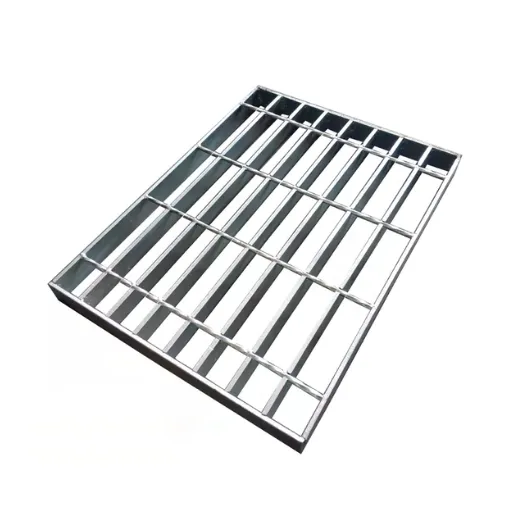
The galvanized grating is linked to numerous end-users and industries due to its characteristics such as strength, durability and resistance to corrosion. Listed below are the top five applications:
Industrial Flooring
Galvanized grating is mostly applied in large industrial buildings and manufacturing plants where the flooring must be durable, and the entire area support no-slip foot traffic. The open grid pattern allows the draining of water while bearing the heavy load, which is the reason why it is considered to be a very good option for platforms, walkways, and even mezzanines installations.
Drainage Covers and Grates
In the case of drains, the first thing that one thinks of is a material which will be not only very strong but also resistant to corrosion, therefore galvanization is the answer. It is a material that has been used widely in urban sewer systems, wastewater treatment plants etc. working as a barrier that prevents clogging and assures durability at the same time.
Bridges and Catwalks
Galvanized grating is used in the construction of pedestrian footbridges, catwalks, and raised platforms, as it can withstand extreme environmental conditions and still support heavy foot traffic. The anti-slip surface particularly offers safe passage.
Mining and Offshore Operations
The use of galvanized steel gratings is prevalent in the mining and oil industries for ramps, stairs, and containment zones. The material's ability to withstand high-humidity and corrosive environments helps ensure operational safety.
Security Fencing and Gates
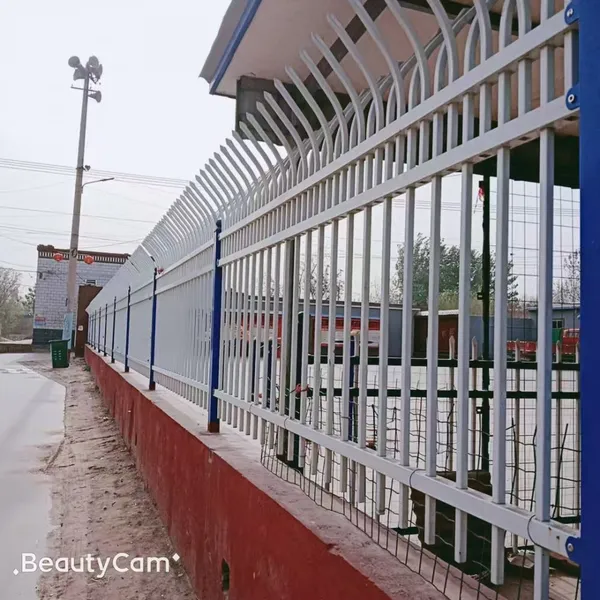
The weight of the galvanized grating is due to its use as a major component of security fencing and gating systems for sensitive areas. It allows the area to be hard-wearing and, at the same time, see-through, thus being suitable for installation in airports, industrial units, and even prisons.
These applications indicate that the galvanized grating is not only versatile but also a dependable choice even under harsh conditions.
Industrial Uses
Factory Walkways
Using galvanized grating as a walkway has become a general phenomenon in industrial factories where it is mainly used to offer a safe and durable surface for the workers. The anti-slip attribute helps prevent slips and falls, ensuring safety during operations, even in the presence of oil or water on the floor.
Loading Docks
The superior quality of galvanized grating, combined with its ability to carry heavier loads, has made its implantation in the loading docks area of warehouses and distribution centers unskippable. The grating material is durable enough to support not only forklifts but also various other types of industrial vehicles.
Drainage Covers
Manufacturing plants have always favored galvanized steel grating for making their drainage covers as it helps them in the speedy and effective control of water and waste. The grading allows for the flowing of the liquids while still keeping the non-visible structure safe even under the heavy pressure.
Petrochemical Plants
In petrochemical plants, the use of galvanized grating for the elevated platforms is a hundred percent safe even in very corrosive environments. Its resistance to both chemicals and moisture gives it the ability to last long thus, making it the best option.
Power Stations
Maintenance pathways and ventilation platforms in power stations incorporate galvanized grating that is a vital part of the system. Its dependability in extreme conditions is what makes it right for supporting the operational efficiency.
Commercial and Residential Applications
The application of galvanized grating is not limited to industrial settings; its commercial and residential use, along with its longevity and flexibility, is also essential, which is why it is ubiquitous. The following are the five paramount reasons:
Parking Lots and Garages
Galvanized grating is widely used in parking lots for drainage and ventilation. The great strength of grating will make it safe and last long, even with extremely heavy vehicular traffic.
Stair Treads
Galvanized grating is very typical and very safe material that is extensively used for stair treads in both commercial buildings and private houses mainly due to its slip-resistant surface which enhances safety and reduces maintenance costs.
Balconies and Walkways
Whether it is commercial or residential, balconies and walkways, galvanized grating provides a tough and low-maintenance flooring solution that can survive harsh weather while allowing proper air circulation and drainage.
Fencing and Partitions
Galvanized grating is sometimes seen as a fence or a partition in mixed residential/commercial or just commercial areas. Its modern look goes along with the strength that can provide security and privacy.
Drainage Systems
Galvanized grating is an excellent material to use as a cover for drainage systems in both commercial and residential buildings. The ability to resist corrosion and to handle large volumes of water effectively, makes it a perfect choice for this application.
Specialized Applications (e.g., Walkways, Drainage)
The galvanized grating material is extremely versatile and its application is not limited to around five areas. These five applications that follow will point out their major benefits:
Walkways and Pathways
One of the main areas where galvanized grating has been most applied is in walkways. Among all its characteristics, the most prominent ones are its durability and slip resistance. The open-grid structure helps by providing good drainage and reducing the risk of dirt and other materials accumulating.
Drainage Covers
Without doubt, the most suitable material for covering drainage systems in cities and industries is galvanized grating. The grates can take heavy loads and will still be in the same condition for a long time because of their corrosion resistance and, hence, they will survive in both wet and dry environments.
Platforms and Stair Treads
Hardly any industry or factory that uses galvanized grating does not make non-slip, safe platforms and stair treads. Its remarkable strength combined with its load-bearing capacity makes it ideal for the most crowded areas.
Catwalks and Elevated Structures
In warehouses, factories, and building sites, galvanized grating is preferred for the flooring of catwalks and elevated structures, as it gives the required strength and stability but at the same time allows the quick passing of air and water.
Industrial Flooring
Galvanized grating is the best choice for factory and production plant flooring that requires a sturdy, long-lasting surface, thanks to its strength, resilience, and anti-slip properties.
The aforementioned applications demonstrate the versatility and functionality of galvanized grating in both industrial and commercial settings.
Installation Tips for Galvanized Grating
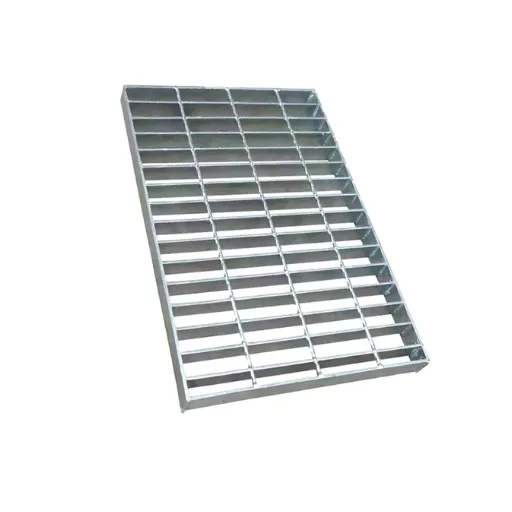
To keep galvanized grating in optimal condition and ensure it is not corroded or rejected due to poor installation, one should strictly follow the recommended practices and guidelines. Galvanized grating installation can be carried out in five different methods after going through the detailed suggestions provided below:
Assure Accurate Measurements
Begin with the exact dimensions so the grating fits precisely and there is no excess material. Right measurements automatically mean no adjustments during installation and also less waste material. Verify all dimensions again before moving on.
Decide on the Right Fastening Method
Select the appropriate fastening systems consisting of welds, clips, or bolts depending on the use. Clips are the most suitable for temporary installations as they are the easiest to take off while welding is strong and thus is-the-preferred-method-for-permanent-installations-with-high-weight-bearing-requirements.
Keep Proper Load Bearing Alignment
Align the bearings with the load direction to maximize strength and support. Misalignment not only reduces load-bearing capacity but also introduces safety risks.
Check for Support Structure Adequate
The surfaces on which the grating will be located must be inspected for levelness and a stable foundation. The main reason why grating lasts longer is proper support, as it prevents sagging, deformation, and early wear. The number of supports should be based on the load requirements of the grating.
Treat Cut Edges with Corrosion Protection
When the edges of the galvanized grating are cut or trimmed, then a zinc-rich coating or galvanizing spray should be applied to the exposed area which will ensure that the area is rust-free. This step is essential to prevent rust formation and extend the grating's lifespan.
Following these recommendations will make the installation of galvanized grating not only safe, and durable but also efficient in terms of the application.
Preparation and Planning
The project to install galvanized grating is one that necessitates proper readiness and scheduling, and thus, this submission shows a final installation process which is safe and effective. Once this is complete, it is worthwhile to note preparation and planning alongside installation.
Assess Project Requirements
The project requirements can be defined by factors such as load capacity, standard grating size, and, more importantly, the strictness of safety regulations set by local and international bodies such as OSHA and ISO. A load capacity of 300 lbs/sq. Ft. is typical for pedestrian grating, while in industrial applications it can be higher.
Conduct a Site Analysis
A detailed inspection of the installation site will be necessary to identify potential challenges caused by uneven ground, hard-to-reach areas, or grates installed in unsuitable environmental conditions. Harsh climates, such as those in coastal regions, may require specialized anti-corrosion protection, as salt exposure is the primary factor reducing metal lifespan.
Environmental and Safety Considerations
Recent industry statistics indicate that improper handling of materials or disregard for safety procedures are major causes of workplace accidents. Therefore, it is mandatory to equip workers with Personal Protective Equipment (PPE), including gloves, safety glasses, and reinforced footwear. This not only protects workers but also promotes a safe work environment.
Resource Allocation and Scheduling
Allocate labor, equipment, and materials precisely in line with project schedules. Studies have shown that the chances of success in projects with clearly defined milestones and resource planning are 20-30% higher than in those without comprehensive scheduling. It is advisable to use project management tools to monitor progress and reduce the risk of delays.
The combination of careful preparation and data-driven methods can deliver significant benefits when installing galvanized grating.
Tools and Materials Required
A quick, seamless installation of galvanized grating requires the right tools and materials. Hereby, we deliver you an exhaustive list that reflects the latest industry standards and the required equipment:
Measuring Tools: Using precision instruments, such as tape measures and laser distance meters, ensures accurate measurements. Experts estimate that by using accurate measuring, the percentage of installation errors can be decreased by even up to 25%.
Cutting Equipment: For the cutting of the metal, the best way is to consider the angle grinder or use metal saws with diamond-coated blades which would give clean and precise cuts. Recent trends recommend using cordless grinders to avoid movement limitations at workstations.
Fasteners and Anchors: Clips for anchoring, hold-down clamps, and screws made of corrosion-resistant materials should be used for the proper securing of grating. The research can be conducted using stainless steel fasteners, thereby increasing a structure's life by 30% compared to standard steel fasteners.
Protective Gear: It is a must that the OSHA standards are followed whereby all the safety helmets, gloves, goggles, and hearing protection will be provided to workers in case of accidents that occur due to the workplace.
Mechanical Lifting Equipment: Heavy grating panels, particularly those weighing more than 200 pounds, may require the use of tools such as forklifts, cranes, or hoists for their movement. Statistics suggest that overall productivity can increase by 40% with mechanical support.
Cleaning Supplies: Panels to be installed can be thoroughly cleaned and prepared using brushes, rags, and solvents that are specifically designed for metal surfaces. Thus, the panels will not only be kept up to the installation quality standards but their life will also be extended.
Installation Tools: Power drills, wrenches, and impact drivers for tightening bolts and drilling pilot holes as needed.
When you combine these tools and materials with precise techniques and planning, you can install galvanized grating safely and efficiently to modern quality standards.
Step-by-Step Installation Process
Preparation of the Site
Before installation begins, the surface must be cleared and leveled to ensure the work is performed safely and efficiently.
Measure and report the dimensions from the project drawing to show where the galvanized grating will be placed.
personal protective equipment (PPE) which includes gloves, goggles, and helmets should be prepared as it is a requirement according to safety rules.
Measurement and Marking
Carefully measure the installation area using a tape measure and the standard layout plan as a reference to obtain a precise alignment.
Chalk or markers can be used to mark the positions of the grating panels and supporting structures at even spacing.
Preparation of Grating Panels
Panels of galvanized grating should be inspected for sharp edges and warping before installation and these problems should be corrected.
The panels should be surface cleaned using a degreaser to remove oil, dust, and other contaminants. This also prepares the adhesive and eliminates corrosion.
Frame Installation
The base or the supporting frame should be mounted at the marked places. Framing generally consists of bearing bars or structural angles which securely hold the grating panels.
Before securing the frame to the floor with bolts or welding, use a spirit level to ensure it is straight and level.
Grating Panel Placement
The galvanized grating panels should be placed on the prepared frame carefully. The bearing bars should be positioned to span the supports for maximum load-bearing capacity.
If applicable, maintain the distance between the panels as specified in the project specifications or in industry standards (typically 6-10mm).
Securing the Panels
The grating panels should be fastened to the supporting frame by using stainless steel clamps or bolts. This will significantly reduce movement and improve the overall stability of the installation.
For areas with constant heavy traffic or that will be subjected to heavy loads, welded connections can be used to enhance durability.
Inspection and Adjustments
The installed grating must be thoroughly inspected to confirm it is in the correct position, the fixing is secure, and the gaps are uniform in size.
One method of testing stability is to press down at various points on the panel. If any movement or unevenness is found, make the necessary adjustments.
Final Cleaning and Quality Assurance
The installed grating surface must be free of dust, fingerprints, or any debris from installation tools. A very light spray of protective coating may also be applied to further resist corrosion.
To show that the installation complies with all the respective safety and quality standards (e.g., ISO 1461 for galvanized products), document the process by taking photos and completing a checklist.
Through this painstaking process, you can ensure not only the precise, long-lasting installation of galvanized grating panels but also that they meet industry standards and customer expectations.
Maintenance Practices for Galvanized Grating
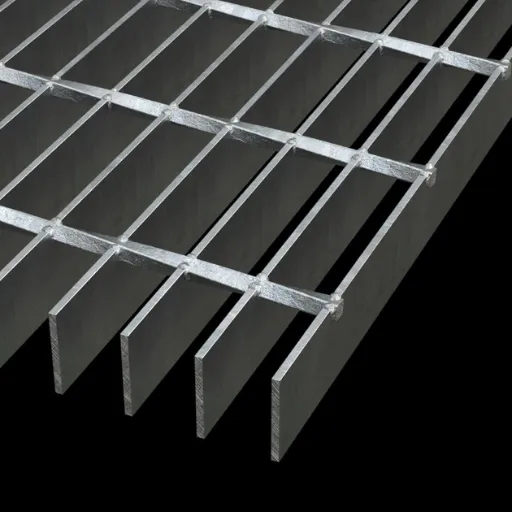
The service life of galvanized grating can be significantly extended with proper maintenance. Additionally, it will keep the grating performing at its best and withstand harsh environments without corroding. The following five maintenance practices should always be observed:
Regular Cleaning
The grating must be cleaned at set intervals to prevent the buildup of dirt, debris, and other contaminants. A combination of mild detergent and water would be ideal for cleaning the surface while harsh chemicals that might damage the galvanized coating should be avoided.
In very harsh, corrosive environments, cleaning must be performed at least every six months; otherwise, in other environments, once a year is acceptable.
Inspection of Damage
Damage detection should be part of the maintenance process and conducted frequently, with particular attention to scratches, dents, and peeling of the galvanized layer. Detecting damage early offers a significant advantage by enabling timely repairs and preventing further damage.
It is recommended that inspections be performed every three months.
Touching Up and Repairs
If the damage to the galvanized coating is minor, apply zinc-rich paint or a zinc-based repair compound to the affected area. Touch-ups shall be performed in accordance with ASTM A780 for the repair of galvanized coatings.
Measures Against Rust
Rust must be treated immediately if the galvanized coating is damaged. The affected areas should be cleaned and treated immediately to prevent corrosion from spreading.
Among other measures, applying a protective sealant can provide additional defense.
Water Accumulation Should No Longer Be Prolonged
Be on the lookout for water accumulating on or beneath the grating, as prolonged exposure to corroding moisture in contact with the metal surface is one of the fastest ways to cause corrosion. Verify that the drainage systems are functioning properly and can eliminate the risk of water being trapped.
The drainage system inspection should be conducted monthly.
When these maintenance practices are followed, not only will the galvanized grating maintain its strength and performance longer, but the need for costly repairs or replacements will be significantly reduced.
Regular Inspections
The durability of galvanized grating depends on periodic inspections. I consider it my duty to inspect the grating regularly for signs of wear, tear, or corrosion. Early detection of problems will allow me to provide solutions in a timely manner and prevent any further deterioration thus making sure that the grating is safe and functional all through its life cycle.
Cleaning and Care Tips
In summary, without proper cleaning and maintenance, galvanized grating will lose its lifespan and performance. The five ways that are really worth following are mentioned below.
Surface Regular Cleaning
The grating surface should be thoroughly cleaned of all dirt, debris, and other kinds of substances by a stiff-bristled brush or a pressure washer. The same cleaning should be performed every three months to prevent the formation of dirty layers that trap water and promote corrosion due to their moisture content.
Use of mild detergents
When a lot of cleaning is required, a mild detergent in water can be used to remove grease or hard-to-remove stains. Avoid using harsh chemicals or abrasive cleaners because they may harm the grating’s zinc coating.
Blockages Inspection
Inspect the locations where the air or water drains through the grating. It is wise to perform checks regularly to ensure that the area does not become a water trap and hence the wear or corrosion would not be quickened.
Protection from Scratches
Dragging heavy objects across the grating will scratch or damage the galvanized surface. The protective zinc layer might become less effective even with minor abrasions, making the grating more susceptible to rust.
Coating for protection
If the grating shows signs of wear or has exposed metal, applying zinc-rich paint or coating would restore the corrosion resistance of that area of grating. This juncture can significantly increase the lifespan of the grating if maintenance is done regularly.
Repairing Damaged Grating
Repairing the damaged grating is one of the major steps that can be taken to keep using it; besides this, the structural integrity will also be maintained, especially in industrial or high-traffic areas where it is used. Following are some of the latest and proper practices that have been executed in this field they contain detailed steps and considerations.
Inspection and assessment
At first carry out a very thorough testing of the grating and the extent of the damage should be stated. The main issues to be checked include broken welds, bent bars, and corroded parts. As you write down the conclusions it will help you determine the order of the repairs and the required actions. According to the latest industry reports, inadequate maintenance inspections are the cause of 75% of grating failures.
Material Replacement
In case there are parts of the grating that are beyond repair then it is advisable to take out those parts and replace them with new ones in a systematic way. This is done by removing the damaged section and either welding or bolting a new piece inits place. See that the new material has the same specifications as the old one including load-bearing capacity and corrosion resistance. It is best to use high-strength structural steel or galvanized steel to ensure lasting quality.
Straightening Bent Bars
Usually, bent bars are fixed with the help of specially designed tools like hydraulic presses, heat application, or a combination of both to reshape the metal. This should be done only if the bar's structural strength is not extremely compromised. Newer heat-treatment methods have been developed that are faster and safer for recovering slightly deformed grating.
Corrosion Repair
If the grating is installed in a corrosive environment, first clean all affected areas with a wire brush or sandblasting to remove any rust and debris. After this, apply a zinc-rich primer, then apply a protective coating to reduce the risk of further oxidation. Treated grating with the latest anti-corrosion coatings is said to last 3-5 times longer than untreated ones.
Strength Testing and Verification
The first step after repairs is to conduct a structural stability test on the grating. This may involve load testing or visual inspection to ensure that the repairs have met the safety standard. Depending on the specific application, consult the OSHA and ISO guidelines for the corresponding load requirements and the same applies for the capacity.
Regular Preventative Maintenance
If you have a maintenance program that includes regular inspections, cleanings, and protective recoating your future damages will be minimized. Experts believe that preventive maintenance can save maintenance costs up to 40% during the grating lifetime.
Following the safety and manufacturing practices will not only be an excellent advantage in extending the grating' life span but also in keeping the working area efficient and safe.
Frequently Asked Questions (FAQ)
What is bar grating and what features make it different from the rest of metal grating products?
Bar grating is a type of grating made of parallel bars mounted for support, with cross bars that join or weld the contact points, forming a panel that can support heavy loads. Through the former, an area can also be made with the heaviest loading and the clear span means the distance between supports that can be used without limitations. The bar thickness, spacing, and mesh type (e.g., 19w4 or 19-w-4 spacing options) determine brightness, the ease of water drainage, and how flooring will be comfortable for people walking on it. Grating comes in a variety of finishes including mill, hot dip galvanized, and powder coated black as an artistic and industrial coating for various applications.
What is the effect of welds or welded construction on the performance of a welded bar grating?
Welded constructions result in bar grating of fusion welded type characterized by strength and durability which are the main benefits and are intended for long service. Heavy and standard-duty welded bar grating are differentiated by the bearing bars' thickness and the cross bars' spacing. Weld quality affects load capacity, slip resistance, and the ability to support applications such as stair treads, walkways, factory floors, and railing infill panels. A critical installation factor is the determination of weld type along with deciding whether a hot-dipped galvanized finish is required after welding for the protection of carbon steel items against corrosion.
What does the term 19w4 or 19-w-4 spacing mean and in what case would I apply it?
The terms 19w4, 19w-4 spacing, or 19w4 spacing refer to the tight formation of grating where the bearing bars are separated by 19/16" on center with cross bars at 4" spacing (or by a similar name). This configuration gives much comfort to pedestrians and industrial usage is without doubt better load distribution; thus, it is often in place where light and drainage have to pass while at the same time traffic is controlled. If your project's grating product requires a specific bar spacing measured on center, ask your grating supplier for 19w4 or an equivalent to ensure the correct close-mesh series.
Can metal grating be hot-dipped galvanized and what benefits are there?
Metal grating, including carbon steel grating and heavy-duty welded bar grating, can be hot-dipped galvanized, thus providing a long-lasting corrosion-resistant finish. A very important function of the hot-dipped galvanized coating is to shield bearing bars and cross bars from outdoor, marine, or industrial environments thereby extending the life of stair treads, catwalks, and toeboards. Environmental weathering, including exposure to corrosive atmospheres, is a common reason galvanization is recommended for grating. galvanizing can either be done after fabrication or it can be specified before cutting for cut-to-size pieces.
How does the process of manufacturing affect the availability of unique features like serrated surfaces or cast abrasive nosing?
The fabrication and customization involve a process that requires the application of serrated carbon steel or serrated surface patterns which not only aesthetic the slip resistance for pedestrians but also for industrial uses, on the other hand, cast abrasive nosing is commonly incorporated into stair treads to compliance with the ADA and safety standards. You can specify heavy-duty or standard-duty, thick bar or i-bar styles, cut types, cut-to-size pieces, and any required toeboards or railing infill panels during the build. Discuss these requirements with your grating supplier to ensure the manufacturing process produces items that meet the project and application requirements.
What should I take into consideration when selecting bearing bars, cross bars, and the spacing between bars for heavy-duty applications?
Heavy-duty applications require the choice of bearing bars, cross bars, and bar spacing to be made very carefully because it is a very important declaration. Heavy-duty and heavy-duty welded configurations employ thicker bars and lower cross bar spacings to support heavier such as factory floors, large equipment platforms, and traffic of vehicles. The spacing of bars is measured on center; the relations of bearing bars next to each other and clear span refer to the distances in feet that panels can cross without support in between. Work together with a supplier to determine the load, span requirements and choose carbon steel, carbon steel grating or other materials that can handle the duty.
Is there any option for the fabrication of architectural metal grating and pedestrian catwalks?
Architectural applications often require specialized fabrication options, such as powder-coated black finishes, mill-finish aesthetics, rectangular bar profiles, or serrated patterns for safety. Common choices for pedestrian catwalks and railing infill panels include close-spaced grating, 19-w-4 spacing, and cut-to-size pieces. You may also ask for clinched construction types, welded construction, or cast abrasive nosing to ensure compliance with ADA or design standards. A grating supplier can provide not only the widest selection of items but can also help with setting any specifications for width and length, toeboards and mounting details.
How can I determine a good grating supplier and what information do I need to provide for a quotation?
The grating supplier you choose should have a long track record in carbon steel products, fabrication, and bar grating installation. Provide project or application details including the preferred material (carbon steel bar grating, stainless, etc.), type of grating product (standard-duty welded bar grating, heavy-duty welded), 19w4 or other bar spacing, and so on. Also, please specify load requirements, clear span, whether the items will be used in industrial or architectural applications, and any compliance requirements, so the supplier can recommend the appropriate bar grating product.
Recently Posted
-
Building a Security Fence: Your Guide to High-Security Solutions
February 5, 2026The security fence functions as the primary defense system of your commercial property, industrial site, and private estate becaus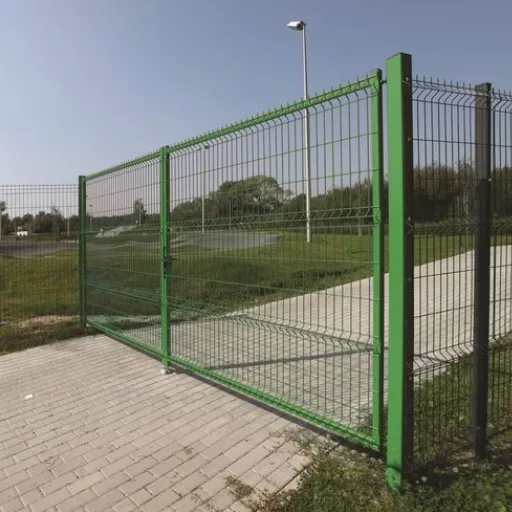 Read More
 -
How to Build a Security Fence: A Comprehensive Guide to Installing Chain Link Security Fences
February 4, 2026Constructing a security fence is an effective way to protect your property, define its boundaries, and enhance your privacy. The v Read More
 -
Iron Yard Fence: The Ultimate Guide to Wrought Iron Fencing for Your Garden
February 3, 2026The design of a garden fence goes beyond establishing property borders because it serves two main purposes by enhancing the visual Read More
 -
Cast Iron Garden Fence: The Ultimate Guide to Durable and Decorative Garden Edging
February 2, 2026The cast iron garden fence functions as a boundary that creates an everlasting combination of practical use and aesthetic beauty t Read More

Contact Us
Recommended Products
-
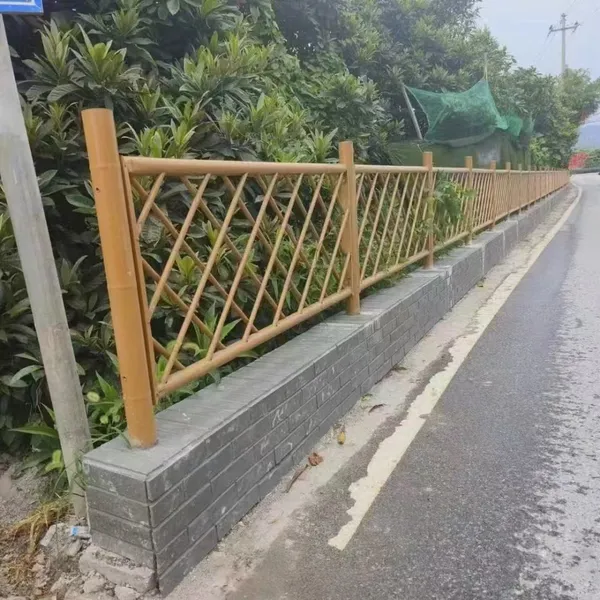
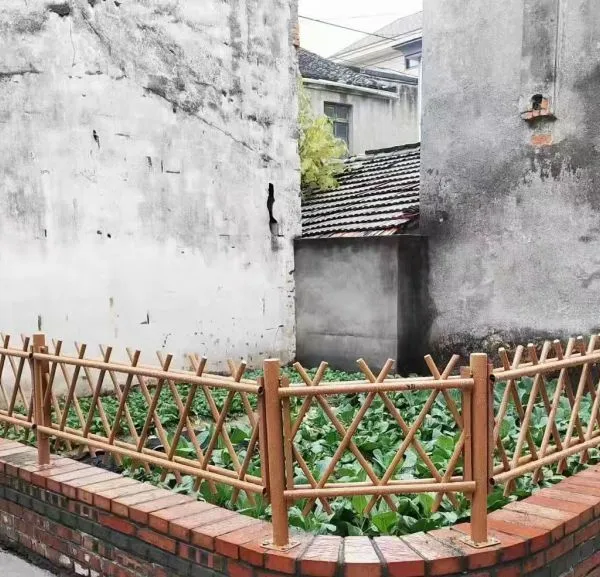
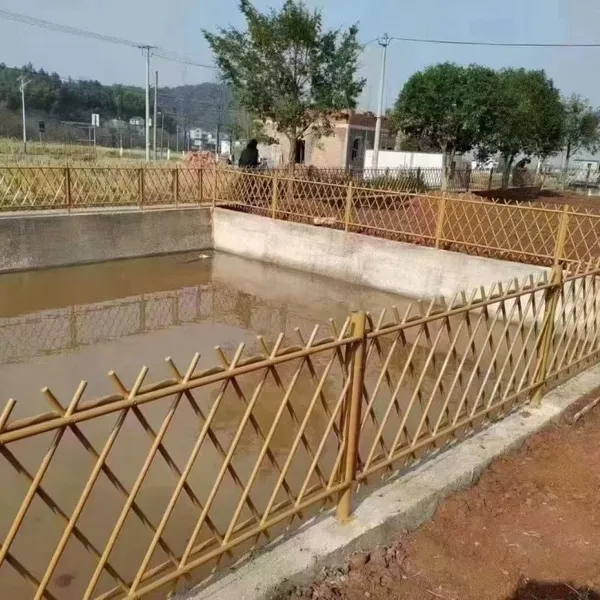
 Durable Imitation Bamboo Fence for High-Traffic Public SpacesNegotiableMOQ: 50 Square Meters
 -
Customizable Imitation Bamboo Fence With On-Site Measurement ServiceNegotiableMOQ: 50 Square Meters
-
Modular Imitation Bamboo Fence Panels for Quick InstallationNegotiableMOQ: 50 Square Meters
-
Imitation Bamboo Privacy Fence With Reinforced Aluminum BaseNegotiableMOQ: 50 Square Meters
-
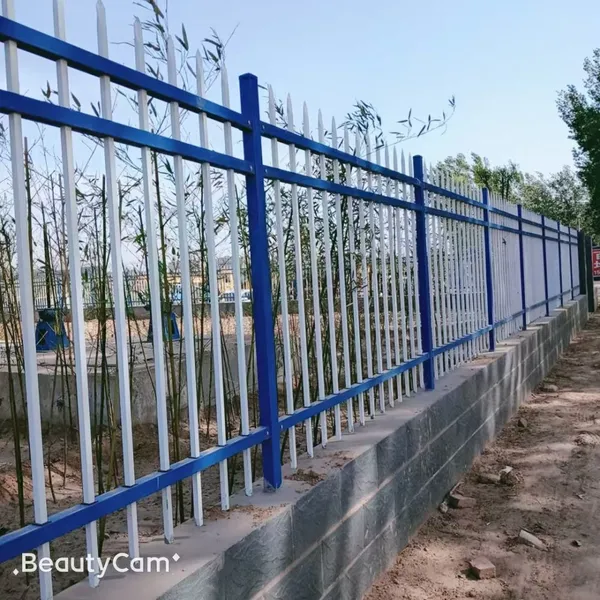
Commercial Grade Villa Fence for Real Estate Developments and Hotel Perimeter ApplicationsNegotiableMOQ: 10 Sets
-
Industrial Steel Grating Solutions for Oil and Gas Platforms, Compatible With Harsh ConditionsNegotiableMOQ: 10 Pieces
-
Basketball Court Fence 4M Height, Galvanized Steel Chain Link Mesh for Outdoor Sports Field PerimeterNegotiableMOQ: 50 Square Meters
-
Chain Link Basketball Court Fence Offering Anti-Rust Protection and Long-Term PerformanceNegotiableMOQ: 50 Square Meters
-
European Style Villa Fence Concrete Base Installation Courtyard Boundary WallNegotiableMOQ: 100 Square Meters
-
Galvanized Steel Villa Fence With Powder Coating for Superior Corrosion ResistanceNegotiableMOQ: 100 Square Meters
-
Powder-Coated Basketball Court Fencing With Weatherproof Finish for Long-Term Outdoor ApplicationNegotiableMOQ: 100 Square Meters
-
Powder Coated Wrought Iron Main Gate and Garden Fence for HousesNegotiableMOQ: 100 Square Meters
-
Elevate Your Garden With an Artistic Wrought Iron Garden Fence | Uniting Security & EleganceNegotiableMOQ: 100 Square Meters
-
Low-Maintenance Wrought Iron Garden Fence | Durable Powder-Coated Steel PicketsNegotiableMOQ: 100 Square Meters
-
Heavy-Duty Villa Fence: 10 Gauge Steel Construction With Powder Coating for DurabilityNegotiableMOQ: 10 Sets

-
Anti-Slip Steel Grating Panels for Enhanced Safety in Wet and Slippery Work AreasNegotiableMOQ: 10 Pieces
-
Steel Grating for Stair Treads and Catwalks in Commercial and Factory BuildingsNegotiableMOQ: 10 Pieces
-
High-Security Villa Fence With Lockable Gates and Weather-Resistant Finish for Home ProtectionNegotiableMOQ: 10 Sets
-
Galvanized Steel Basketball Enclosure Netting / Ball Containment System With Frame for Outdoor CourtsNegotiableMOQ: 50 Square Meters
-
Vinyl Coated Chain Link Fencing for Basketball, Pickleball & Tennis CourtsNegotiableMOQ: 500 Square Meters