
 Business License

Building the Perfect Home Basketball Court Fence: Benefits, Materials, and Installation Tips
For the ultimate home basketball court, the fence plays a critical role in its proper construction. An adequately designed court fence not only ensures the safety of players and bystanders by containing the game but also offers myriad advantages, such as privacy, durability, and the beauty of your garden. A good fence gives you the freedom to use and enjoy your court without worrying about its visual aspect, even if you are only an occasional player or a highly competitive athlete. The blog will be highlighting basketball court fence installation advantages, talking about the most suitable materials for fencing, and giving helpful advice for installation so you can set up the perfect court. Get ready to turn your backyard court into a pro-level playing field! Find more info now.
Introduction to Home Basketball Court Fencing
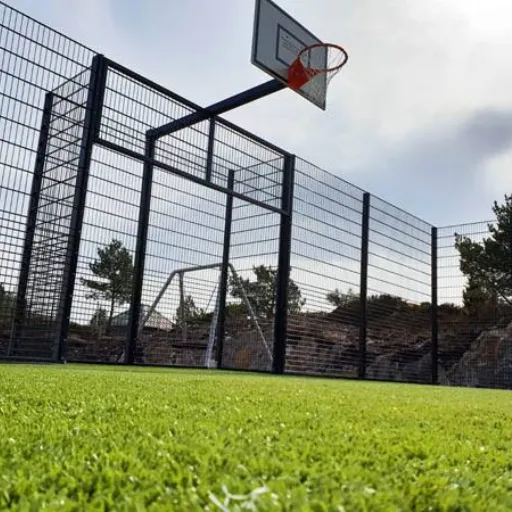
A home basketball court fence offers many advantages that enhance safety and functionality. Basically, it stops balls from leaving the court area, thus decreasing the risk of accidents and saving the time that would have otherwise been spent retrieving the balls. Moreover, fences create a clear boundary that keeps the court organized and defines the restricted area. They also serve to safeguard adjacent properties and gardens from damage during the games. Choosing the correct type of fence, be it chain link or durable vinyl, guarantees a long-lasting product with little or no maintenance. All these aspects make the basketball court fence a must-have for a fun and effective basketball play.
Importance of a Fence for Your Basketball Court
Safety: A fence around a basketball court is a safety measure that not only helps contain the ball on the court but also prevents hesitant or accidental chasing into neighboring streets or properties, which may lead to accidents or injuries. It has been reported that barriers can lower the rate of sports-related accidents by as much as 30% in some cases.
Organization: Installing a fence around the court neatly marks off the area; thus, players and referees will have no problem knowing where the playing area is and will not get confused during a game.
Property Protection: The fence prevents the ball from hitting and damaging neighbors' property, such as windows, gardens, or parked cars. This is particularly significant in areas with a lot of homes since disputes and repair costs are less when the damage is accidental and minor.
Enhanced Privacy: If the courts are within a private residence or recreational facility, the fence not only enhances privacy but also isolates the players from disturbances, thus, creating a more relaxed atmosphere for them to play and also making the games less influenced by external factors.
Durability and Low Maintenance: Contemporary fence materials like chain link and vinyl have been developed to endure extreme weather conditions; hence, the lifespan of such fences is very long. They would not need much maintenance, and this would not only save time but also eliminate the expenditure of money while at the same time quality service is given year after year.
Overview of Basketball Court Fencing Options
Selecting the right basketball court fencing requires careful consideration of materials and designs that balance functionality and aesthetics. In this article, we break down the fencing options that have gained the most popularity and discuss their characteristics, advantages, and disadvantages:
Chain-Link Fencing
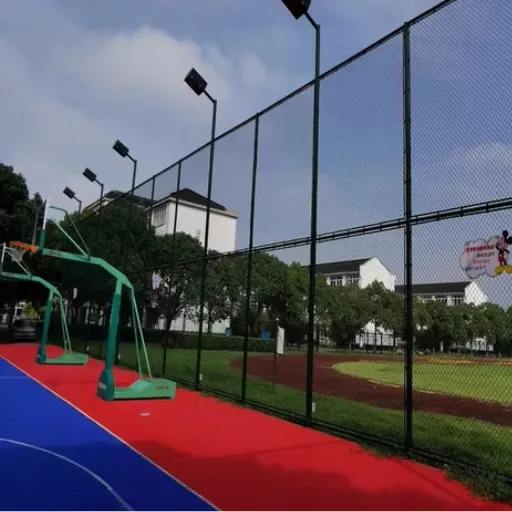
Details: Among all types of fencing, chain-link is the most prevalent for basketball courts because of its strength, low cost, and ease of installation. The fences are generally made from galvanized or coated steel, which is non-corrosive and environmentally damage-resistant.
Advantages:
Great for large spaces due to its low cost.
Game obstruction-free viewing by spectators through the invisible configuration of the mesh.
Highly sturdy, can endure the impact of a ball or player falling on it.
Disadvantages:
Not as visually appealing, maybe, as their counterparts.
When unsupervised for a long time, coatings might peel off and expose steel for rusting if the corrosion is not treated.
Estimated Costs (per linear foot): $7 to $20, which varies by material quality and coatings.
Lifespan: 15 to 20 years with the right upkeep.
Vinyl Fencing
Details: Vinyl fences are increasingly accepted in public or recreational areas because they are attractive, low-maintenance, and weather-resistant. They can also be tinted and styled to go along with the surrounding area.
Advantages:
Unbelievably strong and will not break or change color even in the most extreme conditions.
Only need very little care, usually just washing from time to time.
Gives sports complexes an immaculate, professional vibe.
Disadvantages:
Higher costs to start with than chain-link fencing.
Less transparent which can affect how much spectators watch.
Estimated Costs (per linear foot): $20 to $40.
Lifespan: 30 years with almost no maintenance needed.
Welded Wire Mesh Fencing
Details: Tough wires are used to make welded wire mesh fences that are very secure and are usually used in professional or highly populated court settings.
Advantages:
Impenetrable and can take a lot of hits.
Gives a modern, clean look.
Security is assured due to the built-in non-flexible, rigid design.
Disadvantages:
Laborious and expensive process for installing.
Coatings needed to be applied for rust protection after a certain period.
Estimated Costs (per linear foot): $12 to $30.
Lifespan: Roughly 20 to 25 years with typical upkeep.
Wooden Fencing
Details: If the basketball is played in residential or private areas, wooden fences can give a classic and neat look although they are not the typical choice for basketball courts.
Advantages:
Offers isolation and less sound from matches.
Aesthetic value that harmonizes with nature.
Disadvantages:
Roasting from the weather after storms or sun requires fencing to be treated or stained regularly.
Fencing will not last as long as metal or vinyl in harsh environments.
Estimated Costs (per linear foot): $10 to $30, which is determined according to the type of wood used.
Lifespan: Usually 10 to 15 years based on maintenance.
Polypropylene or Fabric Mesh Fencing
Details: These are lightweight options and made up of synthetic fabrics which are usually seen in temporary or portable courts.
Advantages:
Economic and fast installation.
If necessary, it will serve as a respite from the wind and sun.
Perfect for setups that are not meant for permanence.
Disadvantages:
Not as tough as the permanent-type fencing materials.
Not so secure and the impact resistance is limited.
Estimated Costs (per linear foot): $5 to $15.
Lifespan: 5 to 10 years depending on the weather.
Deciding the Right Fencing for Your Court
While selecting the fencing for basketball courts, weigh considerations such as budget, longevity, safety, and the intended activities. Chain-link fencing is typically the most sensible and cost-effective, while vinyl and welded wire mesh fencing address more aesthetic and security concerns. A proper setup and frequent checks will keep the fencing strong in both safety and functionality for years.
Benefits of Installing a Basketball Court Fence
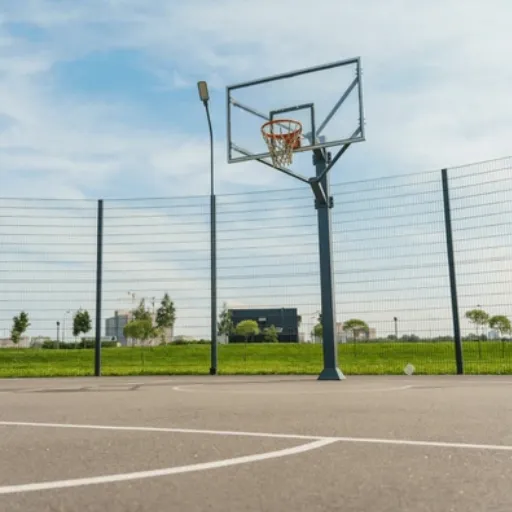
Enhanced Safety
The fence around the basketball court makes sure that the ball does not go out of the play area thus minimizing the risks of it going into the traffic or any other dangerous places. It also prevents the balls from getting into the audience while the game is going on so the audience remains safe.
Improved Security
The fence acts as a wall that keeps out the trespassers and protects the court from damage, stealing, or the like things done during the night. This method of keeping the court has a long-lasting effect.
Better Game Flow
The players will give their full attention to the game without having to run after the ball all the time, resulting in improved match flow and enjoyment. This is particularly the case in competitive or practice situations.
Reduced Noise Disturbance
A properly installed fence can provide a barrier to the noise and sound produced during the games that would otherwise disturb the neighbors but it still would create a more pleasant atmosphere for the surrounding area.
Longevity of the Court
A fence plays a part in the court's longevity as it keeps the area out of damage, and it is an investment that will repay you in the long term by not having to pay for repairs or resurfacing yet.
Enhanced Safety and Containment
Installing a fence around a court or sports area is a vital step to improve safety and containment. Below are five particular advantages which show its necessity:
Preventing Unauthorized Access
The fence serves as a barrier to prevent unauthorized persons from accessing the court, thereby minimizing the risk of accidents or misuse of the facility.
Protection Against Stray Balls
An intelligently designed fence keeps the balls in the court, thereby reducing the risk of injury to players and avoiding game interruptions.
Improved Traffic Management
Fences not only demarcate the playing area but also regulate the movement of people and keep spectators in designated areas, making the environment for players and onlookers safe.
Enhanced Child and Pet Safety
Fencing is a good step toward safety, as it keeps young children and pets out of active play areas, thus reducing the accident rate.
Weather Protection for Equipment
Some fences with windscreen panels, for instance, protect against the wind and thus help extend the life of court equipment and create a smooth playing environment.
Increased Privacy for Your Outdoor Court
The installation of a fence around the outdoor court will provide a great deal of privacy for the players, thereby enabling them to concentrate on their game without being disturbed. Recent statistics reveal that privacy is a major concern for both homeowners and governments when considering the opening of recreational facilities. The use of high-quality fencing, such as wooden panels, chain-link fences with privacy slats, or composite materials, will ensure that no one can see or enter the court area. The privacy-enhancing measures not only contribute to the overall user experience but also to the property being sold for a higher price as in the case of fenced outdoor spaces that could even be sold for up to 10% more than the original value. Moreover, in the case of courts situated in the middle of a densely populated area or city, the privacy fence acts as a barrier to both noise and sight, thereby helping to create a tranquil and focused playing environment. With these measures, the court area will be secure and pleasant for everyone to use.
Improved Aesthetics and Property Value
Investing in privacy and design upgrades not only creates a safe, practical environment but also significantly enhances your property's appearance and value. Below are five essential points and supporting statistics that prove how these enhancements at the same time contribute to aesthetics and property value:
Enhanced Curb Appeal - The presence of a well-maintained privacy fence or a beautifully landscaped area can give your property a more upscale appearance during shipping and receiving, making it very attractive to potential buyers or tenants.
Higher Resale Value - According to real estate market trends, properties with lovely outdoor features, such as fenced courts or landscaped gardens, can sell for 10%-15% more than those without them.
Harmonized Design - When privacy measures like lattice fences or hedges are designed to match the existing architectural style, the upgrades will seamlessly blend with the overall property aesthetic.
Improved Functionality - Upgrades that are functional, such as noise-reducing fences and shade-providing structures, increase the usability of outdoor spaces, and this is widely regarded as a significant feature for modern buyers.
Long-Term Durability - The use of high-quality materials such as treated wood, vinyl, or composite for privacy features not only gives a polished look but also lasts for decades thus reducing the need for frequent repairs and further adding value.
Key Considerations When Choosing Your Basketball Court Fence
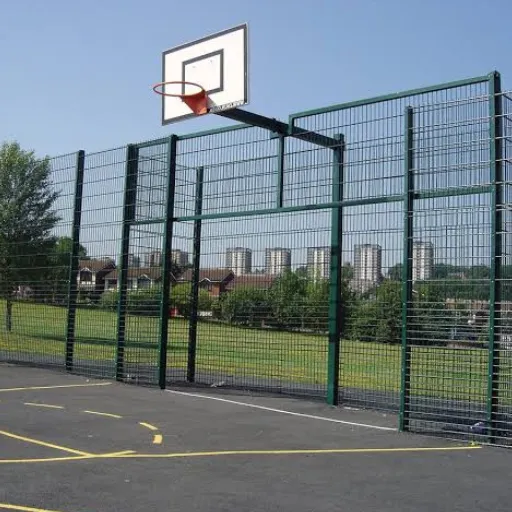
To ensure the fence you choose for your basketball court is the right one, consider several factors first. The main ones are functionality, durability, and aesthetic value. Below are five main factors to help you choose:
Material Selection
The material you are going to use must be one that requires little maintenance and is highly durable. Choices, such as chain-link, vinyl, or steel, will give you the longest-lasting performance, along with treated wood, giving you a more natural aesthetic appeal. It is said that chain-link is one of the most commonly chosen types of fencing and can last up to 20 years if properly maintained.
Height and Size
The height of the fence has a direct impact on safety during play as well as on how much basketballs will go out of the court. Usually, basketball court fences are between 10 and 12 feet tall. Make sure the height and court dimensions conform to local zoning restrictions.
Weather Resistance
Consider the climate in your area and choose fencing materials that resist weather conditions, such as rain, UV light, and snow. For instance, galvanized steel or vinyl-coated materials not only resist rust but also fading, thereby prolonging the lifespan of the fence.
Safety Features
Injuries during play can be avoided by making a basketball court fence with smooth edges and solid construction. Padded posts or the installation of protective railings can also help safety for players and spectators alike.
Aesthetic Appeal and Customization
The fence should not only function well but also blend in with the overall appearance of your sports facility or garden. A lot of manufacturers provide options for customization such as the application of color coatings, making decorative patterns, and adding features like windscreen attachments to improve privacy and appearance.
Selecting the Right Fence Material: Chain Link vs. Custom Options
The selection of the most suitable fencing material for a sports facility or backyard, in particular, depends on several factors, such as durability, aesthetics, maintenance, and cost. Below, five essential factors that will help in the comparison between chain link fencing and custom options are listed:
Durability and Strength
Chain Link: Extremely durable and resistant to the unfavorable conditions of the weather. Perfect for high-impact sports areas.
Custom Options: Metals like aluminum or steel can be as strong as that but woods or vinyls may need extra protection or treatments to last long.
Cost-Effectiveness
Chain Link: More often than not, a cheaper option to custom fences thus making it a good deal for large spaces.
Custom Options: Material and design are the two factors that determine the price and, most of the time, this kind of fencing means a higher initial investment.
Maintenance Requirements
Chain Link: Practically no maintenance is needed; sometimes washing and rust prevention are more than enough.
Custom Options: Depending on the material used, maintenance may include repainting, sealing, or regular inspections to detect wear and tear.
Aesthetic Appeal
Chain Link: The look of a chain link fence is very functional but it can be made more appealing through color coatings or windscreens.
Custom Options: Custom fencing not only provides the designer with great flexibility in design and materials but also allows them to specify unique, eye-catching settings.
Privacy and Security
Chain Link: A basic level of security is provided, but since the fence is not very private, it will be an insecure place unless enhanced with slats or windscreens for privacy.
Custom Options: Can be designed to incorporate solid panels or patterns for heightened privacy and security.
By thoroughly contemplating the factors as mentioned earlier, a fencing material can be chosen that will satisfy the requirements of the project both functionally and aesthetically.
Design Considerations for Optimal Functionality
The design of a fence that is to work at its best must consider the four aspects of durability, privacy, aesthetics, and cost-effectiveness as their equal parts. Each project will specify its own conditions, and by understanding current trends and practical statistics, a personalized solution will be achieved.
Material Selection: Different materials greatly affect the fence's design. For example, vinyl fencing has become the most popular material because of its durability and maintenance-free feature of lasting up to 30 years with a little care. However, wood fences, although traditional and stylish, need to be treated more frequently to prevent the effects of time on their appearance and strength.
The use of composite fencing has risen by 5% annually due to its environmental friendliness and greater durability compared to pure wood.
Wind Resistance and Stability Wind resistance is one of the main concerns in fence design and that is particularly true in areas with strong winds. Among different types, metal fences made of wrought iron or chain link give strong resistance and durability in such places. However, fence designs made of solid materials, such as wood and vinyl, may require reinforced posts or additional bracing. According to the American Fence Association (AFA), it is important to use steel-reinforced posts when building a fence taller than six feet for ensuring stability.
Climate Adaptation The weather conditions of a place will always govern the choice of materials. Vinyl and aluminum are very good for wet, humid climates, as they are resistant to both rust and rot. On the other hand, treated wood is perfect for dry or mild areas. Studies conducted have indicated that poorly chosen materials can cause a 15-20% increase in the decay rate of fences in moist areas.
Height and Spacing Regulation Compliance Do not just go building a fence without checking the local zoning laws and spacing requirements. For example, many cities set a six-foot limit on privacy fence height, while decorative options for front yards are limited to four feet. A custom design may include features like a lattice or decorative toppers that would still make the fence compliant while also making it more attractive.
Integration of Technology: Smart fences are becoming popular; features like built-in motion sensors, smart locks, and security cameras are being added. There has been a considerable surge in searches for "smart outdoor security solutions" in the last three years according to Google Trends data, which is a clear indication of the growing interest among consumers. The tech not only enhances functionality but also secures the property.
Cost Efficiency Coming from a financial angle, the initial cost has to be compared with the maintenance and replacement in the long run. Chain-link fences cost around $10-$20 per linear foot while high-end materials like wrought iron or glass panels can go as high as $50-$100 per linear foot. Newer materials like composites help to balance these costs since they have a longer life and at the same time, maintenance costs are low.
The most important of all is the approach of considering these aspects and aligning with the latest industry standards to create fences that are not only useful but also aesthetically pleasing, secure, and durable. It will be planning that is done properly that will result in solving both the immediate and long-term needs.
Installation Tips for Your Basketball Court Fence
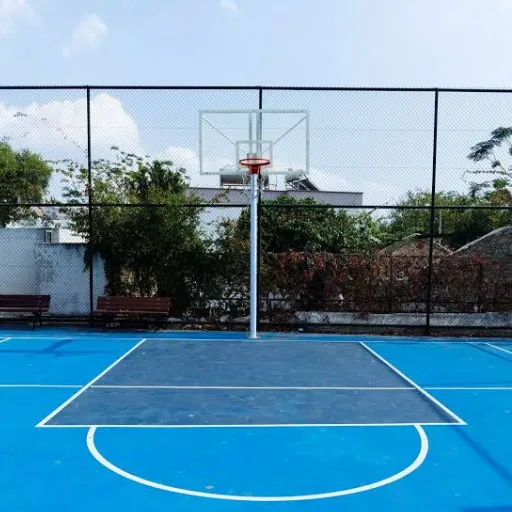
The installation of a basketball court fence is a project that requires utmost care in order to satisfy safety, functionality, and durability concerns. Below are five recommendations that will lead the installation process:
Identify the Correct Fence Height
The basketball court fences are typically 10 to 16 feet high to keep the ball on the court. Consider the court's location and purpose when choosing the best height.
Select the Strongest Materials
Use materials that are hard to break like chain link, welded wire, or vinyl-coated mesh for strong resistance against heavy impacts and bad weather. For example, galvanized steel chain link fencing is a great option because it offers the highest strength and is also rust-resistant.
Make Sure Post Foundations Are Stable
Post holes must be at least 24-36 inches deep and be secured with concrete. This guarantees post strength even in windy areas or during the most intense play.
Consider Gates and Accessibility in the Planning Stage
Gate locations should be chosen so that it is most convenient to reach the court. The gates should be wide enough—36 inches or more is the standard—to allow easy entry for the equipment that is needed for maintenance or repairs.
Correct Spacing Is Important
The fence should be placed at least 3 feet from the court's boundary line to provide safety space, and to reduce the risk of a player being injured in a sudden move; thus, the standard minimum distance would be 3 feet from the boundary line.
You can have a basketball court fence that is both high-performing and durable if you follow these suggestions.
Pre-Installation Planning and Site Preparation
The key to ensuring the basketball court fence you build is both effective and durable is proper planning and site preparation. The following are the detailed steps and considerations supported by data for this phase:
Survey the Area and Assess Local Regulations
The first step is to survey the area where a fence will be installed. Check the property lines to determine whether there are any underground utilities that could pose a threat during installation, and take the necessary measures to prevent them. Examine the local zoning and permit laws as many places require special permits for fencing projects. Data supported by Google indicates that for fence permits, the average time taken for processing can be anything between 1 week and 3 weeks depending on the area.
Measure and Mark the Perimeter
The dimensions of the court should be measured accurately and the location of the fence marked. A regulation basketball court for professional play usually measures 94 feet by 50 feet, while a high school court is 84 feet by 50 feet, with the same width. Additionally, you should allow for 3 to 10 feet of fencing area and safety clearance zones beyond the court’s sidelines, depending on the specific needs and available space.
Choose Appropriate Fencing Materials
Find the best materials for your fence, considering durability and environmental suitability. A common choice is chain-link fence coated with vinyl for rust resistance plus steel or aluminum for strength. A chain-link fence installation has recently been estimated to cost between $10 and $20 per linear foot while premium materials like aluminum or composite fencing are priced between $25 and $40 per linear foot.
Prepare the Ground for Installation
The site must be cleared for the fence installation to go smoothly. Clear the area of any debris, rocks, or vegetation. Depending on the make-up of the soil, you might have to stabilize it so that the fence posts do not shift over time. For instance, concrete footings may be necessary to ensure the fence’s stability in areas with soft or sandy soils. The standard depth for the fence posts is usually between 24 and 36 inches, and some projects may require that the footings be deeper than that for extra support.
Anticipate Drainage Needs
Good drainage is an essential factor that keeps water from building up at the fence's base, which might erode or damage it over a long time. To keep water flowing or to allow it to infiltrate easily, you can use either sloped or drain tile installation. If concrete footings are the option, make a provision for space and slope to direct water away naturally.
By recognizing these factors in the pre-installation and planning phase, you will be in a position to not only achieve success in but also to maintain the basketball court fence for a longer period of time, thus complying with the latest best practices and industry standards.
Step-by-Step Installation Guide
Planning and Measurement
Firstly, get the exact measurements of the basketball court and sketch out the location where the fence will go. The standard sizes of basketball courts are usually 50 feet by 84 feet for high school and 50 feet by 94 feet for pro courts. Check if there is proper space around the court for the fence, particularly if a safety buffer zone is needed. Properly mark where the fence posts are going to be with the help of stakes and string lines for straight alignment.
Selecting Materials
Depending on your budget, durability desired, and aesthetics, choose the right fence materials. For instance, chain link fences are a basketball court favorite because they are not only affordable but also strong and impervious to heavy use. Better to select rustproof materials like galvanized or vinyl-coated steel for your outdoors installations as they will survive the elements.
Post Installation
Use a post hole digger or an auger for digging the post holes. As a rule of thumb, holes should be 36-48 inches deep or below the frost line to ensure stability and prevent movement. Unless otherwise stated in the manufacturer instructions, posts should be spaced 8 to 10 feet apart. To make the posts more durable, fill the hole with concrete and let it set for 24-48 hours before attaching the fence material. Confirm that the posts are level and evenly spaced.
Attaching the Fence Panels or Chain Link
After the posts have been put in place attach the fencing material. For chain link, the first step is to unroll the fence fabric and then use tension bars and ties to attach the fabric to the posts. Make sure the fence is tightly stretched so that it doesn’t sag. For panel fences, panels should be securely attached to posts per the manufacturer’s instructions, and weatherproof fasteners should be used to maximize longevity.
Adding Gate(s)
Place access gates in the most appropriate places such as the main entrances or exits to the basketball court. The gates should harmonize with the fence line and be wide enough to allow easy access. Heavy-duty hinges and latches should be used to ensure secure and smooth gate operation. Moreover, gates should be designed in accordance with local regulations, particularly if vehicles or maintenance equipment will access them.
Final Adjustments and Inspection
A complete inspection is to be done after the fence installation to check on its stability, alignment and other structural integrity factors. Check that all fasteners are tight and that there are no sharp edges or points that might pose a safety hazard. Clear the area and dispose of any remaining debris. Finally, test the fencing and gates to ensure they operate as they should.
Additional Tips Based on Google Search Findings
Height Recommendations: Basketball court fence heights vary; 10-12 feet is the most common height to keep balls from leaving the playing area. If it is a professional or high-traffic court, then customizing the heights for more safety and ball control is advisable.
Drainage considerations: Along the fence line, set up a good drainage system, for instance, digging gravel trenches or laying perforated pipes, to keep water from accumulating or the soil being washed away around the base of the fence.
Weatherproof Coating: According to Google resources, applying weatherproof coatings to metal fences will significantly prolong their lifespan, thereby reducing maintenance costs.
By implementing these step-by-step instructions and including the best practices you can be assured of having a strong, lasting basketball court fence that meets the requirements for utility and appearance at the same time.
Common Mistakes to Avoid During Installation
Incorrect Post Spacing: Not installing posts at the required spacing can lead to a weak, faulty fence. Between-decked posts may cause the fence to sag and even get crushed under the pressure, while too close spacing may incur costs in materials and time spent on construction. Make sure the spacing used is in accordance with the guidelines set, which usually is 8 to 10 feet apart for the majority of basketball court fences.
Using Substandard Materials: The selection of poor-quality materials just for the sake of lowering the cost may result in a rapid fence deterioration due to external conditions. For example, untreated metal may rust in as little as one to two years in tropical very humid climates. The wise thing to do is to always buy high-quality, weather-resistant materials like galvanized steel or powder-coated aluminum, which will last longer.
Neglecting Foundation Preparation: The bad ground preparation for fence posts often leads to instability. If not enough digging is done and concrete bases are not used, posts are likely to move or tilt over time, especially in strong winds or during frequent hits during basketball games. It is essential to dig the foundations deep enough, usually about 2 to 3 feet, depending on the condition of the soil.
Skipping Tension Wire Installation: Installing tension wire at the bottom of chain-link fences is sometimes forgotten. This error can cause the fence to appear loose or create unwanted gaps at the base, negatively affecting both its functionality and overall appearance. Tension wires keep the fence tight and safe.
Failure to Account for Drainage: Failing to account for drainage around the fence area can lead to soil erosion, water pooling, and, ultimately, an unstable fence. Having drainage systems installed or simply making sure the ground is slightly sloped can keep these problems at bay. Ignoring this factor might mean that the structure will have problems sooner than later and will eventually cost more in terms of repair.
Maintenance Tips for Your Basketball Court Fence
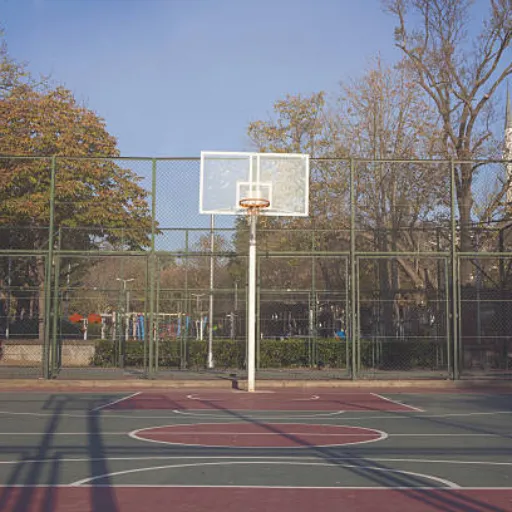
To keep your basketball court fence in good condition and working properly, proper maintenance is essential. Here are five critical maintenance tips for you to follow that will allow your fence to work well:
Regular Cleaning: Fence dirt, debris, and grime can accumulate on your fence over the years, leading to either wear and tear or corrosion (in the case of metal fences). Do regular cleaning of the fence with a soft brush, mild soap, and water to maintain its appearance and structural integrity.
Inspect for Damage: Conduct regular inspections to monitor loose screws, bent posts, or broken mesh. Taking care of minor problems right away can prevent them from becoming major structural issues.
Lubricate Moving Parts: If your fence has gates or hinges, make sure they receive the right amount of lubrication to prevent rust and facilitate smooth movement. Use a silicone-based lubricant and apply it as needed.
Monitor for Rust or Corrosion: Fences made of metal are likely to rust if not taking care of. Look for any signs of rust or corrosion, and apply a rust-resistant coating or paint as needed to extend the fence's lifespan.
Trim Nearby Vegetation: Blocking plants and tree branches can not only harm the fence but also exert an unwelcome force on its structure. Hence, it is advisable to regularly trim and clear up the vegetation around the fence to keep it stress-free.
If all these practices are a part of your routine, you will surely extend the life of your basketball court fence and make it safe and functional for the next years to come.
Regular Inspections and Upkeep
To ensure the safety and functionality of my basketball court fence, regular inspections and maintenance are necessary. I inspect the fence constantly and look for any signs of deterioration, rust, or damage. In case I find any problems, I immediately fix them by either repairing or replacing the damaged area and applying the necessary protective coating. Because I am proactive, I keep the fence in excellent condition and it continues to serve its purpose effectively.
Cleaning and Repair Techniques
To keep the basketball court fence in perfect condition, it is necessary to use proper cleaning and repair methods. The following lines list five methods to enhance the strength and the quality of the fence:
Regular Cleaning with Water and Mild Detergent
Hose down or use a pressure washer to wash away all dirt, debris, and grime the fence has collected over time. To clean the spots that are stubborn, mix water with a mild detergent, so that the detergent is not harmful to the material. Make it especially once every two months to do the cleaning.
Rust Removal
For metal fences, rust inspection should be done regularly. Sand down the rusty spots and apply a rust-inhibiting primer followed by a protective coat of paint to prevent further corrosion.
Tightening Loose Fittings
Screws, bolts, and any other parts should be checked for looseness. They should be tightened right away to keep the fence strong and prevent problems from weak connections.
Replacing Damaged Materials
Inspect the panels, chain links, and posts for broken or bent areas. Timely replacement of the damaged parts is necessary for the fence to remain safe and secure.
Applying Protective Coatings
Wooden and metal fences can be coated with protective coatings such as weatherproofing paint, sealants, etc., on an annual basis that not only shield the fence but also add a protective layer against the wear caused by environmental factors like rain, and sun, and even snow.
Seasonal Considerations for Outdoor Fences
The proper maintenance according to the season will help ensure the outdoor fences last long and remain in good condition. The following are five points for each season with specifics: cleaning and inspection during spring, weatherproofing in summer, preparation for winter in fall, damage prevention in winter and pest control throughout the year.
Spring Cleaning and Inspections
Get rid of the dirt, debris, and mold that gathered during winter.
Look for cracks, rust, or insect damage since thawing soil and moisture from spring can lead to structural problems.
Quickly take of the repair of minor damages to stop their spreading.
Summer Weatherproofing
Use UV-resistant treatments or weatherproof paints to protect the fence from sun damage and fading.
Cut down the plants close to the fence so that the wood does not get rot or the metal rusts being wet for a long time without drying.
Make sure that the gates and hinges are lubricated because the heat can make the metal parts expand.
Fall Preparations for Winter
Remove the leaves and clean up the area around the fence posts to avoid water gathering.
Reapply the seal on the wooden fences to protect against snow and ice.
Tighten any loose fittings or fasteners in order to get ready for the strong winds and storms.
Winter Damage Prevention
Do not place snow against the fence since it can put a lot of pressure and cause warping or breaking.
Around the fence use salt substitutes to not only avoid rusting but also on the wooden surfaces.
Monitor for ice to build snow and handle any bending or sagging due to its weight.
Year-Round Pest Management
Look out for termites, carpenter ants, or mice that can eat the wooden fences.
For metal fences check that there are no holes or places where the pests can hide or the ground is soft underneath for them to burrow.
Use pest repellents, such as natural ones or traps, to keep the pest population in check throughout the year.
Frequently Asked Questions (FAQ)
What is the purpose of a basketball court fence and its significance?
fence is a perimeter separating the court from the exterior area; hence, it adds security for players while at the same time preventing the ball from rolling off the court. It also adds value to this sporting activity outdoors by opening up an extra dimension of play given that the area is secure and well-lighted for games.
What are ways to personalize an outdoor basketball court fence?
Outdoor basketball court fence can be personalized via the selection of such materials as chain link or mesh, height setting, and the installation of gates for easy access among the features added. Personalization offers you a novel appearance that fits into the design of your yard while still guaranteeing strength and security.
What is the size limitation for a residential basketball court fence?
Usually, the size limit for a residential basketball court fence is determined by the court's dimensions. For a full-sized court, a height of 10 to 12 feet will be optimum for no balls to get out of the court area hence a fence of that height is recommended. If a half-court setup is in place a lower fence may be enough but still it should not be lower than 6 feet which is the minimum height for keeping the ball trapped in the court area.
Are there any particular types of materials that are suggested for fences around residential basketball courts?
Definitely, durable chain-link fences or nylon mesh are the highest-quality materials recommended for fencing around a residential basketball court. These materials not only provide security but also are resistant to weather conditions and the impact of basketballs thus providing a long-lasting solution for your outdoor sports courts.
What improvements can be made to basketball court fence using accessories?
Accessories like backstop nets, lighting, and gates can improve a basketball court fence which is already outdoors. The nets will keep the ball on the court, while lighting will make it possible to play in the evening thanks to increased visibility. Gates give easy access to the playing area which is one of the aspects that improve the overall functionality of your basketball setup.
In what way does court fencing add to the aesthetic of my backyard?
Well-designed court fencing can significantly enhance your backyard's aesthetic by giving the court a polished appearance. You can select hues and materials that harmonize with your house's exterior and landscaping, creating an appealing, cohesive environment for sports and recreation.
Can I put up a basketball court fence on my own?
Yes, a do-it-yourself installation of a basketball court fence is possible with the necessary tools and expertise. The DIY method's fecundity is a common reason homeowners choose this route. It is vital to strictly adhere to the fencing installation rules to ensure the fence is both secure and compliant with local regulations.
What are the main security advantages of basketball court fences?
Ball court enclosures are essential for player security, as they create an area that prevents unauthorized entry and keeps the ball from rolling out of bounds. This enclosed area serves not only as a protector of the players but also as an interruptor of the game if it is not managed correctly, hence controlling the integrity of the game.
When deciding on a basketball court fence, what aspects should be the most important?
When selecting a basketball court fence, consider factors such as the fence's height and material, the overall design, resistance to wear and tear, and how well it blends with your backyard's landscape. Also consider the functionality it provides for containing the ball and securing players.
Recently Posted
-
Building a Security Fence: Your Guide to High-Security Solutions
February 5, 2026The security fence functions as the primary defense system of your commercial property, industrial site, and private estate becaus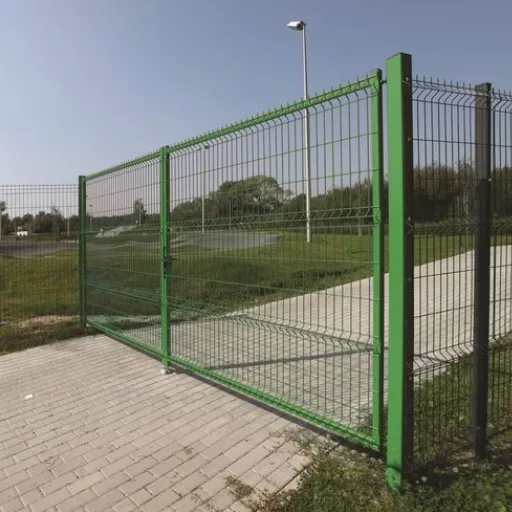 Read More
 -
How to Build a Security Fence: A Comprehensive Guide to Installing Chain Link Security Fences
February 4, 2026Constructing a security fence is an effective way to protect your property, define its boundaries, and enhance your privacy. The v Read More
 -
Iron Yard Fence: The Ultimate Guide to Wrought Iron Fencing for Your Garden
February 3, 2026The design of a garden fence goes beyond establishing property borders because it serves two main purposes by enhancing the visual Read More
 -
Cast Iron Garden Fence: The Ultimate Guide to Durable and Decorative Garden Edging
February 2, 2026The cast iron garden fence functions as a boundary that creates an everlasting combination of practical use and aesthetic beauty t Read More

Contact Us
Recommended Products
-
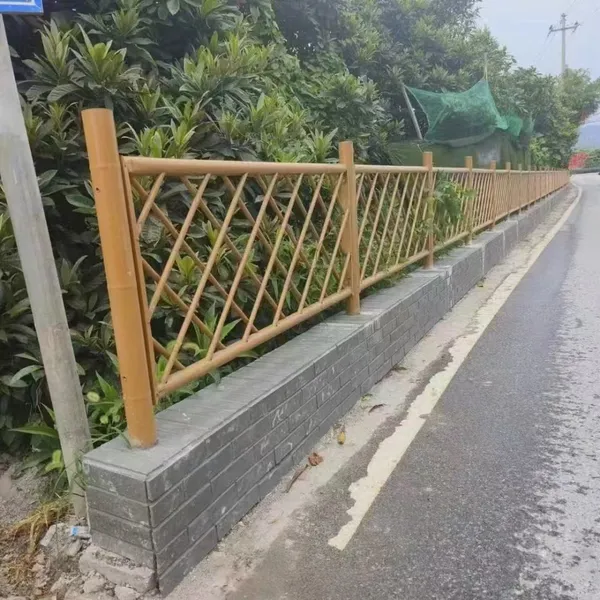
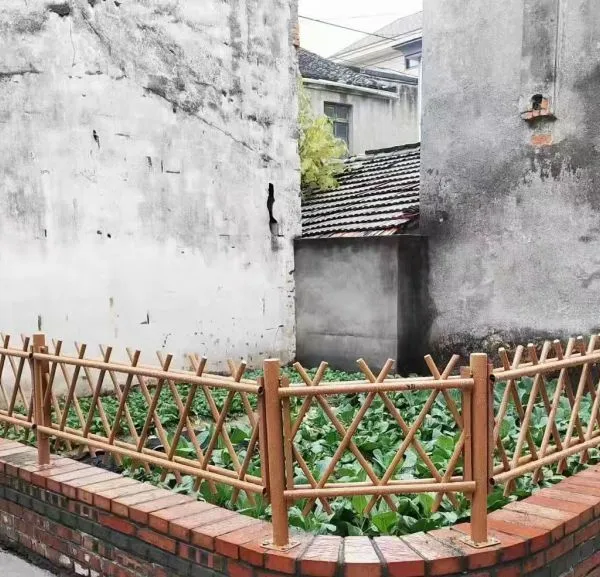
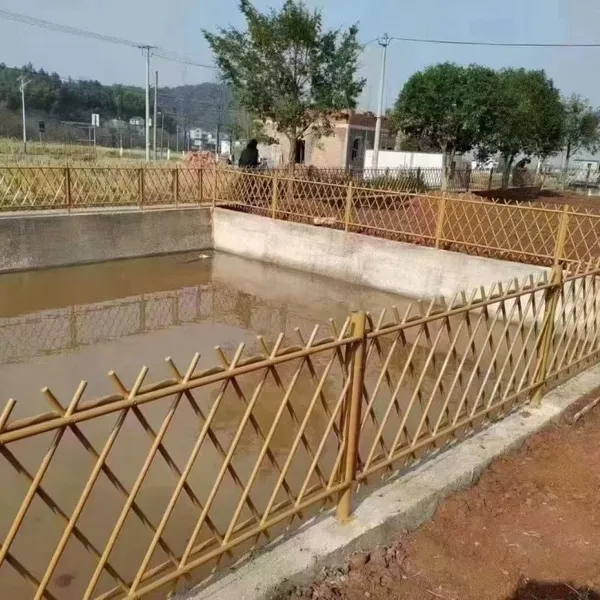
 Durable Imitation Bamboo Fence for High-Traffic Public SpacesNegotiableMOQ: 50 Square Meters
 -
Customizable Imitation Bamboo Fence With On-Site Measurement ServiceNegotiableMOQ: 50 Square Meters
-
Modular Imitation Bamboo Fence Panels for Quick InstallationNegotiableMOQ: 50 Square Meters
-
Imitation Bamboo Privacy Fence With Reinforced Aluminum BaseNegotiableMOQ: 50 Square Meters
-
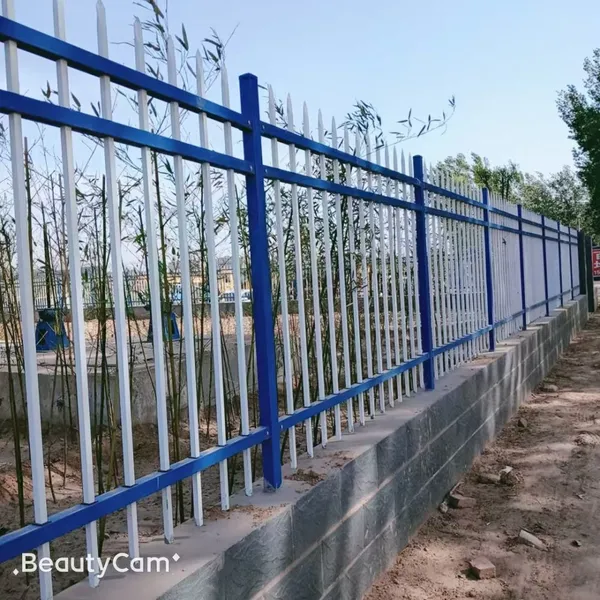
Commercial Grade Villa Fence for Real Estate Developments and Hotel Perimeter ApplicationsNegotiableMOQ: 10 Sets
-
Industrial Steel Grating Solutions for Oil and Gas Platforms, Compatible With Harsh ConditionsNegotiableMOQ: 10 Pieces
-
Basketball Court Fence 4M Height, Galvanized Steel Chain Link Mesh for Outdoor Sports Field PerimeterNegotiableMOQ: 50 Square Meters
-
Chain Link Basketball Court Fence Offering Anti-Rust Protection and Long-Term PerformanceNegotiableMOQ: 50 Square Meters
-
European Style Villa Fence Concrete Base Installation Courtyard Boundary WallNegotiableMOQ: 100 Square Meters
-
Galvanized Steel Villa Fence With Powder Coating for Superior Corrosion ResistanceNegotiableMOQ: 100 Square Meters
-
Powder-Coated Basketball Court Fencing With Weatherproof Finish for Long-Term Outdoor ApplicationNegotiableMOQ: 100 Square Meters
-
Powder Coated Wrought Iron Main Gate and Garden Fence for HousesNegotiableMOQ: 100 Square Meters
-
Elevate Your Garden With an Artistic Wrought Iron Garden Fence | Uniting Security & EleganceNegotiableMOQ: 100 Square Meters
-
Low-Maintenance Wrought Iron Garden Fence | Durable Powder-Coated Steel PicketsNegotiableMOQ: 100 Square Meters
-
Heavy-Duty Villa Fence: 10 Gauge Steel Construction With Powder Coating for DurabilityNegotiableMOQ: 10 Sets

-
Anti-Slip Steel Grating Panels for Enhanced Safety in Wet and Slippery Work AreasNegotiableMOQ: 10 Pieces
-
Steel Grating for Stair Treads and Catwalks in Commercial and Factory BuildingsNegotiableMOQ: 10 Pieces
-
High-Security Villa Fence With Lockable Gates and Weather-Resistant Finish for Home ProtectionNegotiableMOQ: 10 Sets
-
Galvanized Steel Basketball Enclosure Netting / Ball Containment System With Frame for Outdoor CourtsNegotiableMOQ: 50 Square Meters
-
Vinyl Coated Chain Link Fencing for Basketball, Pickleball & Tennis CourtsNegotiableMOQ: 500 Square Meters