
 Business License

Basketball Court Fence Design: Choosing the Right Fence for Your Outdoor Court
The correct fence, in outdoor basketball court design, is no longer a mere boundary but an integral part that enhances the court's utility, protection, and charm. In case you are a serious athlete, a school official, or a recreation center manager, the eventual fence you pick may change the whole picture of the court that meets your special requirements. We will discuss how to choose a basketball court fence by considering key factors, including material options, durability, design, and maintenance. Along with that, you will undoubtedly know how to select a secure, stylish, and playable court, as well as the decision-making process that works best for you. Find more info now.
Introduction to Basketball Court Fencing
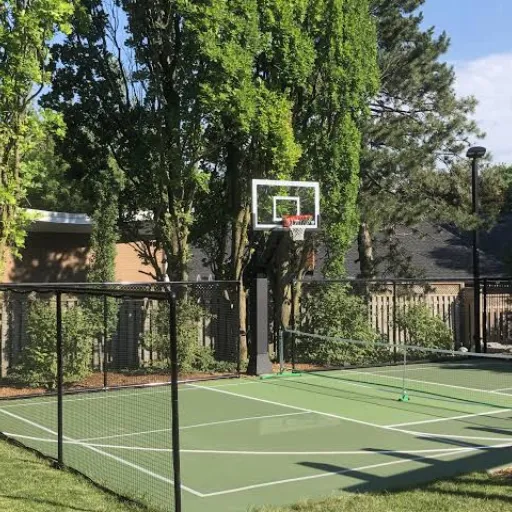
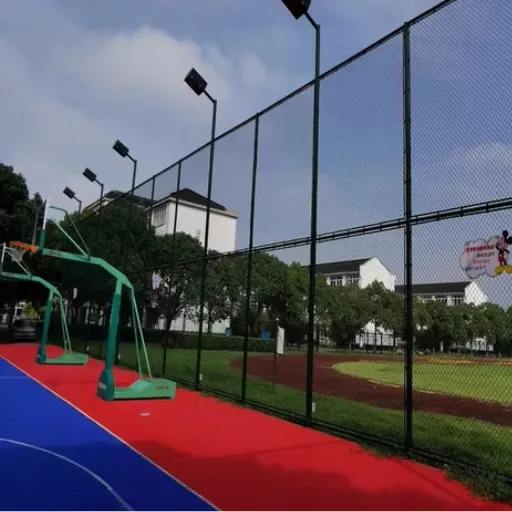
Basketball court fencing comes into the picture as the most critical aspect of safety, marking boundaries and keeping the area safe. The right fence keeps balls in the court, provides security for players and the closest area, and reduces the risk of property loss outside the court. There are several options for fencing material, such as chain link, welded wire and mesh, all being strong and durable but with different degrees of visibility. The choice of fence will be influenced by playing frequency, environmental factors, and budget, ensuring the wall meets both practical and aesthetic requirements.
Importance of Fence Design for a Basketball Court
An intelligent fencing plan is one of the most important things for a basketball court being used properly and safely. Besides, it guarantees the safest place for players, provides the entire court to them, and also provides security for the entire area. Below are five critical factors that together bring out the necessity of a good fence around a basketball court:
Protection and Security
A strong fence not only separates the players from the audience but also protects them. It keeps unauthorized persons out and, at the same time, reduces the risk of injuries and accidents caused by murky balls or outside interference.
Ball Control
The court is fenced so the ball stays in it, ensuring play will not be interrupted. This will help prevent the ball from damaging nearby property or becoming a danger to pedestrians.
Resilience in Tough Conditions
The best quality materials like chain link or welded wire, for example, can take the beating of tough weather, namely rain, wind, and snow so that the fence will last longer and the owner will not have to spend much on its repair and upkeep.
Improved Access
An ideal fence has gates at the right spots; it allows quick access for players, maintenance staff, and visitors while ensuring the area remains secure.
Looks
Surrounding it, an adequately designed fence adds to the aesthetic value of a basketball court. Materials and finishes can be tailored to maintain the fence's proximity to the local environment or to match specific design preferences.
A fence around a basketball court is built addressing the above factors, it is not only functional but also aesthetic, and it is the one that supports both the players and the community's needs.
Benefits of Having a Proper Court Fence
Enhanced Safety
The tennis court fence, constructed with strong materials, serves as a barrier that prevents stray balls from leaving the designated playing area. Also, the wall can reduce the likelihood of accidents involving players, spectators, or indeed anyone nearby. Thus, it creates a safe place for everybody.
Improved Game Focus
The presence of a fence allows the players to keep their attention solely on the game, without being disturbed by external interference or the need to retrieve runaway balls. Thus, the gameplay quality is further improved.
Crowd Management
One of the functions of fences is to help control the audience by clearly indicating where the court ends and where people are allowed to be, thus keeping them at a safe distance. This is particularly important during competitive events, as it allows the game to proceed without interruptions and reduces the noise from the crowd to a minimum.
Durability and Weather Protection
If properly built, fences will be able to endure the most severe and extreme weather conditions and they will last for a long time. Besides that, they will also serve as protection for the court against external factors like debris and strong winds that could hinder its functioning.
Property Value Increase
Incorporating a good quality court fence not only improves the visual aspect but also increases the functionality of the basketball court which in turn can lead to an increase in the property value. This is a feature that attracts the most to community spaces, schools, or residential complexes.
Overview of Current Trends in Fence Design
Modern designs for fencing around basketball courts aim to blend the three major aspects—functionality, durability, and aesthetics. The trending way nowadays is the use of modular fencing systems. The system is easily designed and decides how big it is to equip different sizes and shapes of courts. Recent market research indicates a significant increase in demand for modular fences, with a projected compound annual growth rate (CAGR) of about 5.6% in the global sports fencing market from 2023 to 2030.
Along with modular fences, high-tensile wire and mesh are also trends customers are requesting. Besides being very strong, the materials last long making them ideal for areas with high impact. UV-resistant coatings are also often applied to them to make the materials last longer and look good. For example, a study states that powder-coated fences have a lifespan up to 30% longer than those painted with traditional paint.
Sustainability also plays a role in the new fencing solutions. The use of eco-friendly materials like recycled metals, and composite materials is part of the company’s commitment to reducing environmental impact while keeping performance high. Moreover, smart technology integration has climbed the ladder of popularity for the use of technologies such as sensors and access controls, which are increasingly becoming a part of fencing solutions. These features not only enhance security but also make remote property management more convenient for owners.
Aesthetic customization through color options and branding is another trend gaining ground in court fence design. Sports facilities through the incorporation of custom logos, colors, and designs to reflect their identity are not just creating a sense of ownership but also bringing about professionalism.
All these advancements prove that modern court fences not only ensure safety and durability across the entire range but also deliver value-added features that enhance the user experience.
Key Factors to Consider in Fence Design
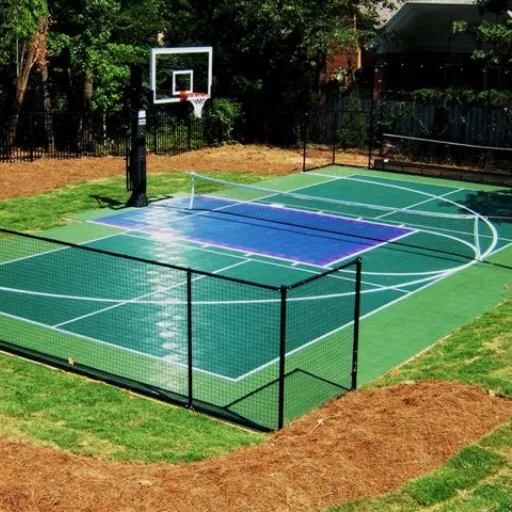
Key factors need to be explored when
a court fence is being designed to secure its functionality, durability, and aesthetic appeal. The use of the latest trends and data will allow property owners and designers to to make decisions based on the right balance of safety, performance, and visual identity.
Material Selection
The fence's material is one of the most critical factors in determining its lifespan and resistance to extreme weather. Chain-link fences are among the most popular choices for their affordability and long life; however, vinyl-coated steel or aluminum offer not only better weather resistance but also an attractive appearance. According to the industry experts, galvanized steel is one of the most durable options available; it can last up to 50 years if properly maintained.
Height and Visibility
The height of a court fence is an essential factor that not only secures the area but also provides the best sight for the audience and the players. For instance, tennis courts usually have fences ranging from 10 to 12 feet high so that no balls escape and at the same time the spectators can see the action. It has been noted that clear-view fencing systems, which consist of long-lasting, non-obscuring mesh, are becoming increasingly popular due to their blend of safety and aesthetics.
Wind and Weather Resistance
The weather has a significant impact on a fence's life. Wind-resistant construction, such as upgraded poles and sloped barriers, is necessary in areas with strong winds. At the same time, rust-resistant paints and UV-stable materials are the ways to go when you want to be sure of not having the fence degraded by rain and sun and thus no more life span to it. Research shows that the use of powder-coated finishes can result in an average increase of 30–40% in a fence's lifespan, which is why it is regarded as a win-win investment.
Aesthetic Integration
Contemporary court fencing balances aesthetics and functionality. Some fencing with logos of the facility, team colors, or custom artwork are among the most recognizable ways. A recent survey found a 25% increase in the use of fences for branding, as property owners are more concerned with maintaining a consistent visual identity for their facilities.
Safety and Compliance
Padded fence posts and proper gap spacing are among the safety features that can drastically reduce accidental collisions resulting in injuries. Assurance of compliance with local codes and sports-specific standards, such as those provided by the International Tennis Federation (ITF) or comparable authorities, is necessary for continuing functional integrity and legal compliance.
By focusing on the factors mentioned above and employing the most state-of-the-art innovations and the latest industry insights, property owners can install court fences that are not only high-performing but also user-friendly.
Height Requirements for Safety and Containment
In the first place, the height of court fences is critical for no one but the safety and control of activities in the sports area. As per industry standards and guidelines, the most common height for sports court fencing, namely tennis court fencing, ranges from 10 to 12 feet (3 to 3.6 meters). This height, so to speak, acts as a barrier against balls leaving the court while still minimizing interference with neighboring areas or people just passing by.
For sports with a higher ball speed or more possibility of the ball going higher, like basketball or pickleball, it might be necessary to have higher fences. For instance, it is not unusual to find fences as high as 16 feet (4.8 meters) in places where ball trajectories are often an issue, such as at the back of tennis courts.
It is also essential to pay attention to local building codes and sports-specific standards when determining fence height. The local government may have strict regulations based mainly on environmental factors, such as distance from residential areas or public places. Besides that, the choice of materials and the structure should withstand local climatic conditions, as strong winds may frequently exert significant pressure on tall fences.
By customizing the fence heights to the sport's requirements and complying with the regulations, the operators of the sports facilities can make it very safe, secure and usable in the best way possible.
Choosing the Right Material for Durability
Choosing the right material for a sports fence is a crucial step if one is looking for a long-lasting fence that performs well, is safe, and requires very little maintenance. Environmental conditions, how often the area will be used, and the budget are the main factors in choosing the right fence material. Below are the five materials that are widely used with their features:
Steel
Steel is the strongest and most durable fencing material. It can be used in high-traffic areas or in extreme weather conditions due to its great strength. Galvanized or powder-coated steel will not rust or corrode, significantly increasing its lifespan. With proper care, steel fences can last around 20-30 years.
Aluminum
Aluminum is lightweight but still strong and it is a good choice because of its resistance against rust and corrosion. In fact, it is a great choice in coastal areas where fences may be subjected to salty air. Aluminum fences are almost maintenance-free and can keep looking good for about 15 to 20 years.
Vinyl
For people looking for a low-maintenance alternative, vinyl fencing is a great selection. It is moistureproof, does not shrink in size or change color. Though it is not as durable as metal options, vinyl is absolutely perfect for light wear and tear situations and it can be in use for 30 years if properly taken care of.
Wood
Wood fences are classic and beautiful, giving a warm, inviting look, but they require constant attention to prevent rot, insect damage, and weather-related damage. Pressure-treated wood or the naturally resistant species such as cedar or redwood usually last 10-15 years when sealed and cared for properly.
Chain Link
Chain link fences are quite inexpensive yet practical in sports facilities where visibility and ventilation are essential. When the chain link is coated with vinyl or galvanized zinc, its life span is extended and corrosion is prevented. These fencing systems can endure for about 15-20 years with regular maintenance.
With careful consideration of the pros and cons of these materials, facility owners can choose materials that align with their specific operational and environmental demands and thus achieve both functionality and longevity.
Tailoring Designs to Fit Your Outdoor Space
The most important thing to do when choosing the designs for your outdoor area is to find that perfect spot where the three factors mentioned: aesthetics, practicality, and the environment's influence come together. First, check the size and shape of your outdoor area. In limited spaces, designs that make use of vertical space, such as garden walls or compact seating plans, are the way to go, as they take up less space. The latest trends show that modular outdoor furniture has won over many people due to its flexibility of being rearranged according to the occasion.
The choice of materials is one of the most crucial factors in determining how long and how well a certain product will serve its purpose. Open-air areas fully exposed to changing weather conditions would most benefit from weather-resistant materials such as treated wood, aluminum, and composite decking, as environmental factors like moisture, UV rays, etc will not damage them. Recent research indicates that the lifespan of composite decking is more than 25 years with very little maintenance required, while natural wood, on the other hand, will repeatedly require treatments to remain sustained and strong.
Besides this, incorporating environmentally friendly features into outdoor designs is becoming increasingly popular. The use of eco-friendly products, such as solar-powered lights and rainwater collection systems hidden among the plants, is gaining widespread acceptance in the market. According to industry reports, outdoor solar lights can reduce annual electricity bills by up to 20%, making them not only a green but also an economical choice.
The combination of furniture, materials, and eco-friendly features, tailored to personal preferences, turns outdoor areas into customized getaways that effectively communicate style, functionality, and environmental care.
Top Materials for Durability and Aesthetics
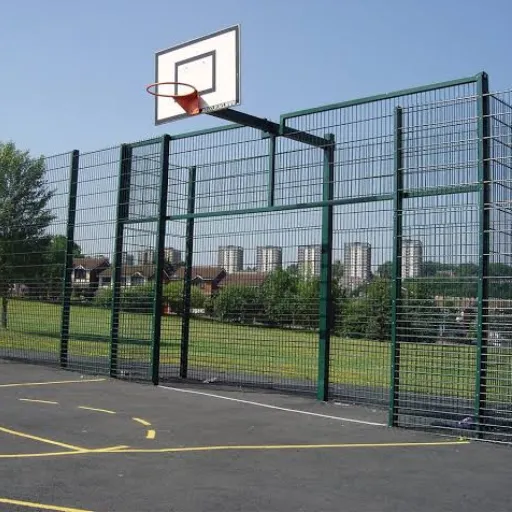
In the course of outdoor area design, the choice of materials can not only determine longevity but also the space's beauty. The following are some of the best materials that are famous now for their performance and look:
1. Natural Stone
Natural stone like granite, limestone, or slate is the most preferred option for patios, sidewalks, and retaining walls across generations. Among all, granite is most appreciated for its ability to withstand extreme weather and heavy traffic. Recent research indicates that properly maintained granite can last an extraordinary 50 years. Additionally, the limitless textures and colors of natural stone make the outdoor area visually appealing in an upscale manner.
2. Composite Decking
Composite decking is made by combining recycled wood fibers and plastic and has established itself as a low-maintenance, sustainable solution. The industry report clearly indicates that the life expectancy of composite decking on average is between 25 to 30 years with no frequent stains or seals thus being not only a durable but also a cost-effective long-term option. The rot-, fading-, and insect-damage resistance give composite materials a very long, good-looking lifespan.
3. Treated Timber
Pressure-treated wood is still a favorite for outdoor structures such as decks and fences. It is designed to withstand spoilage, insects, and rot, and, in addition, the wood often contains eco-friendly, non-toxic preservatives that reduce its environmental impact. Treatment wood records report 20 to 40 years of life for timber buildings based on the outdoor conditions and maintenance done.
4. Porcelain Pavers
Porcelain pavers have become popular in outdoor areas for their elegance, durability, and non-porous nature. Unlike some natural stones, porcelain is resistant to staining, slippage, cracking, and freeze-thaw cycles. Based on the source of the manufacturers, porcelain pavers can stand up to forty years of continuous use without having to change its original beauty.
5. Weather-Resistant Metal
Metal like aluminum, stainless steel, and powder-coated steel are most commonly used for outdoor furnishings and structures. Among the metals mentioned, aluminum is the most durable, as it is light, rustproof, and thus requires less maintenance. However, stainless steel is not only strong but also has a modern sleek look, so it is a matter of choice. Studies indicate that powder-coated metal furniture can have a functional life of 15 years, with its coating withstanding various weather conditions.
6. Recycled Materials
Getting used materials like reclaimed wood and recycled plastic is a good practice and at the same time, they are durable. Reclaimed wood, for instance, gives a rustic look overall and at the same time, it lessens the cutting of new trees. On the other hand, recycled plastic is primarily used in garden furniture and decking, and some products have a lifespan of over 20 years.
If wisely managed, these materials will enable homeowners to turn their yards into areas not only fashionable and welcoming but also enduring and timeless.
Chain-Link Fencing: A Popular Choice
Chain-link fencing has been and still is a top choice for both residential and commercial fencing. The sum of its advantages—its low price, its being long-lasting and its not requiring much care—makes it a rational choice for keeping properties safe. The most recent numbers say that a chain-link fence can be from $8 to $18 per linear foot, depending basically on the height of the fence and whether galvanized or vinyl-coated options are used as the type of coating.
It is hard to think of anything that could surpass the mighty chain-link fence in terms of its strength, durability, and other properties. As it consists of steel wires that are interwoven, the fence is capable of taking extreme weather conditions all the time whilst giving off the building of security around the property. Specialists in this field forecast that the life span of a contemporary chain-link fence can be up to 15-20 years with almost no maintenance if high-quality materials are being used.
Moreover, the use of chain-link fences has no limitations. Privacy slats or windscreen fabric can be used to customize the fence according to one’s desire, thus making it not only functional but aesthetically pleasing as well. In the past, the vinyl-coated chain-link fences have gained more popularity, among the colors available are black and green which not only help to camouflage with surrounding plants but also give extra protection against rust and corrosion.
Chain-link fencing remains a continuously developing field where security and sustainability come hand in hand when cost-effective and customizable design options are presented.
Wood vs. Metal Fencing Options
Choosing between wood and metal fencing is a tough decision. To make the right choice, it’s very important to consider the unique features, benefits, and drawbacks of each material. The two materials are not only different in their looks but also in their lifespan and upkeep, thus they can serve different needs. Here are five main points you should keep in mind while weighing wood and metal fencing:
Durability
Wood: Properly maintained, a wood fence can have a lifespan of up to 15-20 years. However, it may fall victim to bugs, rot, and inclement weather. Proper application of sealer or stain is very crucial for maintaining the wood's life.
Metal: Metal fences made of aluminum, wrought iron, or steel are much more durable. They stand up to rust, corrosion, and physical harm, and last sometimes more than 50 years with just a little care.
Aesthetic Appeal
Wood: Delivers a cozy and natural appearance that can be altered with different stains, paints, or designs. Mainly suitable for vintage and rustic styles.
Metal: Gives a contemporary and smooth look, and has a lot of varieties in the form of styles from ornamental iron for luxury, contemporary designs to modern looks.
Maintenance
Wood: Needs regular sealing, staining, or painting to protect from moisture and pests. Over time maintenance can prove to be very demanding.
Metal: Usually requires very little maintenance. Metal fences that are powder-coated are particularly low-maintenance because the coating effectively prevents rust and corrosion.
Cost
Wood: Usually, the cost is not high at the beginning, especially when using materials like pine or cedar. However, if not accounted for, the cost of maintenance can be significant in the later years.
Metal: It is a poor man's fence from the outset but a very economical one in the long run owing to its longevity and less maintenance often resulting in low lifetime costs.
Environmental Impact
Wood: The use of wood is a renewable resource; especially if it is from well-managed forests. However, there are environmental concerns associated with treated wood.
Metal: Usually it is recyclable which leads to a lower long term environmental impact. Nonetheless, metal production can be more energy-consuming than wood harvesting.
Every choice has its benefits and drawbacks and it is your specific fencing needs, style, and budget that will help you decide between wood and metal fencing.
Innovative Materials for Modern Fencing Needs
Composite Fencing
Composite fencing is a mixture of wood fibers and recycled plastic which produces a tough and eco-friendly material. Low maintenance and very long life are interactive features of this type of fencing which never faces problems like rotting, becoming uneven and being eaten by insects. The recent information states that the composite fence can last a maximum of 25-30 years that is cost-effective and eco-friendly option as well. Moreover, the majority of composite materials are manufactured in numerous textures and hues to imitate the look of natural wood and at the same time providing excellent durability.
Bamboo Fencing
Bamboo is a much-preferred choice of the eco-conscious which is taking the role of an eco-friendly material. It is harvested very quickly as compared to the traditional wood sources, normally reaching the age of seedling after 3-5 years which makes it a very renewable resource. Bamboo fencing is light in weight but strong and can endure rough weather conditions. Recent studies show that bamboo's carbon footprint is significantly lower than that of other fencing materials, making it a leading choice for sustainability-oriented consumers.
Glass Fencing
Contemporary, fashionable glass fencing is gaining ground as a mainstream option. It is viewed as the common fencing for pools or other design features, where glass fences giving mountain view and are very strong at the same time. Though the initial cost of fencing with tempered glass may be high, it gives less maintenance and more aesthetic value. Industry reports note that tempered glass panels can withstand both heat and impact, ensuring their long-term reliability.
Recyclable Vinyl Fencing
Vinyl fencing made from recycled materials is a trend that combines sustainability with functionality. The latest vinyl products are completely eco-friendly with great durability and resistance to fading, cracking, and peeling. The data from recent studies reveal that vinyl fences can last more than 30 years, and since they require very little maintenance, they are not too pricy in the long run.
Metal-Alloy Fences with Coatings
Today's metal-alloy fence innovations come together with weather-resistant coatings like powder-coating or zinc galvanization, which are the result of the breakthroughs in metallurgy. These new methods extend the lifespan of metal fences by preventing rust and corrosion. Studies have it that coated metal fences can last longer than untreated ones, usually 50 years or more, thus proving to be an excellent long-term investment.
These trailblazing materials not only provide solutions to modern issues like sustainability, reliability, and aesthetics but also make it easier for homeowners to choose the eco-friendly way of living, along with the modern-looking solutions, by switching over to these cutting-edge materials.
Innovative Designs Trending in 2025
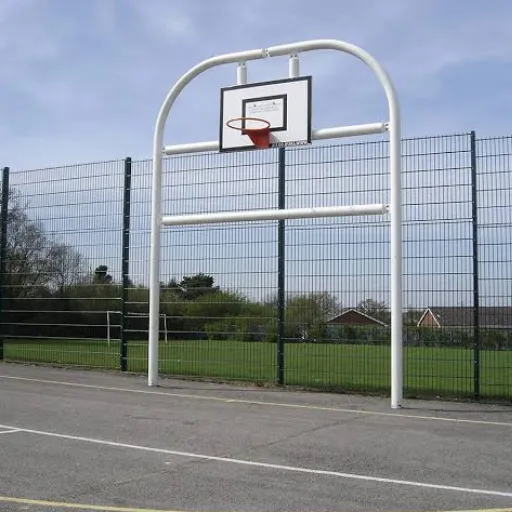
The year 2025 will be a turning point in the field of home design and architecture due to the fact that new trends will unify sustainability and technology. One of the major changes is the increasing use of integrated smart fencing systems. Besides securing the property, these fences also have solar panels, motion sensors, and Wi-Fi extenders, thus all together providing a perfect mix of function and eco-friendliness. The global smart fence market is projected to witness a robust growth of over 8.5% CAGR in the period from 2023 to 2028, which mainly comes from their energy saving and advanced security features present in the modern-day fencing system.
Another trend emerging is the innovative use of biomaterials in construction. Eco-friendly composite material-based fencing and recycling material-based fencing are becoming the norm, as the manufacturers are trying hard for controlling the environmental impact. For example, fences made of mycelium—a mushroom-based material that is very strong and has good insulation properties—are not only green but also very durable.
Moreover, modular and customizable designs are paving the way for self-expression in home exteriors. Adjustable panel types, interchangeable parts, and fence systems with diverse aesthetics are among the features sought most by homeowners. The personalized systems are also easy to repair, which makes them one of the most sought-after in today's markets.
The main focus of design trends in 2025 will be not only functionality but also aesthetic innovation. Among other things, the inclusion of vertical gardens in fences will be a very appealing feature to both urban and rural people wanting to have plants in their small spaces. According to recent research, vertical gardens can eliminate the majority of air pollution (up to 40%) and thus provide cleaner air, coinciding with the trend of promoting eco-conscious living.
The sheer number of these avant-garde designs along with green technology breakthroughs will surely make 2025 a landmark year for advanced fencing solutions, which not only cater to the requirements of being secure and sustainable but can also be customized by the homeowners.
Modern Aesthetics: Blending Fencing with Environment
The unification of contemporary fencing with wild nature has become a significant movement that refuses to be suppressed, thanks to the ever greater demand for sustainability and aesthetic compromise. Recent trends and statistics indicate that the eco-friendly fencing materials like bamboo, composite wood, and recycled metals are the ones that are in demand. For example, it is estimated that composite wood will need only 40% of the maintenance usually required by traditional fencing, while recycled metal will help to alleviate the problem of landfill waste through the repurposing of industrial by-products.
One more advancement in this domain is the so-called "living fences", which not only provide structural support but also flowers or even plants trained to grow upwards on a trellis. Research shows that the presence of green areas in cities can mitigate the urban heat island effect by 35% and encourage biodiversity by offering shelter for local plants and animals. Such designs attract not only the eyes of the homeowners but also offer their privacy, and, at the same time, diminish the noise level—a case in point being that of plant-based fencing, which has been found to lower the ambient noise level by as much as 10 decibels.
Innovation in technology has also significantly influenced the aesthetics of modern fencing. The smart fencing solutions are now using motion detectors, cameras, and remote-controlled gates, making it a secure choice that still preserves style. These features are more and more often combined with solar-powered systems in a reflection of the world’s movement towards the use of renewable energy in home innovations.
With a combination of clean designs, green materials, and cutting-edge technology, modern fencing not only sets new limits but also brings the homeowner in closer contact with nature. This all-encompassing approach guarantees that the fencing solutions are designed according to both the aesthetic and the ecological goals.
Multi-Functional Fencing Solutions
Modern fencing options provide much more than merely marking the limits of one’s property. They aim at combining the functions that are useful to the user with the aesthetic appeal which is pleasing to the eye. Below are five instances of fencing solutions that have multiple functions and their versatility is a demonstration of modern designs:
Privacy and Noise Reduction
Fencing made of composite panels or prepared wood will not only provide privacy but will also act as a noise barrier. It has been found out that sound-reducing barriers can lower the sound level by as much as 25 decibels thus making the outdoor area more quiet and comfortable.
Vertical Gardens
Planter boxes and climbing structures are incorporated into fences which then become vertical gardens. This feature helps in the efficient use of green space even in small areas, thus increasing the number of plants and improving the quality of air.
Integrated Lighting
Fencing of the latest design often has built-in solar-powered LED lights that make the area well-lit at night and secure. Research has found that properties with illuminated fencing are 25% less prone to break-ins.
Energy Efficiency with Solar Panels
Some fencing systems are already designed with solar panels mounted on top, which helps in supplying the house with renewable energy. These solar fences can produce enough electricity for garden lighting or even small appliances.
Smart Security Features
Fences have sensors for movement, cameras, and even automated gates that improve security. Systems that are compatible with smartphones enable the home owner to keep an eye on and manage their fencing from afar, thus making it safe and convenient.
By having these added features, fencing has become more than just barriers; they have turned into parts of the house that add utility, beauty, and sustainability to the property.
Customizable Fence Ideas for Backyard Courts
Multi-Purpose Sports Fence
These fences are purposely made with the idea of versatility and thus can be used for different sports such as basketball, tennis or volleyball. The materials used in construction include chain-link or vinyl-coated mesh which are strong enough to endure the impact and changes in weather. Moreover, specific sports can have the netting adjusted for them, further enhancing the function of the fence.
Noise-Reducing Acoustic Fence
Acoustic fences which are the best option for residential neighborhoods help to reduce the noise that is produced by sports activities in the backyard. The materials used in making these fences are sound-absorbing materials that include composite panels or high-density vinyl and thus the fences provide quieter environments for both the players and the neighbors.
Artistic Fence Panels
The pointless-looking fence can be transformed into a prominent feature by custom artwork or laser-cut metal designs. These artistic panels not only improve the look of the backyard court but they can also be accompanied by lighting for a dramatic effect during night games.
Built-In Seating Fence
Fences accommodating seating areas built into them feature the functionality and comfort of the seating areas. The fence can be made of wood or composite materials and the design can have benches or fold-out seating right next to the fence thus giving the players and the spectators a cozy place to relax.
Eco-Friendly Green Fence
These fences made of sustainable materials like bamboo or recycled plastic are a little pricey but they do come with some excellent benefits! For example, besides supporting vertical gardens or climbing plants, they also facilitate the integration of the court into the natural surroundings thereby improving air quality.
Expert Tips for Installation
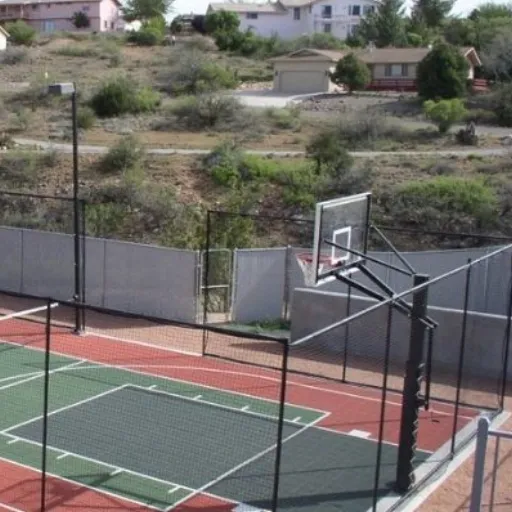
Choose the Right Materials
Using the right materials for the fence is a very important decision if you want it to last and work well. For horse rail, wood fences show and cool the stylish and natural look but are a bit of pain if one does not attend to them regularly for the purpose of preventing decay and weather damage. On the flip side, newer materials such as recycled plastics or composites are also very strong and eco-friendly.
Proper Fence Height
The right fence height depends on the reason for your court. For fun or private courts, 10-12 feet is generally the height that will keep things inside and balls from getting lost around the area. For proper courts, 20-foot fences are the norm to meet safety and regulatory requirements. Check out local zoning laws for confirmation of compliance.
Foundation Preparation
The durability and stability of the fence are highly dependent on the strength of the foundation. Professionals recommend digging holes for the posts not less than 2-3 feet deep and using concrete to hold the posts in place. This stops any movement and ensures that the fence is strong enough for both the weather and physical impacts.
Spacing of Fence Posts
Post spacing affects the power of the fence significantly. In most cases, the distance between wooden fence posts should not exceed 6-8 feet and 8-10 feet for chain-link fencing. Sticking to these recommendations not only guarantees the fence's strength but also aids in the equal spreading of the stress on the fencing.
Use Weather-Resistant Coatings
Applying weather-proofing coatings or treatments is one way to save your fence from environmental destruction. A quality sealant or stain is absolutely necessary for wooden fences while for metal ones, using treatments that do away with rust or powder coating that hinders corrosion is an advantage.
Drainage Considerations
Water damage to the fence's foundation can be prevented by good drainage among other things that need to be done in the area of installation. The ground should either slope a little away from the base of the fence or drainage systems should be installed where necessary. This is a very important step to take if you want to keep soil erosion away and to have stability for a long period.
Safety First
Installation must always be done following the safety protocols. Use protective equipment, like gloves and a mask, and proper use of the tools is a must. In case you have no idea about a certain tool or way of doing things then consult a specialist who will not only help you avert dangers but also make sure the work is done correctly.
Plan for Accessories and Landscaping Integration
If the fence you designed has features like the fold-out seating or vertical gardens, then you must be always thinking about their place during the installation. Planning properly will not disturb the fence structure and will help in the smooth working together of all the elements.
It is possible to create a court fence that is both highly functional and aesthetically pleasing and that will last for many years by following the expert recommendations, detailed planning, and using quality materials.
Step-by-Step Installation Guide for Court Fences
1. Planning and Preparation
The very first thing before the court fence installation is to make a detailed plan. Measure the exterior dimensions of the court properly; this will help you to find out how many posts and wire included will be. Also think about the court type (e.g. tennis, basketball, or multi-sport) and its specific requirements such as height and durability. For example, the standard height for a tennis court fence usually ranges from 10 to 12 feet. If your area requires it, get the respective permits and inform yourself about local regulations concerning fencing structures.
2. Selecting Materials
Pick out materials that are of the highest quality and would last even when exposed to harsh weather and being used a lot. Steel that has been galvanized, chain link mesh, and powder-coated finish that prevents rust and corrosion are some of the usual materials used. To contain the balls properly, using a mesh size of around 1.75 inches for tennis and similar sports is preferable. A recent report on the manufacture of chain-link fences states that they can last for up to 20 years if they are made of galvanized steel and are kept clean.
3. Marking the Fence Line
Start marking the location of the fence around the court with the help of stakes and string. Make sure the layout is straight, and the spacing is equal so there won’t be any misalignment when the installation gets to that point. Place the poles according to the chain-link fence standard, which is 8-10 feet apart. Verify the sizes one more time to cut down on the amount of material wasted and also to prevent you from facing unexpected problems.
4. Digging Post Holes
Make holes in the ground for the fence posts by using a post-hole-digger or an auger. The depth of the hole should be around one-third of the total length of the post, usually about 3-4 feet deep, depending on the height of the fence. After digging each hole, put some gravel in it to promote drainage before setting the posts.
5. Installing Fence Posts
Put the posts into every hole and then fill the hole with concrete for the post to be stable. Don’t let the concrete harden before you are sure that the post is at the right level and plumb. After the concrete has been mixed, it should be left to cure for 24 to 48 hours before the next step is done.
6. Attaching the Fence
The first thing to do when the posts are free of any movement is to connect the chain link fencing. The next thing is to stretch the fencing and to fasten it to the posts with the help of tension bands and hooks. Use either tie wires or fasteners to attach the fencing to the top rail and the support poles.
7. Adding Gates and Accessories
Put the gates where it would be most convenient for the players and the maintenance people. Steels that are good for heavy-duty along with high-quality latches can be used to make the gates last and also to provide security. Besides, depending on what the court needs, think of accessories such as privacy screens or extra netting.
8. Final Inspection
Go through the whole fence line and check whether the fences are stable, uniform, and standards, and safety requirements are met. Look for loose meshes or misaligned posts in all the sections of the fence line and rectify them accordingly. This kind of inspection is very useful and can increase the life span of the structure significantly.
When you follow these detailed procedures and use quality materials, your court fence will not only fulfill its purpose but will also contribute positively to the overall look and safety of the sporting area.
Common Mistakes to Avoid During Installation
Inaccurate Measurement of Fence Dimensions
If the court dimensions are measured incorrectly, the result can be a fence that does not fit well, has gaps, or is composed of uneven sections. Always take the measurements twice and take into account factors like spacing for gates or additional reinforcements.
Selecting Low-Quality Materials
Going for less expensive and lower-quality materials may save money at once but will often lead to repairs or replacements. Conservation of mesh, posts, and hardware is quality that brings the lessening of the former to maintenance needs over time.
Wrong Post Setting
Posts that are not installed at the proper depth and glued by weak concrete can turn out to be shaky and the whole structure will be at risk. Stick to the guide for post depth which is usually about one-third of the total post length.
Disregarding Local Building Regulations
A fence installed without checking local codes or getting a permit might incur fines or modifications. It is wise to get acquainted with all legal requirements such as height limitations or property line setbacks before you start.
Neglecting Regular Alignment Checks During Installation
Overlooking the alignment checks can make a fence appear to be slanted or not even which can ruin both its function and look. Use tools such as a level and string line for the correct alignment during installation.
How to Ensure Long-Term Stability of Your Fence
For my fence to be stable for a long time, I make it a point to use the best materials possible that are resistant to weather and proper treatment to avoid decay or corrosion. Furthermore, I always ensure that the posts are set sufficiently deep with a robust concrete foundation for extra support. Routine checks and upkeep, like screwing tight loose screws and replacing parts that are broken, keep my fence in excellent condition. Moreover, I do not let plants grow too near, as this could over time make the structure weak. All these measures are what make it possible for my fence to be stable and functional for a long time.
Frequently Asked Questions (FAQ)
What are the best basketball court fence design ideas?
One should weigh the various options when it comes to basketball court fence design, such as chain-link fencing, which provides both visibility and security, or wood fencing, which offers privacy. Picking the proper type can not only improve the area around it but also render a united look. On top of that, the addition of gates and ball containment systems as features can make the functionality even better.
What height should a basketball court fence be?
The typical height for a basketball court fence ranges around 10 to 12 feet which is the standard. This height, while keeping the players safe, also allows a slight privacy for those who live nearby as it will not let the balls go too far away from the court. In addition, the height of the fence can be altered to cut down on noise coming from busy streets or neighboring houses.
How to install a basketball court fence?
The installation of a basketball court fence is a process that comprises a number of critical steps: the first one is marking the area with the use of stakes and string, then digging post holes spaced evenly apart and making sure they are deep enough so the post will not be movable in the ground. After the posts are secured, put the fence which could be chain-link or wood, up and make sure it is tight and secure. Finally, you may want to think of applying a protective finish coat to the fence to avoid rust and the effects of wear and tear.
What materials are best for outdoor basketball court fencing?
Among the various materials used for outdoor basketball court fencing, chain-link is the most durable and visible one, wood is the most aesthetic and private one, and aluminum is the lightest and strongest option. Every material comes with its own set of pros and cons, for instance, one may resist harsh weather better than another or be cheaper. Thus, it is important to pick based on the specific requirements and likes.
Can a basketball court fence prevent balls from leaving the play area?
Indeed, a well-designed basketball court fence can successfully keep balls within the playing area. Fences having appropriate height and spacing will act as boundary and thus the game will be confined within the boundary leading to fewer disruptions and safe play for all involved.
What is the cost-effective option for basketball court fencing?
Chain-link fencing that is usually considered a cost-effective method for basketball court fencing is due to its economical rates and little maintenance needed. It is a widely accepted option for neighborhood and community courts as it creates an invisible barrier that impedes access while still allowing overseers to witness the action from outside.
How can I customize my basketball court fence?
Customization of a basketball court fence can involve choosing the fence’s height, material, and color. Moreover, you can modify aspects like barrier-free access with strategically placed gates, landscaping that incorporates decorative elements, or even sports branding for locker room facilities. Personalizing your fence can not only beautify but also make your outdoor space more functional.
What are the benefits of having a fence around a basketball court?
The perimeter set by the fence around the basketball court is beneficial in numerous ways; it not only prevents players from leaving the designated area and increases safety but also provides privacy and shields the court from stray basketballs in case of accidents. Moreover, a fence that has been well-made can create a pleasing visual impact which in turn can augment the court's usability by making it easy to maintain and less prone to wear due to outside factors.
Recently Posted
-
Building a Security Fence: Your Guide to High-Security Solutions
February 5, 2026The security fence functions as the primary defense system of your commercial property, industrial site, and private estate becaus Read More
 -
How to Build a Security Fence: A Comprehensive Guide to Installing Chain Link Security Fences
February 4, 2026Constructing a security fence is an effective way to protect your property, define its boundaries, and enhance your privacy. The v Read More
 -
Iron Yard Fence: The Ultimate Guide to Wrought Iron Fencing for Your Garden
February 3, 2026The design of a garden fence goes beyond establishing property borders because it serves two main purposes by enhancing the visual Read More
 -
Cast Iron Garden Fence: The Ultimate Guide to Durable and Decorative Garden Edging
February 2, 2026The cast iron garden fence functions as a boundary that creates an everlasting combination of practical use and aesthetic beauty t Read More

Contact Us
Recommended Products
-
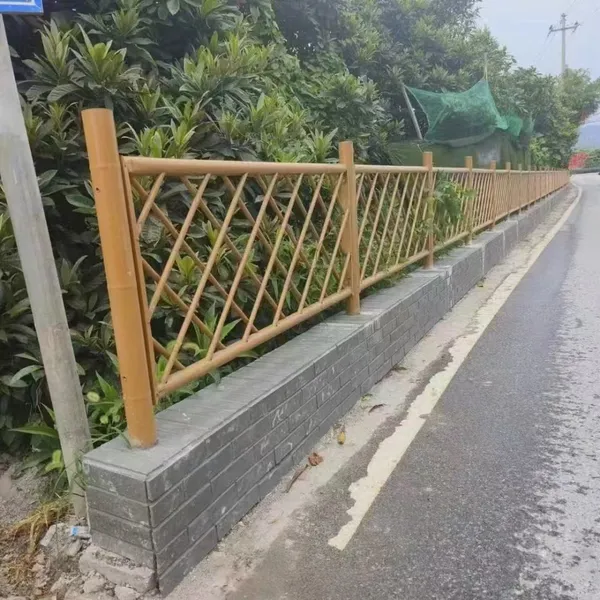
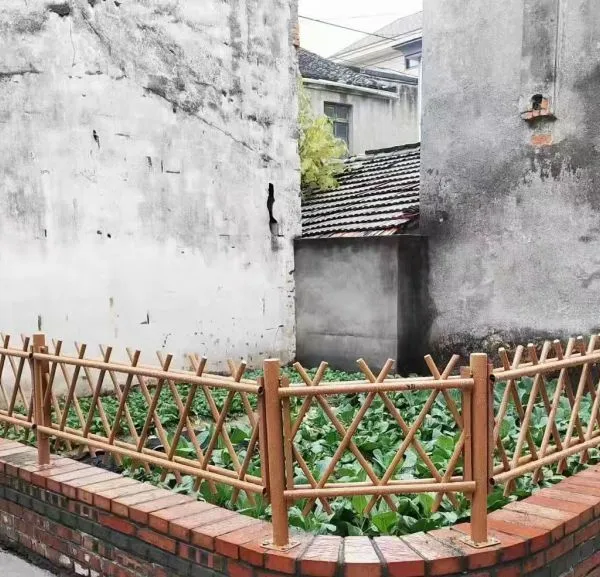
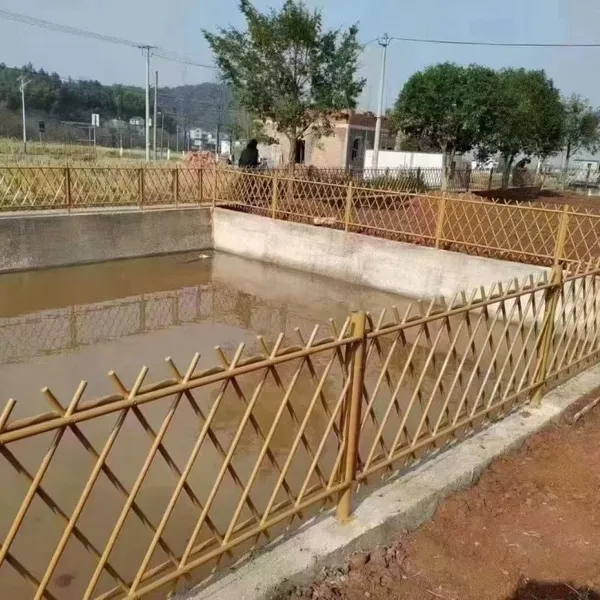
 Durable Imitation Bamboo Fence for High-Traffic Public SpacesNegotiableMOQ: 50 Square Meters
 -
Customizable Imitation Bamboo Fence With On-Site Measurement ServiceNegotiableMOQ: 50 Square Meters
-
Modular Imitation Bamboo Fence Panels for Quick InstallationNegotiableMOQ: 50 Square Meters
-
Imitation Bamboo Privacy Fence With Reinforced Aluminum BaseNegotiableMOQ: 50 Square Meters
-
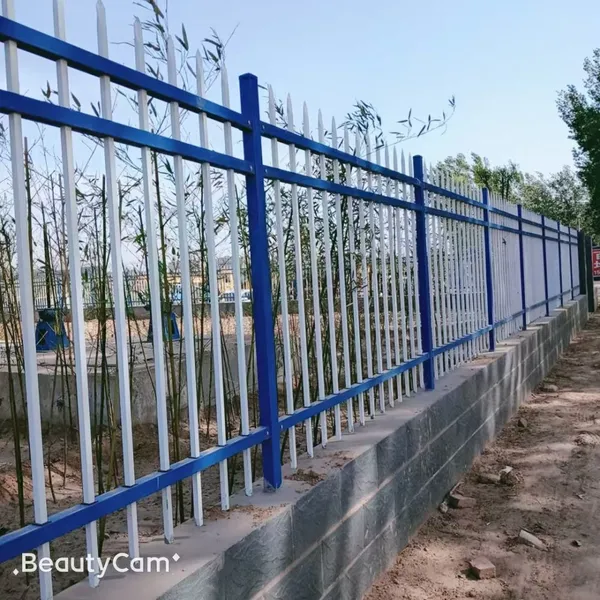
Commercial Grade Villa Fence for Real Estate Developments and Hotel Perimeter ApplicationsNegotiableMOQ: 10 Sets
-
Industrial Steel Grating Solutions for Oil and Gas Platforms, Compatible With Harsh ConditionsNegotiableMOQ: 10 Pieces
-
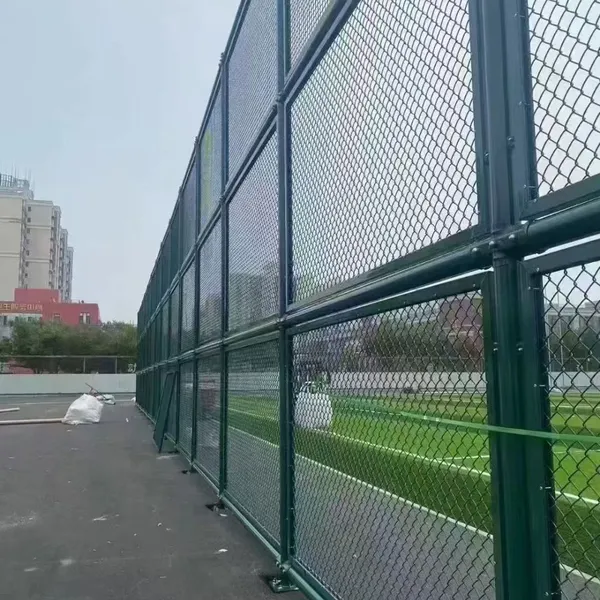
Basketball Court Fence 4M Height, Galvanized Steel Chain Link Mesh for Outdoor Sports Field PerimeterNegotiableMOQ: 50 Square Meters
-
Chain Link Basketball Court Fence Offering Anti-Rust Protection and Long-Term PerformanceNegotiableMOQ: 50 Square Meters
-
European Style Villa Fence Concrete Base Installation Courtyard Boundary WallNegotiableMOQ: 100 Square Meters
-
Galvanized Steel Villa Fence With Powder Coating for Superior Corrosion ResistanceNegotiableMOQ: 100 Square Meters
-
Powder-Coated Basketball Court Fencing With Weatherproof Finish for Long-Term Outdoor ApplicationNegotiableMOQ: 100 Square Meters
-
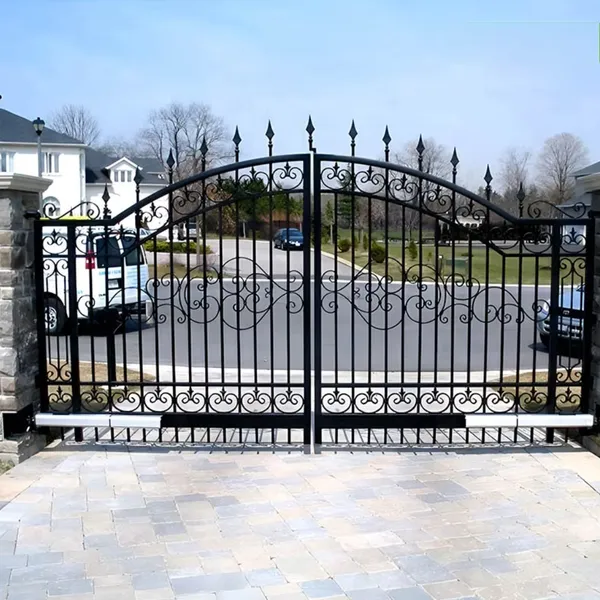
Powder Coated Wrought Iron Main Gate and Garden Fence for HousesNegotiableMOQ: 100 Square Meters
-
Elevate Your Garden With an Artistic Wrought Iron Garden Fence | Uniting Security & EleganceNegotiableMOQ: 100 Square Meters
-
Low-Maintenance Wrought Iron Garden Fence | Durable Powder-Coated Steel PicketsNegotiableMOQ: 100 Square Meters
-
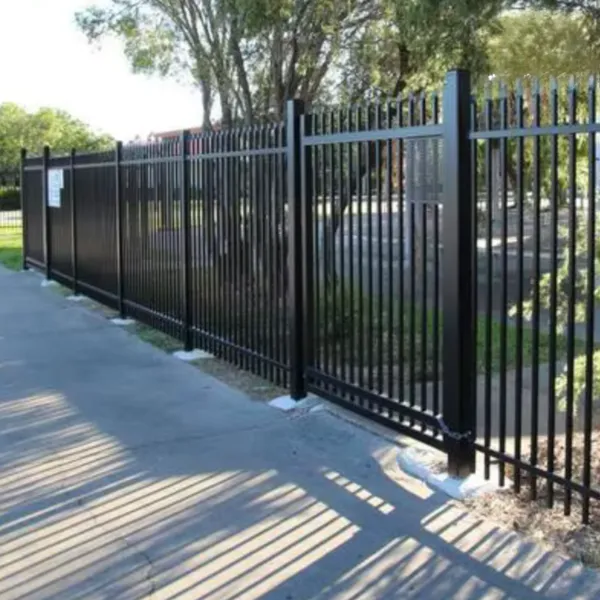
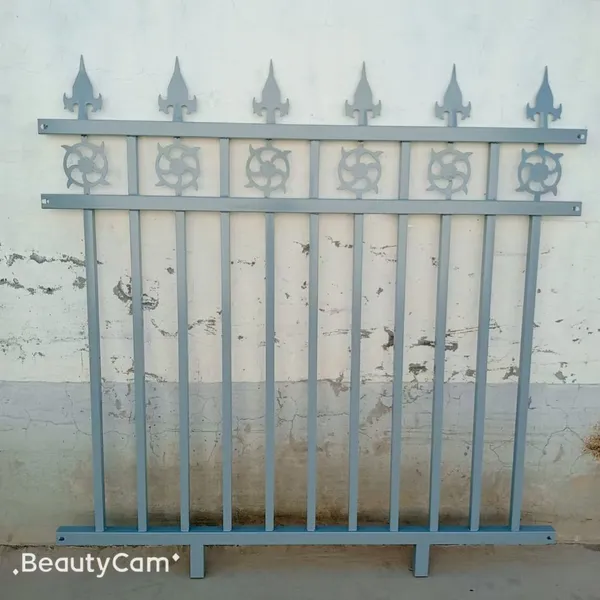
Heavy-Duty Villa Fence: 10 Gauge Steel Construction With Powder Coating for DurabilityNegotiableMOQ: 10 Sets

-
Anti-Slip Steel Grating Panels for Enhanced Safety in Wet and Slippery Work AreasNegotiableMOQ: 10 Pieces
-
Steel Grating for Stair Treads and Catwalks in Commercial and Factory BuildingsNegotiableMOQ: 10 Pieces
-
High-Security Villa Fence With Lockable Gates and Weather-Resistant Finish for Home ProtectionNegotiableMOQ: 10 Sets
-
Galvanized Steel Basketball Enclosure Netting / Ball Containment System With Frame for Outdoor CourtsNegotiableMOQ: 50 Square Meters
-
Vinyl Coated Chain Link Fencing for Basketball, Pickleball & Tennis CourtsNegotiableMOQ: 500 Square Meters