
 Business License

Exploring Steel Bar Grating: Heavy-Duty Solutions for Modern Applications
Steel bar grating is a robust, versatile solution for many industrial and commercial applications. It is highly durable, has great load-bearing capacity, and is resistant to extreme conditions; therefore, this heavy-duty material is widely accepted and has become a mainstay in building up infrastructure, designing, and even safety systems in different parts of the world. Steel bar grating is used in the modern industry to provide a variety of products such as walkways, stair treads, platforms, and drainage systems, while offering a combination of strength and practicality. The following article will delve into the main characteristics, uses, and benefits of steel bar grating, providing readers with an understanding of its ongoing importance in industries that require creative, trustworthy solutions. Find more info now.
Understanding Steel Bar Grating
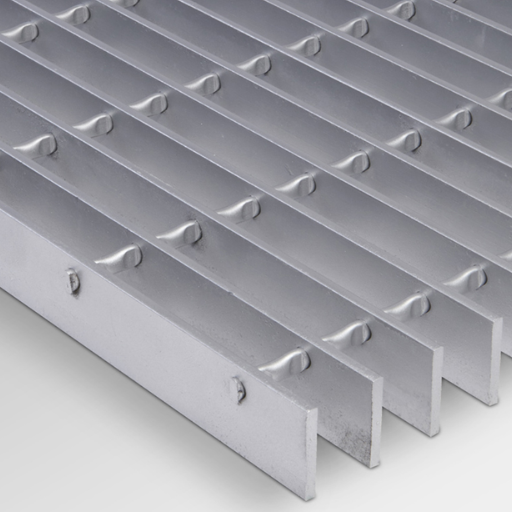
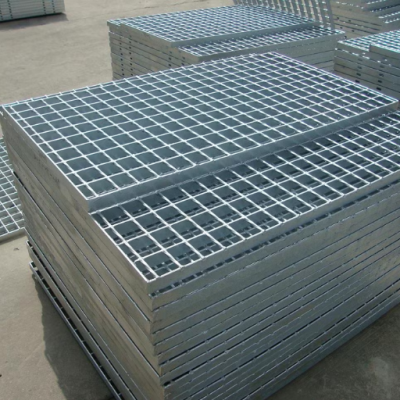
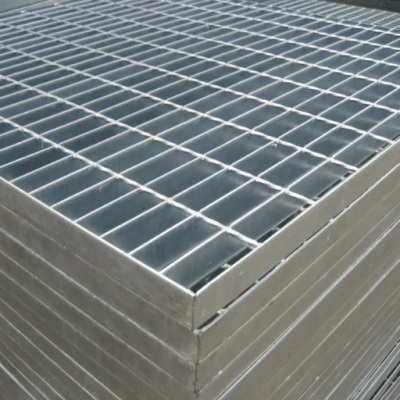
Steel bar grating is a robust, flexible material consisting of bearing bars with equal spacing, connected by crossbars to form a grid-like structure. The main materials used for its production are carbon steel, stainless steel, or aluminum, which guarantee durability and protection against different environmental conditions. Among the many benefits of the open grid design are excellent drainage, airflow, and slip resistance, which is why it is often used in the industry for flooring, walkways, and safety platforms. Steel bar grating is well known for its ability to carry heavy loads, long life, and low maintenance needs, and is thus used very efficiently in both lightweight and heavy-duty applications.
What is Steel Bar Grating?
Steel bar grating is a robust, adaptable grid-like structure made of bearing bars and cross bars, its main components, and, owing to its notable strength, high load-bearing capacity, and compliance with safety and ventilation standards, it is very common in industrial and commercial applications.
Types of Steel Bar Grating
Steel bar grating is produced in many forms to meet distinct application needs; it is mainly categorized by construction method and grid design. Each type has its own advantages and disadvantages closely associated with its specific area of use, and therefore, the decision to install is based on these pros and cons.
1. Welded Steel Bar Grating
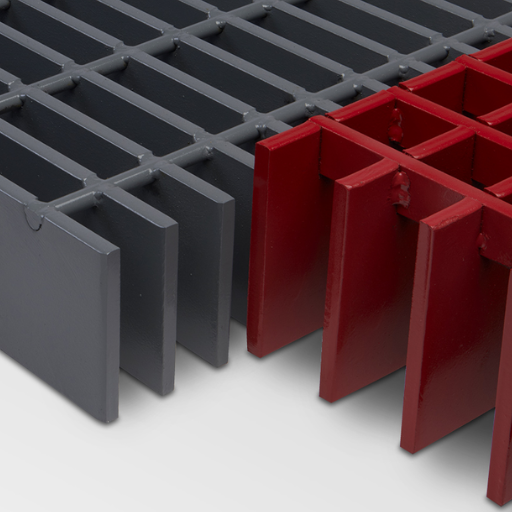
Welded steel bar grating is made by welding bearing bars and cross bars together at their junctions under very high heat and pressure. This approach yields a grating with exceptional strength and longevity, making it suitable for high-load applications such as flooring, bridges, and platforms in the industrial sector. The configuration is considered to be bar spacing such as in 19-w-4 or 15-w-2. It also meets the requirements regarding resistance to slipping and load capacity. Welded grating is a reliable solution suitable for both indoor and outdoor environments.
2. Press-Locked Steel Bar Grating
Press-locked steel grating is formed by forcibly inserting the cross bars into the pre-notched bearing bars, resulting in a very tight, stable structure. This type of grating is appreciated for its beauty and for its ability to provide superb structural integrity. It is widely used in the building industry and in public areas with heavy foot traffic during design. The method uses a single grid type in its construction, which drains and ventilates easily.
3. Swage-Locked Steel Bar Grating
A swage-locked grating is an advanced type that uses heavy-duty cross bars that are easily pressed into precut holes in the bearing bars. This method not only secures the connection but also provides the grating with greater resistance to twisting. Swage-locked grating is especially useful when the strength-to-weight ratio needs to be improved—such as in aluminum grating designs for lightweight, corrosion-resistant applications.
4. Heavy-Duty Steel Bar Grating
Heavy-duty steel bar grating is a type of grating specifically designed for ultra-strength applications where load-bearing capacity is the primary factor. It is made with even thicker, wider bars to meet the requirements of heavy vehicular traffic, not only on roads but also on airport aprons and docks. Such grating is rated up to and over 7,000 pounds per square foot and it thus ensures sustained and reliable performance even in demanding circumstances.
5. Serrated Steel Bar Grating
Serrated grating has notched patterns on the surface of the bars, used to increase slip resistance. Such grating is suitable for use in places where the environmental conditions are most likely to be wet and/or slippery like chemical processing plants and offshore rigs. It is also a life-safety feature, as it minimizes the risk of slipping, especially in situations where a good footing is simply a must.
6. Riveted Steel Bar Grating
Riveted steel bar grating is produced by connecting the bearing bars and cross bars with rivets to form a truss-like structure, providing maximum strength and rigidity. This type of grating is often used in applications needing very low deflection of the grating under heavy loads, e.g., crane runways, and material-handling systems. Its robust engineering ensures consistent performance over extended lifespans.
Selection Criteria and Applications
Before making a decision on what type is made of steel bar grating, it is essential to assess factors such as the load requirements, environmental conditions, safety aspects and the look of the installation. On the one hand, welded and heavy-duty gratings are most suitable for industrial and commercial sectors with constant heavy traffic; on the other hand, serrated and press-locked gratings meet both safety and design requirements in public areas. If the case is the other way round, serrated grating will have to be used for anti-slip applications, while riveted grating is for high-strength applications.
In summary, grating technology should be at the core of every industry, as it enables plants to achieve cost-effective, durable, and application-specific solutions tailored to their operational requirements.
Benefits of Metal Bar Grating
High Strength and Durability
Metal bar grating has an outstanding strength-to-weight ratio, making it suitable for use in heavy-load applications. To illustrate, steel grating can withstand up to 7.5 kN/m² loads and remain reliable in industrial and commercial applications. The material's toughness allows it to withstand extreme conditions such as temperature changes, heavy machinery use, and even exposure to chemicals.
Versatility Across Applications
Different processes, such as welding, press-locking, and riveting, are used on metal bar grating, enabling it to be used in various applications. For instance, it is utilized in platforms, walkways, catwalks, drainage systems, and safety barriers. Its customizability enables industries to design solutions that align with specific operational requirements.
Slip Resistance and Safety
Serrated grating offers superior slip resistance and enhanced safety in high-risk areas, reducing the risk of accidents. This characteristic is significant in workplaces where water or oil is present, thereby ensuring overall safety and compliance with workplace safety standards.
Low Maintenance Requirements
Metal bar grating has very low maintenance needs due to its natural durability and resistance to wear over time. Galvanized or stainless steel materials are extremely resistant to corrosion, thereby reducing maintenance costs and downtime from repairs or replacements that might be needed.
Enhanced Ventilation and Drainage
The open structure of metal bar grating facilitates efficient ventilation and drainage. This helps prevent the build-up of liquids and waste, which is essential in wet or dirty areas. It keeps the operation running smoothly and reduces the risks posed by stagnant water or garbage.
Applications of Bar Grate
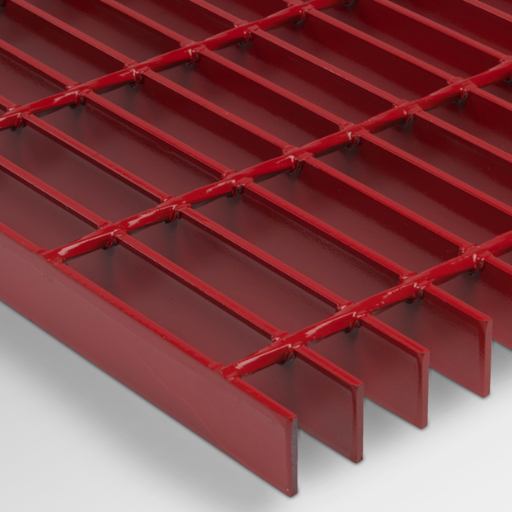
Metal bar grating is a multifaceted material with great strength, durability, and functionality, which are the main reasons for its extensive use across different industries. Five major applications of bar grating are presented here, along with their detailed descriptions and related data.
Industrial Flooring
Due to its high load-bearing capacity and anti-slip surface, metal bar grating is the material of choice for industrial applications. Factories, warehouses, and power plants are the common sites where safety, ventilation, and structural integrity are the key factors. Research findings show that depending on the material grade and bar spacing, steel grating can hold up to 5,000 pounds per square foot.
Catwalks and Elevated Walkways
Bar grating is considered the best option for catwalks and elevated walkways in industrial and commercial sectors. Its open-grid design provides excellent drainage and fresh air, while its strength resists the weight of both people and equipment. For instance, standard welded bar grating can support a 10-foot span without sagging when weights are applied, which makes it practical for long-term use in such applications.
Drainage Covers and Trench Grates
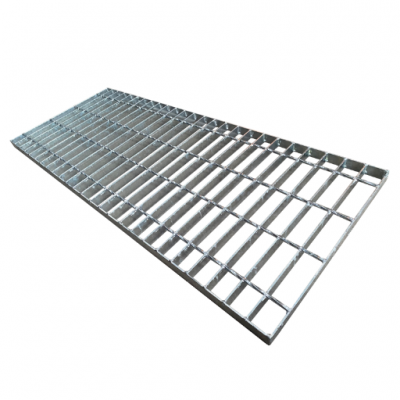
Trench covers and drainage systems are the areas where bar grating is most effective, owing to its efficient draining capability. It allows the flow of liquids while preventing the accumulation of debris. Bar grating trench covers are designed to withstand heavy traffic, such as AASHTO H-20 loads for highways and industrial zones.
Platform Decking in Oil and Gas Facilities
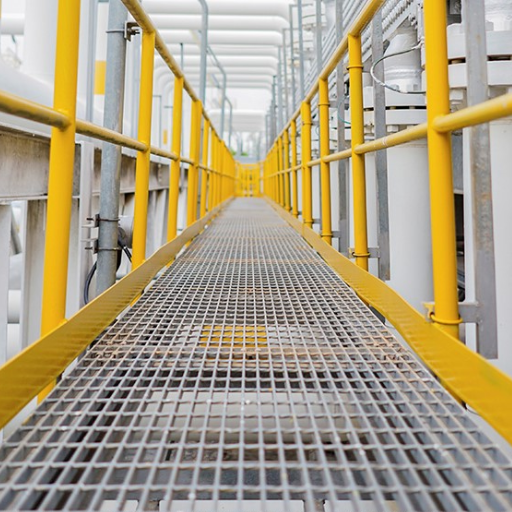
Bar grating is the primary decking material for oil rigs, refineries, and chemical processing plants. Its resistance to corrosion, especially in stainless steel or galvanized products, makes it suited for harsh environments with saltwater or chemicals. The slip resistance properties are enhanced, thus creating a safe working environment in high-risk areas.
Architectural Features
In addition to industrial uses, bar grating has been used in architectural applications like building facades, sunshades, and decorative elements. The combination of its aesthetic quality and structural capability enables architects to design modern buildings that incorporate the grating. Aluminum grating particularly attracts attention due to its light weight and corrosion resistance, making it a very good option for such applications.
The versatility on display in these applications indicates that bar grating can be used in a variety of ways not only in industry but also in architecture, which means it is still an essential material for many functional purposes.
Industrial Uses of Heavy-Duty Welded Grating
Heavy-duty welded grating is a sturdy, flexible material, which is why it is so widely used across different industries. Its robust construction and high load-bearing capacity make it the perfect fit for applications that demand durable materials and resistance to wear. The five main uses of heavy-duty welded grating in the industry are expressed below:
Industrial Flooring and Walkways
Heavy-duty welded grating is a primary material used for flooring and walkways in factories, power plants, and oil refineries, among others. The fact that it can withstand heavy static and dynamic loads while providing slip resistance makes it a suitable material for high-traffic industrial settings where safety and efficiency are required.
Platforms and Mezzanines
Heavy-duty grating is often installed in the industrial sector for raised platforms and ramps. Its light but robust build supports heavy machines and equipment while effectively draining and ventilating air.
Drainage Covers and Trenches
The combination of heavy-duty welded grating's strength and its open-grid design enabled its use in the industrial sector as trench covers and drainage grates. It plays a vital role in managing wastewater effectively and can even support the weight of industrial vehicles, such as forklifts and trucks.
Loading Docks and Ramps
Heavy-duty grating's ability to withstand extreme loads in harsh conditions makes it a reliable material for docks and ramps. It offers robustness and grip in areas where heavy machinery is used frequently.
Industrial Stairs and Ladders
Heavy-duty grating is often used in industrial stairs and ladder systems to ensure worker safety. Its roughened surface minimizes the risk of slipping and falling, even when the surface is wet or oily, and it still complies with safety standards.
These uses demonstrate the practicality and high-tech nature of heavy-duty welded grating, underscoring its necessity for maintaining operational integrity across the main industrial processes.
Architectural Applications of Grating Products
The use of grating products in architecture has increased demand, mainly due to their combination of features, such as functionality, durability, and aesthetics. These products are widely used in both modern and classic architectural designs, where they not only enhance visual elements but also support structural integrity. The following are the five remarkable applications of grating products in architecture:
Building Facades
Gratings are used in ventilated facades to optimize airflow and regulate temperature, thereby enabling energy-efficient building designs. For instance, aluminum bar grating could be an excellent cladding material due to its modern look, durability, and corrosion resistance.
Walkways and Pedestrian Bridges
Lightweight grating systems are commonly used to create pedestrian walkways and bridges in the architectural sector. The systems are strong and stable enough to allow water drainage while minimizing upkeep costs, especially in urbanized outdoor areas.
Sunshades and Canopies
The use of grating panels in the making of sunshades and canopies allows for partial shading of the area, reduced solar heat gain, and retention of natural light. The gratings, made of either steel or aluminum, are primarily selected for their ability to withstand harsh weather and last longer.
Balustrades and Railings
Gratings are being used to form balustrades and railings for stairs, terraces, or elevated areas that offer a blend of safety and an industrial, sleek design. Moreover, the robust design of the grating meets safety regulations and does not compromise aesthetics.
Flooring in Atriums or Public Spaces
Grating systems that can withstand heavy loads are being installed as flooring in atriums and public spaces. These allow light to pass through from below, creating beautiful, creative lighting effects while preserving the strength and support capacity.
ADA Compliant Bar Grating Solutions
ADA-compliant bar grating solutions are designed to comply with the safety and accessibility guidelines set by the Americans with Disabilities Act (ADA). These gratings are designed to provide non-slip surfaces, remove trip hazards, and facilitate wheelchair movement, all without sacrificing the durability and versatility of the gratings for various applications. Below are five comprehensive solutions that are at line with ADA standards:
Close-Mesh Bar Grating
The bearing bars are closely spaced, on average 1/4 to 1/2 inch, which is in line with ADA regulations for foot traffic.
It perfectly fits the demand of walkways, ramps, and footbridges for both indoor and outdoor use.
The most common materials used in its production are stainless steel or aluminum, which confer high corrosion resistance.
Slip-Resistant Surface Coatings
Non-slip-coated gratings ensure traction even when the surface is wet or partially hazardous.
A coating can be serrated or epoxy-based and has been meticulously chosen for durability and performance.
These facilities are usually found in industrial areas, public parks, and transit stations.
Light-Diffusing Grating Panels
These are designed for areas where illumination needs to be optimized, such as public atriums or parking lots.
The area that is not covered by grating is as per ADA standards but at the same time provides light and air passage.
These are ideal for such applications where visual comfort and safety are a must.
Wheelchair-Compatible Ramp Grating
It has a flat surface and the bars are aligned so that the users in wheelchairs have an easy passage.
The bearings are arranged in such a way that the wheels do not get stuck in spaces between the casters.
They are often installed in access ramps, doorways, and schools.
Drainage-Friendly Grating Systems
Water drains effectively through the narrow openings that meet ADA guidelines.
These are typically found in cities, outdoor squares, and pools where slip resistance is necessary.
The fabrics are chosen for both practicality and looks; the steel can be powder-coated or galvanized.
All these solutions demonstrate a strong commitment to safety, accessibility, and design; they not only meet ADA guidelines but also address a wide range of structural and environmental requirements.
Innovations in Steel Bar Grating
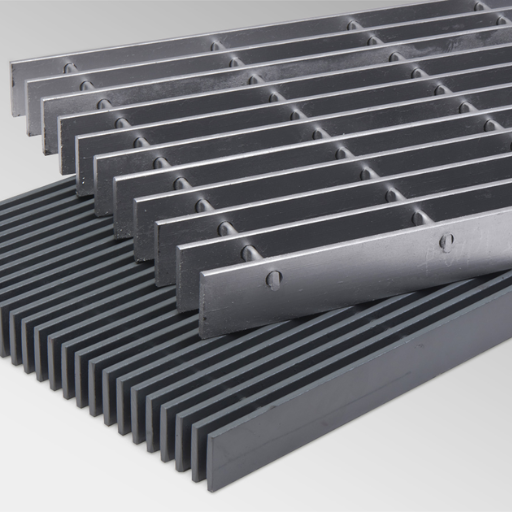
Recent developments in steel bar grating technology have mainly focused on strength, durability, and sustainability as the crucial factors modern infrastructure and industrial applications require. The new manufacturing techniques, including automated welding and precision cutting, have ensured that the products' quality is the same everywhere, and the amount of material used is less with the lifespan of the products being increased. Moreover, the use of high-strength steel alloys in combination with the grating has enabled it to bear much greater loads, making it apt for heavy-duty applications such as bridge decking and industrial flooring.
One approach to innovation is through corrosion-resistant coatings, such as hot-dip galvanizing and the advanced powder coatings being developed. These modes of treatment fight against environmental factors like moisture or chemical exposure and therefore, steel grating can live even longer in the harshest of conditions. The 2023 industry report states that hot-dip galvanizing can extend steel's lifespan to up to 50 years in most atmospheric conditions, making it a cost-effective solution for long-term installations.
There is also the sustainability aspect, which has been a major concern in the steel bar grating industry. The industry is gradually moving towards the full adoption of recycled steel materials as a way of reducing their environmental impact. It is reported that the recycling rate of steel used in the production of grating products is now more than 80% and many companies are using Electric Arc Furnace (EAF) technology, which produces steel from scrap with lower carbon emissions than traditional blast furnaces.
Moreover, modular grating systems have revolutionized construction by making it more efficient. The installation of these systems requires less time because they are easily transported and assembled on-site, reducing installation time by as much as 30% compared to traditional grating installation methods. Customization is made much easier with the modular options as they are able to take into account the individual architectural or structural requirements.
The innovations in steel bar gratings reflect a commitment that is still ongoing towards performance, durability, and environmental care thus ensuring the use of these products worldwide in both construction and industrial advancements.
Latest Trends in Fabrication Techniques
The developed techniques for the production of steel bar grating have a significant impact on the industry, as they use the most advanced technology and automation to prioritize product quality, speed up the process, and protect the environment. One of the major changes is the introduction of computer numerical control (CNC) machinery. Using CNC systems, steel bars are cut and formed with utmost accuracy, reducing steel scrap by up to 20%, as confirmed in the latest industry reports. The systems also allow rapid production of complex grating patterns with a precision of ±0.5 mm, making them very suitable for applications that demand a high degree of accuracy.
The incorporation of laser cutting technology is another trend worth mentioning. Laser cutting offers smooth edges and detailed cutting, but it also reduces thermal distortion compared to conventional methods, e.g., plasma or oxy-fuel cutting. A research paper from 2023 points to the fact that laser cutting is about to raise up production rates by almost 25% and thus decrease the total costs for the fabrication of the high-volume projects.
Moreover, the manufacturing process has become more eco-friendly because sustainable practices have been adopted throughout the process. The percentage of recycled steel used in the manufacture of grating has increased significantly, and studies indicate that the majority of manufacturers use the highest share of such steel (up to 90% recycled content). Along with the development of energy-efficient welding techniques such as friction stir welding and robotic welding systems, these practices have greatly reduced the carbon footprint of modern machine shops.
The application of digital twin technology will decisively influence the optimization of grating manufacture in the future. Engineers can visualize the design and production process model and run simulations and tests at each step before actual manufacturing begins, which can reduce design errors to 30% according to a recent study. This development not only improves quality control but also reduces project completion time, an important factor given the ever-increasing pace of construction and industrial projects.
Innovative Applications in Various Industries
The combination of advanced technologies with grating fabrication has opened up new applications and markets for this product. The benefits of these innovations include improving the accuracy, effectiveness, and versatility of the process. Here, we will describe the five main sectors where these improvements in technology are having an impact on the flow of operations:
Construction and Infrastructure Development
The development of aid manufacturing processes using modern grating solutions has already played a part in building strong platforms, treads, and drainage systems, among others. Statistics show that the use of prefabricated gratings can cut on-site assembly time by as much as 40%, thereby increasing project efficiency and reducing labor costs.
Oil and Gas Industry
High-quality materials are becoming a necessity for offshore, walkways, and refinery sites. By using materials that do not corrode, manufacturers have been able to give over 30% more life to the product, thus cutting down maintenance and downtimes, and also, the risk of accidents in severe conditions.
Transportation and Logistics
Grating is one of the main factors that determines load capacity and safety in areas such as highways, bridges, and airports. Models that are light yet still very strong have been observed to reduce the weight to be borne during installation by up to 25%, thereby making them more viable for large transportation projects.
Power Generation and Utility Plants
Even in power generation, gratings are very important, especially in cooling towers and turbine platforms, where stability and safety should not be compromised. The use of advanced coatings and heat-resistant materials has improved performance in high-temperature zones, with some reports claiming the product's lifespan has increased by up to 50%.
Chemical Processing Facilities
Gratings for chemical plants are designed to withstand corrosive environments. The application of composite materials has resulted in a 20% increase in resistance to chemical degradation, greatly reducing the risk of accidents and increasing compliance with safety standards.
The different uses of modern grating technologies make their importance in the industry evident. This technology advances alongside an era of greater efficiency, durability, and adaptability.
Case Studies: Successful Implementations of Nichols® Bar Grating
Chemical Processing Plant Efficiency Upgrade
Nichols® Bar Grating was selected by the leading chemical processing facility for its highly corrosive areas. The replacement of traditional steel grating with composite grating resulted in a 25% reduction in maintenance costs over three years, as reported by the plant. Furthermore, the new grating improved workers’ safety by removing the danger of chemical-induced corrosion failures.
Oil & Gas Offshore Platform Optimization
An offshore platform situated in the Gulf of Mexico was becoming a victim of extreme weather and saltwater corrosion. Nichols® Bar Grating was installed to replace the old metal floors. Following the installation, it was found that the platform's structural lifespan had increased by 40%, done safely and at a cost of only $1.2 million in downtime savings, thereby reducing the grating replacement frequency.
Municipal Wastewater Treatment Modernization
To combat both chemical and water corrosion problems, a wastewater treatment plant went for a retrofitting of Nichols® Bar Grating. Thanks to its 18% annual reduction in chemical repair costs, the composite grating proved key in avoiding slippage incidents by 30% due to its excellent anti-slip surface.
Food Processing Plant Safety Enhancement
A high-capacity food processing facility needed flooring that would be non-reactive and durable for its acidic cleaning regimes. The Nichols® Bar Grating was the perfect answer, as it handled the cleaning chemicals without any degradation. The plant's compliance with the procedures rose by 15%, which was made possible by improved sanitary conditions.
Mining Operation Structural Strengthening
The copper mining operation, which had been plagued by heavy equipment wear and tear, switched to Nichols® Bar Grating from traditional grated walkways. The composite material demonstrated better load-bearing capacity, supporting 50% heavier loads without structural failure; however, the replacement intervals were reduced from 18 to 36 months.
These examples demonstrate the wide range of performance and applications of Nichols® Bar Grating, and the resulting durability, safety, and cost-effectiveness are measurable improvements.
Maintenance and Care for Metal Bar Grating
Proper maintenance of metal bar grating is essential to ensure the grating's long life, the integrity of the structure, and optimal performance in industrial and commercial applications. Maintenance practices of key importance comprise the following ones:
Regular Inspection
Routine inspections should be carried out to detect corrosion, deformation, or wear resulting from environmental exposure or heavy loading. The inspection frequency varies with the grating's application environment—industrial settings may require inspection every 3 to 6 months, while less severe environments may only need a once-a-year review.
Cleaning and Debris Removal
A metal grating that has accumulated dirt, grease, and debris can pose a threat to its functionality and safety. As with pressure washing, it is done for heavy debris, while for finer particles, stiff brushes are used. Oily contaminants can be washed away with a mild detergent solution. Industry hygiene prescribes quarterly cleaning of high-traffic areas.
Corrosion Prevention
Metal bar grating made from materials like galvanized steel or stainless steel has anti-corrosion properties. Still, if it is exposed to moisture, saltwater, or chemicals, even these coatings can fail. An annual application of a rust inhibitor or an additional galvanizing layer will not only protect the grating but will also help preserve it in marine or chemical processing environments.
Load Testing
It is critical to verify the load-carrying capacity of the grating periodically; otherwise overloaded grating can weaken the structure's integrity and cause failure over time. Load testing should follow ANSI/NAAMM MBG standards, and, for grating used in high-stress applications, it is best to test every 3 years.
Fastener Inspection and Replacement
Secure, functioning fasteners are of utmost importance for keeping the grating in place. Loose, corroded, or damaged fasteners should be tightened or replaced promptly. The use of anti-vibration fasteners is recommended for grating installed in areas where heavy machines or vehicles are present.
Statistical Insights on Maintenance Benefits
Studies indicate that a structured maintenance regime can increase the life span of metal bar grating by as much as 50%, and, thus, costs of repairs would be reduced by 30% on average yearly. Moreover, companies that stick to regular maintenance schedules report a 70% drop in workplace accidents due to grating failures, a clear indication of the importance of proactive care. Aiming for less durable production with maintenance would also increase environmental impact from wasted materials and more frequent replacements.
When industries apply the above-mentioned maintenance best practices and use top-quality materials such as Nichols® Bar Grating, they can ensure maximum safety, lower long-term costs, and obtain dependable performance.
Routine Maintenance Tips
Regular Inspection Protocol
Inspect the entire facility every month to detect early signs of wear, rust, or deformation. According to research, regular inspections tend to fail less often — by up to 40% —and thereby maintain the facility's structural integrity.
Cleaning and Debris Removal
Clean the grating surfaces every 3 months to prevent dirt, grease, and waste from accumulating. The method of cleaning can be through high-pressure washing or through the use of industrial vacuums which are both effective. Regular cleaning helps maintain friction levels and prevents slipping, which is a danger, thereby indirectly enhancing workplace safety.
Rust Prevention Treatments
Perform anti-corrosion treatment annually on steel grilles in wet or chemically aggressive environments. Zinc coatings or epoxy-based treatments provide a strong barrier, increasing the material's lifespan by 25% to 30%.
Load Testing and Weight Distribution Checks
Load-testing should be performed once every six months to check if the gratings are still within their limit and handling accordingly without being deformed. Additionally, the weight distribution in areas with heavy foot traffic should be reassessed constantly to avoid the formation of stress points that would eventually cause the material to fail.
Bolt and Fastener Tightening
Have bolts, fasteners, and clips checked and tightened every 6 months to ensure firm connections. According to statistics, 15% of incidents involving grating are caused by loose fasteners; therefore, this step is not only essential for safety but also for stability.
Identifying and Addressing Wear and Tear
In the process of recognizing and addressing damage, I mainly focus on regular visual inspections and the use of appropriate diagnostic tools. I look for the usual indications of degradation, such as rust, distortion, or breaks in the material, since these can indicate a weak point in the structure. In the event of any problems, I make a point of taking prompt remedial measures to ensure safety, such as replacing defective parts and applying protective coatings to prevent further spoilage. Furthermore, I make it a point to ensure that maintenance procedures are strictly followed to extend the system's lifetime.
Best Practices for Longevity of Grating Products
To get the most out of grating products and prevent structural breakdown, follow the best practices outlined below. These practices are based on the standards of the industry and data-driven insights as their backing:
Regular Inspection and Maintenance
Perform comprehensive inspections at least once every half year to spot the early signs of deterioration, rust, or damage. Research reveals that a maintenance schedule could increase the lifespan of grating by 30%. Quickly address any discovered problems so they do not get worse.
Proper Load Management
Do not allow the grating to carry weights over its rated capacity. One of the leading causes of early failure is overloading. For instance, a grating rated for 500 pounds per square foot in a place that requires a higher capacity could deform.
Corrosion Protection Measures
When applying coatings, use methods such as galvanization or epoxy to protect the grating from corrosion caused by chemicals or the environment, especially in areas with chemicals or water with high moisture content. The data indicate that galvanized grating can resist corrosion 2-3 times more than uncoated products.
Proper Installation Techniques
Follow the manufacturer's installation instructions to ensure stability and safety. This involves using the appropriate systems for anchoring and spacing. Improper installation can reduce a product’s lifespan by up to 20%, as field studies have shown.
Environmental Considerations
Choose the grating material based on the application's environmental conditions. For example, stainless steel would be the right choice under marine conditions. Studies show that it lasts about 25% longer than carbon steel under the same conditions.
By adhering to these practices, not only will operational safety be assured but also the durability and efficiency of grating products in various applications will be significantly improved.
Environmental Impact of Steel Bar Grating
Carbon Footprint from Production
The large-scale production of steel bar grating is highly dependent on energy consumption, mainly for the extraction and refining of iron ore. Typically, the steel production process emits around 1.85 tons of CO2 per ton of steel, making it one of the major contributors to global greenhouse gas emissions.
Resource Extraction and Depletion
One drawback of steel production is that it is often accompanied by large-scale mining of raw materials such as iron ore, coal, and limestone. According to studies, global steel production could consume over 2 billion tons of raw materials each year, contributing to resource depletion.
Energy Consumption
Steel making is an energy-hungry process, with a major share of energy used coming from coal in the form of coke. At least 20-25 gigajoules of energy are consumed for every ton of steel produced through the conventional methods.
Recyclability and Circular Economy Contributions
Steel bar grating is also highly recyclable, with a global recycling rate exceeding 85%. Recycled steel requires much less energy —about 60-74% less than processing raw materials —thus lessening the environmental impact.
Impact on Water Resources
Water resources are also being indirectly affected by the steel production. Water consumption is mainly due to cooling systems, chemical processes, and waste-disposal mechanisms, with about 28,000 gallons estimated for the production of a single ton of steel. The amount, as mentioned earlier, has, however, been significantly reduced by modern plants and their improved water-recycling techniques.
Suppose the appropriate measures are taken and technology continues to advance. In that case, the environmental impact of steel bar grating will be lessened and the industry will become more sustainable in the future.
Sustainability in Material Sourcing
The practice of sustainability in the material sourcing process requires no less than the adoption of eco-friendly practices throughout the supply chain. Steel bar grating typically focuses on minimizing the use of virgin raw materials while maximizing recycled steel. The World Steel Association states that recycling has made steel one of the leading materials in this regard, with an average construction steel recycling rate of 85%. Besides, the use of scrap steel not only diminishes the need for mining iron ore but also greatly reduces the carbon emissions as the energy required to recycle steel is about 60% less than that for producing steel from raw materials.
Moreover, the preferred supplier selection process in sustainable sourcing includes suppliers that meet environmental and social responsibility standards. For example, using renewable energy sources in production, such as solar or wind, can significantly reduce greenhouse gas emissions. Electric arc furnaces (EAFs) used in the steel industry are considered a sustainable processing option because they rely primarily on recycled materials and consume less energy than traditional blast furnaces.
Complete transparency in sourcing practices is paramount. The adoption of blockchain technology for material traceability is increasingly recognized as a way to ensure the materials used are responsibly extracted and processed. In addition, the application of certifications such as ISO 14001 and Environmental Product Declarations (EPDs) provides proof of good environmental practices throughout the entire supply chain.
To achieve a more eco-friendly future of steel production, the combination of modern technologies, stringent regulations, and a collective industry commitment to environmental sustainability can easily drive material sustainability.
Recycling and Reusability of Heavy-Duty Grating
Heavy-duty grating, thanks to its durability and wide industrial use, generally offers significant potential for recycling and reuse. The recycling procedure reduces waste and minimizes environmental impacts associated with the extraction of raw materials, thus aligning with the sustainability goals of the present times. The following are five thorough aspects of heavy-duty grating recycling and reusability:
High Recycling Rate
Steel, the main component in heavy-duty grating, is among the most recycled materials in the world. The steel recycling rate exceeds 80%, which is why it plays an essential role in reducing landfill waste and conserving natural resources.
Durability and Design for Reuse
Heavy-duty grating is designed to last long, ensuring durability and stability even in extreme conditions. After being decommissioned, the grating can be refurbished and reused in other construction projects, further reducing the need to produce new products.
Energy Conservation Through Recycling
The recycling of steel grating involves very low energy use compared to the production of new steel. Some surveys reported that steel production via recycling consumed almost 74% less energy; thus, it was a plus for both the environment and the economy in terms of sustainability.
Material Recovery in Demolition Projects
Heavy-duty grating is often recovered and recycled during the dismantling or decommissioning of industrial or infrastructure systems. The specialized collection and processing of the metal ensures efficient reclamation of the material and that nothing goes to waste.
Compliance with Circular Economy Principles
The swapping and recycling of heavy-duty grating correspond with circular economy principles by emphasizing the reduction of waste and utilizing resources efficiently and reintegrating them back into production cycles. This method helps minimize environmental footprints while aligning with regulatory and industry sustainability standards.
The above features clearly indicate that heavy-duty grating is a sustainable choice for the industrial and commercial sectors, thereby contributing to resource efficiency and environmental preservation.
Case Studies on Eco-Friendly Grating Solutions
Case Study 1: Manufacturing Facility Wastewater Management
A manufacturing facility applied heavy-duty recycled grating systems to its wastewater treatment plant. The grating, made from 85% recycled industrial steel, enabled the factory to reduce raw material use by 50 tons each year. Moreover, this solution resulted in a 30% reduction in maintenance costs due to the grating's excellent strength and corrosion resistance.
Case Study 2: Urban Green Infrastructure
The urban development project went ahead and made stormwater drainage systems eco-friendly by adding grating. The grating produced from recycled materials resulted in the release of 40 metric tons less CO2 during production. However, the grating not only raised flood control measures to another level but also reduced flooding incidents by 15% in areas previously most affected.
Case Study 3: Offshore Platform Sustainability
A significant offshore oil platform transitioned from traditional grating to fiber-reinforced polymer (FRP) grating, with 60% of the material being recycled composites. This transformation reduced the platform's weight by 25%, thereby improving fuel efficiency for transport and maintenance. Besides, the new grating was predicted to last 20 years, twice the lifetime of the previous materials.
Case Study 4: Public Transit Facility Upgrade
The government-backed upgrade of a transit facility included installing grating panels made of 90% post-consumer aluminum. This eco-friendly option played a significant role in saving 45 tons of virgin aluminum and enabled a 70% reduction in production energy consumption. The non-slip surface design of the grating increased the passenger safety metrics by 40% during the rain seasons.
Case Study 5: Renewable Energy Power Plant
A solar power plant chose to install green grottos made of high-density polyethylene (HDPE), which is made from 100% recycled plastic. Besides, it has taken around 2 years of experience to prove that 30 tons of plastic waste would no longer go to landfills, reducing water requirements for manufacturing by 20%. The substance's higher UV resistance also ensured its long-lasting in unfriendly outdoor conditions.
These case studies highlight the quantifiable advantages of integrating eco-friendly grating solutions across various industries, leading to the conclusion that their impact on sustainability, cost savings, and operational efficiency is significant.
Frequently Asked Questions (FAQ)
What does the term steel bar grating refer to, and in what areas is it typically used?
Steel bar gratings are constructed from several parallel steel bars, known as bearing bars, connected by cross bars. The result is a strong, durable surface that withstands heavy-duty applications and is non-slip. It has found its way into industrial grating, walkways and platforms widely because of its load-bearing capacity and slip-resistant features. It can be made from a variety of materials, including carbon and galvanized steel, making it well-suited for heavy-duty applications.
How does the performance of carbon steel bar grating differ from that of other materials?
The strength and durability of carbon steel bar grating make it capable of withstanding extreme conditions and, as a result, an ideal candidate for heavy-duty work. Compared with aluminum or fiberglass, carbon steel is superior in load-bearing capacity and is even lower in price in some instances. However, it might be necessary to provide additional anti-corrosion measures for carbon steel grating, such as galvanization or powder coating, especially in outdoor or corrosive environments.
What advantages does the heavy-duty welded steel bar grating have?
Heavy-duty welded steel bar grating, thanks to its welded construction, offers significantly increased strength and stability, making it perfect for high-traffic, heavy-load areas. The design permits water and air to flow freely, while the slip-resistant surface protects both workers and pedestrians. This type of grating is typically found in stair treads, catwalks, and industrial floors.
What are the main steps I should follow to ensure my steel bar grating is ADA-compliant?
The most important steps to ensure your steel bar grating is ADA compliant include: the surface should be slip-resistant; there should be adequate spacing between bars to eliminate tripping hazards. The ADA guidelines state that the center-to-center measurement of bar spacing should not exceed 1/2 inch. Additionally, the grating should be installed at a specified height and equipped with toeboards to prevent items from rolling off the edges.
What is the main distinction between serrated and smooth bearing bars?
Serrated bearing bars feature a unique surface that not only enhances slip resistance but also makes them suitable for wet areas and high-traffic areas. If you want a more unembellished surface, go for smooth bearing bars, which might be particularly desirable in some aesthetic applications. The choice between the two would be based solely on load-bearing requirements, since both types play indispensable roles.
Which considerations should I take into account when I am buying steel bar grating?
Factors to consider when buying steel grating include the load requirements of your application, the material type (carbon steel, galvanized steel, etc.), and the surface finish (powder coated, mill finish, etc.). Also, take into account the spacing of the bars, the overall dimensions of the grating, and the ADA compliance of the grating product to ensure they fit your project requirements.
What fabrication options are available for steel bar grating?
There are several fabrication options for steel bar grating, including welded, swaged, and clinched construction types. Each fabrication method has its own merits in terms of strength, weight, and cost. You can also opt for custom fabrication with your own specifications for dimensions, spacing, and finishes to match your project or application.
Is it possible to order steel bar grating online?
Online ordering of steel bar grating is available from various suppliers, including McNichols®. A wide range of grating products is available from many suppliers, including variations in material types and fabrication methods. It is advisable to double-check product specifications and ensure they align with your project needs before finalizing your order when making online purchases.
Recently Posted
-
Building a Security Fence: Your Guide to High-Security Solutions
February 5, 2026The security fence functions as the primary defense system of your commercial property, industrial site, and private estate becaus Read More
 -
How to Build a Security Fence: A Comprehensive Guide to Installing Chain Link Security Fences
February 4, 2026Constructing a security fence is an effective way to protect your property, define its boundaries, and enhance your privacy. The v Read More
 -
Iron Yard Fence: The Ultimate Guide to Wrought Iron Fencing for Your Garden
February 3, 2026The design of a garden fence goes beyond establishing property borders because it serves two main purposes by enhancing the visual Read More
 -
Cast Iron Garden Fence: The Ultimate Guide to Durable and Decorative Garden Edging
February 2, 2026The cast iron garden fence functions as a boundary that creates an everlasting combination of practical use and aesthetic beauty t Read More

Contact Us
Recommended Products
-
 Durable Imitation Bamboo Fence for High-Traffic Public SpacesNegotiableMOQ: 50 Square Meters
 -
Customizable Imitation Bamboo Fence With On-Site Measurement ServiceNegotiableMOQ: 50 Square Meters
-
Modular Imitation Bamboo Fence Panels for Quick InstallationNegotiableMOQ: 50 Square Meters
-
Imitation Bamboo Privacy Fence With Reinforced Aluminum BaseNegotiableMOQ: 50 Square Meters
-
Commercial Grade Villa Fence for Real Estate Developments and Hotel Perimeter ApplicationsNegotiableMOQ: 10 Sets


-
Industrial Steel Grating Solutions for Oil and Gas Platforms, Compatible With Harsh ConditionsNegotiableMOQ: 10 Pieces
-
Basketball Court Fence 4M Height, Galvanized Steel Chain Link Mesh for Outdoor Sports Field PerimeterNegotiableMOQ: 50 Square Meters
-
Chain Link Basketball Court Fence Offering Anti-Rust Protection and Long-Term PerformanceNegotiableMOQ: 50 Square Meters
-
European Style Villa Fence Concrete Base Installation Courtyard Boundary WallNegotiableMOQ: 100 Square Meters
-
Galvanized Steel Villa Fence With Powder Coating for Superior Corrosion ResistanceNegotiableMOQ: 100 Square Meters

-
Powder-Coated Basketball Court Fencing With Weatherproof Finish for Long-Term Outdoor ApplicationNegotiableMOQ: 100 Square Meters
-
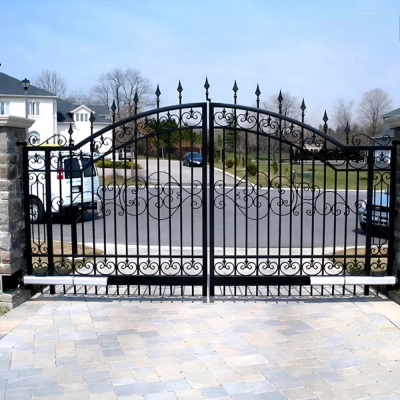
Powder Coated Wrought Iron Main Gate and Garden Fence for HousesNegotiableMOQ: 100 Square Meters
-
Elevate Your Garden With an Artistic Wrought Iron Garden Fence | Uniting Security & EleganceNegotiableMOQ: 100 Square Meters
-
Low-Maintenance Wrought Iron Garden Fence | Durable Powder-Coated Steel PicketsNegotiableMOQ: 100 Square Meters
-
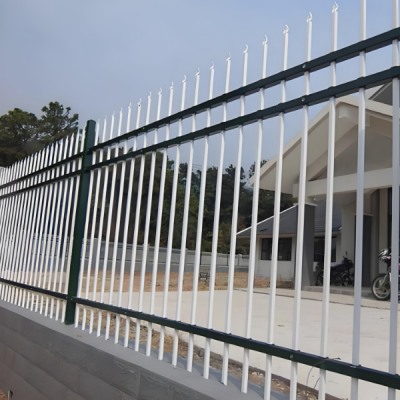
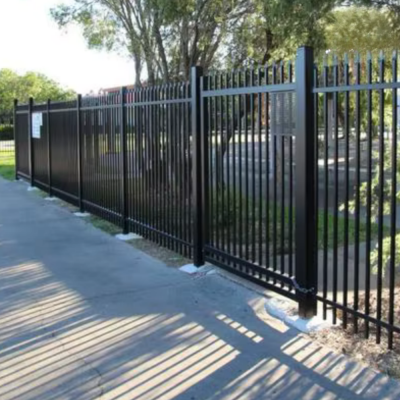
Heavy-Duty Villa Fence: 10 Gauge Steel Construction With Powder Coating for DurabilityNegotiableMOQ: 10 Sets

-
Anti-Slip Steel Grating Panels for Enhanced Safety in Wet and Slippery Work AreasNegotiableMOQ: 10 Pieces
-
Steel Grating for Stair Treads and Catwalks in Commercial and Factory BuildingsNegotiableMOQ: 10 Pieces
-
High-Security Villa Fence With Lockable Gates and Weather-Resistant Finish for Home ProtectionNegotiableMOQ: 10 Sets
-
Galvanized Steel Basketball Enclosure Netting / Ball Containment System With Frame for Outdoor CourtsNegotiableMOQ: 50 Square Meters
-
Vinyl Coated Chain Link Fencing for Basketball, Pickleball & Tennis CourtsNegotiableMOQ: 500 Square Meters