
 Business License

Heavy Duty Steel Grating: The Essential Grate for Industrial Applications
Durability, strength, and reliability are the three most important features that must be present in industrial equipment without any argument. Heavy-duty steel grating has become a prominent solution across sectors, delivering unrivaled performance in the most challenging environments. This material consistently demonstrates its worth whether it is acting as a support for heavy loads, providing security in areas with heavy traffic, or enduring extremely harsh conditions. In this article, the indispensable features, benefits, and uses of heavy-duty steel grating will be presented, and the reasons for its continued status as the first choice of professionals worldwide will be explained. If you are looking to optimize your industrial infrastructure or just want to know more about this essential element, you are in the right place. Find more info now.
Introduction to Heavy Duty Steel Grating
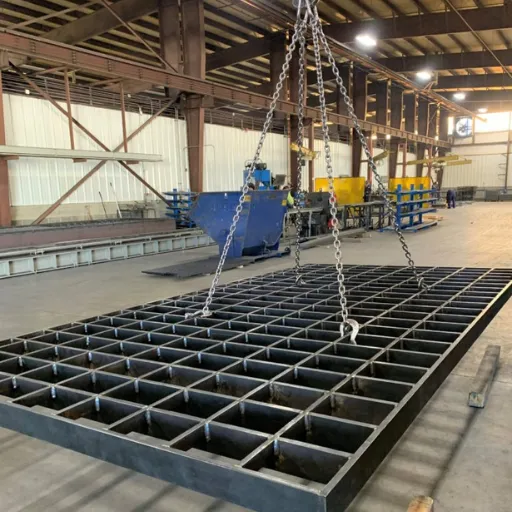
Heavy-duty steel grating is a strong and long-lasting material that can withstand extreme loads and harsh conditions. It is produced by either welding or fastening parallel bars together with crossbars, resulting in a rigid grid arrangement. Its exceptional properties have led to its wide-ranging usage in industries and various commercial sectors including flooring, walkways, drainage covers, and platforms. Moreover, its strength, corrosion resistance, and low maintenance requirements are primarily responsible for its adoption in the areas mentioned above. Its remarkable load capacity and multifunctionality make it a required solution in environments where reliability and safety are the primary concerns.
Importance of Heavy-Duty Grating in Various Industries
Heavy-duty grating is highly valued across many fields for its long life, high strength, and ability to withstand harsh environments. The vast variety of its industrial applications is mainly due to the safety, efficiency, and structural support it provides in different applications. Here are five major industries where heavy-duty grating is a common practice and what it offers them:
Oil and Gas Industry
Heavy-duty grating is used on offshore rigs, refineries, and chemical plants. It is due to its non-corrosive properties that it is able to bear heavy weights that are characteristic of hazardous environments and thus, becomes the ideal material for the place. Grating on the rigs, for instance, assures workers’ safety while also ensuring the drainage of liquids.
Manufacturing Industry
Heavy-duty grating is the main flooring material of factories and industrial facilities. It is used in stairs and even mezzanines. This type of grating can withstand heavy loads from machinery and equipment while still providing safe, non-slip surfaces for employees.
Transportation and Infrastructure
Heavy-duty grating finds its application in bridge decks, air vent openings, and road drains. Its performance remains consistent in the long term due to its durability, even under the pressure of constant vehicle traffic and environmental exposure.
Mining Industry
Mining companies put grating in their walkways, platforms, and drainage systems. The use of this kind of grating allows for both high load capacity and safer conditions, thanks to better human footing and more efficient water and debris drainage in rough terrain.
Wastewater Treatment Plants
Plants that handle wastewater heavily depend on grating for walkways, filtration systems, and drainage covers. Lysine's chemical resistance and heavy load support capacity are significant in these critical areas.
These instances are clear proof of the performance, safety, and efficiency endurance across the industries that heavy-duty grating increasingly provides and thus the large-scale applications along with the considerable benefits it offers.
Overview of Applications and Uses
Heavy-duty grating has become an indispensable material across various industries due to its remarkable properties of versatility, durability, and the ability to carry heavy loads even under challenging conditions. The following are a few of the applications along with supportive data that highlight its extensive use:
Industrial Facilities
Heavy-duty grating is widely utilized in industrial plants such as factories and manufacturing units for walkways, stair treads, and platforms. This application provides safety for workers in densely populated areas with heavy machinery. The latest industry reports indicate that durable grating solutions have been a significant factor in the 15% reduction in workplace accidents in industrial environments over the past ten years.
Oil and Gas Platforms
The offshore rigs and onshore oil extraction sites need reliable infrastructure that is capable of not only withstanding the corrosive environmental condition but also the enormous pressure. Heavy-duty grating, often made of stainless steel and FRP (fiber-reinforced plastic), is one example that meets these criteria. Evidence from major oil and gas companies indicates that the use of advanced grating systems has improved the structural stability of operational platforms, resulting in a 30% longer lifespan compared to conventional materials.
Transportation and Infrastructure
Grating is an essential resource for bridges, highway drainage systems, and ports, providing structural support and managing water flow. High-strength grating, for instance, is used for drain covers to mitigate flooding during heavy downpours. A recently conducted case study on urban infrastructure reported that cities which adopted modern heavy-duty grating in drainage channels were able to improve water evacuation efficiency by 20%.
Wastewater Treatment Plants
In wastewater treatment facilities, grating is the essential platform plus the filtration aid. The chemical and corrosion-resistant properties of this material make it very useful for processing and disposal operations. It has been reported that 70% of advanced wastewater treatment plants have chosen heavy-duty grating solutions as their primary option and this is mainly due to the fact that they are able to handle increased processing demands with minimal maintenance requirements.
Mining and Energy Sectors
Heavy-duty grating is the material that is genuinely used in mining sites for the areas that need to have high load-bearing capabilities and also be resistant to wear from the materials. In the energy sector, grating is used to build platforms for wind farms, which are one example of renewable energy installations that require maintenance access and walkways. Mining operations have claimed that throughput is 25% higher at sites where reinforced grating is used because downtime due to infrastructure-related problems is lower.
All these instances highlight the importance of heavy-duty grating across industries, with empirical evidence supporting its positive impact on operational efficiency and safety standards. Modern manufacturing processes have not only broadened its applications but also made heavy-duty grating an indispensable component of the ever-changing industrial and infrastructure demands.
Key Features of Heavy Duty Steel Grating
High Load-Bearing Capacity
Heavy-duty steel grating is the material that can bear a lot of weight and pressure. This is the reason it has been given a place in the industrial and infrastructure sectors. For instance, it can withstand loads of 7000 to 10000 lbs. per square foot, ensuring the surface's toughness in the harshest environments.
Exceptional Durability
Being made of high-grade steel it is incredibly durable and can withstand wear and tear even in the most challenging situations. Its strong and sturdy nature guarantees a long life thus cutting down the need for replacements.
Slip Resistance
The surface texture of heavy-duty grating is specifically designed to provide excellent grip for feet, thereby reducing the risk of slips and falls in wet or difficult conditions. This is especially important in places like factories and construction sites where the workers' safety is of utmost priority.
Corrosion Resistance
Heavy-duty steel grating, when coated with a coating like galvanization, becomes highly resistant to rust and corrosion. Therefore, it can be used safely in harsh environments, such as chemical processing plants or outdoor installations directly exposed to rain and sun.
Customizable Design
Heavy-duty steel grating is a product that can be made to order to meet the specific needs of a project, including different sizes, shapes, and load capacities. This adaptability enables it to be used in more areas and makes it more efficient in the applications for which it was designed.
Types of Heavy Duty Steel Grating
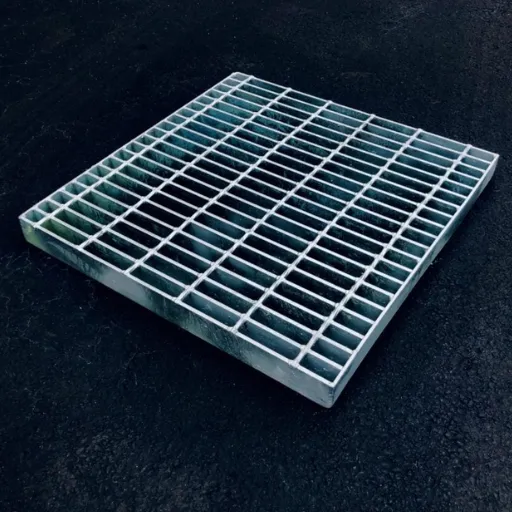
Welded Steel Grating
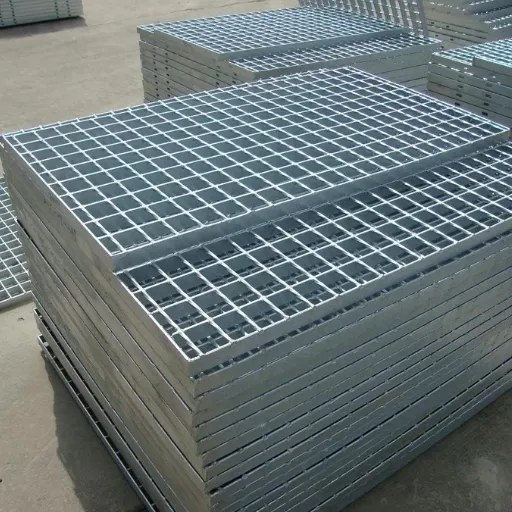
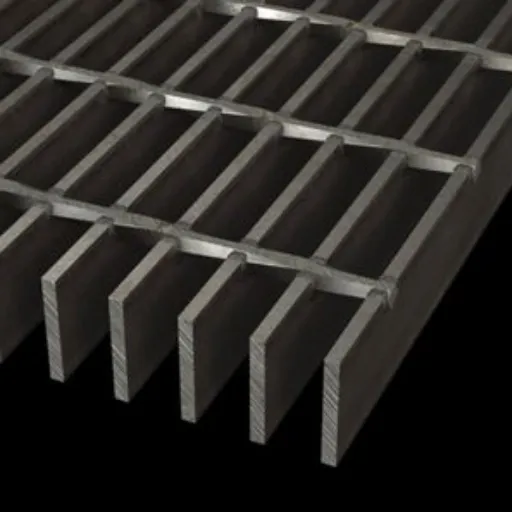
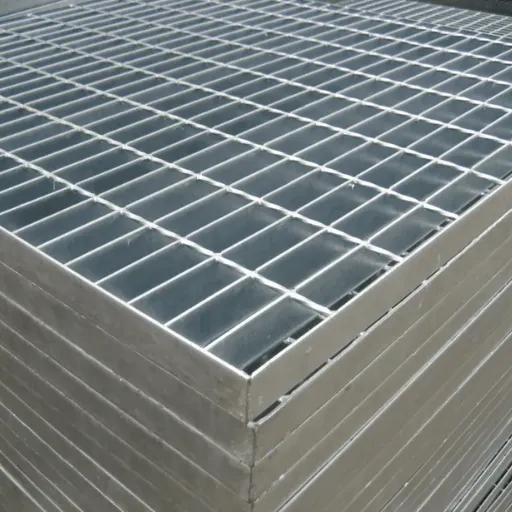
Welded steel grating is a type commonly used in heavy-duty applications. It is a strong, durable structure formed by welding steel crossbars to bearing bars at every intersection. This type of grating can be used in high-load applications such as industrial floors, trench covers, and platforms. Depending on bar spacing and material thickness, its load capacity can range from 7,000 to 15,000 pounds per square foot, and even higher.
Press-Locked Steel Grating
Press-locked steel grating uses a combination of heat and pressure to interlock the steel bars, ensuring a secure connection without welding. This type of connection is often used when appearance and a smooth surface are significant. Used in architectural designs, press-locked grating not only gives perfect load-bearing strength but also keeps the design cool. It can handle moderate to heavy loads and is often used for passerby paths, mezzanine floors, and city drainage systems.
Swage-Locked Steel Grating
The swage-locked grating is lightweight yet highly durable, making it suitable for applications such as bridge decking, catwalks, and offshore drilling. The locking of crossbars into bearing bars that creates the tough, durable structure is achieved through a hydraulic swaging process. When used with materials such as galvanized or stainless steel, this type of treatment delivers excellent performance in corrosive environments.
Heavy-Duty Riveted Grating
A riveted grating, or one with rivets, is used for hefty loads and extreme conditions. The reticulated bearing bars are connected at the intersections with rivets, which provide great strength that is almost unbreakable. This type is often the choice in places with heavy traffic, such as airport tarmacs, industrial plants, and rail yards, where load capacity can exceed 25,000 pounds per square foot.
Aluminum Heavy-Duty Grating
Technically, aluminum is not a steel, but it is still considered a heavy-duty type of grating due to its high strength-to-weight ratio. Besides being lightweight, it is also corrosion-resistant and easy to fabricate. These very properties make it a good candidate for the wet and marine environments. Aluminum grating’s resistance to environmental wear and tear is superior to others and for this reason, it is used in chemical plants and wastewater treatment facilities.
Fiberglass Reinforced Plastic (FRP) Grating (Alternative Option)
FRP grating is not a steel type, however, it has been increasingly considered as an alternative in some heavy-duty applications. It is non-conductive, lightweight, and corrosion-resistant, making it ideal for places where electrical or chemical safety is a concern. FRP can bear moderate-weight applications and its life span is remarkable even in harsh environmental conditions.
By knowing the different kinds of grating you can find one suitable for your industry based on load requirements, environment, and application. The data on the strength and capacity indicates the reliability of these gratings, thereby ensuring safety and efficiency in a variety of tough environments.
Metal Bar Grating Products
Metal bar grating products are a great choice for different industries and commercial purposes because of their excellent strengths, great durability, and amazing versatility. They are made by either welding, press-locking, or swaging metal bars together, which results in a strong but light panel that can accept heavy loads and survive even the unfriendliest of environments.
Common Types of Metal Bar Grating:
Welded Bar Grating
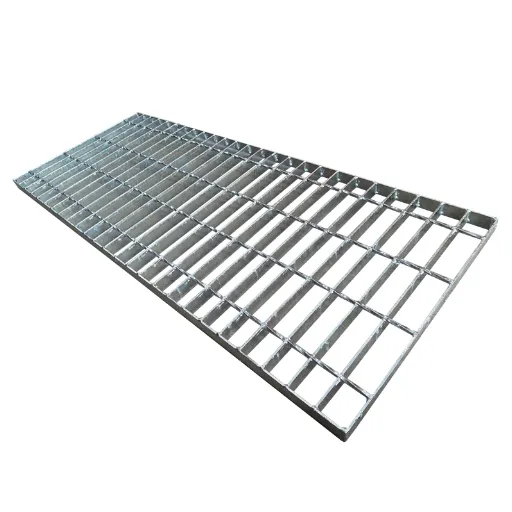
Welded bar grating is a widely used design. It is made by welding metal cross bars to the bearing bars at each junction. This kind of grating is an excellent choice for heavy load areas as it offers very good durability and resistance to slipping. It is often found in walkways, platforms, and treads of stairs.
Specifications Example
Load Capacity (for 1"x3/16" bearing bars):
Can support up to 36 inches under uniform load.
The materials most commonly used are carbon steel, galvanized steel, and stainless steel.
Serrated Bar Grating
Serrated bar grating has serrated edges at the top of the bearing bars which provides more resistance against slipping. This makes it fitting for places that are wet or have oil, like offshore platforms or food processing plants.
Specifications Example
The depth of serration is usually between 1/5" and 1/4".
The weight tolerance of the serrated grating is a bit less compared with the standard welded grating but there is a significant safety trade-off in this case.
Heavy-Duty Bar Grating
Heavy-duty grating is ideal for applications where huge load-bearing capacity is needed. Such grating is made with thicker and wider apart bars. This type of product is mainly used for industrial floors, highways, and loading docks.
Specifications Example
Heavy-duty grating can support loads of up to 25,000 lbs caused by vehicular traffic.
Available in rectangular and I-bar shapes.
Swage-Locked and Press-Locked Grating
Swage-locked grating means using mechanical methods to lock bearing and earth bars together by changing their shape, thus creating a very strong bond. Press-locked grating does it in a similar way; it is by placing bars together and then making notches in them. These kinds of grating are often picked when it is necessary to have very close tolerances and very smooth surfaces.
Material Options:
Carbon Steel (durable and low-cost, best for general industrial use)
Galvanized Steel (extra corrosion resistance for outdoor use)
Stainless Steel (best for sanitary or hostile environments, like food processing or chemical plants)
Aluminum (lightweight and corrosion-resistant, used in architectural applications)
Key Performance Data (Average Load-Bearing Capacity*)
Standard Welded Grating (1"x3/16" Bars)
Point Load up to 5,000 lbs
Uniform Load up to 2,000 lbs/sq ft
Heavy-Duty Grating (2"x1/4" Bars)
Point Load up to 15,000 lbs
Uniform Load up to 6,000 lbs/sq ft
(*Values vary based on manufacturer and specific panel dimensions.)
Applications of Metal Bar Grating:
Industrial Sectors
Bar grating is being used by factories, power plants, and oil refineries for walkways, platforms, and drainage covers.
Architectural Projects
Aluminum or stainless steel grating will be found in building facades, sunshades, and decorative flooring.
Transportation
Great for bridge decking, airport runways, and maintenance access areas.
Maritime & Offshore
Serrated grating used in oil rigs and ship decks to specifically prevent slips.
Factors like expected load, exposure to the environment, and material choice are important when selecting a grating product. Furthermore, modern manufacturing methods have made it possible to have various customizations, such as adding coatings for higher corrosion resistance or making specific grip designs that meet safety needs. Metal bar grating is still a very important and necessary product in many different fields, as it combines strongness with usefulness.
Heavy Duty Bar Grating Variations
Heavy duty bar grating comprises a variety of types, where each type is specifically designed to bear certain loads, resist the challenges of the given environment, and serve a certain application. The list below is composed of five most important variations of heavy duty bar grating along with their characteristics:
Welded Heavy Duty Grating
Details: Gives high strength and durability; produced by welding rectangular cross bars at right angles to the bearing bars. This method guarantees the highest capacity for carrying loads as well as resistance to impacts.
Applications: Mostly found in industrial floors, highways, bridges, and truck docks.
Press-Locked Heavy Duty Grating
Details: Created by press-fitting cross bars into the slotted bearing bars under immense pressure. This kind has a smooth appearance but at the same time has strong structural support.
Applications: Encompasses architecture, pedestrian walkways, and public spaces.
Riveted Heavy Duty Grating
Details: Rivet joints connect the bearing bars and cross bars. Such a variant is characterized by low deflection and high resistance to stresses needed in some industrial applications.
Applications: It is often utilized in high-traffic areas, bridges, and cranes.
Swage-Locked Heavy Duty Grating
Details: Cross bars are locked into bearing bars mechanically. The method of producing this material leads to a strong, rigid connection due to the tightly sealed manner in which the bars are joined together.
Applications: It can be used in offshore platforms, industrial plants, and facilities for waste management.
Aluminum Heavy Duty Grating
Details: Being light in weight but strong at the same time, aluminum heavy duty grating is non-corrosive and therefore can be used in several applications. The natural oxidation of the material increases its resistance to harsh environments giving it more longevity.
Applications: It is suitable for marine environments, chemical plants, and places where lightweight materials are necessary.
Each variation presents different advantages, thus making it possible to find a solution for any heavy-duty requirement without compromising on safety and maintenance.
Benefits of Using Heavy Duty Steel Grating
Exceptional Strength and Load-Bearing Capacity
Heavy-duty steel grating is presented as an excellent alternative to steel bars when the need for high load-bearing capacity arises. Its strength-to-weight ratio guarantees that it will not give way even if subjected to extreme pressure.
Long-Lasting Durability
The life expectancy of steel grating is further increased by the fact that it is first coated with corrosion-resistant layers, like galvanization, before it is exposed to environmental harshness, such as wet and chemically aggressive conditions.
Slip Resistance for Enhanced Safety
Serrated surfaces are among the characteristics of heavy-duty steel gratings, which give them remarkable slip resistance. Their adoption in spill or moisture-prone locations, therefore, raises safety levels and decreases the likelihood of accidents.
Versatile Applications Across Industries
Heavy-duty steel grating has the quality of being very versatile, which is why it is used in various industries such as energy plants, multiple transport facilities, and infrastructure development. They can support different weight and load requirements and thus have broad applicability.
Low Maintenance Requirements
Steel grating is naturally strong and resistant to corrosion, thus limiting the maintenance it requires. This helps in reducing long-term maintenance costs and providing an economical solution to the heavy-duty applications.
Durability and Load-Bearing Capacity
Steel grating is well-known for its remarkable durability as well as its very high load-bearing capacity, thereby being a perfect option for the most demanding industrial applications besides its good quality and affordable price. Grating made from high-strength materials such as carbon steel or stainless steel is built to survive very harsh environment conditions such as heavy impact, high pressure, and wide-range temperatures. Recent reports suggest that steel grating could bear loads of up to several tons per square foot, depending on how the bars are arranged and their thickness, which is why steel grating is found in heavy-duty places such as oil rigs, ship decks, and manufacturing plants.
The lifetime of steel grating is made even longer with surface treatments that include galvanization, giving it a thicker barrier to corrosion and wear. Research says that galvanized grating could be useful for up to 50 years in mild environments and 25 years in more heavily industrialized or coastal areas. This durability factor along with the fact that steel grating can hold both moving and non-moving loads makes it a trustworthy and permanent solution in critical infrastructure like power plants and high-performance applications like data centers. Such developments as bridge decking systems and high-capacity industrial platforms have repeated the benefits of quality over time in terms of load resistance and lifespan, orienting steel grating as concern component of the present day in the field of engineering.
Cost-Effectiveness and Longevity
Steel grating is regarded as a highly cost-effective option in the contemporary infrastructure projects owing to its properties like long-lasting and maintenance-free nature. Its durability and how well it withstands corrosion and other environmental factors play a major role in cost-cutting by way of reducing the need for repairs. Recent surveys indicate that galvanized steel grating may last more than 50 years under normal atmospheric conditions, and in tough industrial or marine environments it can last over 25 years, if maintenance is done properly. The long service life that accompanies the use of grating means that fewer replacements are needed, and this is a factor that enhances the return on investment.
The production has become more and more efficient, with techniques like automated welding and precision cutting that lessen the time of production and the waste of materials. All these innovations help to maintain the competitive nature of the steel grating in terms of the upfront costs. Also, the excellent strength-to-weight ratio of steel grating makes it possible to use less material efficiently which, in turn, results in the overall savings in the civil construction projects. For instance, it is reported by researchers that the use of steel grating instead of the traditional reinforced concrete for bridge decking can result in a saving of material costs up to 20% and also cut down the project time because of its quick installation.
The durability, low maintenance, and efficient material use together ensure that the market for steel grating is still open and attractive from the point of view of both, economy and sustainability even in the most demanding applications.
Safety Features: Slip Resistance and Strength
Steel grating is a material with numerous safety features and that is why it is so widely used. Its main advantages in terms of good slip resistance and high strength are summed up in five features listed below:
Anti-Slip Surface
Steel grating can be treated with serrated edges or special coatings for improving traction that will cut the occurrence of slips and falls in dry and wet environments by a large percentage.
High Load-Bearing Capacity
Steel grating's strong structural design allows it to support great weight, making it suitable for industrial walkways, bridges, and platforms among others.
Durable Under Extreme Conditions
Steel grating is still strong and effective in such extreme cases as very high and very low temperatures or areas that are very corrosive due to the use of certain chemicals.
Open Design for Drainage
The drainage problem is solved by the open grid pattern of steel grating which allows liquids and debris to flow through easily thus preventing the formation of slippery substances at the surface and maintaining a safer conditions.
Compliance with Safety Standards
A lot of the steel grating products are in compliance or even go beyond the international safety standards which verifies their safe use and also keeps the industry regulations for safe installations that the companies would have to abide by, in case they are not using steel grating.
These attributes raise workplace safety and reliability in the first place and especially in those industries where slip risks and high load demands are the main difficulties.
Factors to Consider When Choosing Steel Grating
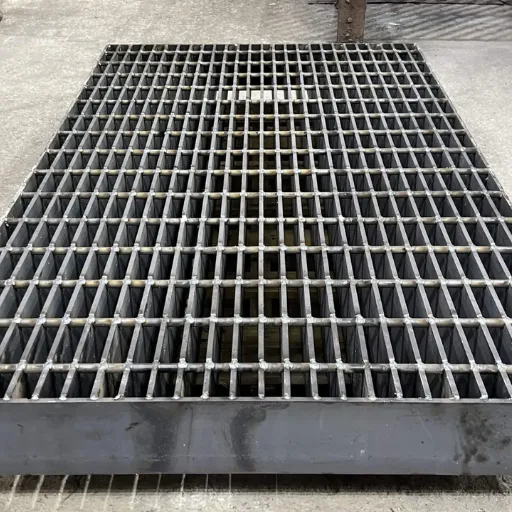
In the case of the selection of steel grating for your project, it is imperative to scrutinize a number of important factors so that the product will be suited to your unique requirements. Here are the five factors that are most important to consider:
Load-Bearing Capacity
Make sure that the steel grating will be able to endure the anticipated load, be it pedestrian traffic, heavy machinery, or vehicles. The products are usually marked according to their load class, which provides some information about the maximum weight the grating can support without deforming.
Material Type
The steels gratings are available in different materials, such as carbon steel, stainless steel, and aluminum. Pick the material according to the use of the grating and the project requirements, such as corrosion resistance or weight limitation.
Surface Finish
Choose smooth or serrated surfaces according to the slip resistance requirements of the application. The serrated surfaces are beneficial in case of the environments which are inclement and where slip hazards due to moisture or oil are present, thus promoting safety.
Open Area Percentage
Examine the open area of the grating to ensure that the required application gets the drainage, ventilation, or light penetration that is adequate. A larger open area is perfect for drainage but may decrease the strength of the grating.
Compliance with Standards
Check that the steel grating is in compliance with the respective industry standards such as ISO or ASTM. Being compliant means that the grating is safe, will not wear out easily, and is suitable for installation in situations where its use will be demanded for a long time.
Understanding Load Tables and Spacing
The load tables and spacing are the major factors that must be present when choosing steel grating for either industrial or structural use. Load tables exhibit the grating's load-bearing capacity in detail under different conditions, and spacing specifies the distance between the bearing and cross bars and affects the strength and functionality of the grating.
Load Tables
Load tables are very important for ascertaining the maximum load capacity of the grating that it is safe and efficient to use. The data are usually uniform load ratings, concentrated load capacities, and deflection limits, for instance, when:
A regular steel grating having a bearing bar spacing of 30 mm may allow a uniform load of 5 kN/m² with a displacement of roughly 2 mm.
Heavy machinery wheels, which are the source of concentrated loads, may have different performance characteristics, and these would be specifically faithful in the load table to facilitate the particular applications.
Moreover, load tables frequently group grating performance according to:
Span Length: The measurement of the distance between two supporting points.
Bar Thickness and Height: Heavier and taller bearing bars are able to carry larger loads.
Material Type: Variations like carbon steel, stainless steel, and aluminum affect the load capacities.
Spacing
Spacing is also very important as it decides the grating's applicability in cases of noise control, water removal, and safety. The following are the most frequent spacing arrangements:
Standard Spacing (e.g., 30 mm x 100 mm): Perfect for foot traffic and light loads, giving a mix of strength and area.
Wide Spacing (e.g., 40 mm x 100 mm): Used when the area for drainage is to be high but normally for lower load applications.
Narrow Spacing (e.g., 20 mm x 100 mm): Great for places that need maximum strength and stability like heavy machinery or cars.
By taking the right combinations of load tables and spacing, steel grating is guaranteed to be safe and practical for its intended use. For instance, if the grating is laid down in the areas where the traffic of forklifts is heavy, it becomes very important to choose a configuration that will support the point loads created by the wheels through the least deflection.
Choosing Between Standard Duty and Heavy Duty Options
When it comes to steel gratings, the choice between standard duty and heavy duty must be based on the maximum loading of the application, the surrounding factors and the price aspect. The following five points are the main factors to be considered in this decision process:
Load-Bearing Capacity
Standard Duty: It is capable of bearing pedestrian traffic and light vehicular use, thus having moderate loading requirements.
Heavy Duty: It is meant for the areas facing simultaneous high static and dynamic loads such as forklift or truck traffic, thereby securing the longevity of the grating under high stress.
Bar Spacing
Standard Duty: The wider bar spacing reduces the costs and thus this type of grating can be used in low-load environments.
Heavy Duty: The closer bar spacing guarantees a higher load-bearing capacity and lesser shrinkage at the point of contact during the load application.
Material Thickness
Standard Duty: The materials are less bulky and thinner which is good in cases where economic efficiency is the priority.
Heavy Duty: The bars and the cross members are thicker which further strengthens and extends the grating's usability in the application of demanding situations.
Budget Considerations
Standard Duty: The price is lower and the option is more practical for low to medium-load applications.
Heavy Duty: The initial cost is high but it provides a long service life and reliability even in the most demanding applications.
Applications
Standard Duty: Sidewalks, platforms, fencing, and drainage covers.
Heavy Duty: Weighbridges, airstrips, heavy machine platforms, and industrial roads.
By looking over these aspects, you make sure of getting the proper steel grating type for your particular application, where performance requirements and cost will be balanced.
Fabrication and Customization Options
Different fabrication and customization methods can be applied to steel grating to fit the particular project requirements. These operations not only make the product suitable for the specific application but also prolong its life and enhance its performance.
Cut-to-Size Options
The manufacturers are providing the cutting service, with utmost care and in a very precise manner, to supply grating panels according to the specified size. This leads to the elimination of onsite adjustments and a fitting that is clean, quiet, and professional, thus installation time and costs are reduced.
Surface Treatments
Galvanization: Hot-dip galvanization is a very commonly used method to coat which results in superior resistance to corrosion. Depending on the environmental conditions, the life span of galvanized grating can be as long as 50 years which makes it a great choice for outdoor and marine applications.
Painted Coatings: Epoxy or powder-coated options can be tinted to any color, thus giving the grating both cosmetic appeal and extra protection against normal deterioration.
Anti-Slip Coatings: Traction is improved by the use of special coatings like serrated or grit coverings that are specifically used in wet or slippery conditions that are found in high-traffic areas, thus reducing the risks of accidents.
Load-Bearing Adjustments
One can manipulate three factors of steel grating: bar depth, thickness, and spacing between the bars to make it compliant with the load-bearing requirements of a specific application. For instance, the grating for heavy machinery platforms may have thicker bars to resist wear and tear.
Custom Shapes and Patterns
Using advanced laser cutting and CNC machining techniques, it is possible to make grating in any shape other than the conventional ones, e.g. circular or irregular ones. Moreover, custom patterns can be added, making the grating suitable for even architectural or decorative uses.
Attachment and Installation Hardware
Grating installation can be made easier with the supply of custom-made clips, fasteners, and brackets. These components not only keep the installation secure but also decrease the likelihood of structural failure especially if it’s a situation of dynamic or high-vibration environment.
Sustainability Features
More and more manufacturers are now producing steel grating from recycled materials, which is a step towards eco-friendly construction. The demand for recyclable materials is on the rise in green building initiatives which are also a way to meet LEED certification goals.
Recent Advances and Standards
The latest developments consist of the use of highly durable stainless steel in conjunction with other materials, e.g. stainless steel for long life even in corrosive environments such as chemical plants or saltwater docks. Compliance with international standards ASTM A123/A123M for the galvanization process guarantees product quality and durability.
Steel grating can be optimized for performance, safety, and aesthetic appeal through these fabrication and customization options making it adaptable to the exact needs of today's industrial and architectural projects. Always consult manufacturers to discover the entire range of possibilities customized for your specific applications.
Recent Trends and Innovations in Steel Grating
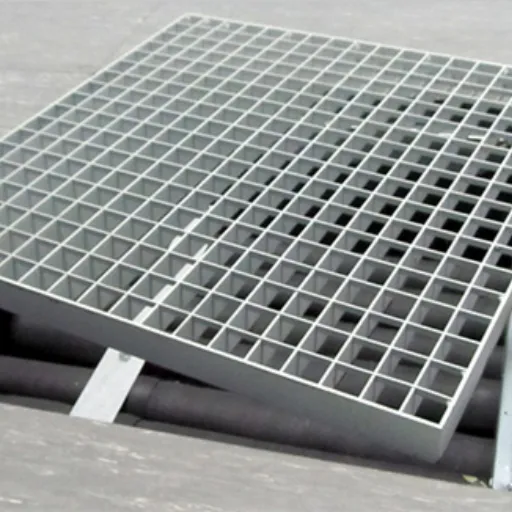
The steel grating market is witnessing remarkable technological evolution, and also the use of sustainable practices and the application of innovative manufacturing methods. One of the most important steps is the use of advanced materials, for example, stainless steel grades which have improved corrosion resistance. The use of these materials reduces the need for maintenance and when done over time, it proves to be cost-effective.
Integration of advanced manufacturing processes is another major development in the industry where processes like robotic welding and CNC machining are helping not only precision but also steel grating production, automation being the main factor of such developments. Just think if the big mistakes are minimized and the same high-quality products are still made; then, it would be possible for the manufacturers to quickly cater to the stringent project specifications.
Sustainability is the main focus that has been put forth in the industry i.e. eco-friendly production methods will be prioritized by the manufacturers through the use of recycled steel alongside producing very little waste in the process of making the products. The latest statistics show that recycled steel accounts for about 70% of global steel production raw materials which in turn tells us about the steel industry's turning towards greener ways.
At the same time, the market is witnessing the rise of customizable and modular grating solutions. Architects and engineers are winning challenges to come up with unique designs through fabricated panels that meet and even exceed both aesthetic and function requirements. Load-bearing capacities, anti-slip coatings, and even aesthetic finishes are being developed in a way that they coincide with project goals while being compliant with international safety standards.
In addition, smart technology is being introduced into the steel grating systems. Sensors installed can continually monitor the integrity of the structure, the amount of weight it can hold, and the environmental conditions as well, giving very important information for predictive maintenance. There are reports from the construction technology sector which say that such innovations can cut down maintenance costs by as much as 30%.
The trends mentioned are an example of the way the steel grating industry is revolutionizing itself according to the needs of modern times, thus, not only robust and functional but also sustainable and technology advanced products are offered. Organizations in the industrial and architectural sectors can reach new performance and efficiency levels in their projects by taking advantage of these cutting-edge technologies.
Galvanization and Corrosion Resistance
Galvanization is a key factor in the durability and life of steel grating corrosion resistance. The procedure consists of applying zinc on the steel surface which eventually forms a protective layer that fights off the main causes of corrosion and degradation that are moisture and oxygen respectively. Galvanized steel grating is highly appreciated in industries that frequently encounter severe environmental situations.
Generally, the corrosion protection extended by the zinc coating is one of the major advantages of the galvanization process and steel grating. Here are some of the key points illustrating this zinc layer's role:
Enhanced Corrosion Resistance
The zinc coating acts as a strong shield, and it is quite hard for the rust to occur under the coating, even in saline or high-humidity areas.
Low Upkeep Expense
Galvanized steel demands practically no care, hence reducing the long term costs that are linked to maintenance and repair.
When properly treated with galvanization, steel grating may be used for several decades, and in some places, it even exceeds 50 years with barely any signs of wear.
Environmental Friendly
The process of galvanization is considered eco-friendly since the used zinc can be recycled and the life of the existing metal increased thus saving resources.
Uniform Protection
The method of galvanization guarantees that all the surface will receive the same thickness of coating, i.e. edges, and corners as well, thus providing equal protection against corrosion.
The process of galvanization is like a lifeline for the steel grating industry, making it a reliable and cost-effective option for various demanding applications. Besides, it not only adds to the strength but also maintains the performance in extreme conditions.
Emerging Materials and Technologies
The very first point that could be considered as the main argument for talking about the rapid and at the same time positive changes in the field of material science and the unyielding technological innovation is how the industry areas worldwide get gradually transformed. To mention a certain development, graphene-enhanced composites' entry into the market can be put forward as one such important advancement. Graphene, when speaking literally, is merely one atomic layer of carbon, whereby the carbon atoms are tightly bonded and organized in a honeycomb pattern, thus, being considered as the strongest that can ever exist along with possessing very good thermal and electrical conductivity and other such remarkable properties. There are a number of different industries which are asking for more and more graphene containing materials for their use from the military to consumer electronics, with research proving that it gives up to 150% more tensile strength to the composite materials.
In addition, healing materials are proving to be more and more popular in building and manufacturing sectors. Main components of these materials are often synthetic and natural polymers or microcapsules, which are capable of doing an automatic repair in case of cracks and damages. Thus, they can prolong the life of infrastructures and lessen the maintenance costs. A classic example of self-healing concrete is the one that has bacteria in it which makes calcium carbonate if moisture and oxygen are provided and thus, sealing cracks and protecting the area from further damage. The use of self-healing concrete in building construction is estimated to have a maximum 50% decrease in repair cost.
In the meantime, 3D printing materials have still got the upper hand in reshaping the whole manufacturing and product designing world. The capability of manufacturing complex structures cheaper and quicker has brought about a whole range of applications in the medical sector, one of which is that the embryonic stage of development of bioengineered 3D-printed tissue scaffolds. Besides, the process of making things like titanium alloys and biodegradable plastics for 3D printing has also been going on and thus, once again, high-performance and environment-friendly solutions are available in different industries.
The new materials and technologies not only mean a change in the way the industry handles problems, but they also denote a transition to smarter and more efficient ways at the same time. Adopting them not only means getting the most out of the processes but also achieving the objectives of being environmentally friendly, thus, making a future that is more resilient and creative.
Market Insights and Future Projections
As far as I'm concerned, the market has plainly to a greater extent reliance on sustainability and tech innovations. It is the increasing quest for top of the range materials such as titanium alloys and biodegradable plastics that are indication for the manufacturers to come up with products that have both high performance and eco-friendliness. I foresee that this movement will not only transform the sectors but also lead the investments into 3D printing technologies and open-door for a balanced future of economic development and sustainability.
Frequently Asked Questions (FAQ)
What are the applications of heavy duty steel grating?
Heavy duty steel grating is majorly utilized in industries with heavy loads like loading docks, platforms, and even walkways. It gives invincible and everlasting surface that is capable of carrying the weight of machines, tools, and even pedestrian traffic without breaking.
How is heavy duty welded bar grating made?
The making of heavy duty welded bar grating takes place by the process of welding together the bars and cross bars to produce a solid and strong structure. Usually, the bars are comprised of carbon steel which is further subjected to hot dip galvanizing for corrosion resistance. These production methods are the reasons why grating can effectively manage heavy rolling and static loads.
What are the advantages of heavy duty galvanized grating?
Galvanized heavy-duty grating gives very high corrosion resistance which is the main reason it can be used outside as well as in factories and places with harsh environments. The process of hot dip galvanizing coats the steel with a layer that is impervious to rust thereby increasing the life of the grating tenfold and also making it trustworthy under different weight conditions.
What is the regular dimension of the bars and spacing for the steel bar grating?
The bar size and spacing for steel bar grating may vary according to the specific application and load requirements. Normal bar sizes consist of 1", 1.5", and 2" with openings of either 1", 2", or 3". It is very vital to consult load tables so as to verify the selected grating's capacity to handle the anticipated loads.
Is it alright to use heavy-duty steel grating for pedestrian walkways?
Heavy-duty steel grating is suitable for walkways with pedestrian traffic. The serrated surface of the grating provides resistance to slipping and hence it is a safe option in places with a lot of movement. Besides, the close mesh design prevents even the tiniest objects from dropping through.
What role does a welded band bar play in heavy-duty grating?
A welded band bar facilitates the spreading out of the impact loads over the entire grating surface which is crucial especially if the application is of rolling or shock loads as it disperses the load evenly thus increasing the durability and efficiency of the grating.
Are there ADA requirements for steel grating?
The Americans with Disabilities Act (ADA) stipulates that surfaces designated for pedestrian access must meet specific standards. Heavy-duty steel grating can be designed in compliance with these requirements, thus making it safe and accessible to all users in the process.
What kind of stair treads does heavy-duty welded grating have?
There are different types for heavy-duty welded grating stair treads such as those with serrated surfaces for grip. These treads can be tailor-made to the precise stair dimensions and can be either hot dip galvanized or bare steel depending on the surrounding conditions.
How does the standard duty grating differ from heavy-duty welded grating?
Standard duty grating is not suitable for heavy applications while heavy-duty welded grating is capable to bear such loads and tolerate difficult conditions. The heavy duty types are usually made using thicker bearing bars and closer spacing to support the heavy loads, thus making them perfect for industrial environments.
Recently Posted
-
Building a Security Fence: Your Guide to High-Security Solutions
February 5, 2026The security fence functions as the primary defense system of your commercial property, industrial site, and private estate becaus Read More
 -
How to Build a Security Fence: A Comprehensive Guide to Installing Chain Link Security Fences
February 4, 2026Constructing a security fence is an effective way to protect your property, define its boundaries, and enhance your privacy. The v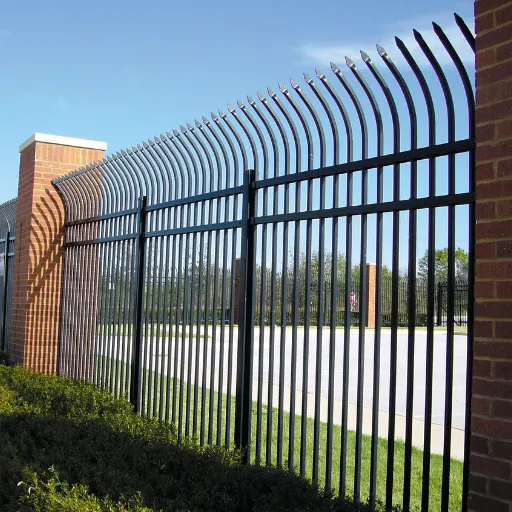 Read More
 -
Iron Yard Fence: The Ultimate Guide to Wrought Iron Fencing for Your Garden
February 3, 2026The design of a garden fence goes beyond establishing property borders because it serves two main purposes by enhancing the visual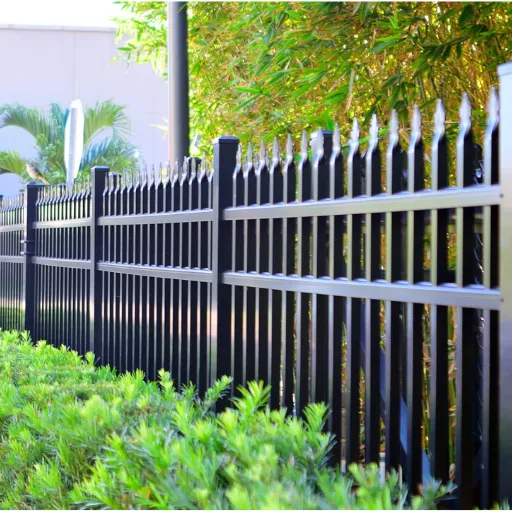 Read More
 -
Cast Iron Garden Fence: The Ultimate Guide to Durable and Decorative Garden Edging
February 2, 2026The cast iron garden fence functions as a boundary that creates an everlasting combination of practical use and aesthetic beauty t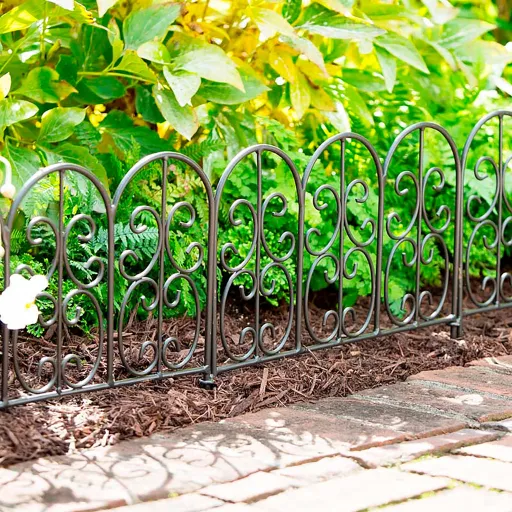 Read More

Contact Us
Recommended Products
-
 Durable Imitation Bamboo Fence for High-Traffic Public SpacesNegotiableMOQ: 50 Square Meters
 -
Customizable Imitation Bamboo Fence With On-Site Measurement ServiceNegotiableMOQ: 50 Square Meters
-
Modular Imitation Bamboo Fence Panels for Quick InstallationNegotiableMOQ: 50 Square Meters
-
Imitation Bamboo Privacy Fence With Reinforced Aluminum BaseNegotiableMOQ: 50 Square Meters
-
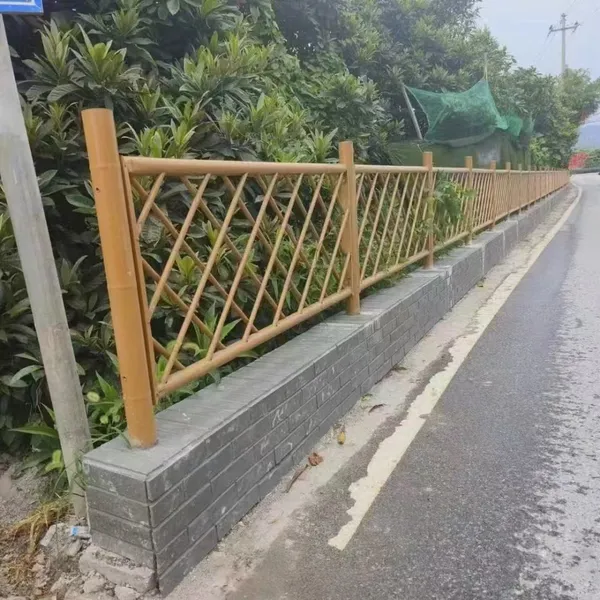
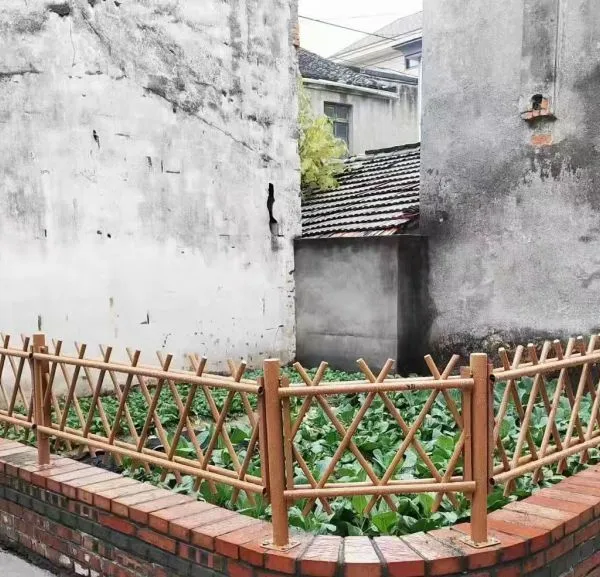
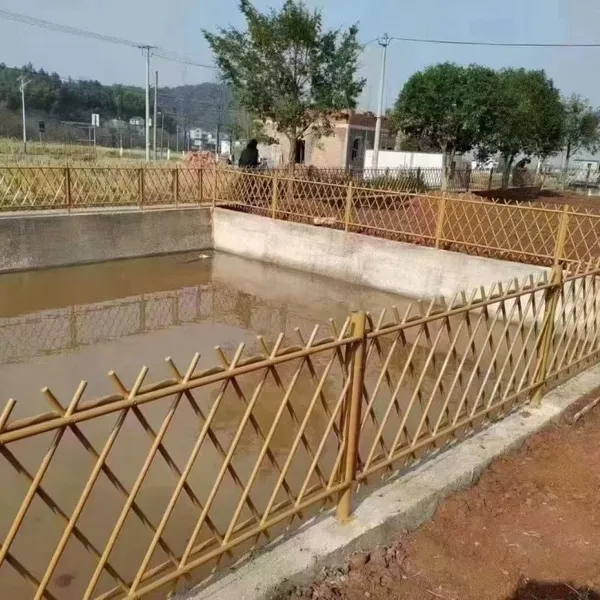
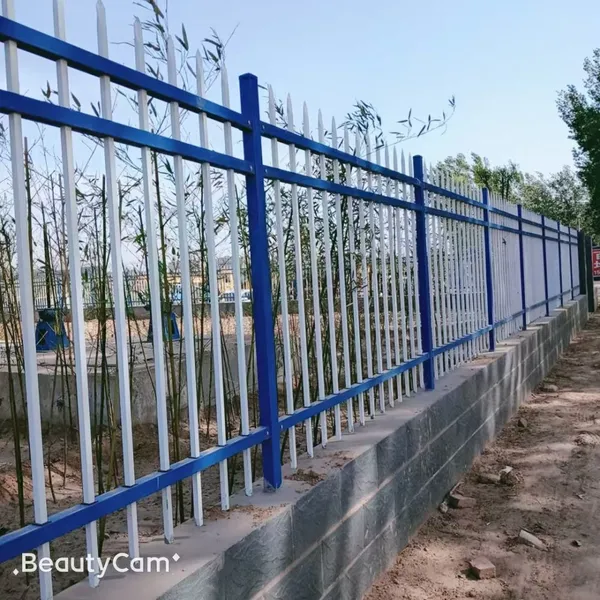
Commercial Grade Villa Fence for Real Estate Developments and Hotel Perimeter ApplicationsNegotiableMOQ: 10 Sets
-
Industrial Steel Grating Solutions for Oil and Gas Platforms, Compatible With Harsh ConditionsNegotiableMOQ: 10 Pieces
-
Basketball Court Fence 4M Height, Galvanized Steel Chain Link Mesh for Outdoor Sports Field PerimeterNegotiableMOQ: 50 Square Meters
-
Chain Link Basketball Court Fence Offering Anti-Rust Protection and Long-Term PerformanceNegotiableMOQ: 50 Square Meters
-
European Style Villa Fence Concrete Base Installation Courtyard Boundary WallNegotiableMOQ: 100 Square Meters
-
Galvanized Steel Villa Fence With Powder Coating for Superior Corrosion ResistanceNegotiableMOQ: 100 Square Meters
-
Powder-Coated Basketball Court Fencing With Weatherproof Finish for Long-Term Outdoor ApplicationNegotiableMOQ: 100 Square Meters
-
Powder Coated Wrought Iron Main Gate and Garden Fence for HousesNegotiableMOQ: 100 Square Meters
-
Elevate Your Garden With an Artistic Wrought Iron Garden Fence | Uniting Security & EleganceNegotiableMOQ: 100 Square Meters
-
Low-Maintenance Wrought Iron Garden Fence | Durable Powder-Coated Steel PicketsNegotiableMOQ: 100 Square Meters
-
Heavy-Duty Villa Fence: 10 Gauge Steel Construction With Powder Coating for DurabilityNegotiableMOQ: 10 Sets

-
Anti-Slip Steel Grating Panels for Enhanced Safety in Wet and Slippery Work AreasNegotiableMOQ: 10 Pieces
-
Steel Grating for Stair Treads and Catwalks in Commercial and Factory BuildingsNegotiableMOQ: 10 Pieces
-
High-Security Villa Fence With Lockable Gates and Weather-Resistant Finish for Home ProtectionNegotiableMOQ: 10 Sets
-
Galvanized Steel Basketball Enclosure Netting / Ball Containment System With Frame for Outdoor CourtsNegotiableMOQ: 50 Square Meters
-
Vinyl Coated Chain Link Fencing for Basketball, Pickleball & Tennis CourtsNegotiableMOQ: 500 Square Meters