
 Business License

Galvanized Steel Grating: The Essential Choice for Heavy-Duty Applications
Out of all materials used in heavy-duty applications, galvanized steel grating is the most superior one because of its durability and strength as well as versatility. Besides, it can be used in industrial facilities, construction sites, and transportation centers; this sturdy material can handle the most challenging situations. However, what exactly gives galvanized steel grating its extraordinary power in these areas? In this post, we will take a closer look at the key properties, advantages, and uses of the product, while also offering an eye-opening reason for its acceptance by engineers, architects, and industry experts alike. If you are looking for a material that combines performance with a long life span, then go through the article to learn about the possibilities this strong product would hold for your upcoming project. Find more info now.
Overview of Galvanized Steel Grating
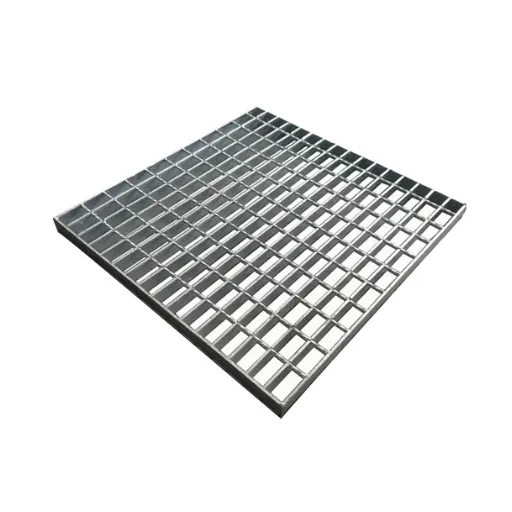
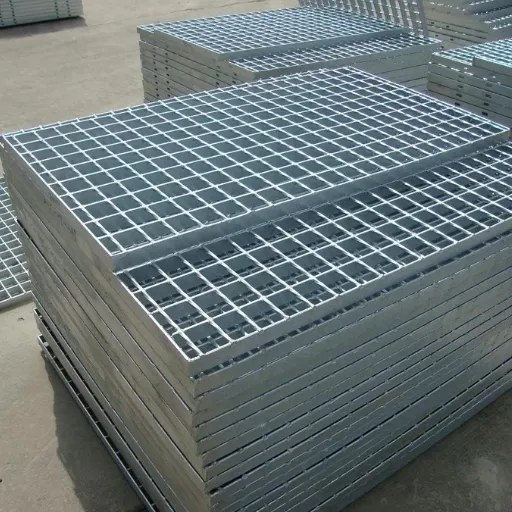
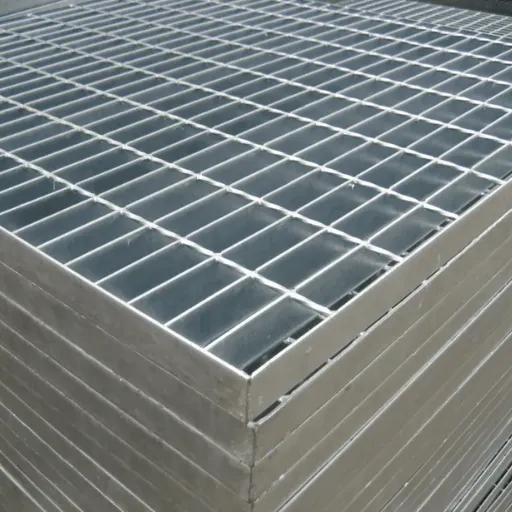
Galvanized steel grating is a very durable and versatile material that combines steel's strength with a protective zinc coating that resists corrosion and wear. It is mainly used in industrial, commercial, and architectural applications and offers excellent load-bearing capacity while remaining lightweight and easy to install. Its resistance to corrosion makes it very suitable for the environments that are continually exposed to moisture, chemicals, or extreme weather since the performance will be long-term with very little maintenance. Some typical applications include walkways, platforms, drainage covers, and safety barriers, where strength, longevity, and safety are critical.
Definition and Composition
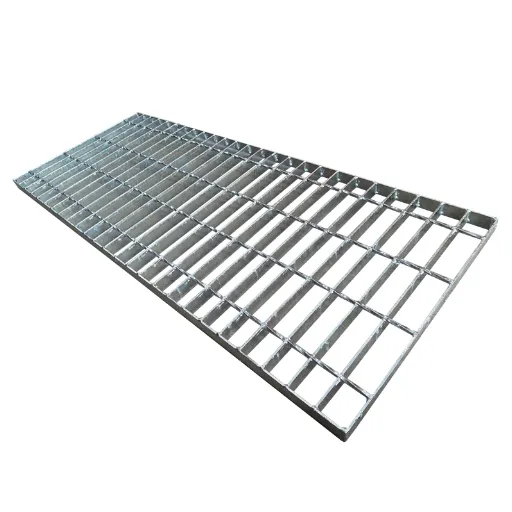
Bar grating is a structural unit that consists of several parallel bearing bars joined by crossbars at equal spacing. These materials are usually made of metal like carbon steel, stainless steel, and aluminum, which offer a mix of strength and durability. The bearing bars are the main elements for supporting the load; the crossbars, on the other hand, ensure that spacing and stability of the structure remain intact.
Grating made from carbon steel is usually given the treatment of either galvanization or painting to obtain the desired corrosion resistance and thus making it suitable for the harshest of environments. A stainless steel grate can effectively withstand rust and chemicals; therefore, it is widely used in food processing, marine, and chemical facilities. Grating made from aluminum is a light option which can resist corrosion and is also conductive; thus, it is often employed in aerospace and electrical industries.
Advanced manufacturing methods, such as welded, swaged, or press-locked processes, guarantee precise assembly while meeting load-bearing requirements. Bar grating is usually offered in standard sizes, such as 1" x 3/16" (bearing bar spacing and thickness); however, custom specifications can be worked out for special applications.
Recent information indicates that bar grating is designed to meet the load specifications set by institutions such as the American National Standards Institute (ANSI) and the National Association of Architectural Metal Manufacturers (NAAMM). For instance, a standard load requirement may require the grating to withstand a maximum of 120 pounds per square foot with minimal deflection, making it safe and functional even in high-traffic areas.
Manufacturing Process of Grating
The grating manufacturing process is characterized by precise engineering and robust materials to meet industrial and application-specific standards. The process always begins with the selection of premium quality raw materials, be they steel, aluminum, or stainless steel, which are picked for their high tensile and long-lasting properties. Subsequently, the selected materials are processed into the main structural parts of grating, which are bearing bars and cross bars.
Welding is one of the commonly used methods, in which bearing bars are joined to cross bars through high-pressure resistance welding, thereby forming a sturdy, single-panel capable of enduring considerable weight. For instance, press-locking grating involves joining pre-formed cross bars and bearing bars by pressing and interlocking them, resulting in a flawless, seamless finish that enhances both aesthetics and functionality.
Automated CNC machines are considered advanced technologies that are sometimes used to guarantee exact spacing and dimensions. The bar spacing according to industry standards like those from ANSI and NAAMM may be between 1 and 4 inches, with 1-3/16 inch spacing being prevalent in industrial applications. The grating is treated with surface treatments such as galvanizing or powder coating after assembly, which provide corrosion and wear resistance and significantly extend its lifespan.
The latest figures testify to the productivity of today's manufacturing techniques. By way of illustration, the electro-forged grating lines can now produce more than 300 panels per hour, thereby facilitating the supply chain for large projects. In other words, the union of resilient materials and innovative techniques not only ensures that the grating complies with rigorous performance requirements but is also economical for construction, industrial, and architectural uses.
Types of Galvanized Grating
Galvanized grating is available in different forms, each specifically designed for specific uses and operational demands. Here are the primary types together with their insights and data in detail:
Welded Steel Grating
Welded steel grating is a widely used type with a robust structure, in which rectangular steel bars are welded at their intersections. It offers an excellent strength-to-weight ratio and is therefore used for industrial flooring, stair treads, and platforms. Innovations in manufacturing have recently accelerated the process of producing the product with high precision, resulting in significantly fewer lead times.
Press-Locked Grating
A press-locked grating is formed by subjecting slotted bearing bars and crossbars to pressure and then mechanically locking them together.
lly. This process ensures perfect spacing and gives a modern, neat appearance, which is why it is frequently chosen for architectural and public space projects. Industry reports suggest that its perfect fit and attractive appearance have led to a 15% increase in the need for it over the past five years.
Swaged Aluminum Grating
Swaged aluminum grating is made of aluminum bars that are bonded together by the swaging process to produce grating that is light and strong at the same time. Aluminum's natural corrosion resistance makes it suitable for humid environments, such as marine or wastewater treatment plant applications. Research indicates that aluminum grating may weigh up to 30% less than conventional steel grating, thereby reducing installation and maintenance costs.
Heavy-Duty Galvanized Grating
Heavy-duty grating, intended for extreme loads, consists of thicker, wider bearing bars that can support applications such as highways, bridges, and airport runways. According to research, the load capacity of heavy-duty grating is more than 16,000 lbs per square foot which makes it unavoidable in places with heavy and constant traffic.
Serrated Galvanized Grating
Serrated grating has a sawtoothed surface on its bearing bars, which dramatically increases friction and resistance to sliding. It is also common in places where there is a risk of oil, water, or any other slippery substances. A survey of the industry has shown that facilities using serrated grating have reported a 20% decline in workplace slips and falls, thereby enhancing safety overall.
Galvanized grating types are different, and their distinct benefits match specific needs and operational areas. By leveraging materials science and modern manufacturing methods, the grating solutions continue to meet stringent performance specifications across different industries.
Benefits of Using Galvanized Steel Grating
Corrosion Resistance
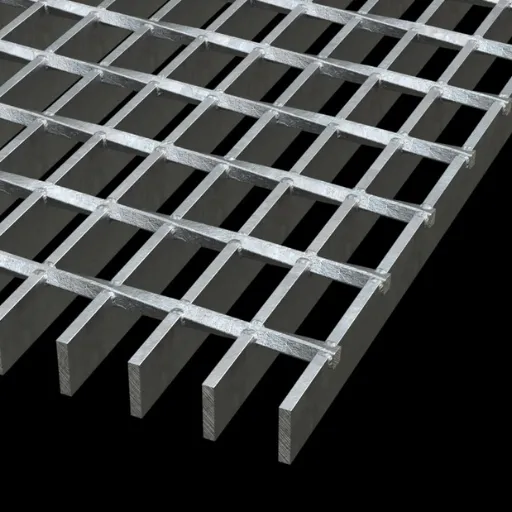
Applying zinc layers to galvanized steel grating gives it extremely high resistance to corrosion and rust. Wherever there is water, chemicals, or extreme weather conditions, this grating becomes a very suitable option and its lifespan is greatly extended.
Durability and Strength
The excellent quality of galvanized steel grating is its ability to bear huge weights in high-traffic areas and thus its natural strength. It is highly suitable for industrial plants, bridges, and platforms that demand robust, long-lasting performance.
Low Maintenance Costs
The zinc coating minimizes the need for steel maintenance for a more extended period. It also saves time, thereby reducing the costs associated with operations. According to studies, the maintenance of galvanized steel grating is 50% less as compared to untreated steel alternatives during its entire life cycle.
Enhanced Safety
Galvanized grating usually comes with a slip-resistant surface, which reduces the risk of workplace accidents in industries where spills or wet floors are everyday. This advancement, in turn, is a direct cause of the decrease in injury rates and liability issues.
Versatility
Galvanized steel grating is not only customizable but also available in a variety of styles, sizes, and patterns, making it a versatile solution for a range of industrial applications. It can be used for drainage covers, and walkways, etc., and it easily accommodates various operational needs.
Durability and Strength
Galvanized steel grating is a robust, durable material that can withstand even the most demanding industrial and commercial applications. The galvanizing not only protects the steel with a layer of zinc but also dramatically increases its rust and corrosion resistance which can be caused by very harsh conditions such as high humidity, harsh chemicals, and extreme temperature changes. So, the lifespan of the material becomes one of the factors that lower the maintenance costs over the years.
The good side of steel grating is its excellent load-bearing capacity, which makes it suitable for areas with heavy foot traffic or even where the heaviest machines are installed. In fact, according to the latest industry standards, galvanized steel grating can commonly withstand more than 700 pounds per square foot. The exact amount of load support, however, depends on the bar design and spacing. Even the most difficult situations cannot compromise structural stability, and thus safety and reliability in the most challenging operating conditions are assured.
The combination of these features qualifies the galvanized steel grating as not only a cost-effective but also a sustainable solution, since its lifespan often spans decades if properly maintained, so too few replacements will be needed. Its very nature of being strong and rigid supports secure industry bases for their operations thus risk is reduced while performance is maximized.
Corrosion Resistance Features
One of the great advantages of galvanized steel gratings is their high corrosion resistance, which places them among the best materials for use in harsh environments. The zinc coating serves as a protective shield, thereby endowing the grating with strong antimicrobial properties. Below are five main features that support its corrosion resistance:
Zinc Coating Thickness
Steel grating galvanized has a very different layer on its surface which is made of zinc uniformly, and depending on the specific use the layer thickness varies from 50 to 100 microns. This robust coating makes it so difficult for oxygen and moisture to penetrate that it virtually eliminates the formation of rust.
Self-Healing Properties
The zinc covering has the ability to heal minor cuts and wounds. The process is as follows: when the protective covering is torn, the zinc underneath starts to oxidize, and is thereby also turned into zinc oxide which then seals the steel and prevents it from further attack by the rust.
Resistance to Aggressive Environments
The grating can withstand the harshest conditions, including the most severe weather, salty water, and chemicals, without losing its properties, making it a trusted material across sectors such as oil and gas, chemicals, waste, and water treatment.
Low Maintenance Requirements
Thanks to the galvanized coating the product does not require the annoying and costly maintenance of re-coating or application of protective mediums frequently, thus becoming a good choice economically and usage-wise for extended periods.
Prolonged Service Life
The service life of galvanized steel grating under the influence of different environmental factors can be anything from 20 to 50 years, depending on the level of exposure and care provided. This long lifespan means less money spent on replacements and is thus an eco-friendly option.
Common Applications of Galvanized Steel Grating
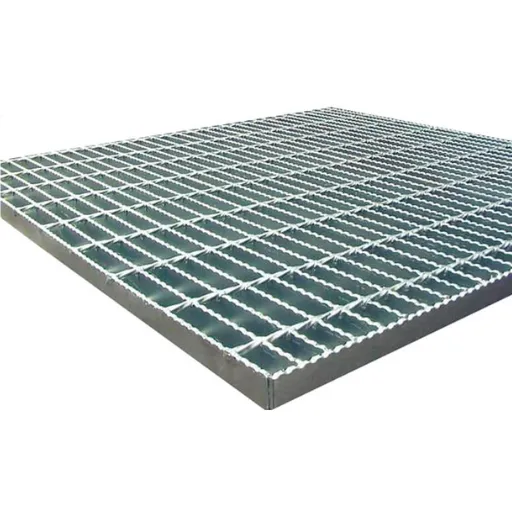
Industrial Walkways
Galvanized steel grating has become the standard material for industrial walkways because of its long life, slip resistance, and ability to withstand heavy loads. It is the mainstay of worker safety in factories, warehouses, and power plants.
Drainage Covers
Galvanized steel grating is strong and corrosion-resistant, making it the ideal material for drainage covers in both urban and industrial areas. The covering is strong, low-maintenance because it does not corrode, and provides excellent water flow control.
Platform Flooring
It is a platform flooring commonly used in industrial and commercial settings. Its open-grid design ventilates, allows light to pass through, and quickly drains liquids, thus creating a safe and efficient workspace.
Stair Treads
Galvanized steel grating stair treads are renowned for their durability and slip resistance. Mostly found in outdoor staircases, industrial places, and construction sites, they protect people's safety.
Fencing and Barriers
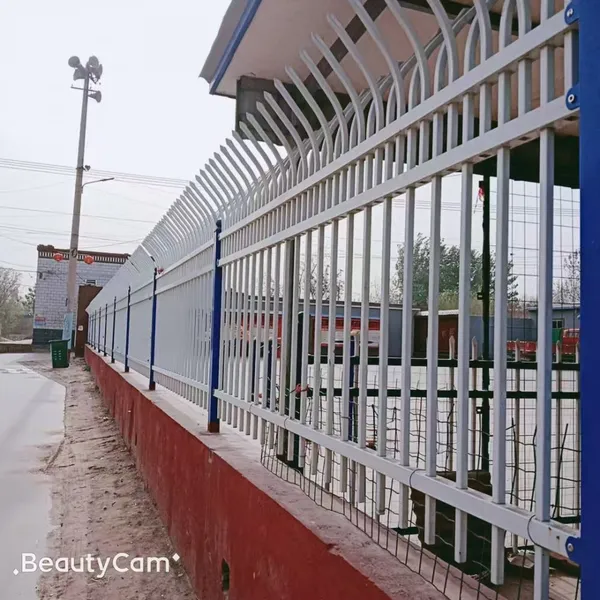
Strength, harsh-weather resistance, and secure perimeter maintenance are characteristics of galvanized steel grating that make it suitable for the construction of fencing and barriers around commercial, industrial, and public places.
Industrial Applications
Galvanized steel grating is undoubtedly one of the top-notch materials chosen for a wide range of industrial applications due to its remarkable strength, long life, and extreme corrosion resistance. The industrial utilization of galvanized steel grating is mentioned below as five main ones:
Flooring
The industrial flooring systems, which are composed of galvanized steel grating, usually are of a massive, non-slip surface. Factories, warehouses, and manufacturing plants where heavy machinery and constant movement are present highly appreciate this feature.
Walkways and Platforms
Walkways and platforms built with galvanized steel grating are a safety measure in high or hazardous areas, such as chemical plants, oil refineries, and even offshore platforms. Besides, they are environmentally friendly because the areas are well-drained and well-ventilated.
Drainage Covers
The high load-bearing capacity and quick water drainage of galvanized steel grating make it the first choice for drainage covers in chemical factories, oil refineries, and other applications where liquid control is key.
Ventilation Grates
Galvanized steel grating is the mainstay in ventilation systems when talking about industrial environments that are heavily loaded with heat, moisture, or fumes as it allows the free passage of air without compromising the structure.
Machinery Guards
The other application is the use of galvanized steel grating as a barrier around equipment in the manufacturing area to provide safety by safeguarding workers from moving equipment and, at the same time, enabling easy visual inspection.
Commercial Grating Uses
The lightweight and strong galvanized steel grating, along with its low maintenance requirements, are the main reasons why it is a big player in many commercial operations. The following paragraphs summarize the research by giving some detailed examples and references:
Parking Lots and Structures
Galvanized steel grating has diverse applications in parking lots and multi-story parking structures. It is the major reason for allowing draining and ventilation beside the heavy load support. Based on recent industrial statistics, it is thought that the use of steel grating in parking design will reduce water pooling by up to 40%, helping prevent surface damage and corrosion in the long run.
Retail and Public Spaces
Similar to retail and public spaces, shopping malls and public places are often mainfloor spaces and in flooring systems. The integration of galvanized grates ensures the floor's performance in terms of slip resistance and cleaning. The sidewalks and ramps coated with non-slip on the galvanized grates ensure both safety and aesthetics, thus making them fit for high-traffic zones. For example, a few reports claim that certain malls have experienced a 25% decline in slip-and-fall incidents after installing grating-based flooring.
Drainage Systems
Large-scale commercial drainage systems in airports and office parks usually consist of galvanized steel components. The material's high tensile strength is a significant plus in containing both the flow and the weight of heavy water runoff. Studies already predict the lifespan of such grates made of galvanized steel to be over 30 years with a negligible need for their replacement thus proving their cost-effectiveness in being the choice of drainage installations when it comes to large areas.
Commercial Kitchens and Breweries
Galvanized grating is extremely important and a must-have in the industrial kitchens and breweries where hygiene, drainage, and durability are the top priorities. The grating's open grid allows rapid wastewater removal while the zinc coating gives it resistance to rust and corrosion. There seems to be a trend in the industry toward a 15% increase in the number of breweries adopting galvanized grating for production areas to boost operational efficiency.
Roofing Systems and Platforms
The commercial-grade, non-slip roof grating is roughly 20% more effective than conventional materials at preventing slips during rainy conditions. Commercial rooftop grating has been shown to increase tension levels over time as it decelerates under foot. Studies show that it also offers 20% more skid resistance than other roofing materials under heavy rain.
In general, the use of galvanized steel grating remains a reliable solution across all commercial sectors because of its triple ability to provide safety, performance, and cost efficiency, in line with modern infrastructure requirements.
Infrastructure and Construction
Galvanized steel grating is one of the main materials in today's infrastructural and construction projects because of its great strength and long life as well as flexibility. Recent studies show that, in most environments, the lifespan of galvanized steel can exceed 50 years and reach 100 years in very mild corrosive conditions. Its ability to withstand the harshest weather and rough environments makes it the top choice for bridges, walkways, and drainage covers.
What is more, the construction market worldwide has become increasingly aware that galvanized steel is cost-effective. Reports from the industry in 2023 state that using galvanized steel components can reduce maintenance expenses by 25-30% compared to non-galvanized alternatives. These cost savings are attributed to the material's high corrosion resistance, which reduces the need for frequent repairs or replacements.
One of the trends that are gaining popularity in the sector is using galvanized steel in eco-friendly building projects. Some studies show that all steel used in construction is recyclable with no impairment of its mechanical properties, thereby meeting eco-friendly building standards and environmental targets. For example, widely known projects such as high-speed rail systems and urban redevelopment have strained the availability and affordability of galvanized steel grating, and therefore, they have been motivated to use it to minimize environmental impact while ensuring safety and structural integrity.
Thus, with the latest advancements and data, galvanized steel is proving its worth over and over again as a material that is not only reliable but also sustainable for the infrastructure the world needs today.
Installation Process of Steel Grate
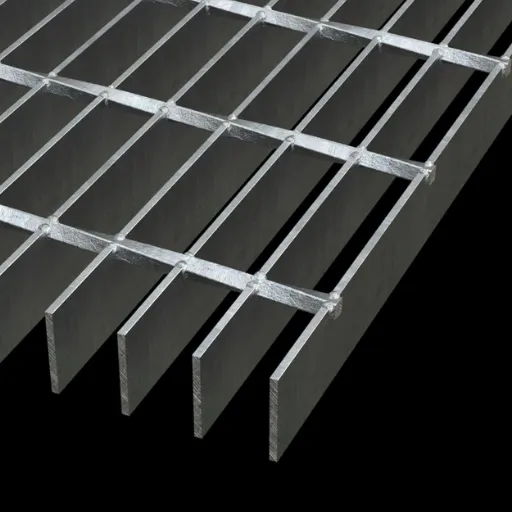
The installation method for steel grates involves several crucial steps that prioritize both safety and long-lasting durability. In infrastructure and industrial applications, steel grates deliver dependable performance when installed correctly. The installation process is explained in detail below:
Site Preparation
The first step is to prepare the site where the grating will be installed. Eliminate any rubbish, and check the surface for stability and the leveling area. The ground where the grates will be placed should be as level as possible. The quality of the foundation laid is crucial because it can prevent even weight distribution, which can cause either damage or instability.
Measurement and Planning
Taking precise measurements is the only way to ensure the steel grates fit perfectly in the allotted area. Use the right tools to measure spacing, alignment, and angles. Planning layout beforehand, including alignment with drainage systems or walkways, helps avoid adjustments in the late stages of the project.
Installation of Supporting Frames
Steel grates are usually installed on ready-made supporting frames or in trenches. The first steps are cleaning the frames, anchoring them accurately, and aligning them as per engineering specifications. For added corrosion resistance and durability, galvanized support structures are the ones that are generally recommended.
Positioning the Grate
The next step is to carefully put the steel grates on the supporting frames in accordance with the pre-measured layout. Besides, make sure the grates are leveled with the area around them, so there is no visible joint. If the positioning is incorrect, it can lead to misalignments and pose a safety risk, especially in areas where people or vehicles pass.
Securing the Grate
The next step is to secure the grates with bolts, clamps, or locking mechanisms designed for that type of grate. Occasionally, anti-tamper fixings may be required in public places to deter unauthorized removal. Make sure each fastening point is tightened so that any movement under load is minimized.
Testing and Inspection
Once the grating is installed, carry out a thorough inspection to ensure all parts are in the correct position and set up correctly. They can also perform load testing to ensure the grates will not fail when subjected to the safety standards in heavy-traffic areas or industrial-use zones. Compliance with ASTM A123 (zinc coating) or EN 124 (load rating) standards is mandatory.
Maintenance Guidelines
The maintenance staff should be given the correct instructions for cleaning and inspecting the grates at regular intervals. Galvanized steel grates generally require little maintenance; however, routine inspections are important, as they help identify early signs of wear and ensure longevity.
Latest Data and Advancements in Installation
Recent statistics show that the application of prefabricated steel grating units has increased considerably, resulting in a reduction of up to 30% in installation time when compared to traditional ways. Besides, modern anti-slip coatings are now applied through the process, thus making the area safer in wet or oily conditions. Moreover, a 2023 industry report goes on to say that steel grates with better corrosion resistance can last beyond 50 years even in high-moisture environments, thus underscoring the necessity of the right material choice in the course of installation.
Preparation and Tools Needed
The installation of steel grating units is often successful only when there is proper preparation and the right tools. These will be discussed shortly in the following methods and equipment:
Site Assessment and Measurements
The process starts with a proper site inspection during which the dimensions are taken and the conditions are evaluated. Measurements should be obtained with laser distance meters, measuring tapes, and leveling tools for maximum precision. With accurate data, waste is reduced and the grating units will be fittingly installed.
Material Handling Equipment
Steel gratings are usually very heavy and are difficult to shift around. Lifting, placing, and moving grating sheets can be done quickly and in a controlled manner by employing cranes, forklifts, or chain hoists. In manual lifting, smaller projects can rely on crowbars or grating clamps.
Cutting and Shaping Tools
Steel gratings sometimes need to be cut or shaped to fit the given space perfectly. In this case, angle grinders with cutting discs, band saws, or plasma cutters are the right tools. Make sure that these are appropriate for the material's thickness and that they also have safety guards.
Attachment Hardware
The installations need to be secured with proper attachments, such as saddle clips, bolts, and anchors, designed explicitly for steel gratings and capable of withstanding the rigors of outdoor exposure. Anti-corrosion nuts and bolts are recommended for applications in harsh environments. Using high-quality fasteners can reportedly increase the load capacity of the installation by 25% as per research.
Safety Gear
As per OSHA regulations, workers on the installation site must use personal protective equipment (PPE), including safety gloves, non-slip steel-toed boots, helmets, goggles, and high-visibility vests. The PPE used will not only be the right type but also highly effective at minimizing the risk of injury on the most demanding construction sites.
Surface Preparation Tools
The site is to be cleaned using wire brushes, pressure washers, or industrial vacuums that will not leave any debris, dirt, and grease in the area. A smooth and stable surface leads to good grating performance and continuous load distribution.
Anti-Slip and Corrosion-Resistant Coatings
For a project to be carried out in a wet or high-moisture area, applying additional anti-slip or corrosion-resistant coatings as a prerequisite to installation should be the practice. It has been found through recent research that this practice can result in a 20-30% extension in the lifespan of steel gratings, thus making the maintenance cost lower in the long run.
Assembly Instructions and Diagrams
Keeping detailed schematics or blueprints handy is a smart practice during assembly. Besides 3D layouts, modern digital tools like construction planning software can also be highly effective for better visualization and error reduction.
If you follow these steps and use the right tools, you can speed up the installation without compromising safety or quality.
Safety Precautions During Installation
The installation process will be rife with potential accidents if not guided by holistic, comprehensive safety guidelines. Here are five major safety measures that are crucial:
Wear Proper Personal Protective Equipment (PPE)
PPE, including helmets, gloves, safety goggles, and reflective vests, should always be worn by workers. It is a known fact that the proper use of PPE can reduce workplace injuries by up to 60%.
Ensure Adequate Training
Before commencing of the specific task, workers must be given detailed training on that particular task. The training encourages the likelihood of workers committing errors and accidents to be reduced, and experiments have showed that trained workers are even 50% less likely to be involved in safety incidents.
Inspect Tools and Equipment Regularly
Regular inspections should be conducted to ensure that all tools and machines are functioning properly. Equipment in disrepair is responsible for 30% of site accidents, and regular maintenance can prevent them.
Establish Clear Communication Protocols
Communication should be through hand signals approved by the company, two-way radios, or any other means the installation team is ready to work with, to ensure no one misunderstands anyone. Good communication means fewer accidents caused by confusion, and the safety reports indicate that 40% improvement in coordination.
Create a Hazard-Free Worksite
The site must be checked frequently, and any potential hazards, such as loose debris, unsecured materials, or electrical hazards, should be removed. Failing to keep the workplace clean could translate to a rise of at least 25% in accident rates.
Make sure to follow these precautions and in return, you will be the one to benefit most from the installation process in terms of safety.
Frequently Asked Questions (FAQ)
What exactly is galvanized steel grating with the manufacturing process involved?
Galvanized steel grating is a metal grating product coated with a zinc layer to prevent corrosion. Usually, this type of grating is produced by welding individual flat pieces to form a grid and adding a hot-dip galvanization process to increase resistance to chemical and physical environments and to provide good design and durability.
What are the places and purposes for using this kind of steel grating?
Various sectors and applications have considered galvanized steel grating as a good solution. It can be used for walkways, catwalks, drainage covers, and stair treads. The non-slip surface of the grating makes it a good choice in areas with pedestrians, but at the same time its strength makes it possible to support heavy loads in industrial areas.
What specifications should I consider when choosing a grating product?
Some important specifications need to be marked when you’re selecting a grating product like the thickness of the bearing bars, their spacing, the load capacity of the grating, and ADA compliance if applicable. Your choice of the type of grating, either galvanized, aluminum, or powder-coated carbon steel, will also depend on the intended use and the surrounding conditions.
What is the configuration of the bearing bars in steel grating?
Bearing bars, which are the main load-carrying components of steel grating, are mostly placed parallel to one another. The centers of these bars are measured with a spacing that can be the same or different to determine the strength and load capacity of the grating product. The center distances between the bars can also vary according to project requirements.
Is it possible to use galvanized steel grating in heavy-duty applications?
Indeed, a galvanized steel grating is perfect for heavy-duty applications due to its sturdy construction and anti-corrosive properties. Heavy-duty welded bar gratings can withstand a lot of weight and thus are ideal for industrial applications where durability is the primary concern.
What is the difference between hot-dipped galvanized and powder-coated carbon steel?
Hot-dipped galvanized steel grating features a thick zinc coating, providing long-lasting corrosion resistance, while powder-coated carbon steel is smooth and available in different color finishes. They both have pros and cons depending on the environment and the designer’s color choice.
Is it possible to get tailored galvanized steel grating for special projects?
Yes, indeed. There are several suppliers ready to offer customized galvanized steel grating, including dimensions, bar spacing, and finishes. This means you can have a grating product made to your project needs, ensuring maximum effectiveness and adherence to the specifications.
How does the galvanized coating improve the durability of steel grating?
The durability of steel grating is greatly enhanced by the galvanized coating, which serves as a protective layer against moisture and corrosive substances. The galvanization process ensures the steel grating can withstand extreme conditions without failing, making it a dependable option for both indoor and outdoor use.
Recently Posted
-
Building a Security Fence: Your Guide to High-Security Solutions
February 5, 2026The security fence functions as the primary defense system of your commercial property, industrial site, and private estate becaus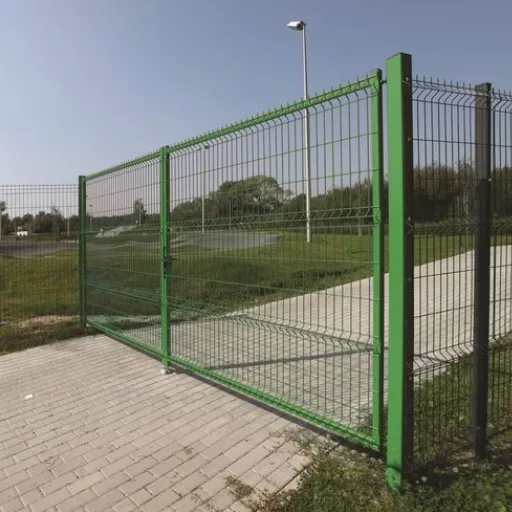 Read More
 -
How to Build a Security Fence: A Comprehensive Guide to Installing Chain Link Security Fences
February 4, 2026Constructing a security fence is an effective way to protect your property, define its boundaries, and enhance your privacy. The v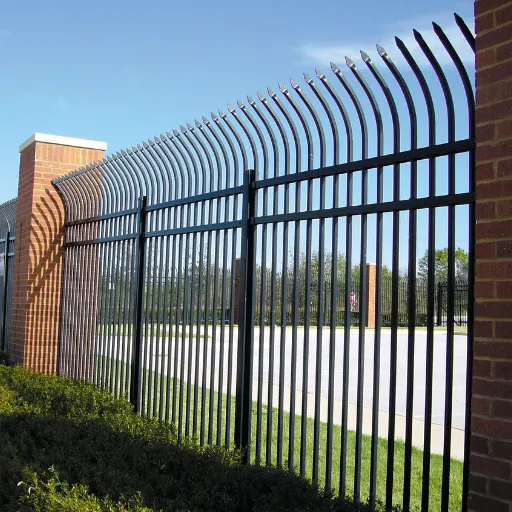 Read More
 -
Iron Yard Fence: The Ultimate Guide to Wrought Iron Fencing for Your Garden
February 3, 2026The design of a garden fence goes beyond establishing property borders because it serves two main purposes by enhancing the visual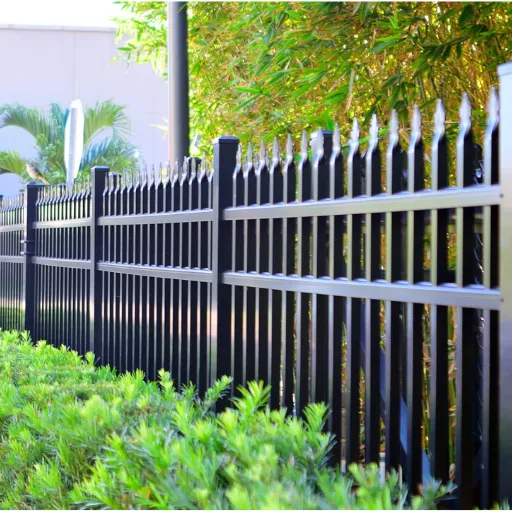 Read More
 -
Cast Iron Garden Fence: The Ultimate Guide to Durable and Decorative Garden Edging
February 2, 2026The cast iron garden fence functions as a boundary that creates an everlasting combination of practical use and aesthetic beauty t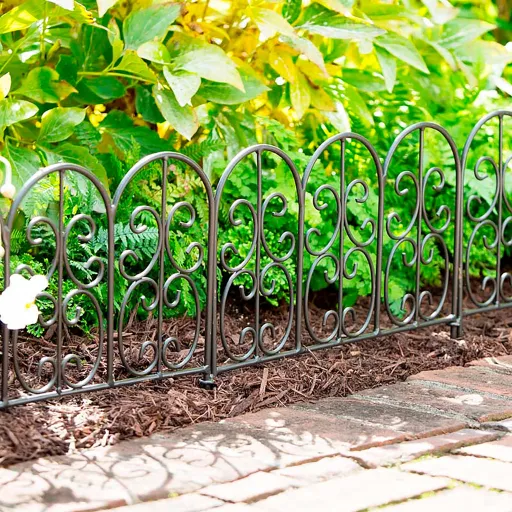 Read More

Contact Us
Recommended Products
-
 Durable Imitation Bamboo Fence for High-Traffic Public SpacesNegotiableMOQ: 50 Square Meters
 -
Customizable Imitation Bamboo Fence With On-Site Measurement ServiceNegotiableMOQ: 50 Square Meters
-
Modular Imitation Bamboo Fence Panels for Quick InstallationNegotiableMOQ: 50 Square Meters
-
Imitation Bamboo Privacy Fence With Reinforced Aluminum BaseNegotiableMOQ: 50 Square Meters
-
Commercial Grade Villa Fence for Real Estate Developments and Hotel Perimeter ApplicationsNegotiableMOQ: 10 Sets
-
Industrial Steel Grating Solutions for Oil and Gas Platforms, Compatible With Harsh ConditionsNegotiableMOQ: 10 Pieces
-
Basketball Court Fence 4M Height, Galvanized Steel Chain Link Mesh for Outdoor Sports Field PerimeterNegotiableMOQ: 50 Square Meters
-
Chain Link Basketball Court Fence Offering Anti-Rust Protection and Long-Term PerformanceNegotiableMOQ: 50 Square Meters
-
European Style Villa Fence Concrete Base Installation Courtyard Boundary WallNegotiableMOQ: 100 Square Meters
-
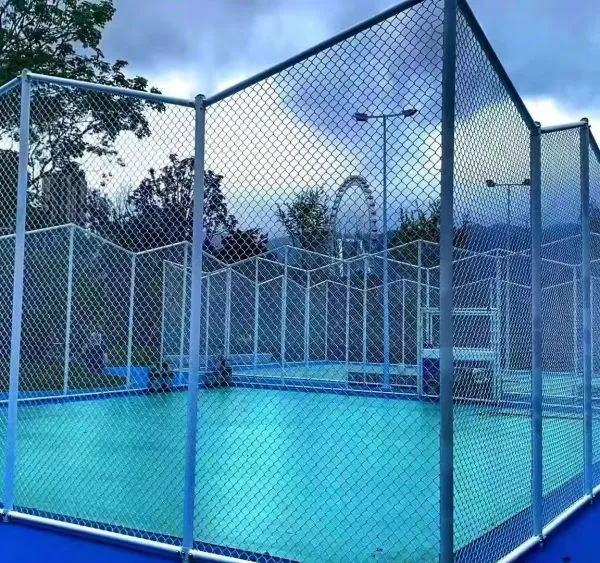
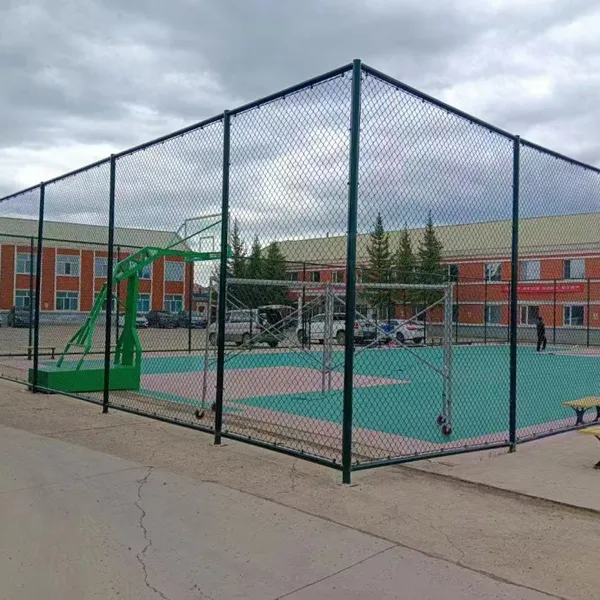
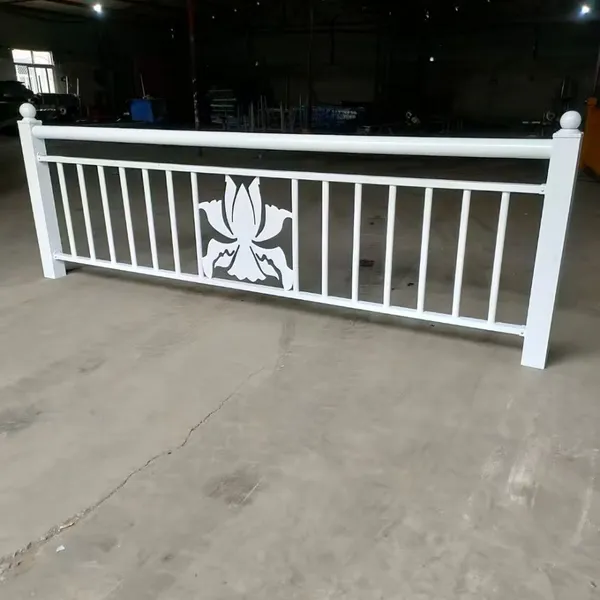
Galvanized Steel Villa Fence With Powder Coating for Superior Corrosion ResistanceNegotiableMOQ: 100 Square Meters
-
Powder-Coated Basketball Court Fencing With Weatherproof Finish for Long-Term Outdoor ApplicationNegotiableMOQ: 100 Square Meters
-
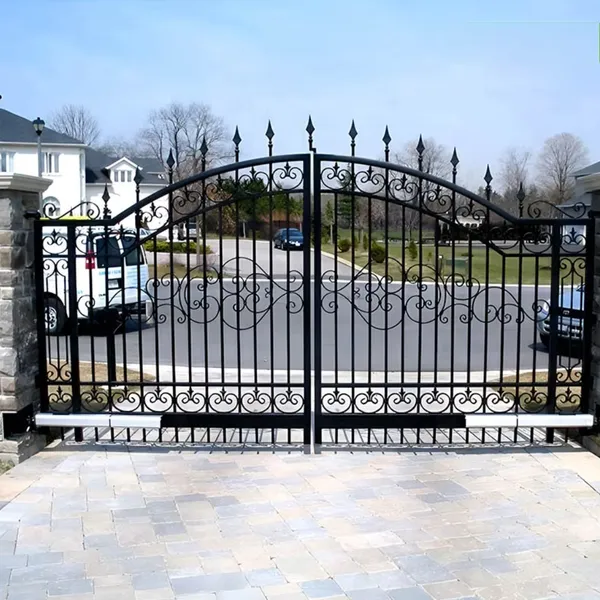
Powder Coated Wrought Iron Main Gate and Garden Fence for HousesNegotiableMOQ: 100 Square Meters
-
Elevate Your Garden With an Artistic Wrought Iron Garden Fence | Uniting Security & EleganceNegotiableMOQ: 100 Square Meters
-
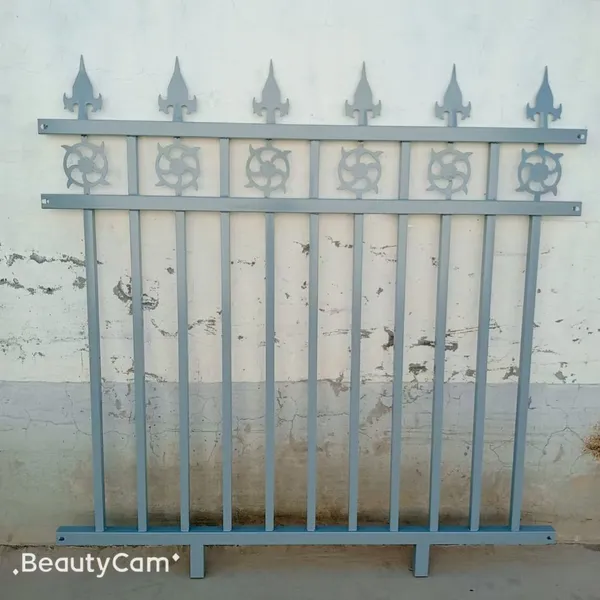
Low-Maintenance Wrought Iron Garden Fence | Durable Powder-Coated Steel PicketsNegotiableMOQ: 100 Square Meters
-
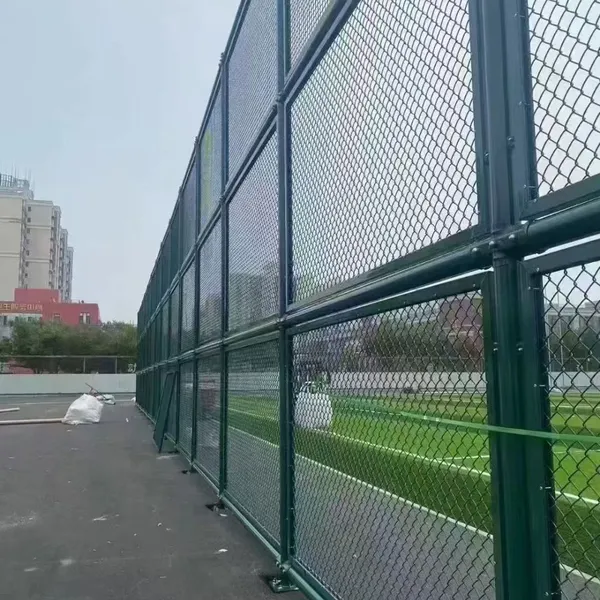
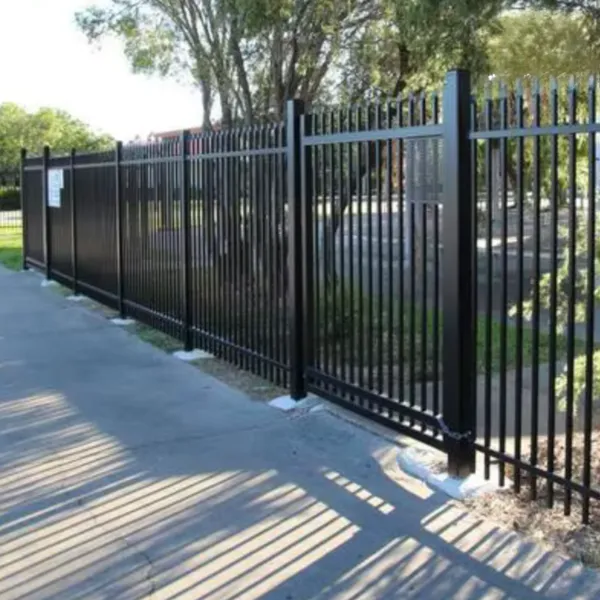
Heavy-Duty Villa Fence: 10 Gauge Steel Construction With Powder Coating for DurabilityNegotiableMOQ: 10 Sets

-
Anti-Slip Steel Grating Panels for Enhanced Safety in Wet and Slippery Work AreasNegotiableMOQ: 10 Pieces
-
Steel Grating for Stair Treads and Catwalks in Commercial and Factory BuildingsNegotiableMOQ: 10 Pieces
-
High-Security Villa Fence With Lockable Gates and Weather-Resistant Finish for Home ProtectionNegotiableMOQ: 10 Sets
-
Galvanized Steel Basketball Enclosure Netting / Ball Containment System With Frame for Outdoor CourtsNegotiableMOQ: 50 Square Meters
-
Vinyl Coated Chain Link Fencing for Basketball, Pickleball & Tennis CourtsNegotiableMOQ: 500 Square Meters