
 Business License

Mild Steel Grating: A Comprehensive Guide to Grating Products and Applications
Mild steel grating has proven to be a multifunctional and indispensable component across many industrial sectors, providing robust solutions for flooring, walkways, drainage covers, and more. Well-known for its strength, longevity, and low price, this material has been widely used in both industrial and commercial applications. However, what are the reasons making mild steel grating so vital, and how can you identify the perfect type for your particular requirements?
This guide will take you through the key properties of mild steel grating, its various types, and its use across different industries. You may be an engineer, a facilities manager, or just interested in knowing how this material contributes to safety and efficiency; if so, this article will give you a detailed picture. We invite you to participate in our discussion on the pros, uses, and factors that make mild steel grating an indispensable element of contemporary infrastructure and design. Find more info now.
Applications of Mild Steel Grating
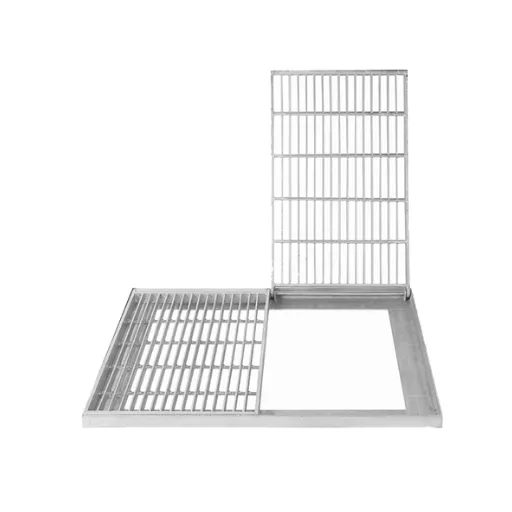
Mild steel grating is a material with remarkable properties and is consequently used in many industries. Here are five essential applications of mild steel grating:
Industrial Flooring
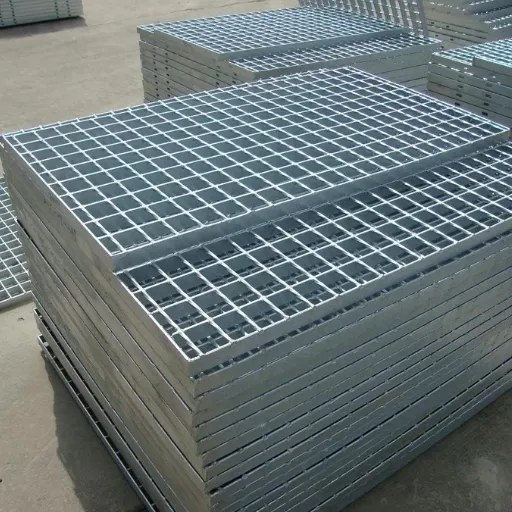
A mild steel grating is a standard material for industrial flooring in factories, warehouses, and plants. Its strong construction easily supports heavy weights, provides safety for the operation of machines by giving good grip, and workers can freely walk around.
Walkways and Platforms
Mild steel grating is the perfect choice for walkways and maintenance platforms because it provides a safe, stable surface. The material is used in Power plants, Oil rigs, and chemical factories for both safety and utility purposes.
Drainage Covers
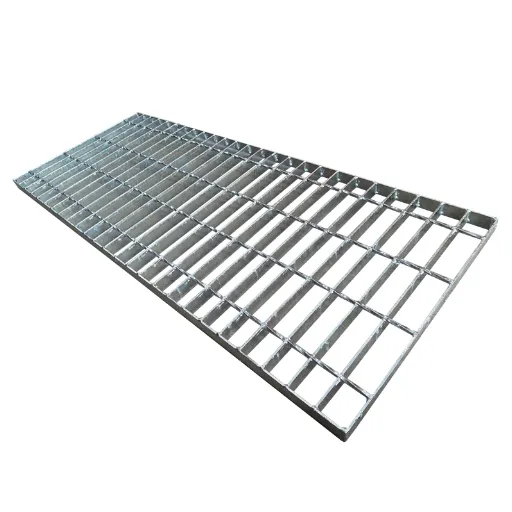
Mild steel grating is a wise choice for drainage systems due to its open-grid structure, which allows rapid water flow while still providing a strong, long-lasting cover. The drainage covers are often found in streets, parking lots, and commercial facilities.
Stair Treads
Stair treads of mild steel grating offer a slip-resistant surface and are therefore ideally suited to industrial sites, public transport facilities, and outdoor constructions. The grating enhances safety by preventing debris accumulation and ensuring stability.
Barrier and Security Fencing
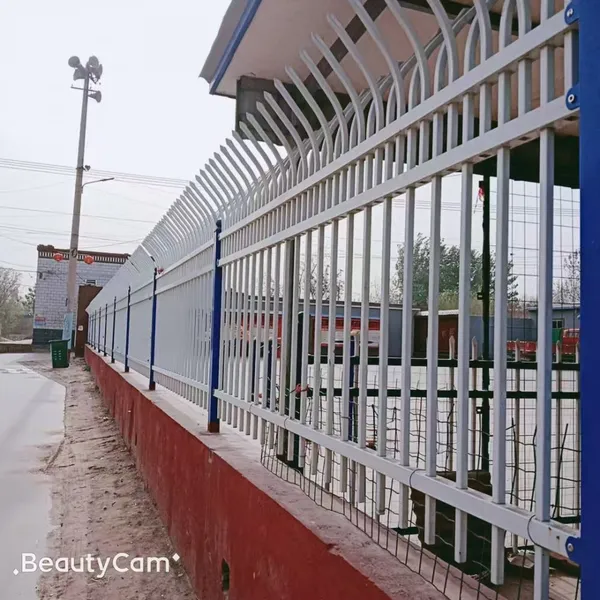
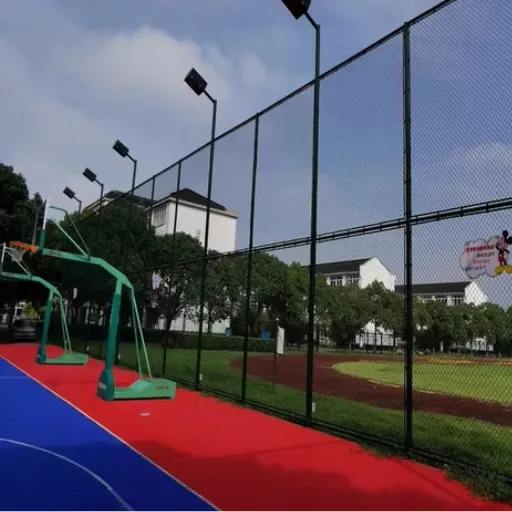
Mild steel grating is a good fencing and barrier material due to its long lifespan and adaptability to harsh conditions. It is usually placed around restricted areas, construction sites, and storage facilities for security.
The multitude of applications mentioned above has demonstrated the importance of mild steel grating in improving safety, functionality, and efficiency in various industrial sectors.
Industrial Uses of Steel Bar Grating
The steel bar grating, being a robust, long-lasting, and versatile material, has gained wide acceptance in industrial applications. The following is a list of five major areas in the industry where steel bar grating is used, each testament to the material's importance and utility.
Walkways and Platforms
Steel bar grating is often selected as the material for walkways and raised platforms in manufacturing plants, oil and gas refineries, and power-generating stations. Its slip-resistant finish and excellent load-carrying capacity are the main factors behind its use in unsafe industrial zones where safety and reliability are of utmost importance.
Flooring and Catwalks
Steel bar grating is the flooring and catwalk material of choice for many production units because it prevents overheating and liquid pooling while still supporting the structure. Accordingly, workers have a clean, safe space, and waste and liquids are minimized because they can't accumulate on the surface.
Drainage Covers and Trenches
Steel bar grating is a suitable material for drainage covers and trench grating systems, as it can withstand heavy loads while allowing water to drain through its structure very rapidly. It is therefore the primary grating material for municipal sewerage plants and factory drainage.
Machinery Support Structures
Steel bar grating is often used with industrial machines and placed on top of support structures, as it provides a very stable, long-lasting surface that absorbs the weight and vibration of these machines. This application is crucial in sectors such as car assembly and the manufacturing of large, heavy machinery.
Loading Docks and Ramps
The use of steel bar grating in docks and access ramps is justified by its ability to support heavy equipment and vehicles without issue and to enable safe, smooth material handling and logistics.
These uses of steel bar grating highlight its necessity in raising and maintaining industrial safety and efficiency. Its versatility and reliability make it a material of choice for many heavy-duty tasks.
Architectural Applications of Grating
Steel bar grating, besides being a standard material in industrial applications, has become a favored product in architecture for its exceptional blend of strength, beauty, and practicality. Five primary applications of grating in architecture are as follows:
Facade Design
Architects frequently utilize steel grating in the construction of building facades not only to give them a modern and industrial look but also to let ventilation and light pass through. The very nature of a grating provides architects with the ultimate creativity to produce diverse and functional patterns for the building's outer surface.
Stair Treads and Walkways
Steel bar grating provides a long-lasting, slip-resistant surface, which is exactly what stair treads and elevated walkways need most. This usage can be found all over both commercial and residential architectural projects.
Sunshades and Louvers
Steel grating is often used in the production of sunshades and louvers, devices that control the amount of sunlight entering the building and, thus, its energy efficiency. The grating's open-grid structure allows air to pass while minimizing glare and heat.
Balconies and Railings
Strong but light and still visually interesting, the steel grating is mainly used for the flooring of balconies and the filling up of railings. It is up to the architects to decide whether to give the building a modern look or to use it as a material providing longevity and safety.
Outdoor Furniture and Installations
Urban architects widely use the grating material to fashion durable, weatherproof outdoor seating, benches, and art pieces. This choice of materials best serves public spaces, as it combines strength with customization.
The list of architectural applications mentioned above, though, always points at the flexibility and visual attractiveness of steel bar grating which in turn confirms being the choice of many designers and engineers.
Transportation and Infrastructure Benefits
Steel bar grating is a key factor in the efficiency and longevity of transport and infrastructure systems. Its excellent strength-to-weight ratio provides the right balance of stability and ease of installation, making it the most widely used material for bridges, walkways, and ramps. For example, steel grating is often used on bridge panels and walkways because it can carry heavy loads while remaining light.
The latest statistics indicate that the global steel grating market is likely to record an annual compound growth rate (CAGR) of 4.7% from 2023 to 2030, underscoring the material's growing use in the infrastructure sector. Moreover, the drainage of water in roads and industrial areas is aided by steel grating, which has an open design that allows water to drain, thus preventing the accumulation of water and the risk of flooding or structural damage. Urban transportation systems use steel bar grating for platform construction and ventilation covers, providing durability and cost efficiency.
Besides this, its anti-corrosive properties ensure long-term performance in extreme weather conditions, which is critical for infrastructure built in coastal areas and places with high humidity. The benefits of steel grating have made it a reliable option for the design and construction of eco-friendly, safe, and intelligent transportation systems worldwide.
Advantages of Carbon Steel Grating
High Strength and Load Capacity
Carbon steel grating has so much strength that it is used for hefty loads in industrial and commercial areas. Thus, it becomes the first choice for engineers to use in such places where robust construction is the main requirement, but at the same time, the construction should be lightweight, for example, bridges, walkways, and platforms.
Cost-Effective Material
Carbon steel is the most budget-friendly option among the materials and, at the same time, the most cost-effective in terms of performance. It offers lower initial and maintenance costs, providing economical solutions for both large and small projects.
Durability in Harsh Conditions
The robust nature of carbon steel grating ensures it will last even in harsh environments. It can even be said that its incredible toughness is the reason it takes so long before replacements and repairs are required, which, in turn, significantly contributes to operational efficiency.
Customizability
There are no limits to the sizes, shapes, and patterns carbon steel grating can be made into. This property guarantees that it will not be a problem while working on the project, as it is a compatible material for a variety of uses.
Slip-Resistant Surface
In workplaces where moisture or oil is common, increasing the risk of slipping, carbon steel grating with anti-slip properties has proven to be a safety measure not only for workers but also for equipment. This is an important aspect that has a bearing on accident reduction and the creation of a safe working atmosphere.
Cost-Effectiveness Compared to Other Grating Materials
Carbon Steel Grating is a Material with a Long Lifetime and Low Maintenance costs. Carbon steel grating is one of the cheapest options on the market, and it offers a good price-to-performance ratio. The following are the top five factors that refute its high cost:
Lower Initial Material Costs
Generally, steel plants produce carbon steel at a lower price than they do materials like aluminum and stainless steel. Consequently, the less expensive option of steel can be adopted for the project, especially where there's a problem with the budget for large-scale operations.
Long Lifespan with Proper Maintenance
Carbon steel grating can withstand extreme conditions when properly coated and maintained. This longevity of the material reduces frequent repair or replacement costs, thus lessening the total cost of ownership.
High Load-Bearing Capability
Steel grating has an excellent strength-to-weight ratio and can thus support considerable loads without additional structures. Then, the labor and material costs during installation are saved.
Customizable to Specific Requirements
The flexibility to produce carbon steel grating in any required size and design is a guarantee of material efficiency and thus non-spillage and avoiding extra costs.
Lower Maintenance Costs Compared to Alternatives
The maintenance of stainless steel or fiberglass grating may require specialized cleaning or replacement after a certain period while the carbon steel grating, if treated, demands infrequent and less expensive maintenance.
These factors, combined, make carbon steel grating not only the best option but also a smart choice for every project that balances high performance with cost.
Durability and Longevity of Heavy-Duty Grating
Heavy-duty grating is the strongest and most durable type. The long service life of such grating, coupled with its exceptional resistance to wear and tear, make it a preferred option not only in industrial but also in commercial applications that require demanding conditions. Great to have robust materials like carbon steel, stainless steel, or aluminum that are produced and thus can easily bear huge loads as well as endure tough environmental conditions without any performance loss.
The latest information suggests that if heavy-duty carbon-steel grating is adequately maintained and galvanized or treated, it can resist rust and corrosion for about 15 to 20 years in typical environments. Stainless steel grating, on the other hand, is said to have an even longer life span, often more than 50 years, due to its very high resistance to moisture, chemicals, and oxidation. Thus, these grates are ideal for infrastructure projects such as bridges, walkways, and drainage systems where longevity is the primary concern.
Heavy-duty gratings, besides their strength and durability, are also built to carry heavy loads such as those of cars or large industrial machines. The typical load-bearing capacity of these grates ranges from 7,000 to 20,000 pounds, depending on the material and design specifications. The use of precision welding or pressure-locking methods during manufacture ensures that the grating maintains its structural integrity throughout its long service life.
Also, the development of new protective coatings, including epoxy and powder coatings, has increased the lifespan of metallic gratings by providing an additional layer of protection against UV radiation and chemical degradation. The implementation of these new technologies not only reduces maintenance but also ensures long-term cost reduction for projects that use heavy-duty training solutions.
Heavy-duty grating is one of the best solutions for combining the robustness of materials with advanced patting treatments. Heavy-duty grating is the toughest and most long-lasting type of grating, making it an irreplaceable part of safety, strength, and reliability-demanding projects.
Lightweight yet Strong: The Benefits of Steel Grating
Steel grating has been a strong favorite across various construction and industrial applications due to its very light yet extreme nature. Here are five essential benefits of steel grating that show its versatility and performance:
High Strength-to-Weight Ratio
Steel grating is designed for very high load-bearing capacity and, at the same time, very light weight. This attribute reduces material consumption and makes the installation process easier and more productive.
Durability and Longevity
Built with top-quality steel this material has excellent resistance to wear, impact, and rust. Coating the steel with zinc or applying another protective layer will further extend its life, even in very unfriendly environments.
Versatility in Applications
Steel grating comes in different styles and sizes and can be made to fit various uses, such as flooring and walkways, industrial platforms, and drain covers.
Enhanced Safety
Steel grating has an open-grid layout, which significantly enhances workplace safety by providing excellent slip resistance and ensuring improved traction regardless of whether the floor is wet or dry.
Efficient Drainage and Ventilation
With steel grating, water can freely drain and air can flow unobstructed; thus, the problem of water piling up and the need for ventilation, which is very important in many industrial and outdoor settings, can be avoided.
These unique features not only make steel grating a decisive alternative but also turn it into a hard-wearing, light, multi-use material for those projects that demand it.
Installation and Maintenance Tips
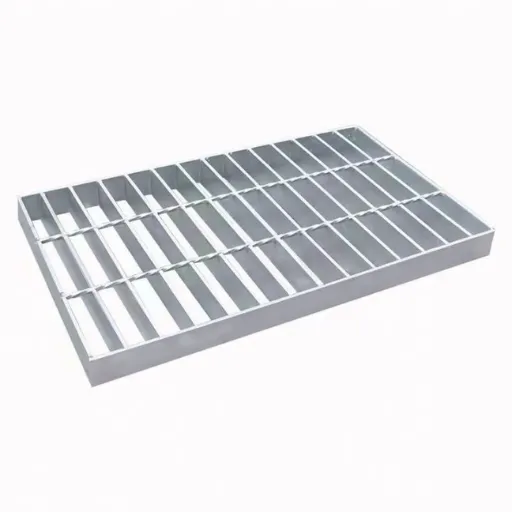
Proper Surface Preparation
The surface intended for the installation of steel gratings must be thoroughly cleaned, levelled, and cleared of all unwanted matter. A bumpy surface might compromise the grating's stability and usefulness over the long term.
Use of Secure Fasteners
Fastening should always be done with appropriate hardware, such as saddle clips and bolt clamps, to keep the grating securely in place. Correct fastening reduces the risk of grating movement and enhances safety during operation.
Regular Cleaning
Grating should be cleaned frequently to prevent dirt, oil, or other materials from corroding the steel or reducing traction. High-pressure hosing is an effective method for routine cleaning.
Inspect for Damage
Make it a practice to carry out inspections after every few periods in order to ascertain if any wear and tear, rust or structural damage has happened. Take quick action to replace worn-out parts to ensure workplace safety and the installation's overall quality.
Apply Protective Coatings
The application of galvanizing or painting on steel gratings will make them more resistant to rust and corrosion which is particularly important in humid or chemical-rich environments. Thus, the material's life span is significantly increased.
Best Practices for Installing Welded Grating
Ensure Correct Measurements and Fit
Before installing, measure the area where the melted metal grating will be installed accurately. Check that the grating occupies the area properly and does not interfere with any obstructions or support structures. Making right measurements is a way to avoid later adjustments and to have a seamless fit.
Choose the Right Methods of Securing
Welds, saddle clips, or bolts are examples of fastening methods you could apply depending on the case. This will not only ensure that the grating isn’t going to fall off during the load and will not be shifted at all by that which is very important for both safety and longevity.
Be Mindful of Load-Bearing Needs
Determine the total load that the grating will be required to bear which includes both static and dynamic loads. Choose the right type and thickness of welded grating to support the weight without compromising its structural integrity.
Allow Space for Proper Clearance and Drainage
It’s important to provide enough space around the grating for its expansion and good ventilation. Also, make sure that the grating’s design allows for proper drainage so that water doesn’t get trapped causing erosion or rusting.
Comply with Installation Guidelines and Standards
The manufacturer’s installation instructions, as well as industry standards such as ANSI or OSHA regulations, should be followed strictly. This will decrease the chance of installation mistakes and also keep you on the right side of the law with safety standards.
Maintenance Guidelines for Galvanized Grating
Long-lasting treatment of galvanized grating results in a certainly durable, safe, and functional end product throughout its lifetime. The support of the latest insights reveals the practices of cleaning, inspecting, corrosion control and others as key maintenance of grating.
The grating should be cleaned regularly to remove dirt, debris, and potential contamination. Non-abrasive cleaning materials and mild detergents should be used to avoid damaging the zinc layer. Pressure washing with moderate water pressure (around 1500-2000 psi) is also recommended for cleaning heavily soiled areas and this effectively does so without harming the protective coating.
Regular inspections of galvanized grating for damage or wear ensure that wear, damage, or corrosion signs do not go unnoticed. Inspections every half a year or so are recommended. Look for indicators like white rust (zinc oxide) or broken welds. Any issues will lead you to touch-up galvanizing solutions or replacing sections that are badly damaged.
Even though galvanized steel can resist corrosion, exposure to strong chemicals or the extremes of a marine environment can shorten its lifespan. A clear protective coating can act as an extra barrier in such environments.
Make it a point to install effective drainage systems around the grating to prevent water from pooling on the ground. Besides, such water spots could lead to corrosion over time, especially in areas with frequent rain.
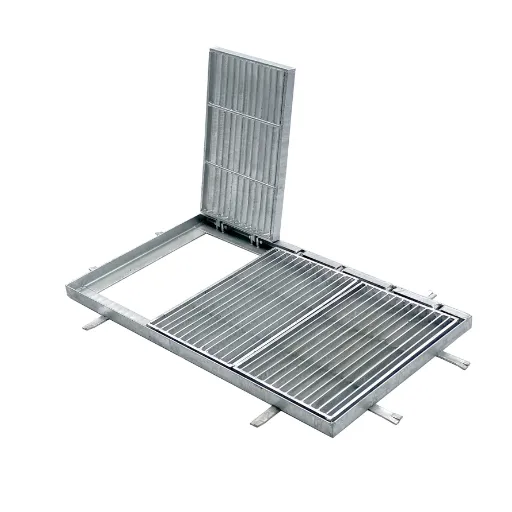
Gratings with movable sections, such as hinges, should have their joints and hinges lubricated periodically with appropriate lubricants to prevent rust and ensure smooth operation.
The grating conditions should be checked against the load conditions it was initially designed for. Overloading, even a little, can accelerate mechanical wear and lead to structural failure. To ascertain the maximum loads, refer to the manufacturer's specifications.
The galvanizing layer is bound to get thin after 10-15 years depending on the environmental conditions. The protection should be restored through re-galvanizing or applying zinc-rich paint to extend the service life of the grating.
Dispose of or recycle the old grating materials in compliance with local and national environmental regulations. Galvanized steel components are recyclable so doing proper disposal would not only be eco-friendly but also economically advantageous.
Maintenance practices like these would not only ensure the dependability of the galvanized gatings for several years, but also significantly extend their lifespan. However, the use of well-recognized sources that meet ASTM or ISO standards is recommended for deeper data and particular conditions.
Common Issues and Solutions in Grating Installation
Properly installed gratings are essential for ensuring safety, durability, and performance. Following are five issues that are most frequently faced during grating installation and the solutions that correspond to them:
Improper Alignment of Panels
Issue: Misaligned grating panels can create unlevel surfaces that pose tripping hazards and reduce the overall strength of the structure.
Solution: Take care to measure and align properly at all times throughout the installation process. Use alignment tools and fasten the panels with the correct fasteners to prevent long-term movement.
Insufficient Load-Bearing Support
Issue: An insufficiently supported grating can bend or buckle under load and thus pose a safety risk.
Solution: Determine load-bearing requirements based on traffic type and expected load. When selecting supports and securing anchor points, follow ASTM or ISO guidelines.
Improper Fastening or Missing Clips
Issue: Grating that is missing or where fasteners are loose, such as clips, may not hold the grating securely in place, causing it to move or make noise during use.
Solution: Use heavy-duty clips or bolts designed explicitly for the corresponding grating material and application. Regularly check each fastening point for tightness.
Corrosion Due to Environmental Factors
Issue: Gratings made from untreated materials are particularly susceptible to corrosion when exposed to moisture, chemicals, or harsh environmental conditions.
Solution: Use galvanized or coated grating materials for their greater corrosion resistance. Be proactive about maintenance by carrying out checks frequently to catch and treat rust or damage in their early stages.
Incorrect Grating Type for Application
Issue: Applying the wrong type of grating, such as light-duty grating, in a high-traffic area can lead to failures or accidents.
Solution: Choose a grating based on the specific application, considering load capacity, material, and environmental suitability. Reference the manufacturer's specifications and compliance standards for assistance.
The proper installation, considering these issues, will guarantee the grating systems' longevity and effective performance in different applications.
Industry Trends in Grating Products
The grating industry has been dramatically transformed by changing market needs, the push for sustainability, and the development of new technologies. Among the various changes, one of the most notable was the rising use of FRP (fiberglass-reinforced plastic) grating, which was identified as the main trend. FRP grating being lighter, resistant to corrosion and more durable than steel, which is the primary material in use, is very suitable in the spraying and washing areas where it is exposed to chemicals or moisture. Market data indicate that the global FRP grating market size is expected to increase from $550 million in 2022 to $750 mill. by 2030, with a CAGR of about 4.8%. The reasons behind this growth include the rising number of infrastructure projects and the continuous demand for low-maintenance materials.
Sustainability is another factor influencing manufacturers' selection of grating products. They have turned to recycling materials and investing in less energy-intensive manufacturing processes to minimize their environmental impact. There is a growing demand for eco-friendly grating in urban building projects that are under pressure to obtain green building certifications like LEED.
Another trend is the adoption of innovative technology in grating systems. Real-time monitoring of load capacity, structural integrity, and environmental conditions using sensors embedded in the grating is one of the processes that can be performed with this smart grating technology. This gives industrial plants that use such technologies a double advantage, enhancing the safety and efficiency of operations across sectors such as oil and gas, power plants, and wastewater management.
In addition, the demand for customization and modular designs in grating has increased as different industries face varied challenges. The modular grating allows for quick assembly, easy replacement, and scalability which in turn reduces the time needed for repairs or upgrades.
The grating industry will be able to maintain its focus on innovation and sustainability while also providing versatile, strong, and environmentally friendly solutions for diverse applications.
Innovations in Carbon Steel Grating Technology
The latest developments in carbon-steel grating technology are advancing industries to a new level of performance, durability, and efficiency. The most remarkable trend is probably the use of advanced manufacturing processes, such as precision laser cutting and automated welding, integration. These processes not only reduce the grating structure's weight but also increase its strength and uniformity while lower the production costs and minimizing the material wastage.
Moreover, new coating methods are essential for the carbon steel grating's service life, as they provide better corrosion resistance. Among these are hot-dip galvanization and powder coating, which are highly durable and can withstand harsh weather conditions, including exposure to chemicals and water. Research suggests that galvanizing carbon steel grating can give it a lifespan of around 50 years in low-corrosive environments or 20–30 years in more challenging environments.
Sustainability concerns have gradually become a priority, with manufacturers increasingly focusing on the use of recyclable materials and energy-efficient production methods. Industry reports state that the recyclability of the materials used in carbon steel grating has increased to 85%, resulting in a major reduction in environmental impact, especially regarding the materials' structural integrity.
Also, the modular and lightweight carbon steel grates are getting more acceptance in different sectors including construction, oil and gas, and wastewater management. This design simplifies installation and maintenance, allowing downtime of only 30% compared to traditional systems. Carbon steel grating, through the application of state-of-the-art manufacturing technology and environmentally friendly practices, is continually evolving to meet the requirements of modern industrial applications.
The Rise of Serrated Surface Grating
The serrated surface grating has become a widely accepted solution in the industry due to its functional design and safety features. I value its capacity to give the best slip resistance, particularly in places that are more likely to be slippery like industrial sites or outdoor areas. This type of design guarantees the safety of the workers and at the same time keeps the grating strong and durable which is a necessary quality for heavy-duty use.
Environmental Considerations and Sustainability in Steel Grating
Steel grating is a product that is good for the environment and hence the usage of such kinds of materials is based on the same model. Steel's recyclability is one of the most important factors. The World Steel Association estimates that steel is the most recycled material in the world, having a recycling rate of about 85% in the construction sector, which is really high. The high recyclability enables steel grating to undergo several cycles of use, thereby reducing the need for virgin materials and minimizing waste.
On the other hand, production technology such as electric arc furnace (EAF) has reduced the carbon footprint of steel significantly. The EAF process primarily uses recycled scrap steel and consumes less energy than the conventional method, which involves a blast furnace, resulting in lower CO2 emissions.
Besides, the long life of steel grating contributes to its solidity and this is one of the factors, that the environment will also benefit from. Its long lifespan means replacements are no longer necessary, thereby saving natural resources and energy in the long run. Furthermore, sustainable practices have been embraced by an increasing number of manufacturers, e.g. the use of renewable energy, waste management, and LEED certification.
Such eco-friendly practices and the easy integration of steel grating into green building design are all positives. The use of perforated grating and open designs can facilitate the entry of natural light and airflow, thereby reducing the need for artificial lighting and cooling in buildings. Thus, the pairing of durability and sustainability enables steel grating to keep pace with global efforts to reduce environmental impact and support green industry practices.
Frequently Asked Questions (FAQ)
What is mild steel grating and what are its advantages?
Mild steel grating is a metal grating containing carbon steel which has the property of being strong and lasting long in terms of its use. The main advantages are its low price, ease of manufacture, and a range of sizes and spacings to match different uses. Mild steel can also be galvanized for improved corrosion resistance, making it suitable for both indoor and outdoor use.
How does the spacing of bearing bars affect grating performance?
The spacing of bearing bars in the grating affects products, as it directly impacts load capacity and pedestrian safety. Shorter spacing provides greater support and reduces the risk of items dropping through, which is especially critical in the heaviest applications or in areas that meet the ADA (Americans with Disabilities Act) requirements. The right distance between the bars ensures the grating can support the load for which it was intended while complying with safety regulations.
What are the typical sizes and spacings available for mild steel grating?
Mild steel grating is available in a wide variety of sizes and spacings to fit numerous uses, such as passageways, stair treads, and trench covers. Usual dimensions are 1 to 3 inches in the clearance between bearing bars. Selecting the best dimensions and spacing is crucial for getting the best performance in high load areas.
Can mild steel grating be used in ADA-compliant applications?
Absolutely, mild steel grating can be made ADA-compliant thus ensuring that it can be used in an environment where accessibility is important. This involves taking into account the distance between the bars, the surface texture, and the weight capacity. Products with serrated surfaces can provide better grip, making them safer for pedestrian use in accordance with ADA requirements.
What is the difference between serrated and smooth grating surfaces?
The main difference between serrated and smooth grating surfaces is in their texture. Serrated surfaces facilitate movement, making it easier to walk on them, for example, during rain or in heavy-duty applications. Smooth surfaces may be appropriate in areas where grip is valued over aesthetic considerations, but they still provide less grip. Depending on the application, choosing the right surface texture is very important for safety and functionality.
How do I choose between aluminum grating and mild steel grating?
The decision between aluminum and mild steel grating largely depends on weight, corrosion resistance, and overall price. Aluminum grating weighs less and its corrosion resistance is superb, thus, it can be used in wet areas, while mild steel grating is heavier and usually less expensive.
What applications are best suited for heavy-duty grating?
Heavy-duty grating is most appropriate for areas with very high weight loads, such as industrial plants, flooring, walkways, catwalks, and locations with heavy equipment. Its solid structure and high load-bearing capacity make it the perfect choice for harsh environments where durability and strength are crucial in manufacturing plants and warehouses.
Can mild steel grating be custom-cut to size?
Sure, mild steel grating can be cut to size as required for the specific project. Custom cutting is a service offered by many suppliers to ensure the grating is precisely the right size for stair treads, trench covers, or other specific applications. Such flexibility permits the provision of tailor-made solutions that meet both design and functional aspects of uniqueness.
How can I ensure the corrosion resistance of mild steel grating?
It is recommended that galvanized steel grating is used to ensure the corrosion resistance of mild steel grating, which is a protective coating process. Routine maintenance, such as cleaning and inspecting for damage, can also help extend the lifespan of mild steel grating in corrosive environments. Also, choosing a grating with a mill finish might boost its efficiency in various applications.
Recently Posted
-
Building a Security Fence: Your Guide to High-Security Solutions
February 5, 2026The security fence functions as the primary defense system of your commercial property, industrial site, and private estate becaus Read More
 -
How to Build a Security Fence: A Comprehensive Guide to Installing Chain Link Security Fences
February 4, 2026Constructing a security fence is an effective way to protect your property, define its boundaries, and enhance your privacy. The v Read More
 -
Iron Yard Fence: The Ultimate Guide to Wrought Iron Fencing for Your Garden
February 3, 2026The design of a garden fence goes beyond establishing property borders because it serves two main purposes by enhancing the visual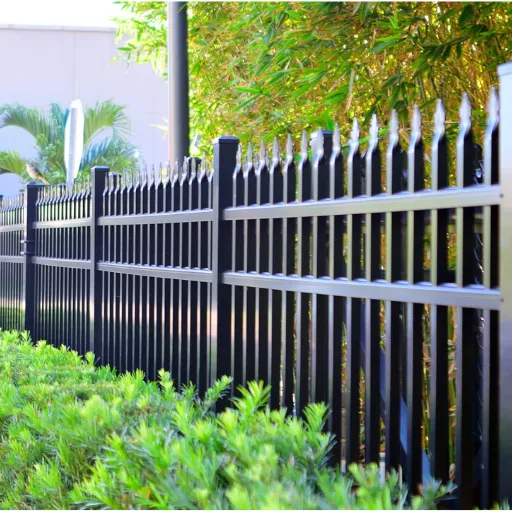 Read More
 -
Cast Iron Garden Fence: The Ultimate Guide to Durable and Decorative Garden Edging
February 2, 2026The cast iron garden fence functions as a boundary that creates an everlasting combination of practical use and aesthetic beauty t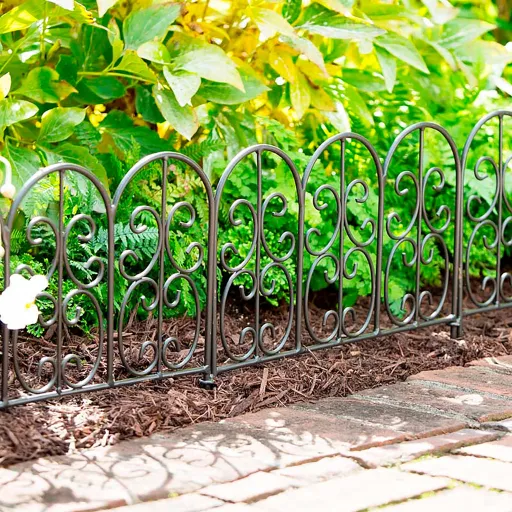 Read More

Contact Us
Recommended Products
-
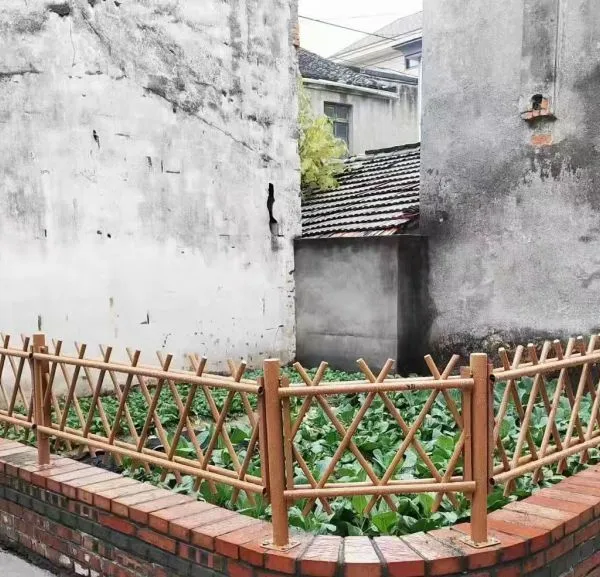
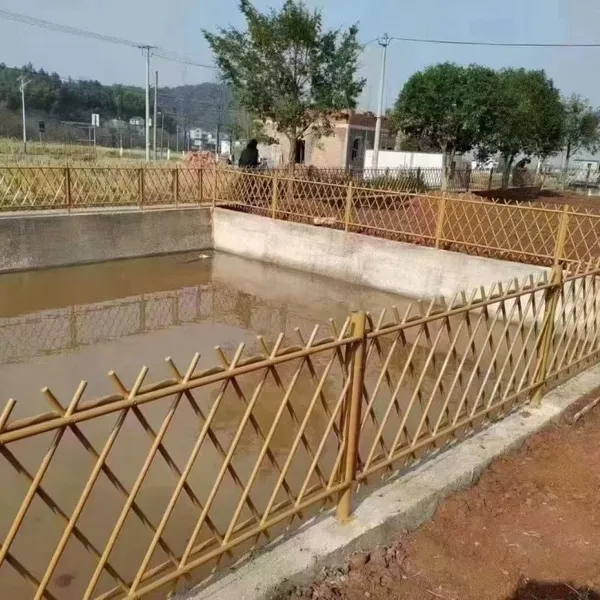
 Durable Imitation Bamboo Fence for High-Traffic Public SpacesNegotiableMOQ: 50 Square Meters
 -
Customizable Imitation Bamboo Fence With On-Site Measurement ServiceNegotiableMOQ: 50 Square Meters
-
Modular Imitation Bamboo Fence Panels for Quick InstallationNegotiableMOQ: 50 Square Meters
-
Imitation Bamboo Privacy Fence With Reinforced Aluminum BaseNegotiableMOQ: 50 Square Meters
-
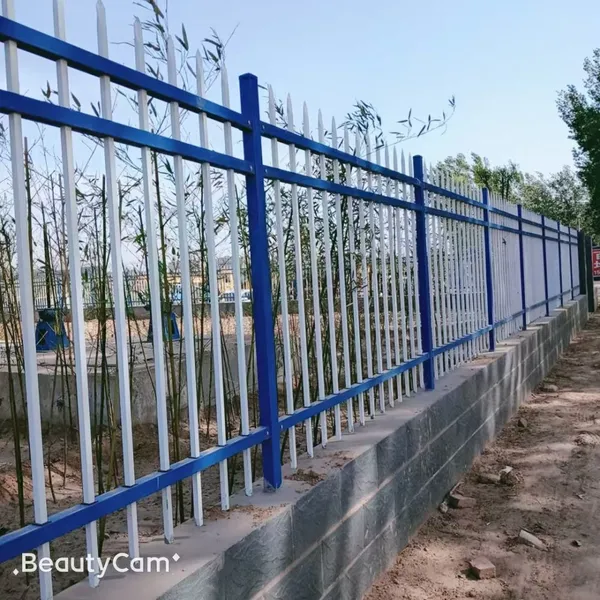
Commercial Grade Villa Fence for Real Estate Developments and Hotel Perimeter ApplicationsNegotiableMOQ: 10 Sets
-
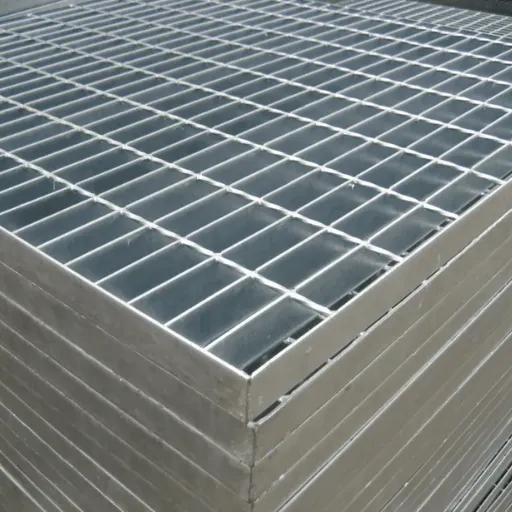
Industrial Steel Grating Solutions for Oil and Gas Platforms, Compatible With Harsh ConditionsNegotiableMOQ: 10 Pieces
-
Basketball Court Fence 4M Height, Galvanized Steel Chain Link Mesh for Outdoor Sports Field PerimeterNegotiableMOQ: 50 Square Meters
-
Chain Link Basketball Court Fence Offering Anti-Rust Protection and Long-Term PerformanceNegotiableMOQ: 50 Square Meters
-
European Style Villa Fence Concrete Base Installation Courtyard Boundary WallNegotiableMOQ: 100 Square Meters
-
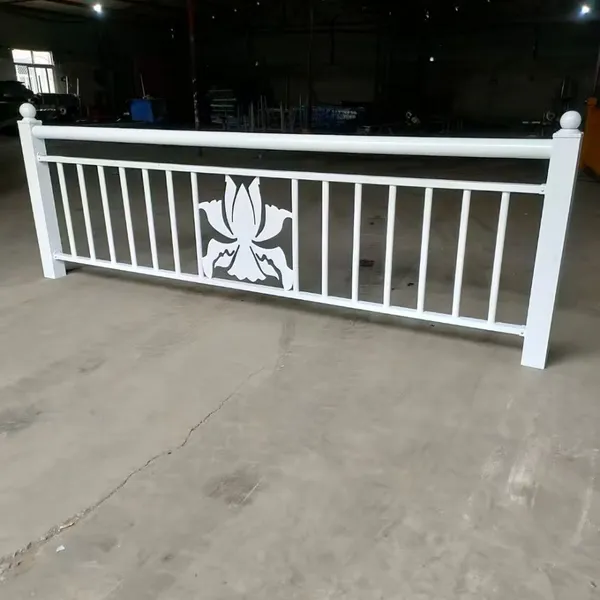
Galvanized Steel Villa Fence With Powder Coating for Superior Corrosion ResistanceNegotiableMOQ: 100 Square Meters
-
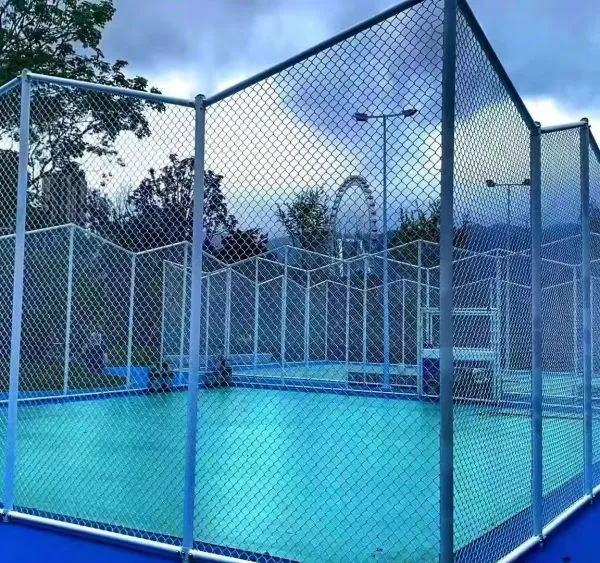
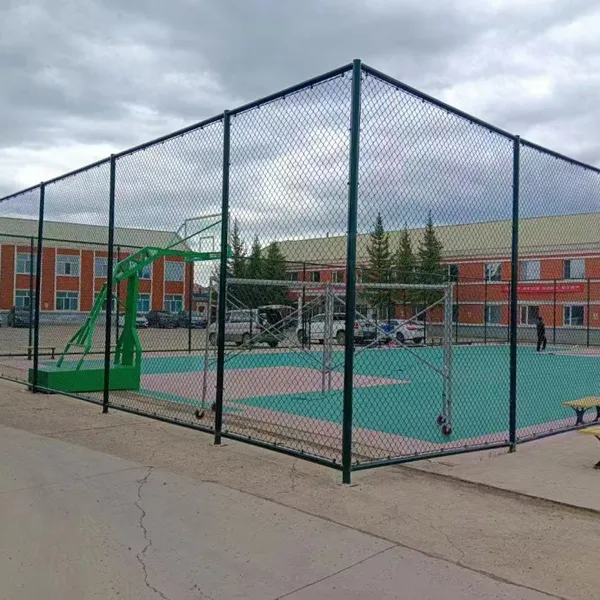
Powder-Coated Basketball Court Fencing With Weatherproof Finish for Long-Term Outdoor ApplicationNegotiableMOQ: 100 Square Meters
-
Powder Coated Wrought Iron Main Gate and Garden Fence for HousesNegotiableMOQ: 100 Square Meters
-
Elevate Your Garden With an Artistic Wrought Iron Garden Fence | Uniting Security & EleganceNegotiableMOQ: 100 Square Meters
-
Low-Maintenance Wrought Iron Garden Fence | Durable Powder-Coated Steel PicketsNegotiableMOQ: 100 Square Meters
-
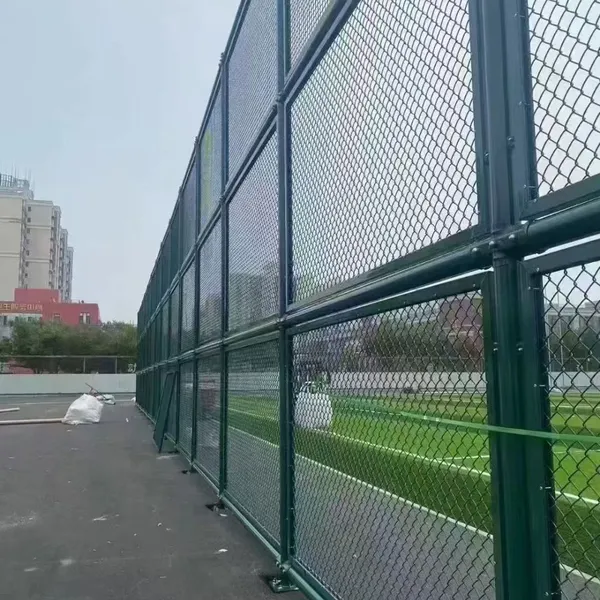
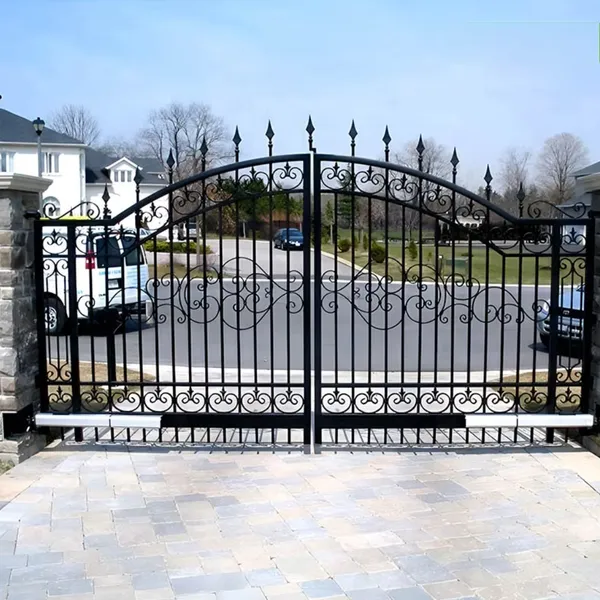
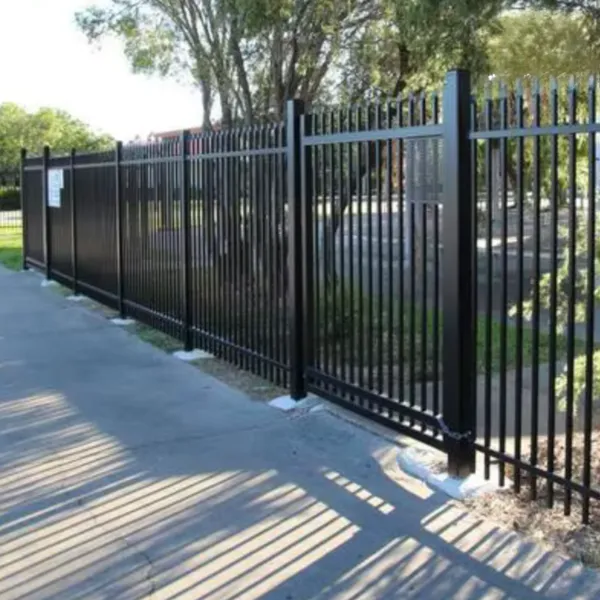
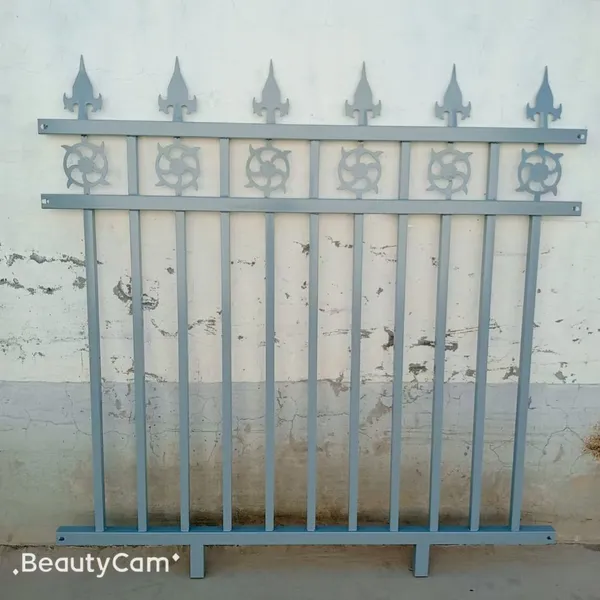
Heavy-Duty Villa Fence: 10 Gauge Steel Construction With Powder Coating for DurabilityNegotiableMOQ: 10 Sets

-
Anti-Slip Steel Grating Panels for Enhanced Safety in Wet and Slippery Work AreasNegotiableMOQ: 10 Pieces
-
Steel Grating for Stair Treads and Catwalks in Commercial and Factory BuildingsNegotiableMOQ: 10 Pieces
-
High-Security Villa Fence With Lockable Gates and Weather-Resistant Finish for Home ProtectionNegotiableMOQ: 10 Sets
-
Galvanized Steel Basketball Enclosure Netting / Ball Containment System With Frame for Outdoor CourtsNegotiableMOQ: 50 Square Meters
-
Vinyl Coated Chain Link Fencing for Basketball, Pickleball & Tennis CourtsNegotiableMOQ: 500 Square Meters