
 Business License

Basketball Court Chain Link Fence: Enhance Your Sports Court with Durable Mesh Solutions
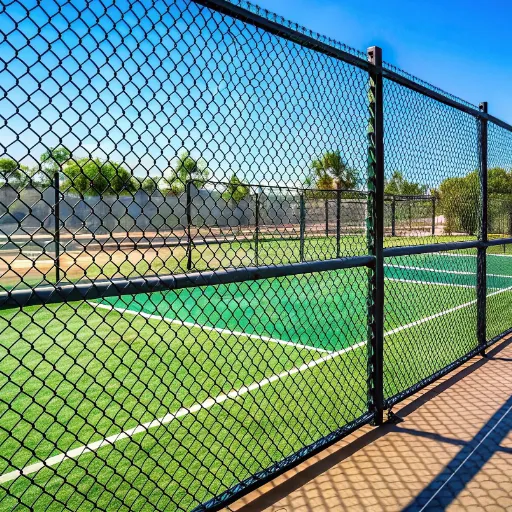
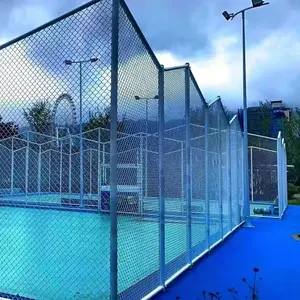
The selection of the right fencing is one of the key factors that affect the overall quality of the basketball court. The chain link around the court not only provides a boundary for the game but also offers safety for the players, crowd control, and even equipment protection. However, the real question is what type of fence would suit your specific requirements? The blog post explores the benefits of chain link fences, including their unmatched durability and their status as the number one choice for sports courts, among others. No matter if you are a facility manager, a school administrator, or simply a person wanting to improve the backyard court, this guide is going to help you make the right decision and also get the most value out of it. Keep following us to learn how well-planned chain link fencing can both FUNCTIONALLY and AESTHETICALLY upgrade your basketball court.
Introduction to Basketball Court Fencing
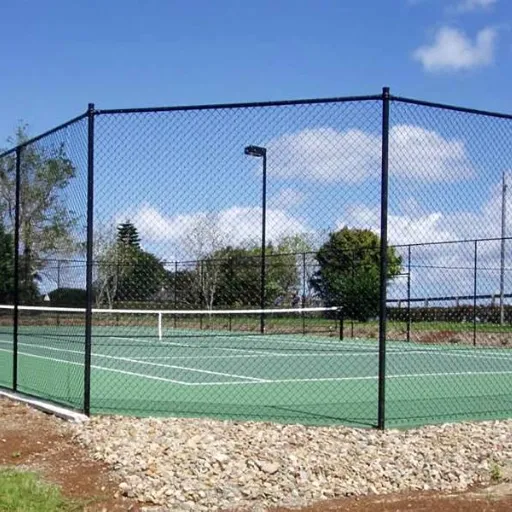
Safety and a proper playing environment are provided by the fencing around the basketball court. It prevents the ball from going out of bounds, marks the safe area for players, and gives better control over spectators. Chain link fences, among others, are the most preferred ones for their durability, reasonable cost, and low upkeep. Further, they are not a barrier to viewing and are strong enough to withstand the impact of continuous playing so they can be used for both amateur and professional courts.
Importance of Fencing in Sports Courts
When it comes to sports courts, fencing is an indispensable factor in their functionality and safety. It demarcates the regions and creates a safe and focused atmosphere for the players and the audience. Below are five detailed reasons that reveal and validate the need for fencing in sports courts:
Enhanced Player Safety
Fencing serves as a measure to prevent injuries by surrounding players within the designated area while also protecting them from hazardous areas outside the court. This is particularly relevant in quick sports where a player might unintentionally cross the line and be hurt.
Spectator Management
Fencing provides a clear indication of where the players are and where the audience begins, which helps ensure safe, organized conditions during the game and event. The proper type of fencing can change the whole area into a place where, without disturbing the court action, the fans can be.
Ball Containment
Fencing is the only reason that balls cannot escape into the court area which, in turn, reduces stoppages and also constant ball retrieving. For high energy sports like tennis or basketball, this is really a big factor in keeping the action going.
Durability and Weather Protection
The modern fencing materials such as chain link and vinyl-coated ones are designed to withstand harsh weather, heavy traffic, and strong impacts. Not only does this guarantee the fencing will have a long life, but it also ensures that the time required for repairs and replacements will be lessened.
Enhanced Security
Fencing around the courts deters intruders and protects against vandalism and theft. The main entrance during off hours is open for animals or uninvited persons leading to a drop in the court’s overall quality.
Fencing is a must-have and the first factor in the design of sports courts. It guarantees not only utility but safety and security for all.
Overview of Chain Link Fences
Chain link fences are very versatile and the most popular type of fence for sports courts, residential areas, and commercial properties. Along with the advantages of toughness, low cost, and minimal maintenance, they also provide a boundary around the area while still allowing people to see and for air to flow through.
Advantages of Chain Link Fences
Durability
The chain link fence is made of steel that is either galvanized or powder-coated, and thus it is commonly considered the best OFF fencing material for outdoors because it can be in the best and rust-free condition for a long time. Some recent studies on the lifespan of fencing materials have concluded that modern chain-link fences can last 15-20 years and, if well cared for, even longer.
Affordability
Chain link fences are really cheap when compared to other fencing materials like wood or wrought iron. The average cost of installation is about $8 to $18 per linear foot which is a great way of getting around tight budgets especially in big projects like sports courts.
Various Options
Chain link fences can be constructed to meet specific requirements in terms of height, thickness, and color. Recent market surveys reveal that the popularity of black and green vinyl-coated chain link fences has been increasing because they blend easily with the surroundings and provide additional protection against the elements.
Simplicity of Installation
Installing a chain-link fence is not very difficult, and in most cases, the entire process is completed in a few days. Very few tools are required, thus reducing the labor cost for large fencing projects.
Security and Safety
A chain link fence provides protection by preventing unauthorized entry. In the case of courts, they keep the playing area, so the bouncing balls and the rest of the equipment remain within the borders. Steel tops or tighter mesh are among the security measures sometimes used for this purpose, providing extra protection.
Environmental Considerations
Chain link fences are green since they can be reprocessed. Recent industry reports state that the primary material used in chain link fences is among the most recycled materials worldwide, thereby advocating eco-friendly building practices.
Uses
Sports Courts
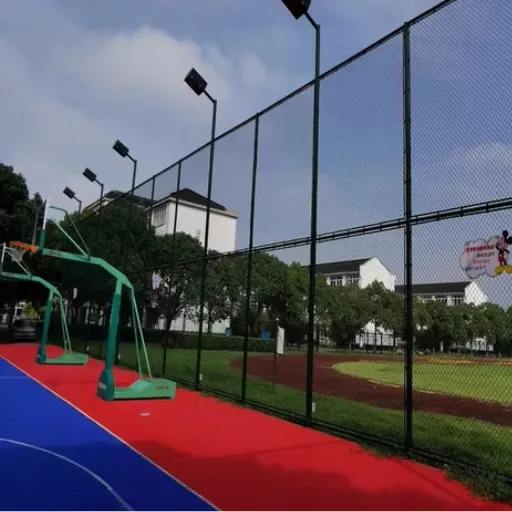
Tennis, soccer, and basketball are the sports where chain-link fences are most common, not only defining the boundaries but also ensuring players are clearly visible to the audience.
Residential Areas
Aesthetically pleasing, this fencing type is, and, being the least expensive, it still functions as a barrier to keep a pet-free area, make a garden, or keep a backyard safe.
Commercial and Industrial Spaces
Many companies consider chain link fences a reliable solution for a quick entrance and a secure area to store their assets, protecting them from theft or damage.
The development of chain link fences marks a transition period when nothing is lost; they remain, hence, a preferred option for a diverse array of uses. New materials and designs also make them highly sought after among security and style-conscious users.
Benefits of Choosing a Mesh Fence
Durability and Longevity
Fences made of mesh from the finest quality materials like galvanized steel or aluminum have non-corrosive and weatherproof characteristics which imply that they retain their functionality and attractiveness for a long period of time.
Enhanced Security
The heavy-duty mesh fence guarantees intrusions protection that is very hard to breach, thus representing a perfect solution for different types of properties: residential and commercial, as well as industrial. The closely knitted structure not only prevents it from being scaled but also secures it so that no one can get in without being allowed.
Cost-Effectiveness
Fencing with mesh is the least expensive option but still offers the same high quality and security level. In addition, their low maintenance requirements further reduce long-term costs.
Versatility and Customization
Portable fencing systems can be tailored to various specifications including height, thickness, and finish. This feature makes them suitable for a wide range of applications from garden and sports court security to industrial site enclosure.
Visibility and Aesthetic Appeal
Mesh fences’ translucent nature provides a clear view while allowing light and air to pass through without being too noticeable. So, they are commonly installed in places like gardens, playgrounds, and other public parks that need to be kept visible.
Benefits of Using Chain Link Fences for Basketball Courts
Safety Improvements for Players and Spectators
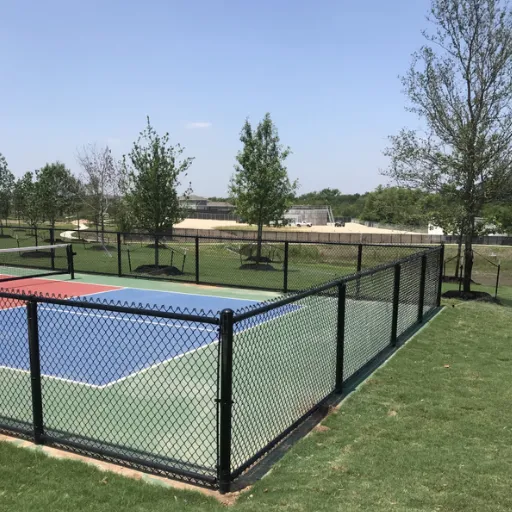
Chain link fences are being used as a secure perimeter that not only retains the balls within the area but also greatly diminishes the chances of players especially those seated next to the playing ground getting hurt. The perimeter also allows a very safe match to take place without stoppage.
Long-lasting and Easy to Look After
Galvanized steel is the material used in constructing chain link fences making them very strong and capable of withstanding storms, heavy rains, and extremely hot suns. They almost become maintenance-free, thus providing a very cheap solution for many years to come.
Being Inexpensive
The cost of installation and maintenance of chain link fences is comparably lower than that of other types of fencing. Hence, they are the best choice for schools, parks, and community basketball courts operating on very limited budgets.
Open Design and Spectator Access
Chain link fences virtually open up the entire space, thanks to their transparency, and the audience can follow the games without any hindrance. Moreover, this ensures proper air circulation and creates a pleasant sense of spaciousness around the court.
Different Heights and Sizes Available
Flexibility is one of the many benefits that chain link fences offer as they can be tailored to the specific demands of the basketball court. For instance, taller fences can be erected so that balls do not go over, particularly for courts located in urban areas or near roads thereby providing additional safety as well as compliance with the local regulations.
Durability and Longevity of Galvanized Wire
Galvanized wire has earned a reputation for its amazing strength and anti-corrosion properties, so it is used in various applications, such as fencing for basketball courts. The main cause of this strength is the zinc layer applied during the galvanization process, which serves as a shield that keeps moisture, rust, and other harmful factors away from the wire. Hot-dip galvanized wire typically can last from 20 to 50 years depending on such factors as humidity and pollution in the environment.
It has been found that the thickness of the zinc coating also affects the lifetime of the galvanized wire. For example, an 85-micron zinc layer may last 50 years in the countryside and 10 to 30 years in the city or industrial areas with high pollution.
In addition, the maintenance for the galvanized wire is notably lower than that of the non-galvanized wire, making it an economical option over time by reducing frequent replacements. Its incredible strength to withstand any kind of severe use, bad weather, and aging gives a guarantee that even the most affected fences like the ones around basketball courts will not lose their integrity. Thus, choosing galvanized wire means long-term reliability with repair and replacement costs cut down.
Cost-Effectiveness Compared to Other Fencing Options
Galvanized wire fencing is a very cost-effective option compared to the other materials listed below. It is the long life, strength, and low maintenance requirements that are the primary reasons its being the most economically effective choice. Following are the five popular choices of fencing along with the aspects of their costs and maintenance considerations:
Wooden Fencing
Initial Cost: Moderate
Maintenance: High, as it needs regular staining or painting to prevent rot and weather damage.
Durability: Eventually, it will warp, crack and become infested by termites, leading to higher replacement costs.
Vinyl Fencing
Initial Cost: High, the most expensive among other materials.
Maintenance: Low, the material is resistant to rot, insects, and weather damage.
Durability: Very long-lasting, but occasionally the material may eventually need to be replaced as a result of cracking or fading due to extreme weather conditions.
Chain-Link Fencing
Initial Cost: Low to moderate
Maintenance: Moderate, as the metal may corrode over time unless it is galvanized or coated.
Durability: Rust-prone if not properly treated, potentially requiring periodic repairs or replacements.
Aluminum Fencing
Initial Cost: High
Maintenance: Minimal, due to natural resistance to rust and corrosion.
Durability: Long-lasting but less robust than galvanized wire for heavy-duty applications like sports courts.
Wrought Iron Fencing
Initial Cost: Very high, with custom designs adding to the cost.
Maintenance: High, requiring routine painting or rust prevention treatments.
Durability: Extremely durable but heavily reliant on consistent upkeep to avoid rust and structural wear.
Galvanized wire, owing to its moderately high installation cost, remains the leader in long-term economy because it offers the advantages of low maintenance, high durability, and the ability to withstand tough conditions without significant degradation. It consequently, represents one of the most trustworthy as well as economically viable fencing solutions.
Visibility and Safety for Players
The two major factors in sports fencing are visibility and safety. These two factors, together, not only provide the best experience but also ensure player safety. The clarity through the fencing is so good that the players will not only be able to see everything around them, but also communicate well with their teammates or spectators, and the aesthetic quality of the game environment will not be affected at all.
Features That Improve Visibility
The public at the sport events will for sure get the most out of the fencing of modern fencing solutions in terms of visibility as these are usually mesh designed and made with very fine wire spacing. Fences with a mesh size of 2 inches by 2 inches can be viewed by both players and spectators, while still maintaining their structural integrity. The light is allowed by these designs to pass through effectively so there would not be any glare or shadowing that could block the views during the game.
Safety Measures and Data
Safety has once more emerged as a crucial aspect. The injuries due to players crashing into fencing barriers can be reduced by one third if the fencing is properly placed, based on the information gathered from various sports injury prevention research projects. The tensioned or coated galvanized wire is the usual material for this purpose, which not only ensures a smooth surface but also provides a structure that absorbs impact, already protecting the player from skin rub and injuries.
Among the latest fencing technology features for that support safety while still allowing optimal visibility are anti-climb designs and padded or coated areas in high-injury risk segments. The regions where the sports infrastructure standards have recently been established suggest 6 to 8 feet heights for the fencing around the multi-purpose courts, which both protects players from the hazards of accidental falls or projectiles coming out of the field and does not artificially extend their limits beyond safe boundaries.
The combination of modern sports fencing's durability, visibility, and safety guarantees a secure and pleasant atmosphere for all, regardless of the experience level of players, whether they are amateurs or professional, and for the audience as well.
Comparison with Other Fencing Options
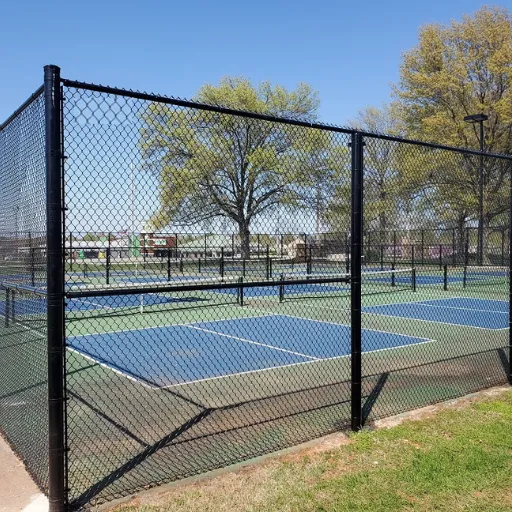
Factors influencing the comparison of modern sports fencing with other types of fencing include durability, cost, maintenance, and suitability for different applications. Here is the detailed comparison of the five most commonly used types of fencing:
Chain-Link Fencing
Durability: Ultra-durable and resistant to the harshest weather conditions.
Maintenance: No maintenance needed at all, but regular inspection for rust and loose fittings is a must.
Cost: One of the cheapest options in the fence market.
Visibility: Very good visibility due to the open-weave design, making it perfect for sports facilities.
Suitability: Mostly used in schools, community courts, and public parks.
Welded Mesh Fencing
Durability: Extremely tough and impervious to vandalism because of its strong structure.
Maintenance: The fence requires only occasional upkeep, with anti-corrosion coatings extending its lifespan.
Cost: More expensive than chain-link but more secure.
Visibility: Good visibility, the audience would have no problems watching the games.
Suitability: Best for the safest sports complexes and professional places.
Wooden Fencing
Durability: Affected by nature's changes more and wears out progressively.
Maintenance: Applying stain or paint to prevent rot and keep it looking good is essential.
Cost: Cheap in general, but prices can vary depending on the species of wood.
Visibility: Minimal visibility; complete obstruction in views, unlike metal fencing, which allows some view.
Suitability: Making it less of a place for an open sport of privacy around recreational areas rather than the sports area itself.
Vinyl Fencing
Durability: No weather and decay would shorten its long life.
Maintenance: Just dirt cleaning and the fence is as good as new, almost no maintenance needed.
Cost: Upfront costs are higher compared to chain-link or wooden options.
Visibility: Depending on the design, it can be quite opaque and is often used for decorative purposes.
Suitability: Usual around private tennis courts and housing sports areas.
Glass Panel Fencing
Durability: The strongest option is reinforced or tempered glass.
Maintenance: The glass always has to be cleaned, thus so is its maintenance and aesthetics.
Cost: The priciest option because of the material and installation costs.
Visibility: Excellent visibility for the spectators as there are no obstructions.
Suitability: At the very least, the premier or luxury facilities are where this fencing is used, or in aesthetically pleasing and modern design locations.
There are advantages and disadvantages for each fence type, thus the specific conditions of the sports area should be considered carefully before selecting the best one.
Chain Link vs. Vinyl Fencing
Key Point | Chain Link | Vinyl |
|---|---|---|
Cost | Most affordable option | More expensive than chain link |
Durability | Lasts ~20 years, very durable | Lasts ~20 years, durable but wind-prone |
Maintenance | Minimal, may need occasional painting | Virtually maintenance-free |
Privacy | Offers little to no privacy | Provides excellent privacy |
Aesthetics | Simple, not visually appealing | Available in various styles and colors |
Installation | Easy to install | Easy to install |
Security | Limited, can be climbed | Better security with vertical pickets |
Weather Resistance | Prone to rust and corrosion | Resistant to most weather conditions |
Pet Safety | Scalable by pets | Difficult for pets to climb |
Pros and Cons of Wood and PVC Fencing
Key Point | Wood Fencing | PVC (Vinyl) Fencing |
|---|---|---|
Cost | Lower initial cost | Higher upfront cost |
Durability | 15-30 years, prone to rot/warp | Decades, resistant to rot/warp |
Maintenance | Regular staining/painting needed | Minimal, occasional cleaning |
Aesthetics | Natural, customizable, rustic charm | Limited styles, artificial look |
Privacy | Excellent with solid panels | Excellent with solid panels |
Weather Resistance | Vulnerable to moisture and pests | Resistant to weather and pests |
Repair | Easy to repair individual planks | Difficult, often replace entire panels |
Eco-Friendliness | Natural material, biodegradable | Made from recycled plastics |
Installation | Requires precision, more tools | Easier with interlocking panels |
Temporary Fences vs. Permanent Solutions
Key Point | Temporary Fences | Permanent Fences |
|---|---|---|
Cost | Lower upfront cost | Higher initial investment |
Durability | Short-term, less durable | Long-lasting, withstands harsh weather |
Installation | Quick and easy setup | Time-consuming, requires digging/posts |
Flexibility | Portable and reusable | Fixed, not easily relocated |
Maintenance | Higher due to frequent replacements | Minimal with proper materials |
Aesthetics | Basic, functional design | Customizable, enhances property value |
Use Case | Events, construction, short-term needs | Residential, commercial, long-term use |
Security | Limited, basic protection | High, robust security |
Lifespan | Temporary, short lifespan | Decades with proper care |
Fencing Installation Tips for Basketball Courts
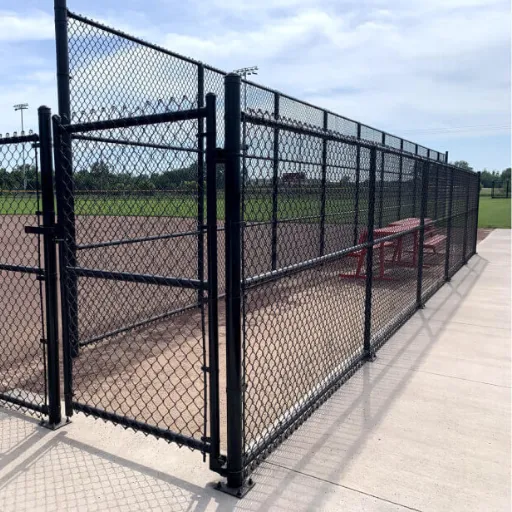
Fencing will require a careful and proper arrangement of the basketball court that not only protects the area but also endures and supports the activity. It is important to keep in mind the following five main tips during the setting up of the fence:
Choose the Right Material
The fence made of chain-link or PVC-coated should be your preference as these materials are strong, endure the elements, and have a long life span. Seek out materials that are low-maintenance and will save you in time and resources when it comes to repairs later on.
Correct the Height
Fencing around the basketball court is usually 10 to 12 feet high, which is the best way to keep balls on the court. Make sure the height is not only allowed by local laws but also serves the purpose of safety and uninterrupted play.
Securely Anchor
Attach the fence to the heavy posts that are sunk deep enough to withstand boththe constant impacts from the balls and the violent weather conditions. The best way to ensure that the fence is always stable and positioned right is to use concrete footings.
Establish Gate Access Points
The gate locations should be determined based on accessibility for the entrance and exit. Such accesses must be wide enough for players and maintenance vehicles to go through but also must be lockable to keep out intruders.
Fencing of the court will significantly enhance players' safety if the basketball court is padded around the posts and in areas where collisions are most likely to occur. This is particularly important for courts mainly used by children or where competitive games are held, where players may come into contact with the fence.
Every single one of these measures plays a unique role in ensuring that the basketball court fence is effective in its function, compliant with safety standards, and at the same time, practical and circulating.
Preparation and Planning for Court Fencing Installation
The installation of basketball court fencing has to be really well prepared and planned out before it can be considered successful. By evaluating the site for its strengths and weaknesses, first the local regulations, then the materials, will dictate the approach to getting durable, safe fencing solutions.
Assess Site Conditions
The first step in the process is to examine the site conditions and conduct an on-site inspection to determine the location for the fence. You should try to spot any conditions that might influence the position of the fence such as ground slope, stability, trees and obstructions or utility pipes. Studies show that poor fencing installation on uneven or unstable ground could result in difficulties being 30% more than usual and thus leading to maintenance cost comparable to those of a good ground install. Solving these issues before installing will save you time and money in the long run.
Understand Zoning Regulations
Discover foe-proof regulations and permits local government will require for your project. For example, in many cities there are specific zoning codes that limit the height and the type of material that can be used for fencing in the areas where people's recreational activities take place. In California, 10 feet is the usual height for a court's fence to be considered safe. Noncompliance with the laws can incur high penalties or necessitate the costly process of dismantling and rebuilding again.
Determine Material and Design Options
A variety of materials such as chain link, vinyl-coated chain link, and welded wire mesh can be used for the fencing. A 2023 market analysis found that more than 60% of sports court installations use chain-link fences, which are preferred for their affordability, durability, and ease of maintenance. Nevertheless, you might also want to think about vinyl-coated options for improved resistance against corrosion or making the fence look good.
Create a Budget and Timeline
To avoid confusion, it is better to create a budget that covers everything for the project, including materials, labor, and possibly extras such as gates or protective padding. Current statistics show that the price of a standard basketball court fence installation varies depending on the materials used, and ranges from $15 to $40 per linear foot. When you make a timeline realistic, taking weather conditions into account, you can avoid delays during the installation process.
Choose Professional Installation Services
Using professionals ensures the fence is installed correctly and is safe in accordance with regulations. Look for contractors that specialize in sports fencing and check their customer ratings or if they have any certifications. Research indicates that a professional installation can extend the life expectancy of a fencing system by 20-25% compared to a non-professional (DIY) installation.
The installation process can be less stressful with proper planning, and the result will be a safe, sturdy basketball court suitable for players of all ages and skill levels.
Step-by-Step Installation Process for Chain Link Fences
Planning and Site Preparation
At the onset, readily illustrate the site area where the basketball confine will be placed. Use stakes and a string to outline the court or preferred location. Check whether the surface is even, as uneven land may need leveling. Be familiar with the local zoning regulations and obtain the relevant permits before proceeding. Good planning, in line with current regulations, can reduce the time required for that installation by up to 30%.
Measure and Purchase Materials
First, measure how long the entire fence will be and then figure out how much of each component such as posts, chain link mesh, gates, and other accessories will have to be bought. Usually, chain link fences are available in heights of 4 to 10 feet. Bear in mind that if you use top quality, galvanized or vinyl-coated steel, you will get a long-lasting fence, as some studies say these materials can survive extreme weather for up to 20 years.
Set the Fence Posts
Post hole locations should be marked around the perimeter band at intervals of 6 to 10 feet. The hole for the post should be dug one-third the length of the post deep and concrete poured into it for stabilization. The concrete should be set for at least 24 to 48 hours. A plumb bob should be used to see if the posts are vertically aligned; this will add to the overall strength of the fence.
Attach the Top Rail and Tension Bands
Fix the top rail to the posts using brackets or fittings. This rail is the one that will be wire-fabric-supported. Put a tension band around each post to help fastening the chain link mesh later. Industry research shows that tension bands placed at regular intervals can improve the fence's resistance to external forces by up to 15%.
Unroll and Fasten the Chain Link Mesh
Furl out the chain-link mesh entirely to where the fence line ends. Begin attaching it to the first post at the end with tension bars and clips. Mesh is being unrolled and fixed on the intermediate posts, while it is marked for sagging that it is stretched. The tightness has a more significant impact on the fence's performance, and using a fence stretcher to achieve professional-grade tension will do wonders.
Secure the Bottom Edge
Damage from animals or debris can be prevented by tension wires used at the bottom; they will not only prevent the fabric from loosening but also increase the strength of the fence. Based on the findings, installing the bottom tension wires can add 10-15% to the fence's lifespan.
Install Gates and Final Adjustments
Install the gates in the correct locations and using heavy-duty hinges and latches. It is critical to ensure that the gates do not hinder access when opened and are properly closed. Carry out a thorough inspection of the entire fence for loose fittings or misaligned parts and make necessary adjustments, if any. A properly installed gate not only increases accessibility but also enhances safety.
Apply Finishing Touches
Do one more walk-through to ascertain that all bolts, clamps, and fasteners are secure. If needed, put on protective caps on the tops of the posts for safety. It is the recent industry standards that indicate that such small details can not only reduce accidents but also enhance the aesthetic appeal of the fence.
Combining all these processes and focusing on the excellent materials, one can opt for a superior quality and a long lasting chain-link fence that will take the role of enclosing and protecting the basketball court for several years to come.
Common Mistakes to Avoid During Installation
Insufficient Post Depth - The most common error is the shallowness of post installation for the fence. According to the industry standards, such posts should be embedded at least 2 feet or one-third of their height for the purpose of support. The shallow-posted fences can easily be the weakest point in the structure, and thus they may collapse even if there is not much vibration.
Incorrect Tensioning of the Chain Link Fabric - Poor stretching of the chain link fabric is one of the major problems, as the chain link fence either sags or is loose. It is absolutely necessary to use a tension bar and come-along tool to pull the fabric tight which not only looks professional and secure but also is very functionally secure.
Skipping the Use of Corner Braces - Neglecting to install corner braces can leave a fence that is not strong at all. The corner posts are going to bear quite a bit of tension over the years, and if there are no braces the posts will start to tilt over or even collapse.
Using Low-Quality Materials - The selection of inferior quality materials may lead to an instant reduction of your bill, but very rarely will it lead to the need for repairs and consequently shorten the material's life span. For instance, you can choose galvanized or vinyl-coated materials which will not only provide top protection from rust and corrosion but also have a major positive impact on the lifespan of your fence.
Ignoring Slope Adjustments - Failing to account for ground slopes can result in a fence with uneven lines and spaces at the bottom. Properly grading a fence and stepping it down over the slopes not only helps protect but also gives a continuous and beautiful appearance.
Maintenance Tips for Chain Link Fencing
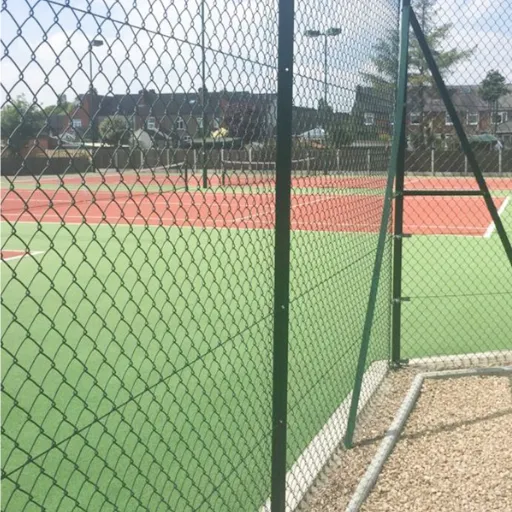
Regular Cleaning - Eventually, dirt, debris, and grime will take over your chain link fence making it susceptible to wear and tear. You can easily clean the fence and maintain its like-new appearance by combining soap and water, using the mixture every six months to prevent buildup and keep the fence in good condition.
Inspect for Damage - Routine inspections are necessary to check for damaged or bent areas, loose ties, and broken links. If you address these problems right away, it will not only prevent further deterioration but also keep the fence functioning properly.
Prevent Rust Formation - Rust is one of the biggest drawbacks of chain link fencing. It is advisable to apply a protective coating or rust inhibitor to metal surfaces once a year to help prevent rust, especially if you live in a humid or coastal area.
Trim Vegetation Around the Fence - Excessive plants and vines around the fence can exert unnecessary pressure, causing the fence to bend or sag. To ensure the fence remains stable, trim the plants and shrubs growing around it.
Tighten Loose Hardware - Over time, nuts, bolts, wires, and brackets may loosen due to weather conditions or normal wear and tear. It is a good idea to check regularly and tighten all hardware to keep the fence secure and stable.
Regular Inspection and Repairs
Regular inspections are vital for maintaining fence integrity and functionality. Experts recommend inspecting the fence at least twice a year, and more often in areas where storms, heavy rain, and extreme heat are frequent. The checkup should include inspecting for wear signs such as rust on metal parts, rotting, splitting of wood, and loose or missing screws and brackets. It is said that untreated wood-rot hot spots are responsible for around 20-30% of wooden fence failures, as they remain undetected during inspections.
Ignoring small issues can eventually result in large destruction as per the recent statistics. For example, a non-treated loose post can affect the entire fence's stability within 3-6 months if bad weather occurs. The average cost to fix a loose post is $100 to $150, whereas replacing the entire section of an incorrectly fenced area may cost $500 or more, depending on the type of materials used.
To get the best out of your repair plan, follow these steps during inspections:
Stability Check – Test every post by shaking it gently. If it wobbles, consider supporting it with more concrete or steel brackets.
Examine for Cracks or Splits – Use waterproof filler to seal small cracks in wood so that they won’t grow larger.
Hardware Assessment – Tighten screws, replace rusted fasteners, and oil hinges to ensure proper functionality.
Corrosion or Rot Treatment – Use rust-proof paint on metal fences and apply a wood preservative to timber fences to slow down decay.
Regular inspections along with quick repairs can help you escape costly replacements and maintain your fence's strength and security for a long time.
Cleaning Techniques for Wire Mesh Fences
I start cleaning the wire-mesh fencing by removing dirt and dust particles that are loosely attached to the surface with a brush or a hose. To remove built-up dirt and grease, I mix mild detergent with water and use a soft-bristle brush to scrub the fence's hard-to-reach spots. After that, I rinse with plenty of clean water to prevent any residue from forming. If I find spots with rust or very tough stains, I switch to a wire brush or use a rust remover, always keeping in mind that I'm maintaining the fence's quality and appearance.
Protective Measures to Extend Fence Life
For the wire mesh fence to have a long, beautiful life, it is essential to apply regular protective measures from the outset of installation. One method is treatment of the fence with a weather-resistant material; this can be a high-quality paint or a rust prevention spray that are designed for metal surfaces. Investigations indicate that galvanized or powder-coated fencing materials are extremely resistant to corrosion and can last 20 to 50 years under normal conditions, with the latter being the case according to industry reports.
If you want to keep the fence in good condition for the long run, do not forget to thoroughly inspect it for any damage or signs of wear at least twice a year, particularly after extreme weather events. The treatment of such matters as fissures or loose areas should be carried out immediately as it helps to prevent more damage. Moreover, effective drainage management around the fence can help address moisture issues by reducing the amount of water in contact with the fence. Studies show that poor drainage can accelerate rusting by as much as 25%, especially in warm areas.
To that end, for fences in high-traffic areas or near animals, it would be prudent to install barriers or shields around the fence to keep heavy equipment or animals away. This step not only reduces the risk of damage but also extends the structure's lifespan. By combining regular maintenance, intelligent renovations, and swift repairs, you not only prolong the fence's lifespan but also maintain its functionality and aesthetic appeal.
Frequently Asked Questions (FAQ)
Yes, chain-link sports court fencing is good for tennis and basketball courts?
Certainly. Chain-link fencing has become the ultimate accessory for both sports as they have been the most debited and commonly selected fencing system for tennis and basketball courts. These systems, which are usually made of hot dipped galvanized steel or black coated (PVC coated chain link), give a viewing distraction-free environment for the players and spectators, are rust-free and corrosion-proof, and are very conveniently installed either by an experienced installer or the manufacturer. The chain link fence does not permit the ball to leave the court area, but at the same time, it does not obstruct the airflow and visibility; if slats or a privacy fence layer is there, it will provide more privacy or less wind.
What is the standard-foot high for a tennis court fence and for basketball or volleyball court enclosures?
The height standards are determined by the purpose: a standard tennis court fence is usually 10 to 12 ft high behind the baselines and 8 ft high on the sides; basketball court perimeter fencing often ranges from 8 to 12 ft depending on whether the play is recreational or competitive; volleyball court and pickleball court fences can be lower but frequently use similar sports court fencing heights for safety. In the case of stadium or spectator areas, the installers may suggest higher than standard-fencing or field-fence solutions to control the area to which balls could reach the crowd.
Can a tennis court chain link fence be coated or treated to rust and corrosion?
Certainly. Coated chain link and hot dipped galvanized steel are the primary materials that make up a tennis court chain link fence last longer. PVC-coated and black-coated chain link provide UV protection and camouflage, while welded wire mesh or welded panels will be the choice if one needs a heavier duty, long-lasting solution. Good fabrication and the use of quality materials can help in lowering maintenance and overcoming corrosion issues.
What is the situation with Fence Gas versus Welded Mesh or Iron wire for court perimeter fencing?
Chain-link fences are generally cheaper, more adaptable, and easier to repair or remove (thus, mobile fencing options) than iron fences, but are also great in terms of visibility and airflow. Welded wire mesh and iron fences might deliver the same level of visibility and have greater toughness or be resistant to climbing, but usually, they are more costly and have heavy-duty applications. Select based on the fencing requirements, aesthetic preferences, financial resources, and whether privacy or spectator protection is needed.
A chain-link fence around a tennis court can stop balls in case of tennis and pickleball or when tennis and basketball are united in one court?
Undoubtedly. A chain-link fence around a tennis court can keep the ball mostly within the playing area, provided it is properly designed, with the right height and mesh. The standard tennis-court heights, with additional perimeter protection or taller sections at the baseline zones, might be considered for courts used for multiple sports like tennis and pickleball, or tennis and basketball. In the case of courts designed for heavy use or stadium-style courts, a combination of chain-link and additional safety netting or field fence panels will better containment for both players and spectators.
What practical uses and advantages does a chain-link fence system offer for school or community sports courts?
The chain-link fence systems are not only practical but also a good investment for schools and community facilities because they are durable, long-lasting, low maintenance, and adaptable to various sports (tennis, volleyball court, basketball, pickleball). They provide security fence benefits, allow clear visibility for supervisors and spectators, and can be fitted with gates, anti-climbing features, or privacy slats. The installers can suggest specific fence wire and fabric options that meet heavy duty or standard use requirements based on the coated or galvanized categories.
How much does it cost to install a tennis court fence or field fence, and what influences price?
The costs vary significantly according to the materials (galvanized steel vs. coated chain link vs. welded wire mesh), fence height (ft high), length, site conditions, gate and hardware choices, and whether you need anti-climbing or privacy features. Coated chain link and black-coated chain link usually cost more than the uncoated hot-dipped-galvanized options. An experienced fabricator and installer will not only guarantee proper tensioning and long-term performance but also, by obtaining multiple quotes, help you find a cost-effective solution for your fencing needs.
Are chain link fences easy to repair, remove, or modify for future court upgrades?
Absolutely. Chain link fences can be repaired, panel replacements done, and also not an issue with resurfacing and court upgrades, they are all relatively easy processes. Terrains of fence panels or sections can be done without replacing the entire perimeter, plus the mobile fence options or gate systems can be added for the temporary configurations. For permanent upgrades, installers can weld or reinforce posts and use heavier gauge fence wire for heavy duty applications to increase longevity and decrease future maintenance.
Recently Posted
-
Building a Security Fence: Your Guide to High-Security Solutions
February 5, 2026The security fence functions as the primary defense system of your commercial property, industrial site, and private estate becaus Read More
 -
How to Build a Security Fence: A Comprehensive Guide to Installing Chain Link Security Fences
February 4, 2026Constructing a security fence is an effective way to protect your property, define its boundaries, and enhance your privacy. The v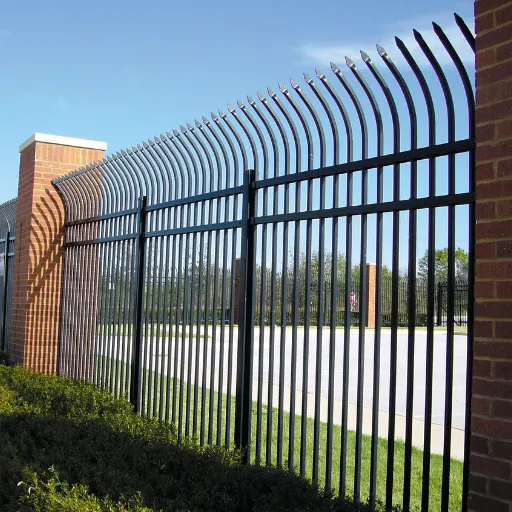 Read More
 -
Iron Yard Fence: The Ultimate Guide to Wrought Iron Fencing for Your Garden
February 3, 2026The design of a garden fence goes beyond establishing property borders because it serves two main purposes by enhancing the visual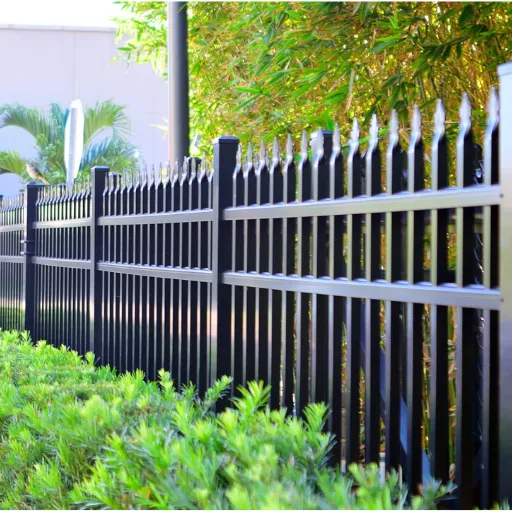 Read More
 -
Cast Iron Garden Fence: The Ultimate Guide to Durable and Decorative Garden Edging
February 2, 2026The cast iron garden fence functions as a boundary that creates an everlasting combination of practical use and aesthetic beauty t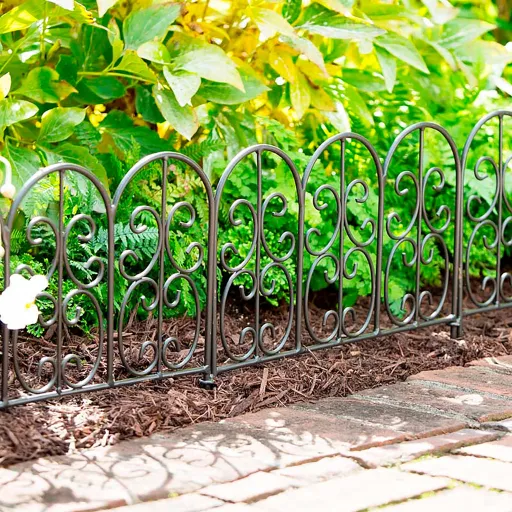 Read More

Contact Us
Recommended Products
-
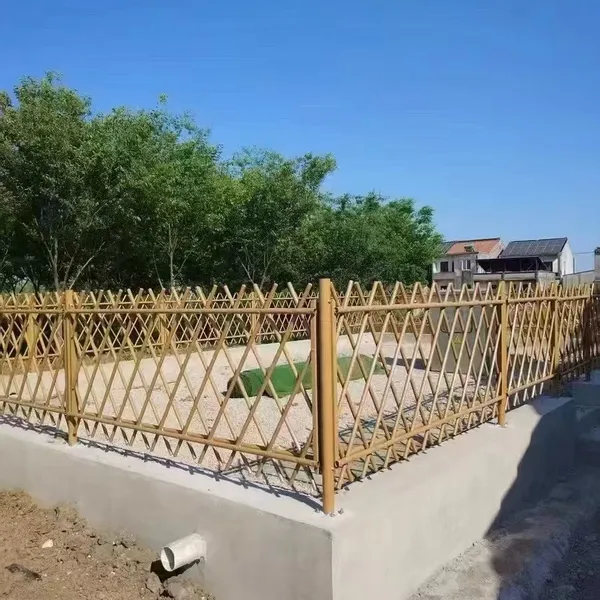
 Durable Imitation Bamboo Fence for High-Traffic Public SpacesNegotiableMOQ: 50 Square Meters
 -
Customizable Imitation Bamboo Fence With On-Site Measurement ServiceNegotiableMOQ: 50 Square Meters
-
Modular Imitation Bamboo Fence Panels for Quick InstallationNegotiableMOQ: 50 Square Meters
-
Imitation Bamboo Privacy Fence With Reinforced Aluminum BaseNegotiableMOQ: 50 Square Meters
-
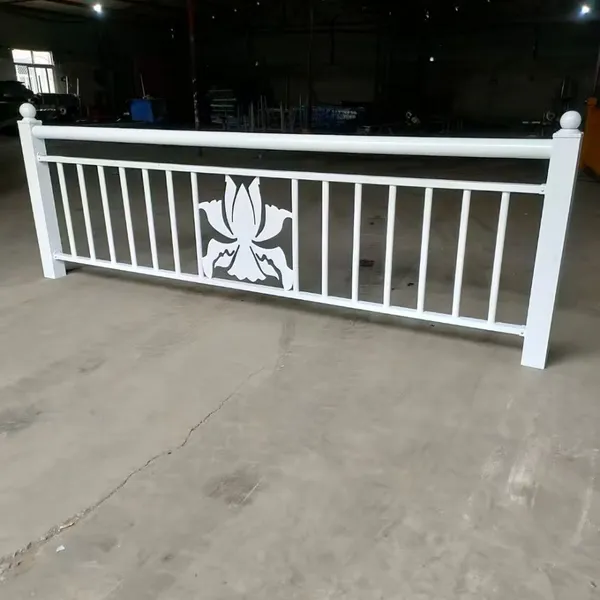
Commercial Grade Villa Fence for Real Estate Developments and Hotel Perimeter ApplicationsNegotiableMOQ: 10 Sets
-
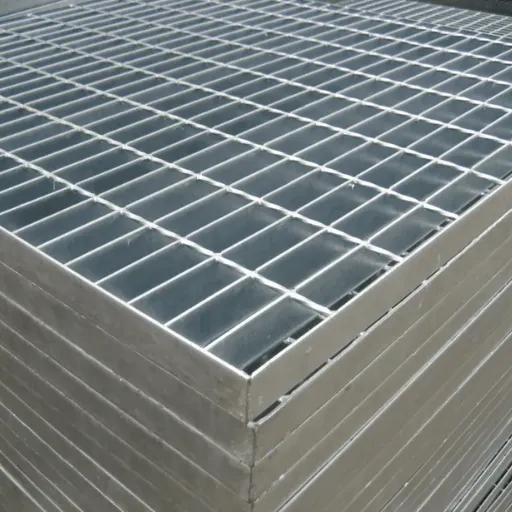
Industrial Steel Grating Solutions for Oil and Gas Platforms, Compatible With Harsh ConditionsNegotiableMOQ: 10 Pieces
-
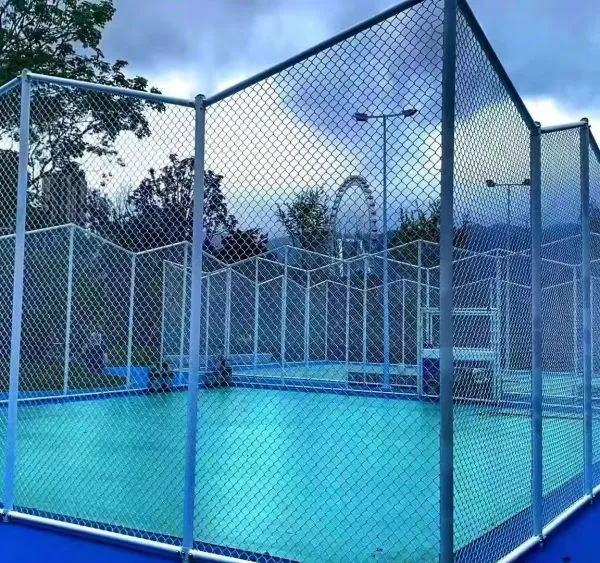
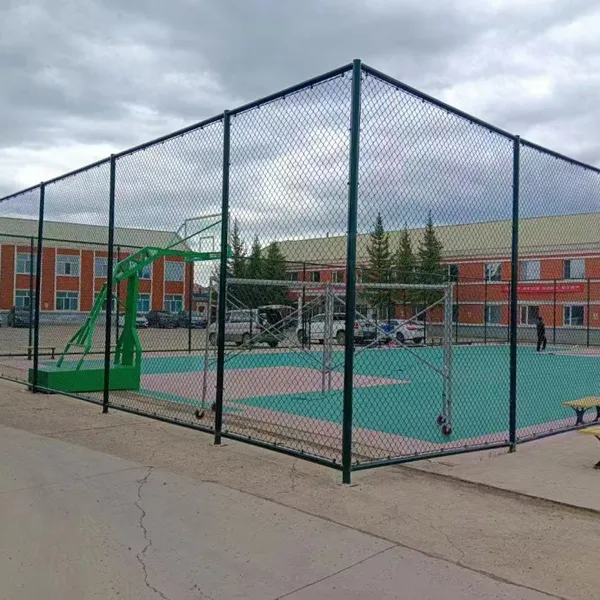
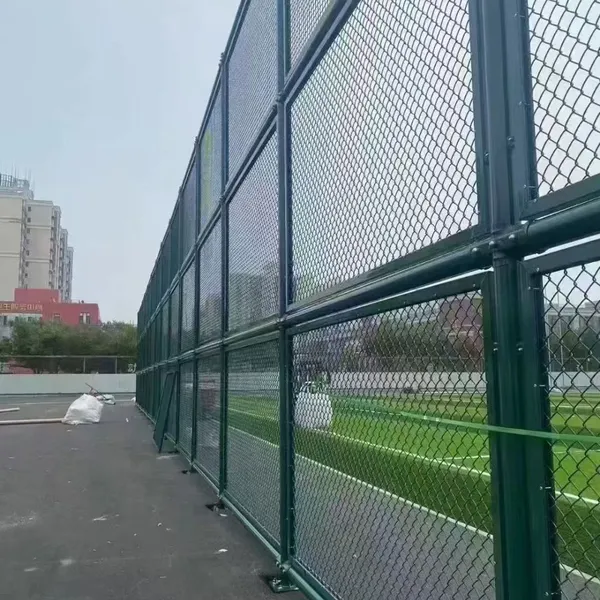
Basketball Court Fence 4M Height, Galvanized Steel Chain Link Mesh for Outdoor Sports Field PerimeterNegotiableMOQ: 50 Square Meters
-
Chain Link Basketball Court Fence Offering Anti-Rust Protection and Long-Term PerformanceNegotiableMOQ: 50 Square Meters
-
European Style Villa Fence Concrete Base Installation Courtyard Boundary WallNegotiableMOQ: 100 Square Meters
-
Galvanized Steel Villa Fence With Powder Coating for Superior Corrosion ResistanceNegotiableMOQ: 100 Square Meters
-
Powder-Coated Basketball Court Fencing With Weatherproof Finish for Long-Term Outdoor ApplicationNegotiableMOQ: 100 Square Meters
-
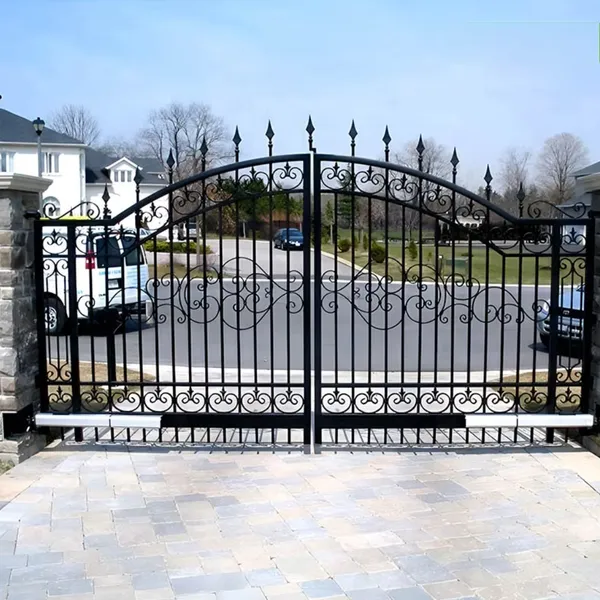
Powder Coated Wrought Iron Main Gate and Garden Fence for HousesNegotiableMOQ: 100 Square Meters
-
Elevate Your Garden With an Artistic Wrought Iron Garden Fence | Uniting Security & EleganceNegotiableMOQ: 100 Square Meters
-
Low-Maintenance Wrought Iron Garden Fence | Durable Powder-Coated Steel PicketsNegotiableMOQ: 100 Square Meters
-
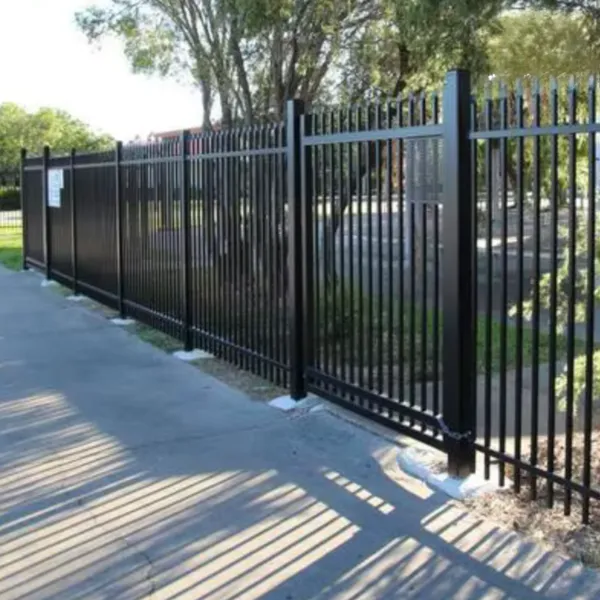
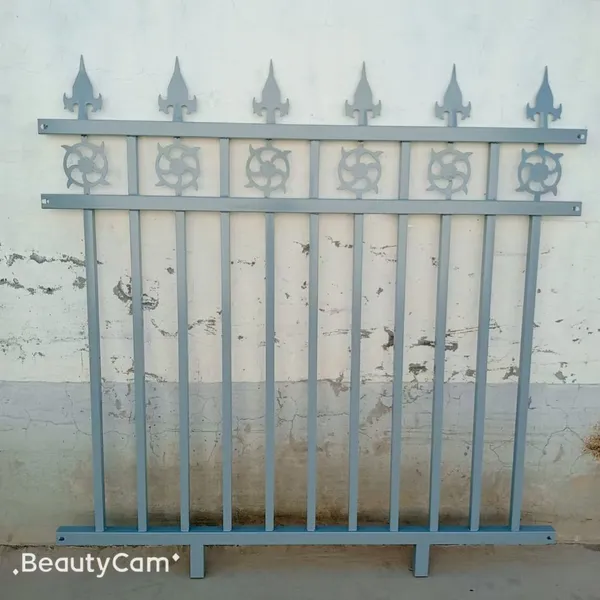
Heavy-Duty Villa Fence: 10 Gauge Steel Construction With Powder Coating for DurabilityNegotiableMOQ: 10 Sets

-
Anti-Slip Steel Grating Panels for Enhanced Safety in Wet and Slippery Work AreasNegotiableMOQ: 10 Pieces
-
Steel Grating for Stair Treads and Catwalks in Commercial and Factory BuildingsNegotiableMOQ: 10 Pieces
-
High-Security Villa Fence With Lockable Gates and Weather-Resistant Finish for Home ProtectionNegotiableMOQ: 10 Sets
-
Galvanized Steel Basketball Enclosure Netting / Ball Containment System With Frame for Outdoor CourtsNegotiableMOQ: 50 Square Meters
-
Vinyl Coated Chain Link Fencing for Basketball, Pickleball & Tennis CourtsNegotiableMOQ: 500 Square Meters