
 Business License

Galvanized Bar Grating: The Essential Grate for Heavy-Duty Applications
Galvanized bar grating is the top pick for heavy-duty applications, considering all the characteristics like strength, longevity, and versatility. There is no other product that can match its performance, even under harsh conditions, when used for industrial flooring, walkways, and safety barriers. The point now is why galvanized bar grating is such a material that cannot be replaced? In addition, how does it help in safety and efficiency of operation? This paper outlines the key features, applications, and factors of galvanized bar grating, providing the information needed to make an informed decision for the next project. In case you are an engineer, contractor, or facility manager, you will find this quality grate to be a trustworthy ground for high-stress environments.
Introduction to Galvanized Bar Grating
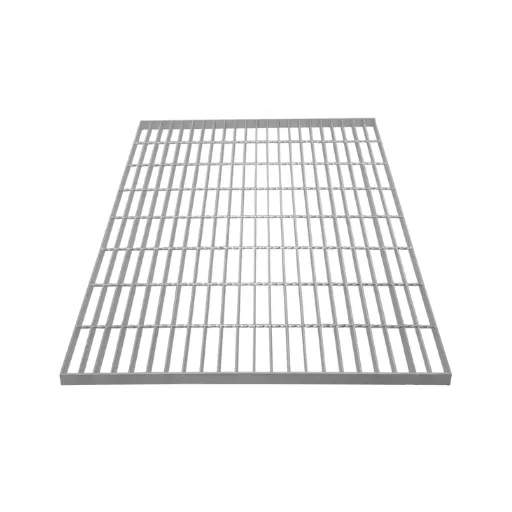
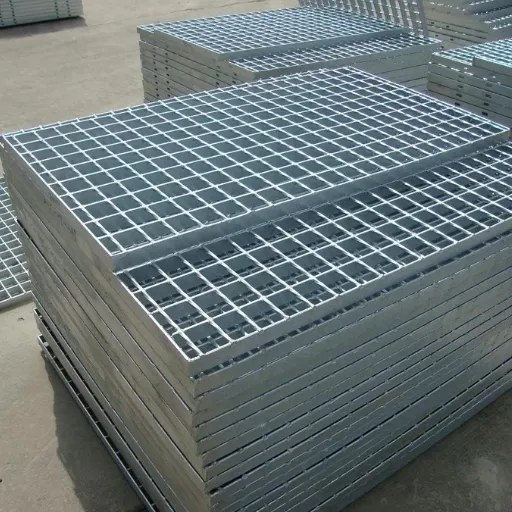
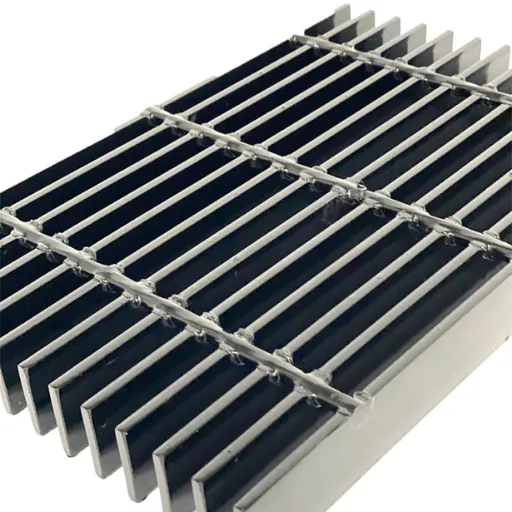
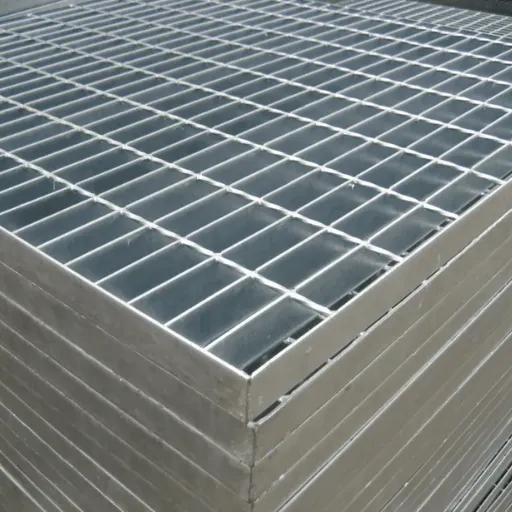
Galvanized bar grating is an extremely resilient and versatile product made of steel bars welded or assembled into a grid pattern and coated with zinc to prevent rust and corrosion through the galvanization process. The material is also very commonly used in the industrial and commercial sectors because of its durability, a surface that does not slip, and a lifespan that is long. The most frequent uses are for walkways, platforms, and floors, as well as drainage covers in places that are under a lot of stress. The zinc layer contributes to the product's overall service life by making it resistant to weather and certain chemicals, making it suitable for both indoor and outdoor use.
Definition and Overview of Bar Grating
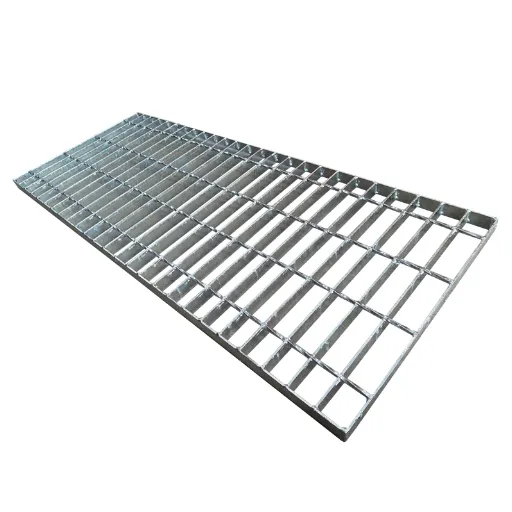
Bar grating is a primary structural component, typically made of materials such as steel, stainless steel, or aluminum. Its structure is a grid-like panel with load-supporting bearing bars and load-distributing crossbars that keep the structure stable and provide spacing. The bar grating can be fabricated by welding, swaging, or pressure-locking, ensuring robust, reliable connections.
Bar grating is a structural support that is also found in various industries, and its use is in high demand because of its qualities such as versatility, strength, and suitability for different environments. Recent industry reports indicated that galvanized steel grating is still one of the leading options with the highest demand and lowest prices mainly due to its good corrosion resistance and low price. The statistics are based on its primary use in growth markets across the construction, manufacturing, oil and gas, and transportation sectors, with an expected CAGR of about 4% from 2023 to 2030.
The use of bar grating includes applications such as flooring for catwalks, platforms, and stairs in industrial environments, as well as drainage and ventilation in urban settings. The open-grid structure of bar grating provides excellent drainage and airflow, making it an ideal choice for areas that require slip resistance or are subject to heavy loads. The advancement in technology has also contributed to the production of more personalized grating solutions with various sizes, finishes, and coatings that can be designed according to the specific needs like fire retardancy or chemical exposure reduction.
Common Uses in Various Industries
Bar grating is a versatile material used in various applications to create powerful, eye-catching, and user-friendly designs. Below are five such applications in the different industries:
Manufacturing and Industrial Facilities
The primary application areas for bar grating are flooring, catwalks, and mezzanines in manufacturing plants. Great airflow, proper water drainage, and an extremely strong structure capable of supporting heavy machinery and large crowds are the benefits of the open-grid design.
Oil and Gas Industry
Bar grating is the most widely used material for constructing safety walkways on offshore platforms, drilling rigs, and refineries. The surface is non-skid and the grating has a weather-resistant property which makes it totally justifiable to use this material in such a harsh environment.
Transportation and Logistics
The ports, rail yards, and freight terminals have bar grating in their construction of loading docks, ramps, and bridge decking to facilitate the movement of goods. The material's strength and durability are the two reasons it can withstand the weight of heavy equipment and transport vehicles.
Water Treatment Plants
Bar grating is another major material of choice in water treatment and wastewater facilities for platforms, screens, and drainage covers. Its water and chemical resistance leads to a long life even in wet and corrosive environments where it will be constantly exposed.
Commercial and Public Infrastructure
Bar grating is used in sewer covers, ventilation grates, and pedestrian walkways, among other public infrastructure and urban areas. The material's open design promotes good drainage, while its slip-resistant properties contribute to public safety in busy areas.
The above applications highlight the remarkable features and versatility of bar grating, making it a vital and irreplaceable component in numerous industrial and commercial operations.
Importance of Galvanization in Steel Bar Grating
Galvanization is a process that significantly contributes to steel bar grating production and quality maintenance by providing several benefits, such as long service life and corrosion resistance. Steel grating is often used in difficult environments but galvanization ensures that such grating can work these challenges effectively. Below are the five key benefits that come with galvanization in steel bar grating:
Corrosion Resistance
Galvanized steel grating is related to the use of rust and corrosion resistance, which makes it an ideal option for applications with high moisture, chemicals, or severe weather as it considerably extends the life of the grating.
Low Maintenance Requirements
The zinc coating that protects the steel during galvanization ultimately results in longer maintenance intervals. This, in turn, results in the reduction of long-term operational costs, hence, it is a very economical choice for the manufacturing sector.
Enhanced Durability
The galvanization procedure covers the metal with a considerable layer that prevents physical damage and so forth, steel grating can still take heavy loads and frequent use and is therefore still structurally durable.
Improved Safety
Galvanized steel has higher slip resistance and also good toughness, which are requirements for heavy traffic areas such as industrial platforms, walkways, and public infrastructure, thus, adding to the overall safety.
Environmental Sustainability
Galvanized steel grating is recyclable and requires less maintenance, thus its environmental impact gets less and less. Moreover, the material's long lifespan means few replacements are required, thereby promoting sustainability.
Putting these benefits together, it can be concluded that galvanization is vital for enhancing the dependability and functionality of steel bar grating in different usage.
Benefits of Galvanized Steel Grating
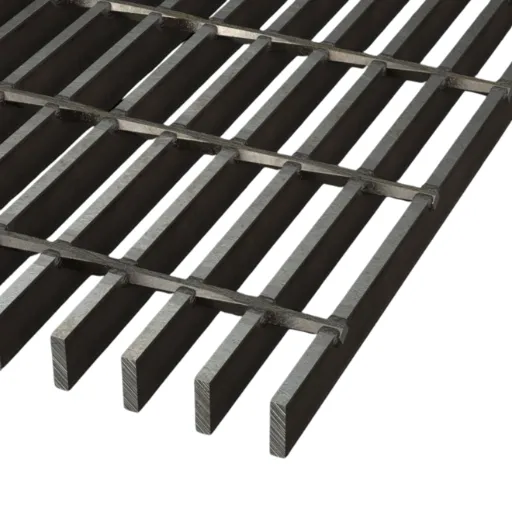
Galvanized steel grating is a product that offers a great deal and that is the reason it tops the list for industrial and commercial applications. Below are five chief advantages with thorough explanations:
Corrosion Resistance
Galvanization is the process of coating steel with zinc and it forms a barrier that protects steel from rust and corrosion. Studies find that galvanized steel can last up to 50 years in rural areas and up to 20 years in industrial areas with minor maintenance.
Durability
Galvanized steel grating is highly durable and can withstand heavy loads and harsh environments, making it a strong option for bridges, walkways, and factory floors. Its robust design promises performance for many years even in hard places.
Cost-Effectiveness
In the beginning, the galvanized steel grating costs more than untreated steel, but it is a very economical option in the long run, considering the low maintenance and long life of the finished metal.
Safety Features
The non-slip surface of galvanized steel grating contributes greatly to safety in both industrial and public areas, especially where the floor is wet or greasy. Its heavy-duty structure will not collapse, thus providing continuous, reliable performance even in heavily trafficked areas.
Environmental Sustainability
Galvanized steel is virtually 100% recyclable that is why it has the least environmental impact. Additionally, its long life span makes it not to be replaced often thus saving the raw materials and reducing waste over the years.
The above-mentioned key benefits illuminate the reason why the galvanized steel grating is a practical, durable and also environmentally friendly choice for various applications.
Durability and Strength
Galvanized steel grating known for its amazing quality and strength thus it is the number one choice for the toughest industrial and commercial applications. Galvanization is the process of applying a protective zinc coating to steel, making it highly resistant to rust and corrosion. Thus, steel can last longer even in harsh environments, such as coastal areas or chemical processing plants, where moisture or corrosive agents constantly threaten its service life.
Reports from the industry suggest that the demand for galvanized steel grating is about 20,000 to 80,000 pounds per square foot depending on its design and bar thickness. Its tensile strength is so great that it not only withstands but also absorbs impacts from heavy loads without deformation, making it well-suited for use in walkways, platforms, and drainage covers where heavy foot or vehicular traffic is likely.
Research indicates that the lifetime of steel products may be extended by up to 50 years in rural areas and 20 to 30 years in more aggressive urban or marine environments through galvanization. In addition, galvanized coatings are molecularly bonded with the steel and provide a consistent level of protection not only on the surfaces but also on the edges and corners which are more exposed to wear and tear.
Galvanized steel grating is the only option that combines unparalleled structural integrity with longevity, remaining the benchmark for strength and durability in critical applications.
Cost-Effectiveness and Longevity
Galvanized steel grating offers excellent cost-effectiveness and durability, which is why it is widely preferred across many sectors. Industry data indicate that the initial cost of galvanization may exceed that of other protective coatings, but the annual savings are substantial. Science indicates that the service life of galvanized metal under non-corrosive conditions can reach up to 70 years with minimal maintenance. In contrast, the marine environment for example, which is one of the most corrosive, can shorten the life of galvanized steel to 30 years. However, this means less frequent steel replacement and less maintenance.
When it comes to life-cycle costs, galvanized steel has been a winner in the long run coming out to be up to 40% cheaper compared to other steel protection methods. The permanent nature of the galvanized coatings, furthermore, means no more repainting or applying protective coatings and therefore less recurring costs. This very attribute also results in less downtime and lower costs associated with replacements or repairs, thereby promoting operational efficiency in critical sectors such as infrastructure, industrial flooring, and construction.
Moreover, when the time comes to dispose of it, galvanized steel is 100% recyclable which is a great advantage not only from an economic standpoint but also environmentally. This green attribute is closely aligned with the global movement increasingly oriented towards waste reduction and resource efficiency. Therefore, choosing galvanized steel grating is not only a cost-effective solution but also a reliable and eco-friendly investment.
Versatile Applications in Construction and Manufacturing
Galvanized steel grating is a strong performer among materials due to its wide range of applications; therefore, the construction and manufacturing industries consider it indispensable. The reason for its wide acceptance is its reliability factor in harsh environments being tough and long-lasting plus having anti-corrosive properties. To highlight its value in these sectors, here are five main uses:
Industrial Walkways and Platforms
Galvanized steel grating is the predominant material for permanent, secure walkways, catwalks, and platforms in industrial sectors such as factories, chemical plants, and refineries. Its excellent weight-to-strength ratio and non-slip surface enable safe, easy movement for prolonged periods.
Drain Covers and Flooring Solutions
Due to its exceptionally high load-bearing capacity, galvanized steel grating has become a material of choice for trench covers, drainage grates, and industrial flooring. Its open-grid design allows proper water drainage while supporting heavy loads in warehouses and parking lots.
Stair Treads
Galvanized steel grating is a trusted material for stair treads in diverse locations, such as commercial buildings and industrial sites, and is widely used by manufacturers and builders. Its anti-slip properties increase safety even under humid or oily conditions.
Architectural Facades and Sunshades
Architectural Grating is a new material recognized in modern architecture for its aesthetic and functional properties. It can be applied to building facades, sunshades, and ventilation grilles, where contemporary eye-catching industrial designs are combined with durable performances.
Bridges and Transportation Infrastructure
In applications involving bridges, roads, and paths, steel grating is approved for use due to its strength and corrosion resistance. This application assures the lifetime of the material even in the most demanding outdoor conditions which consequently reduces the maintenance cost over time.
The applications of galvanized steel grating not only demonstrate its current role but also indicate its future role in enhancing industrial safety, efficiency, and sustainability.
Case Studies of Successful Implementations
1. Florida, U. S. A. to Make Bridges Safer
Florida is introducing galvanized steel grating in bridge deck systems at high-traffic locations such as the Sunshine Skyway Bridge. This material has very high strength and corrosion resistance, enabling it to withstand the area's humid climate and salty air. According to a 2023 infrastructure report, this application over the past ten years has reduced deck maintenance costs by 30% and extended the bridge's service life by approximately 15 years.
2. Wastewater Treatment Plant in Rotterdam, Netherlands
Galvanized steel grating was used to improve safety on walkways and platforms at the large wastewater treatment plant in Rotterdam. Because the plant is always wet and uses highly corrosive chemicals, galvanized steel grating is the only material that can withstand these conditions. The people working at the facility claimed that the grating's non-slip surface and 20 years of corrosion-free performance, according to recent engineering assessments, together resulted in a 40% increase in operational safety.
3. Industrial Expansion in Shanghai, China
The petrochemical plant in Shanghai that is increasing production has used galvanized steel grating for pipes, walkways, and maintenance platforms. In a 2022 study, the plant reported reducing its budget by a considerable amount, with the cost of galvanized grating 25% lower over its lifetime than non-galvanized equivalents. Moreover, the material could withstand the plant's pressure operations and thus, the infrastructure was very reliable.
4. Parking Lots in Toronto, Canada
The design of the parking garage in downtown Toronto used galvanized steel grating, which proved capable of withstanding harsh winter weather. A recent study has shown that this hardware improved skid resistance by 18%, thereby reducing accidents on slippery surfaces. The overall lifespan of the parking structures is now estimated to exceed 50 years, thanks to the exceptional strength of the galvanized grating.
These cases demonstrate the unmatched versatility and cost advantages of galvanized steel grating, which can last for a long time; therefore, it is not only a trusted choice for public infrastructure but also for industrial applications worldwide.
Industrial Facilities Using Heavy-Duty Welded Grating
Welded heavy-duty grating has become the material of choice in almost all industrial sectors for its exceptional strength, durability, ability to withstand heavy loads, and resistance to extreme conditions. It has broad usage, and industries can tailor it according to their specific requirements. Here are five industrial facilities that extensively use welded grating, with the best example:
Oil Refineries
The heavy-duty grating is made up of platforms, the construction of which, and walkways, and trench covers, through which, the safety and long life, even in corrosive materials, are assured.
The heavy load resistance guarantees that the equipment will be stable during the continuous operation.
Power Plants
Boiler rooms, cooling towers, and operating platforms, where heavy loads and high foot traffic are the daily realities, are all applications of heavy-duty welded grating.
It has an anti-slip surface, which makes the workers' safety a priority even in the wetness created by the cooling process.
Steel Mills
It supports structures that experience extreme heat, heavy equipment, and even molten-metal environments.
Corrosion and heat resistant metal gives sturdiness and reduced maintenance.
Mining Facilities
Heavy-duty welded grating serves as flooring and supports for conveyors, capable of bearing the weight of the mining equipment and the minerals being transferred.
The robust design exceeds the requirements for rough and abrasive conditions.
Shipyards
A grating that withstands saltwater corrosion is durable enough for dock platforms, maintenance areas, and loading zones.
It ensures the operational effectiveness and long-term service life of grates in marine environments.
The industries mentioned above clearly demonstrate the significant role that heavy-duty welded grating plays in securing, enhancing functionality, and delivering long-term cost-effectiveness.
Infrastructure Projects Benefiting from Steel Grating
Bridges and Overpasses
Steel grating is a well-known material for walkways, maintenance areas, and drainage covers on bridges that carry heavy loads, and this is only one of its many advantages.
Being lightweight and strong has made the material an architectural and economic hero, demonstrating both structural strength and cost-effectiveness.
Parking Facilities
In open-air and multi-storey car parking lots, steel grating is mainly the reason for the airflow since it lets the air circulate with no obstacles and along with the drainage systems and stairways, it is an essential factor making the building safe and user-friendly.
Moreover, the surface's anti-slip property makes it possible for pedestrian and vehicle safety to be maintained extra even in wet conditions.
Urban Drainage Systems
Steel grating is an integral component of public drainage and stormwater management systems, and hence it prevents urban flooding.
The open-grid structure, which is set up by such a design, allows water to flow, which ultimately leads to reduced maintenance costs.
Highway Construction
Steel grating is used in several ways such as for drainage channels, and safety barriers, and giving easy maintenance access to the roads, all resulting in operational safety and convenience.
The researchers' conclusions highlight its ability to survive the rigors of constant loading by vehicles without any effect on the product life.
Industrial Complexes
Industrial plants consider steel grating a primary material for platforms, walkways, and safety barriers.
The material not only survives the most hostile environments but also continues to be a long-term safe and performing one by virtue of its heat and chemical resistance, among others.
To sum up, these infrastructure projects clearly illustrate the versatility of steel grating and its vital contribution to the construction and maintenance of modern civilization. Every use case is characterized by the maximum safety, longevity and cost-effectiveness. Thus, steel grating becomes a resource that cannot be easily overlooked.
Innovative Uses of Welded Grating in Unique Applications
Architectural Designs
There is growing acceptance of the modern, industrial aesthetics of welded grating in the architectural world. The main features of this material are its toughness and transparency, which enable extraordinary applications such as covering, sun-blocking, and artistic installations. The architectural survey done in 2022 indicates that, for example, almost half of the design firms or precisely 40% have adopted the use of welded grating for their building facades combining functionality and beauty in a perfect way.
Eco-Friendly Drainage Systems
Welded grating is vital to stormwater management in urban and industrial areas. Its ability to filter water thoroughly while still being strong makes it a green solution for the drainage systems. A study has shown that cities with grating have a reduction of 25% in the area of water pooling and runoff issues, thereby playing a part in environmental sustainability.
Agricultural and Livestock Platforms
In the rural industry, welded grating is a great material especially in areas of farming and livestock. Its sturdy construction allows it to be installed in barns, feeding floors, and crop storage areas. The agricultural innovation report stated that there was a 30% decrease in the maintenance costs of the materials on the farms that set up welded grating platforms.
Transportation Infrastructure
Welded grating is used in heavily visited places such as bridges, train stations, and airports where safety and the ability to hold heavy weights are paramount. A transportation analysis in 2021, for instance, reported that grating improves traction; thus, its durability and, correspondingly, the number of accidents are roughly reduced by 15% compared with conventional flooring materials.
Energy and Power Sectors
Welded grating is a key material in the energy sector, used in power stations, offshore oil rigs, and wind farms. Its resistance to fire, along with the ability to support weight, makes it the best choice for overhead platforms and maintenance walkways. The energy market statistics predict a yearly increase of 20% in the demand for welded production grating for the renewable energy facilities by 2030.
Comparing Grating Products
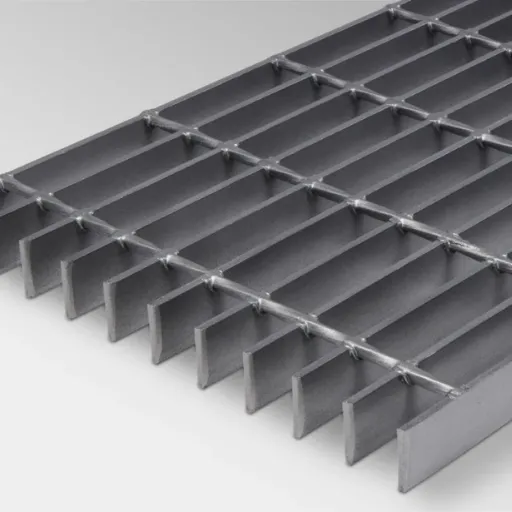
It is imperative that one comprehensively understands the main distinctions of the different grating products available before he/she makes the right choice. This poster provides an exhaustive comparison together with details on the five grating products that are most commonly used:
Welded Steel Grating
The so-called welded steel grating is made of a strong and long-lasting material. Its great load-bearing capacity makes it the best choice for industrial applications. Research points out that welded steel grating is fit for very heavy load applications where it can take up to 30% more in weight than pressed grating.
Pressed Steel Grating
Pressed steel grating is a type of grating that is made by pressing together steel bars, which gives a clean and uniform appearance. It is the preferred option for architectural projects and interior commercial spaces. It is noticed that pressed grating has a glossy surface but it can bear approximately 20% less weight than welded grating.
Aluminum Grating
Aluminum grating offers a quick-change artist of options and a non-corrosive characteristic in the event of its usage in areas that are wet or exposed to chemicals. Its weight is about 35-50% of that of steel grating, allowing the installer to work quickly without compromising strength for medium-duty applications.
Fiberglass Reinforced Plastic (FRP) Grating
FRP grating is a non-metallic option with excellent corrosion, chemical, and electrical resistance. It is widely used in marine and wastewater management industries. Some estimates indicate that FRP grating reduces maintenance costs by 25% over ten years compared to metallic grating.
Stainless Steel Grating
Stainless steel grating is the leading choice in applications where hygiene, durability, and resistance to extreme conditions are crucial. It is primarily used in the food and chemical industries and is expected to last 15-20 years longer than standard steel grating in the same application.
After acknowledging these unique characteristics and numerical figures, the different sectors can select the grating that best matches their specific requirements.
Galvanized Steel Grating vs. Other Grating Types
Parameter | Galvanized Steel Grating | Stainless Steel Grating | Aluminum Grating | Expanded Metal Grating |
|---|---|---|---|---|
Corrosion Resistance | Excellent, zinc coating protects against rust | Superior, chromium oxide layer prevents rust | High, naturally resistant to corrosion | Moderate, depends on material used |
Strength | High, suitable for heavy loads | Very high, ideal for impact resistance | Moderate, lightweight but durable | High, good strength-to-weight ratio |
Cost | Affordable, cost-effective for large projects | Expensive, higher upfront cost | Moderate, cost-effective for lightweight needs | Affordable, varies by material |
Maintenance | Low, occasional cleaning required | Low, resistant to staining and corrosion | Low, minimal upkeep needed | Low, depends on material and environment |
Applications | Industrial platforms, walkways, drainage covers | Food processing, chemical plants, marine areas | Lightweight structures, decorative elements | Walkways, stair treads, safety platforms |
Slip Resistance | High, textured surface for safety | High, suitable for wet environments | Moderate, depends on finish | High, raised patterns enhance grip |
Durability | Long-lasting, zinc layer sacrifices over time | Extremely durable, withstands harsh conditions | Durable, resists deformation in cold climates | Durable, suitable for heavy-duty applications |
Aesthetic Appeal | Industrial look, functional | Modern, sleek appearance | Clean, lightweight design | Functional, customizable patterns |
Environmental Impact | Recyclable, sustainable material choice | Recyclable, long lifespan reduces waste | Recyclable, lightweight reduces energy use | Recyclable, depends on the material used |
Factors to Consider When Choosing Grating Products
The process of selecting the appropriate grating product for a specific application involves weighing various essential factors. The following are the five most crucial ones:
Load-Bearing Capacity
The strength requirements should be determined according to the expected load conditions. To illustrate, in industrial applications where the usage is heavy-duty, grating materials with higher load-bearing capacities will be required and consequently, the use of steel grating that is specially designed for forklift or vehicle traffic will be necessary.
Corrosion Resistance
Nature and its elements like exposure to moisture, chemicals, or harsh weather, will determine the factors that affect grating selection. If an environment is prone to corrosion, it is advisable to use either stainless steel or galvanized steel grating, ensuring longevity and lower maintenance costs.
Slip Resistance
Grating products with anti-slip surface treatments are required in areas where oil, water, or chemicals may spill. Choosing such grating may result in a significant reduction in the number of accidents and an increase in the statistics for safety in the workplace.
Material Longevity and Durability
Think about the operational conditions under which the grating material has to last. For example, stainless steel grating can last 15-20 years longer than untreated steel in high-moisture areas, resulting in fewer replacements.
Cost Efficiency
Compare the short-term cost with the long-term performance. Even though galvanized or stainless steel options may have a higher initial cost, their longevity and lower maintenance costs often lead to better long-term cost efficiency.
These factors, when considered carefully, can help industries in their grating selection so that it is not only in line with their operational requirements but also with their budgetary constraints.
Pros and Cons of Welded Grating
Parameter | Pros | Cons |
|---|---|---|
Strength | High load-bearing capacity | May deform under extreme loads |
Durability | Long-lasting with proper material selection | Requires quality welding for longevity |
Slip Resistance | Serrated options enhance safety | Smooth surfaces may lack grip |
Customization | Customizable bar spacing and sizes | Limited by welding techniques |
Corrosion Resistance | Can be galvanized for protection | Untreated steel prone to rust |
Cost | Cost-effective for industrial applications | Higher cost for stainless steel options |
Maintenance | Low maintenance with galvanized coating | Regular checks needed for untreated grating |
Applications | Ideal for platforms, walkways, stair treads | Not suitable for decorative purposes |
Aesthetic Appeal | Functional, industrial look | Lacks modern or sleek design |
Environmental Impact | Recyclable, sustainable material choice | Energy-intensive welding process |
Maintenance Tips for Longevity
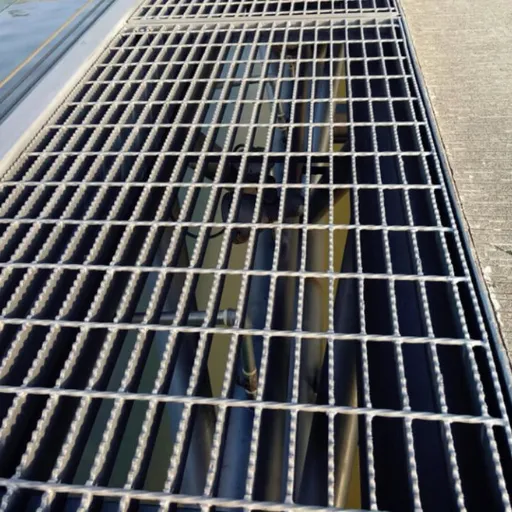
Regular maintenance is required to ensure the welded grating remains in service and performs at its highest level. Below, we have listed five of the main maintenance suggestions that are surely going to extend the life of the grating systems:
Cleaning on a Regular Basis
Grates can lose effectiveness and even corrode if dirt, debris, and grime build up over time. To keep the grating working, wash it often with Mild detergents and water.
Look for Damages
Conduct inspections regularly to ensure that any issues related to cracks, bends, or broken welds are detected and resolved. By catching these problems early, you will not only prevent further damage to the grating but also ensure a safe working environment.
Use of Protective Coatings
Corrosion can be prevented, especially in extreme or high-humidity conditions, by applying anti-corrosion coatings such as galvanized zinc or other protective treatments as required.
Verify that There are No Blockages
Grating will have openings through which drainage system will be able to pass, so the drainage will work alright if there are no blockages in the grating's openings. Clear the area of any debris buildup promptly to prevent similar issues in the future.
Fasteners to be Tightened or Replaced
Grating can be weakened by loose fasteners or by rust. Always check the fasteners, tighten them as needed, and replace any that are worn or corroded.
After considering these suggestions, it can be said that the industries that benefit the most are those that can achieve a significant increase in the service life and efficiency of welded grating operations.
Regular Inspection and Cleaning Practices
Regular inspection and cleaning ensure the welded grating has a long service life and operates effectively. Personally, I think that the inspection of the area for wear, rust, and dirt accumulations is necessary during maintenance. Not only can I keep the grating effective, but also with timely treatment and cleanliness prevent bigger issues later on.
Preventive Measures to Extend Grating Life
The combination of proactive maintenance strategies, high-quality materials, and industry best practices would be the main factors in doubling the lifespan of welded grating. One of the preventive measures that are very effective but at the same time very expensive is the application of protective coatings such as galvanizing and powder coating. Galvanizing, in particular, is very good at prolonging the life of the grating in an area where corrosion occurs and it could be as long as 40 years based on the latest studies.
Another measure is to provide proper drainage instead of installing grates. Accumulated water can cause the grating to wear out, and in extreme cases, it can be left as a heap of steel chips. This situation can be prevented by either improving drainage systems or by sloping the area where the grating is laid.
Regularly scheduled maintenance inspections are critical as well. Research by the American Welding Society indicates that monthly check-ups can reveal minor wear and tear or breakage and hence the opportunity is created for repairing it and the cost of major repairs or replacements is avoided. Furthermore, grating cleaning using non-abrasive methods will not only be effective but also prevent the material's durability from being compromised by accumulated debris and chemicals.
Last but not least, select the grating type based on the application. Stainless steel grating for instance is often specified in such applications, where the grating will be subjected to the chemicals as well as extreme weather conditions, because it has the highest corrosion resistance and is also the most durable among the metals used.
If these measures are taken and strictly adhered to, the welding grating can always remain in top condition. Consequently, safety, efficiency, and cost savings will be the long-term benefits.
Common Repairs for Damaged Grating
Most of the time, quick actions in the area of the damaged grating are required to ensure the situation is safe and the grating is functional. There are five major methods for repairing damaged grating, which not only outline the main approaches but also provide a point of consideration.
Welding Broken Bars
For gratings with broken bars or welds, welding is the most common method. Re-welding broken parts may be done to reinforce the grating. It is very cheap to repair minor damages in this way, and it is an ideal technique for using steel gratings in non-corrosive areas.
Replacing Individual Bars or Panels
For minor damage, replacing individual bars or panels is a viable solution. The method saves money that would otherwise be spent on replacing the entire grating. This replacement method is typically used for gratings subjected to heavy loads or impacts.
Reinforcement of Weak Sections
Weak or sagging gratings can be strengthened by adding a base of extra bars or bracing beneath them. This technique is the best, allowing further control of deterioration without sacrificing load capacity.
Application of Anti-Corrosion Coatings
The gratings that are rusted or have lost their surface characteristics, thanks to the application of anti-corrosive coatings, for example, galvanizing or painting with special paints, will be the ones where the application of anti-corrosive coatings is a must. Not only do they inhibit the process of damage but also they extend the life of the grating.
Total Replacement of Severely Damaged Grating
In the case of grating that is heavily damaged or corroded beyond saving, the only option left is to completely replace it. Furthermore, always prefer high-quality materials such as stainless steel or heavy-duty aluminum as this would be the only guarantee to have a long-lasting structure in the replacement process.
If repair methods are employed wisely, the welded grating would be safe and the life span of the grating would be increased in different environmental conditions. Moreover, activities such as regular inspections combined with prompt repairs do not only mitigate the risk but also enhance the overall operational efficiency.
Frequently Asked Questions (FAQ)
What is it that galvanized bar grating and carbon steel bar grating have in common, and what is the difference in comparison?
Galvanized bar grating is carbon steel bar grating that has been subjected to hot-dipping with zinc which in turn has given corrosion resistance and a longer service life in the different fields of service such as commercial and industrial applications. Galvanized grating panels in comparison to basic carbon steel items not only resist rust but also require less maintenance; powder-coated carbon steel and serrated carbon steel are among the options for architectural applications where either the visual aspect or the slip-resistant serrated surfaces is a concern.
What construction methods are there?—welded, swage-locked, press-locked, or clinched?
Bar grating constructions can be heavy-duty welded bar grating for maximum strength, swage-locked and press-locked for economical load-bearing options and clinched for specific design needs. The decision is based on load requirements, installation process, and whether you need to connect the bearing bars or use grating accessories (e.g., banding or toeboards).
How do bearing bars, rectangular bar, and cross bars affect the load capacity?
The main structural parts are the bearing bars and cross bars (crossbar); rectangular bearing bars or thick bar sections will increase load capacity and stiffness. The cross bars and their spacing define the panel stability—bar spacing is measured on center, and cross bar spacing affects pedestrian or vehicle load ratings. For heavy loads, request thicker bearing bar profiles and closer crossbars.
Are stair treads, catwalks, mezzanine platforms, and railing infill panels among the applications for bar grating?
Definitely. Bar grating stair treads and welded bar grating or serrated-surface stair treads provide slip-resistant footing for people to pass through. Bar grating is often used for catwalks, mezzanine decking, infill panels, and railing infill panels. Accessories such as banding and toeboards enhance safety and code compliance, including Americans with Disabilities Act considerations when planning pedestrian routes.
What do close-mesh series and close-space grating entail, and when are they used?
Close mesh series or close space grating represent design features that require a decreased bar spacing for the purposes of limiting light, small objects being able to pass through or having safer pedestrian surfaces. Such features are mainly used in architectural applications, infill panels, or areas where they help with both security and non-slip properties in public walkways, such as in catwalks or evaporating industrial plants, ventilation and safety being the two balanced criteria.
What is the influence of serrated surfaces and slip-resistant coatings on performance?
The serrated surface or coating gives a tooth-like form to the bearing bars or makes them concave, thus, they can grip better in the presence of either liquid such as oil or water. Serrated carbon steel and coated slip-resistant materials are recommended to be used in stairways, outdoor catwalks, and places with heavy foot traffic where the risk of slipping is minimized but the passage of air and water runoff is still allowed.
Which surface treatments and raw materials are available for selection: hot-dipped galvanized, powder-coated black, or aluminum?
Surface treatments consist of hot-dipped galvanized, which acts as a corrosion barrier, powder-coated in black or any other color to attract an eye and provide additional protection, and aluminum grating, which is a non-rusting, light-weight option. All these factors will affect the cleaning and maintenance required, aesthetics, and the suitability for indoor or outdoor use; thus, choose based on the level of weathering, desired service life, and the project-specific grating requirements.
How should grating panels be specified with respect to bar spacing, crossbar spacing, and installation accessories?
The specification of grating panels should include the spacing of bars that is measured from center to center, the spacing of cross bars, the pattern of bearing bars (round bar or any other), and, if you want, close mesh series or regular openings. Grating installation accessories, such as banding, clips, anchors, and toeboards, should be considered to ensure smooth installation and compliance with safety and code requirements for industrial, pedestrian, and architectural applications.
Recently Posted
-
Building a Security Fence: Your Guide to High-Security Solutions
February 5, 2026The security fence functions as the primary defense system of your commercial property, industrial site, and private estate becaus Read More
 -
How to Build a Security Fence: A Comprehensive Guide to Installing Chain Link Security Fences
February 4, 2026Constructing a security fence is an effective way to protect your property, define its boundaries, and enhance your privacy. The v Read More
 -
Iron Yard Fence: The Ultimate Guide to Wrought Iron Fencing for Your Garden
February 3, 2026The design of a garden fence goes beyond establishing property borders because it serves two main purposes by enhancing the visual Read More
 -
Cast Iron Garden Fence: The Ultimate Guide to Durable and Decorative Garden Edging
February 2, 2026The cast iron garden fence functions as a boundary that creates an everlasting combination of practical use and aesthetic beauty t Read More

Contact Us
Recommended Products
-
 Durable Imitation Bamboo Fence for High-Traffic Public SpacesNegotiableMOQ: 50 Square Meters
 -
Customizable Imitation Bamboo Fence With On-Site Measurement ServiceNegotiableMOQ: 50 Square Meters
-
Modular Imitation Bamboo Fence Panels for Quick InstallationNegotiableMOQ: 50 Square Meters
-
Imitation Bamboo Privacy Fence With Reinforced Aluminum BaseNegotiableMOQ: 50 Square Meters
-
Commercial Grade Villa Fence for Real Estate Developments and Hotel Perimeter ApplicationsNegotiableMOQ: 10 Sets
-
Industrial Steel Grating Solutions for Oil and Gas Platforms, Compatible With Harsh ConditionsNegotiableMOQ: 10 Pieces
-
Basketball Court Fence 4M Height, Galvanized Steel Chain Link Mesh for Outdoor Sports Field PerimeterNegotiableMOQ: 50 Square Meters
-
Chain Link Basketball Court Fence Offering Anti-Rust Protection and Long-Term PerformanceNegotiableMOQ: 50 Square Meters
-
European Style Villa Fence Concrete Base Installation Courtyard Boundary WallNegotiableMOQ: 100 Square Meters
-
Galvanized Steel Villa Fence With Powder Coating for Superior Corrosion ResistanceNegotiableMOQ: 100 Square Meters
-
Powder-Coated Basketball Court Fencing With Weatherproof Finish for Long-Term Outdoor ApplicationNegotiableMOQ: 100 Square Meters
-
Powder Coated Wrought Iron Main Gate and Garden Fence for HousesNegotiableMOQ: 100 Square Meters
-
Elevate Your Garden With an Artistic Wrought Iron Garden Fence | Uniting Security & EleganceNegotiableMOQ: 100 Square Meters
-
Low-Maintenance Wrought Iron Garden Fence | Durable Powder-Coated Steel PicketsNegotiableMOQ: 100 Square Meters
-
Heavy-Duty Villa Fence: 10 Gauge Steel Construction With Powder Coating for DurabilityNegotiableMOQ: 10 Sets

-
Anti-Slip Steel Grating Panels for Enhanced Safety in Wet and Slippery Work AreasNegotiableMOQ: 10 Pieces
-
Steel Grating for Stair Treads and Catwalks in Commercial and Factory BuildingsNegotiableMOQ: 10 Pieces
-
High-Security Villa Fence With Lockable Gates and Weather-Resistant Finish for Home ProtectionNegotiableMOQ: 10 Sets
-
Galvanized Steel Basketball Enclosure Netting / Ball Containment System With Frame for Outdoor CourtsNegotiableMOQ: 50 Square Meters
-
Vinyl Coated Chain Link Fencing for Basketball, Pickleball & Tennis CourtsNegotiableMOQ: 500 Square Meters