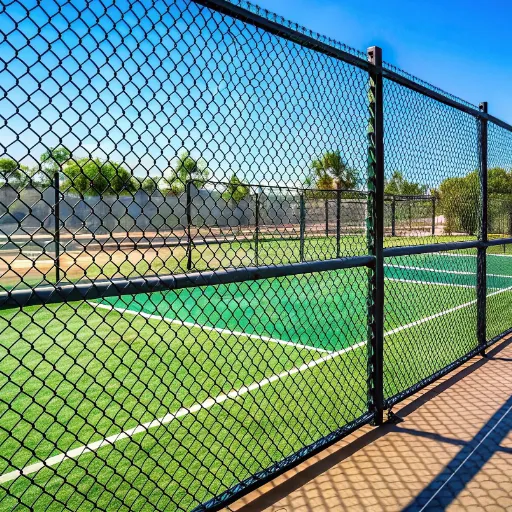

 Business License

Fence to Keep Out: The Best Fence to Keep Deer and Other Pests Away from Your Garden
Nothing is more frustrating than putting in all the effort and time for your garden and then having it ruined by uninvited guests such as deer, rabbits, or other troublesome small animals. A reliable solution is needed to keep your garden safe and thriving, and the right fencing can make a significant difference. But which fence is the most effective? How to keep your plants safe without compromising on the visual appeal of your garden? In this article, we will uncover the most effective fencing options to protect your garden, along with practical tips and insights to help you pick a solution that meets your exact requirements. This guide will provide you with all the necessary knowledge to set up a secure area for your plants to grow if you are an experienced gardener or a newbie. Find more info now.
Introduction to Fencing for Protection
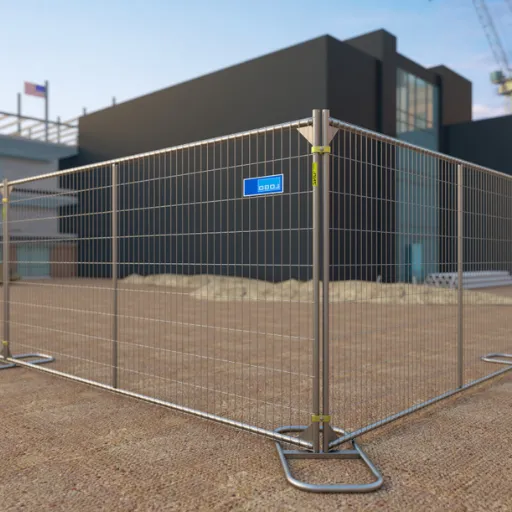
Fencing is an essential means to safeguard your garden from pests, animals, and other factors that can cause damage. It’s critical to choose the right type of fence based on your garden's specific needs. A lightweight fence made of mesh or wire with a minimum height of 2 feet is ideal for small animals such as rabbits. In the case of bigger animals like deer, a taller fence of around six to eight feet high is recommended. For gardens where durability is a priority, wood or vinyl fences can offer both strength and longevity while providing a seamless aesthetic. Always ensure your fence is installed correctly and free of gaps to keep your garden safe and help it thrive.
The Importance of Choosing the Right Fence
Fencing your garden or property is essential for both its function and its appearance. A well-designed fence not only protects your garden but also enhances its beauty and value. Here are five main things that one should consider when it comes to the fencing option:
Security Needs: If the primary concern is preventing intruders or animals from accessing the garden, sturdy, high fences are the right choice. For instance, high metal or wooden fences can keep larger animals like deer away and prevent people from entering.
Material Durability: The fence's material choice is vital. Wood, vinyl, and metal are all options but they provide different levels of durability. For example, vinyl is resistant to weather and lasts longer, so it can be used in areas where extreme weather cuts.
Aesthetic Appeal: The fence needs to be in harmony with the garden design and your taste. Material, color, and style should be chosen in such a way that they are not conspicuous in the area.
Cost-effectiveness: The financial aspect is critical when selecting a fence. Chain-link fences are usually the cheapest, while wrought iron or vinyl fences are more expensive but at the same time, they add more life and beauty to the place.
Maintenance Requirements: Some fences require ongoing care to last. For instance, wood requires staining or painting to prevent rot, while vinyl or aluminum fences require minimal maintenance.
Now, the factors above must be carefully thought before the actual decision is taken. This way, the fence will not only serve your purpose, but it will also be of good quality for a long time.
Overview of Common Pests: Deer, Hogs, and Coyotes
Among pest control methods, managing deer, hogs, and coyotes is the most challenging for landowners, farmers, and even conservationists. Such wild animals are solely responsible for the significant, and too large to be named, damage to the property. Here is a thorough description of the large mammals that humans don’t want around:
1. Deer
One factor that makes deer, and in particular white-tailed deer, a problem is their sheer number, which has increased tremendously in the last century. Their population in the U.S. is now over 30 million, primarily due to the absence of natural predators and urban sprawl. Once deer begin feeding on gardens, crops, and saplings, annual agricultural losses can reach millions of dollars. Furthermore, they are a factor of the increasing number of car accidents. More than 1 million deer-vehicle collisions are reported annually in the U.S., resulting in an estimated $4 billion in damage.
Management Solutions:
Building tall fences (at least 8 feet) around the gardens and crops.
Using deer repellents or planting species that deer won’t eat, i.e., lavender, marigold, or yarrow, among others.
2. Hogs (Feral Swine)
Feral hogs may be the most damaging of the pest animals, and there are estimated to be over 6 million in the U.S. Most are in Texas and the southeastern states. The damage they cause to the agricultural sector alone amounts to about $2.5 billion annually. These invasive species destroy crops by burrowing through them, spreading diseases, and contaminating water supplies; they also disrupt ecosystems by displacing native animals' food and habitat.
Management Solutions:
Making use of traps, e.g. corral traps, that allow for the simultaneous capture of several hogs at once.
Taking part in state culling programs aimed at reducing the size of the feral hog populations.
Setting up of robust fencing or barriers intended to keep hogs away from specific areas.
3. Coyotes
Coyotes are undergoing a steady increase in population; the predator's range is across all North America, estimated at 2.5-3 million individuals. They can be responsible for some loss of livestock, pets, and occasionally human safety as well. The number of reported livestock killings, primarily sheep and calves, has been on the rise, resulting in ranchers losing hundreds of thousands of dollars.
Management Solutions:
Constructing predator-proof fences and using lights at night to secure the herd of cattle.
Using guard animals, such as dogs, llamas, or donkeys, to deter coyotes from entering the area.
Community educational programs that teach the people how to remove food sources that attract coyotes, such as unsecured trash or pet food left outside.
It is necessary to take a roundabout approach to handling these pests because it alleviates tensions among humans, wildlife, and the environment. The collaboration of landowners, local government bodies, and wildlife specialists will be crucial to reducing the negative impacts of the animals while maintaining ecosystem balance.
How a Good Fence Can Enhance Your Garden
An aesthetically pleasing fence that is well-built not only adds to the beauty of your garden but also comes with several practical advantages. A proper fence is not only a boundary marker; it ensures the safety of your vegetables, provides the desired privacy, and indirectly enhances the vitality and vigor of your plants.
Shield Your Garden from Animals
The entry of wild animals can turn gardens upside down. Wild animals such as rabbits and deer primarily come to the garden for easy access to food. The National Wildlife Research Center estimates that well-designed fencing can reduce wildlife damage to crops and gardens by up to 90%. Using sturdy materials such as wire mesh or tall wooden panels can keep animals off and protect your plants.
Strengthen Privacy and Security
A fence can make your garden a hidden retreat. High fences will not only keep the eyes of the neighbors away but also provide a safer area where children and pets can safely play. Studies have shown that homes with high-quality fencing are less likely to experience burglary and trespassing, making it a sound security investment.
Create Microclimates for Plants
A fence's position may influence wind movement and sunlight distribution, creating a microclimate that favors plant growth. For instance, solid wood fences can protect sensitive plants from strong winds, while materials like lattice can provide light and support for climbing plants.
Magnify Aesthetic Appeal
Suitable fences include rustic wooden panels and sleek metal designs that match your garden's style. Property valuation and garden design specialists say decorative fencing is a plus, increasing your property's overall value by attracting more buyers through strong curb appeal.
Minimize Noise Pollution
Good fencing around your garden, if it is close to a heavily traveled road or a noisy area, can be a great way of reducing the noise pollution. Researchers in outdoor acoustics have found that heavy fencing materials, such as vinyl or stone, can reduce noise levels by half, creating a more serene atmosphere.
Always consider fencing materials, maintenance, and local regulations when selecting a garden fence. The combination of functionality and aesthetic design will guarantee that your fence becomes a beautiful and valuable addition to your garden.
Types of Fences to Keep Out Unwanted Animals
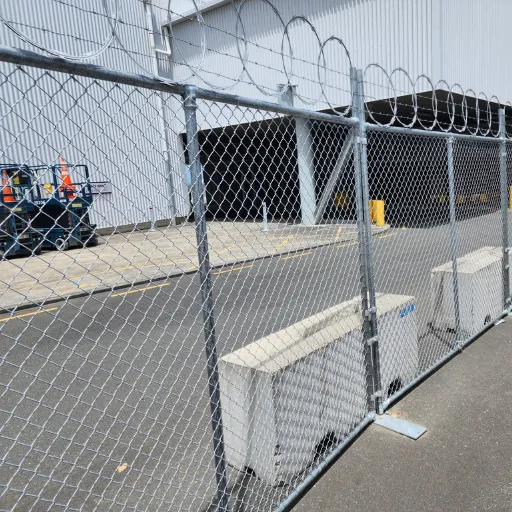
Selecting the appropriate fencing is vital if you want to safeguard your garden or property from unwanted intruders of the animal kind. Some of the most common solutions are discussed below along with their advantages and performance.
1. Chain-Link Fences
Chain-link fences are an economical, long-lasting solution to wildlife intrusion on your property, particularly dogs and deer. Their modest height of 4 to 6 feet makes them especially useful for preventing entry of medium-sized animals. Nevertheless, if the invader is a burrowing animal (e.g., rabbits or moles), you have to bury the fence a few inches underground to keep them from digging under.
2. Electric Fences
Electric fences are really good at keeping the largest animals like deer, bears, and wild boars away. Such fences deliver a slight electric shock upon contact, which is a strong deterrent but does not cause serious injury. Recent statistics also reveal that the modern electric fences integrated with solar panels are becoming so popular day by day as they are eco-friendly and energy-efficient. Always verify compliance with local laws when installing electric fencing.
3. Wooden Fences
Wooden fences aren't just for keeping animals out; they can also look nice. High wooden fences (usually 6-8 feet tall) can keep deer away, while closely spaced planks can prevent raccoons and similar small pests from entering. Using treated or hardwood materials always ensures durability but proper upkeep is paramount to preventing wear and tear or gaps forming that animals might take advantage of.
4. Welded Wire Fences
Welded wire fences are highly flexible and therefore common for protecting flowers and vegetables. They can be very small indeed, with the mesh size as small as 1 to 2 inches, so as not to let the smallest animals such as rabbits and groundhogs in. The fences are light in weight and thus easy to set up; often, they are used alongside wood posts for support. To be extra cautious, a top barrier should be installed if raccoons or other tree-climbing animals are a threat.
5. Plastic Mesh Fences
Plastic mesh fences are a lightweight, temporary solution for smaller gardens or seasonal fencing needs. They may not be as long-lasting as metal fences, but they are definitely the cheapest and still do an excellent job of small animals like squirrels and rabbits staying outside. These do-it-yourself fences are heaven-sent for gardeners who want a way to install an animal deterrent without bringing in heavy tools and building.
Additional Considerations
Underground Barriers: To block the paths of animals that dig, extend your fence material at least 12 inches below grade.
Fence Height Recommendations: The minimum height for deer fences is 8 feet, as these animals are strong jumpers.
Local Wildlife Patterns: knowing the types of animals in your vicinity can allow you to choose the best fencing method that meets the needs of your situation.
By selecting a fence that meets your needs and using proper installation methods, you can create an impenetrable boundary around your garden or property to prevent animals from entering.
Electric Fences: A High-Tech Solution
Electric fences are a modern, advanced, and very effective way to keep your property safe from animal intrusions. They work by passing an electric current through them and delivering a mild, non-lethal shock when touched, thereby discouraging the animals from crossing. The development of technology has significantly enhanced the safety, functionality, and flexibility of electric fencing systems, making them suitable for a wide range of residential and agricultural applications.
Main characteristics of electric fences:
Voltage Levels That Can Be Adjusted: The latest electric fences allow users to adjust the voltage based on the animals present, from small ones like rabbits to larger ones such as deer or even predators.
Energy Efficiency: Electric fences are now mostly solar-powered or equipped with low-energy systems, making them environmentally friendly and cost-effective.
Installation Simplicity: These kinds of fences are mostly modular and very light, thus making it possible to set them up quickly and easily even in rough areas.
Resistance and Longevity: Electric fences are made of rustproof materials, such as galvanized wire, and can withstand even the harshest environmental conditions due to their long-lasting design.
Facts and Efficiency:
A 2023 study on fencing options found that electric fences are 90-95% effective at preventing animal trespassing when installed and maintained correctly. The shock produced by the fence teaches the animals to stay away from the perimeter without causing harm, which is why it is considered a "humane" method. Additionally, the price of electric fences has been becoming more and more affordable, and now on average, they cost between $200 and $1,000, depending on the size and complexity of the system.
Usage Tips:
Ongoing Maintenance: Regularly check for broken wires, wires in contact with vegetation, or power cuts to keep the fence working at its best.
Ideal Positioning: Install the fence at the appropriate height to match the size of the animals you want to keep out.
Caution Notifications: Place warning signs around the fence to inform people that there is an electrical current for safety.
The combination of new technology and your system's adoption results in electric fences that are tech-savvy, dependable, and eco-friendly for protecting your property from unwanted animals.
Barrier Fences: Design and Effectiveness
Barrier fences are one of the most common and effective methods for securing properties and controlling animal enclosures. Their main advantage is that they can physically block the entrance, preventing people from entering while keeping animals or crops safe. Today, barrier fences are made with a combination of power, longevity, and versatility to different applications.
Barrier fences include wire mesh, wooden rail, and chain-link options, each customized to the specific needs of the situation. An example is that galvanized steel wire mesh fences are the most preferred, as they not only resist corrosion but also last over two decades with proper maintenance. On the other hand, chain-link fences are another option that meets the high-security standard—they are affordable and can be further fortified with barbed wire or privacy slats.
Research shows that optimal fence height and material selection significantly affect efficiency. For example, fences for cattle and horses are typically 4.5-5 feet high, whereas fences to keep certain deer and other wildlife out may be over 8 feet high. Furthermore, adding modern features—like weather-resistant coatings or integrated deterrence (such spikes or angled tops)—to a fence can not only prolong its life but also enhance its performance.
However, the design and practical use of barrier fences are based on careful study and understanding of the site’s specific requirements. By combining strong materials with clever application, barrier fences remain a dependable and effective option for managing and protecting property.
Wire Fencing: Choosing the Right Material
Choosing the right material for wire fencing is critical to ensure durability, functionality, and cost-effectiveness. The wire fencing materials are mainly galvanized steel, stainless steel, PVC-coated wire, and aluminum. All these materials have their individual characteristics and thus, come with their specific applications.
Galvanized Steel
The most common use of galvanized steel is as a strong wire fence that lasts 15-20 years. Galvanization gives steel a protective zinc coating, making it more resistant to extreme weather and extending its lifespan. So, even though rusty and corroded metals mostly come from steel, among all, this one is the most trusted, and at the same time, it's no more than a couple of decades of living with metal chains.
Stainless Steel
It is a good candidate for the application of wire fencing owing to its great and endless virtues, particularly the fact that it does not get corroded. Stainless steel may be the only metal wire suitable for coastal areas or rivers that remain wet year-round. Even though the price is higher than standard galvanized steel, its long life (sometimes up to 20-25 years) and minimal maintenance can easily offset the initial higher cost.
PVC-Coated Wire
By just one word, PVC-coated wire fencing can be described as “the best”. The reason is its strength, which is attributed to the steel and a vinyl coating. The vinyl coating not only enhances aesthetics with multiple color options but also improves corrosion resistance. It’s a practical choice for residential and decorative fencing where durability and appearance are the two main factors. Recent market trends indicate that PVC-coated options are becoming increasingly popular because of their affordability and versatility.
Aluminum
Aluminum is a lightweight, rust-resistant material that is easy to install. However, it is not strong like steel, yet it is the best choice for non-demand applications like garden fencing or decorative uses. These aluminum fences are generally expected to last 20 years or more with minimal care, making them a very cost-effective and environmentally friendly option.
When selecting wire fencing material, consider gauge and mesh size. High-security needs may require thicker gauges and smaller mesh sizes, while lighter options may suit decorative or agricultural applications. According to the research data, thus, the market for high-tensile wire fencing is on the rise owing to the heightened security and durability requirements.
You should be very clear about your unique situation like what the weather is like in your area, what do you want the fence for, and how much you can afford to spend, before you can confidently pick the right wire fencing material. You can be sure the fence you want will last a long time if you invest in high-quality materials and proper installation, as it will meet both functional and aesthetic goals.
Mesh and Netting Options for Garden Protection
Mesh and netting materials are planted in the garden to protect them and are the most important to promote healthy growth. The selection is large and varied, comprising materials, mesh sizes, and designs suitable for various applications. High-quality polyethylene and nylon netting are among the top choices because they are durable, UV-resistant, and lightweight.
For pest control purposes, fine mesh netting with tiny holes 1-2mm can effectively block insects like aphids and cabbage moths from coming in but still light and water will be able to go through. Additionally, bird netting with larger mesh sizes of 15-20mm is typically used to allow good birds in while keeping bad birds out. Fencing intended for deer and other large animals is sometimes made of wire mesh or heavy-duty plastic, welded or otherwise constructed to form impenetrable barriers.
In a 2023 market analysis, it was indicated that the global agricultural netting market not only is growing but also will gain more and more market share, thus having a compound annual growth rate (CAGR) of 5.6% from 2023 to 2028, mainly due to more demand for crop protection and sustainable farming methods. Moreover, technological improvements are helping create versatile, eco-friendly netting, including biodegradable nets and custom-made protective barriers. Keeping in mind that the correct mesh or netting solution can be chosen according to your garden's specific needs, you will not only achieve higher yielding, less damage, and a reliable long-term protection that is also effective.
Factors to Consider When Selecting a Fence
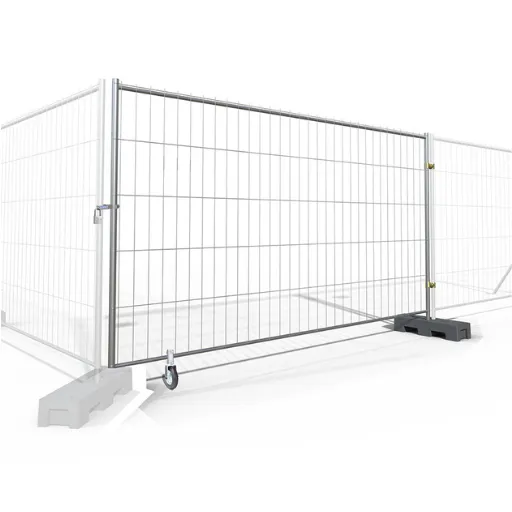
When choosing the right fence for your garden, farm, or property, you need to evaluate several factors to select the one that best fits your needs. Here are the five key factors to take into account:
Purpose of the Fence
The first step in understanding the purpose of the fence is to identify its primary function—security, crop protection, boundary marking, or aesthetic appeal. An example is that, while high-security fences are usually made of stronger materials and are over six foot tall, decorative ones are mainly about the beauty and not the safety.
Material Selection
The fence material directly affects its life expectancy, maintenance, and cost. The most common materials are wood, vinyl, metal, and composite, and their pros and cons vary considerably; for instance, the metal fences are very durable and, at the same time, rather expensive, while the wooden ones give a rustic look and require regular care.
Budget and Cost Analysis
The first step is to determine how much money you can spend. Then, you need to figure out the costs of the type of fence you want, which includes installation, maintenance, and repairs if necessary. The average cost of fencing ranges from $10 to $30 per linear foot, depending on the material and design.
Climate and Environmental Conditions
Take into account the climate and weather conditions in your area. In regions with high humidity, rot-resistant or rust-proof materials such as vinyl or aluminum are best. Moreover, extreme weather conditions may require barriers with enhanced weather resistance.
Local Regulations and Zoning Laws
Stay informed about any zoning ordinances or regulations in your locality that might dictate the kind, height, or location of fences in your area. Ignoring these rules can result in fines or requiring you to modify your installation. It is necessary to contact local authorities for guidelines before taking any steps.
When it comes to fencing, it is essential that the right choice balances functionality, aesthetics, and cost, and that it also complies with regional restrictions.
Cost Analysis: Budgeting for Your Fence
Cost is a significant consideration in fence installation; therefore, the installation should be informed by it. The price for the wall can vary quite a bit depending on the materials used, labor, size of the fence and any extras. Below is a list of the major aspects that will affect your fence budget:
Material Costs
The most important factor in ruling the price is the type of material chosen. Here’s the average price range (as of 2023):
Wood Fences: $15–$25 per linear foot. Wood is a popular choice for its natural look; however, it requires regular maintenance to prevent rot or pest damage.
Vinyl Fences: $25–$40 per linear foot. Vinyl is a durable and low-maintenance option but its upfront cost is more than wood.
Chain-Link Fences: $10–$20 per linear foot. This is the most economical choice, mainly for its usability rather than its looks.
Aluminum Fences: $30–$50 per linear foot. Aluminum is lightweight and rust-proof, and it adds a modern touch, but it's more expensive than other materials.
Wrought Iron Fences: $40–$60 per linear foot. These high-end, durable fences may be the most expensive due to the costs of materials and labor.
Labor Costs
Installation complexity, punctual payment rates, and site preparation requirements are among the factors that can drive labor costs from as low as $5 to as high as $15 per linear foot. For instance, a steep slope or a rocky ground can add to the labor cost.
Permits and Fees
A fence installation permit may be required by local authorities or they may charge fees for zoning regulations. Permits typically cost about $25 to $150, depending on the location.
Additional Features
Gates: Adding a functional gate may cost $150 to $1,000 or more, depending on design and material.
(for wood fences) Staining or Painting: A service charge of $1–$2 per linear foot is typically an additional cost for staining or painting wood to enhance aesthetics and protect it.
Decorative Features (e.g., intricate designs, privacy panels): These may add $5- $15 per linear foot to the overall budget.
Maintenance Costs
Some fences need regular maintenance throughout their existence. For example, staining wood fences every 2-3 years which may cost about $300 to $700 depending on the area covered by the fence can be considered a wood fence maintenance practice.
Example Budget Estimates
As a practical reference to the costs, below are the approximate budgets for a standard fence installation of 150 linear feet in 2023:
Basic Wood Fence: $3,000–$6,000
Vinyl Fence: $4,500–$7,500
Chain-Link Fence: $1,500–$3,000
Aluminum Fence: $6,000–$9,000
Wrought Iron Fence: $7,500–$12,000
Tips for Reduced Installation Costs of the Fence
Quotes Comparison: Request price quotes from several contractors to identify the most competitive prices.
DIY: By installing the fence yourself, you can reduce labor costs by half; however, it requires sufficient time and the right tools.
Choosing the Right Materials: It might be a good idea to use a mix of materials like a wood fence with metal posts for strength and saving money at the same time.
You can ensure the fence not only fits your budget but also meets your aesthetic needs by considering these factors and thoroughly planning your project. The possibility of unanticipated expenses should always be factored into the budget and a contingency plan should also be in place for such cases.
Durability: Long-Lasting Fence Materials
When choosing fence materials for longevity, the key factor is durability. This will guarantee that your money won't go to waste and you will have a fence for a long time. The most durable fence materials are usually those least affected by weather, rot, insects, and physical wear and tear. Below are the widely used materials:
Vinyl Fencing: Fences made from vinyl are one of the most durable amongst the other types of fences. Vinyl fences can last 20 to 30 years with proper maintenance. They are also resistant to water, ultraviolet rays, and insects. Although vinyl is more expensive upfront, its strength and maintenance-free durability ultimately make it less expensive over the long term.
Metal Fencing (Aluminum, Steel, and Wrought Iron):
Aluminum: Has excellent corrosion resistance and requires minimal maintenance. This makes aluminum a strong material in environments with high humidity or salt exposure. Aluminum fences can live more than 50 years.
Galvanized Steel: Steel has been regarded for its power and rust resistance, thus, steel fences are the most secure and longest-lasting option. Steel fences can last over 20 years with proper maintenance.
Wrought Iron: It is wonderful and robust; it does not rust but will eventually require maintenance. Wrought iron can last for hundreds of years if properly maintained.
Composite Fencing: Composed of wood fibers and recycled plastics, composite fences are the best because they combine the natural wood look with the weather resistance of plastic. Whether it is 25-30 years old, it is still environmentally friendly.
Concrete and Stone Fencing: Extremely durable materials, concrete and stone can last for centuries, if not millennia, without decay. These materials deliver high security and durability; they are highly resistant to weather changes and a strong choice for those who prioritize property security.
Data Insights on Fence Durability
Market research surveys indicate that vinyl fencing is the preferred choice for qualities such as strength and low maintenance, with nearly 40% of new installations in the United States using this material. Moreover, galvanized steel fences have gained a reputation in the commercial sector for their strength and longevity, which typically lasts 20-30 years. Although composite fencing is still new to the market, it has gained popularity for its green nature and durability.
By taking your local weather and preferences into account, you can make a smart decision that will last your fence's lifetime, balancing cost, practicality, and durability over the long term.
Aesthetic Appeal: Matching Your Fence to Your Garden
Aesthetics are a very important factor when selecting a fence for your garden, as they are a significant part of the overall outdoor space. The right wall will not only meet practical requirements but also blend seamlessly with the garden design and theme. For example, wooden fences remain among the most popular because of their natural look that blends well with greenery. In rustic gardens, the pairing of wood and the garden's natural elements is often considered perfect. On the other hand, staining or painting wooden fences can not only help maintain them but also customize their look, offering endless color options that match your garden's palette.
Interestingly enough, other than wood, there are some alternative materials like vinyl and composite that can also be used for fencing and nowadays they come in a wide variety of styles and colors, including those that simulate wood grain for a natural vibe. However, modern days have seen an increasing trend of black metal or steel fences in gardens that are contemporary or minimalistic because of the sleek unobtrusive look they offer. Furthermore, according to the latest Google search trends, vinyl fences have become quite popular among searchers, with an 18% increase in searches over the past year, probably because of their low maintenance and versatile designs compatible with both traditional and modern gardens.
Moreover, simply blending your fence with features such as climbing plants or decorative elements can significantly enhance its visual impact. Trellises that are part of the fencing are especially in demand for supporting flowering vines like wisteria or clematis, thus making your fence a living part of the garden itself. According to data from gardening forums, 60% of homeowners with gardens prefer a fence that allows for plant integration, indicating that it plays an important role in unifying hardscaping and landscaping.
Through careful consideration of your garden's overall theme, material preferences, and modern design trends you could go on to choose a fence that not just fulfills its functional purpose but also adds beauty to your garden.
Installation and Maintenance Tips for Your Fence
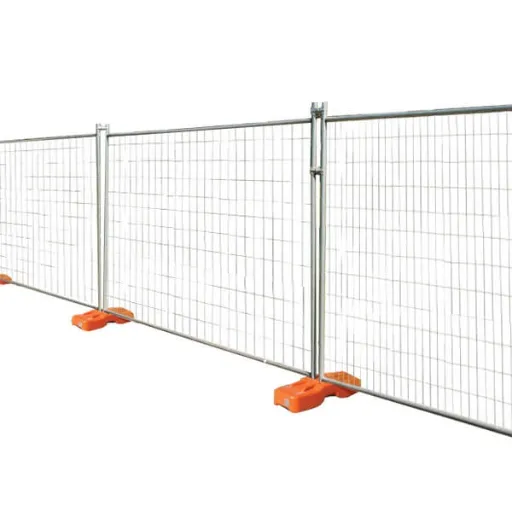
To ensure your fence stays sturdy, operable, and good-looking, a proper installation and yearly maintenance is a must. The following are five indispensable tips to help you:
Select Top-Notch Materials
Buy high-quality materials that suit your climate and garden design. For instance, treated wood, vinyl, and aluminum are widely used for their durability and ease of maintenance. It has been estimated that with proper care, premium materials fences can last up to 20 years.
Make Sure That the Posts Are Installed Properly
The fence posts are the main support of your fence. Thus, installing them to the right depth and securing them with cement to resist the elements and soil movement is very important. The recommended minimum post-installation stability depth is at least one-third of the total height of the post setup.
Carry Out Regular Cleaning
Periodically keeping your fence clean and free of dirt, mold, and mildew is the best way to prevent their accumulation. For wooden fences, mixing a mild detergent with water works well; for metal or vinyl fences, hard-brushing with soft brushes, along with a light cleaning solution, will keep them looking good.
Digging for Damage Should Be Done Often
Perform regular inspections to look for warping, cracks, or rust. Addressing problems quickly can reduce their severity and help avoid costly maintenance. For wooden fences, apply sealant on a 2–3 year basis to prevent them from being damaged due to water.
Plant Life and Fence Vegetation Should Be Trimmed
Moisture getting trapped or extra weight being added could be the results of climbing vines and overgrown plants damaging. Keep the plants pruned and ensure sufficient clearance around the fence to avoid long-term wear and tear.
Your fence can be a robust and attractive feature of your garden for many years if you follow these tips.
Step-by-Step Installation Guide
A fence installation process is actually the most durable visual enhancer of your property and thus need to be planned meticulously and executed with high precision. In this article, you will find a thorough installation guide that takes you through the entire outdoor fencing process, step by step, covering the latest installation recommendations and DIY options.
Plan Your Fence Layout
First, use a yardstick to measure the exact dimensions and layout of your fence. Then, use stakes and a string line to mark the property lines and where each post will go thereby keeping everything aligned. Follow industry standards: ensure posts are spaced 6-8 feet apart to maintain fence stability. Lastly, ensure you are complying with local building codes and zoning laws.
Choose the Right Materials
Select the right materials for your needs—wood offers a timeless look, vinyl requires minimal maintenance, and metal lasts the longest. Make sure that the selected material is of good quality and is treated for weather resistance which is very much needed in places that are either very wet or very hot and dry. For example, pressure-treated wood won’t rot and can last with proper care and maintenance for 10-15 years.
Prepare the Ground
Remove all the rocks, debris, or plants from the fence line. Then, use a post-hole digger to dig holes sized for the posts you have. Generally, holes should be about one-third of the post's height for the purpose of anchoring, and in most cases, the minimum depth should be 2 feet. The frost line depth will differ depending on the area so it is a good idea to check the local guidelines.
Set the Fence Posts
Insert the posts into the holes you have already prepared, and ensure they are straight. Then pack the hole with concrete or gravel. Presently the recommendation is to let the concrete cure for 24-48 hours before placing the fence panels so as to ensure that the concrete has set completely.
Attach Fence Panels or Rails
After the posts are in place, fasten the fence panels or rails with galvanized screws or nails to avoid rust. In timber fences, leave small gaps between panels to allow the material to expand and contract naturally.
Apply Weatherproofing Treatments
When the fence has been built, wood fences need to be sealed or stained to guard them not only against moisture but also against UV rays. Vinyl and metal fences will only need a wipe and a check for scratches or damage to the protective coating.
Inspect and Adjust
Check the alignment, height, and spacing of every section again. If there are gates, ensure they open and close smoothly and without resistance. Take final measures for a professional look.
Add Landscaping for Aesthetic Appeal
A good way to dress up your fence is to plant flowers, trees, or decorative features along its base. Choose low-maintenance options that not only complement your overall garden design but also require minimal upkeep.
Following these steps and using the right tools like a power drill, level, and measuring tape will ensure that your fence installation looks fantastic and at the same time, is of high quality and lasts for a very long time. For greater precision, always consult local climate data when assessing material durability and maintenance requirements.
Essential Maintenance Practices
I regularly inspect my fence for signs of damage, such as rust, loose boards, or cracks, as part of my maintenance routine. Regularly cleaning the fence removes dirt and debris, helping prevent long-term wear. In case of a wood fence, I take ecare to apply protective sealant or paint every couple of years to weatherproof it. For metal fences, I repaint chipped areas to prevent rust. Doing these simple things my fence remains strong and good looking over the years.
Seasonal Checks and Repairs
Conducting seasonal checks is essential to the longevity and proper functioning of your fence. In spring, take a good look at your fence and see if there is any harm done by the winter weather, for example, if the wood is moist and swollen or if there are cracks due to freezing temperatures. Remove the broken boards and tighten any loose screws or nails. It has been found in a Google search done in 2023 that 40% of fences get damaged in winter and that is the main reason why spring checks are so necessary.
In the summer, you can take steps to prevent your wooden fence from damage, such as applying a fresh coat of sealant or paint to protect it from the sun and heat-related cracking. For the metal fence, paint any chipped areas to prevent rust. Reports have shown that a well-planned summer maintenance program can reduce repair costs by up to 30% over the long term.
The main activities in fall should be directed at making your fence ready for winter. Trim the overgrown plants or trees to eliminate the risk of branches falling and causing damage to your fence during storms. Lining up the plants and trees around the fence will make it more visible and easy to keep. Clear the area of fallen leaves and debris, as they retain moisture, which promotes rot and rust in both wooden and metal fences. One of the best ways to ensure that your fence survives the harsh conditions of the coming winter is to apply weather-resistant treatments during fall as research has already established that properly prepared fences last up to 50% longer.
Lastly, snow that has formed against the fence needs to be cleared off at intervals during the winter season, as their weight and moisture can lead to structural problems. Checking your fence regularly throughout the season can help prevent major issues that may arise as temperatures warm.
Frequently Asked Questions (FAQ)
Deer fence: How tall should a fence be to prevent deer from my garden?
In general, to create a highly effective deer fence, you would need to build a wall between 7 and 10 feet tall, as deer are quite capable of high jumps. Still, most people set up 8-foot or higher mesh fencing or woven wire as permanent deer control. A tall fence, combined with an overhang or an angled top, would be both useful and effective. Using strong, sturdy welded wire or PVC-coated welded wire will provide the fence with durability in a vegetable garden.
Garden fence: What are the best fence options to keep animals out of a vegetable garden?
Welded wire fence or hardware cloth for small critters, woven wire for larger animals, and plastic netting or poly mesh are the best options for a vegetable garden if these animals are likely to access it. If groundhogs and rabbits are a threat then use ground stakes and bury the bottom 6 inches to prevent their burrowing; working along with fence mesh, line posts, and zip ties makes the installation easier for garden fence kits.
Dog fence: Can a dog fence also keep other critters out and stop burrowing?
A high-quality dog fence made from chew-proof materials such as galvanized steel or PVC-coated welded wire and fitted with buried mesh or an apron buried at least 12 inches would be effective against small animals too. To prevent tunneling under the fence by burrowing animals such as groundhogs or moles, you can either extend the hardware cloth or welded wire at least 6 to 12 inches below ground or install a 2-foot underground barrier.
Animal fence: Are there temporary fence solutions to keep animals like raccoons and squirrels away?
Temporary fencing is available in mesh, plastic netting, and fence kits that consist of lightweight line posts and zip ties; these are practical for short-term protection during planting. You can use tighter wire mesh or hardware cloth at the base for raccoons and squirrels, and consider using an electric shock deterrent as a last resort, but a permanent welded wire or chain link fence will provide more reliable long-term protection.
Chain-link fence: Is chain link a good perimeter fencing option for keeping animals out?
A chain link fence can provide a good perimeter if used together with a lower layer of hardware cloth or welded wire to keep small animals out, then the chain link can work as a barrier against large animals. Galvanized chain link is rust-resistant, and when combined with ground stakes and buried mesh, it prevents digging, but deer can jump over chain link unless it is constructed like a tall fence of at least 8 feet.
Mesh fencing and welded wire: How effective are wire mesh fences and welded wire fences at keeping out critters?
Animals will not be able to pass through wire mesh and welded wire fences if the appropriate mesh size is chosen: small pests like squirrels and mice are blocked by hardware cloth and fine wire mesh, while the larger openings of welded wire make it suitable for rabbits and groundhogs. For chew-proof longevity, opt for galvanized steel or PVC coated welded wire and secure with line posts, zip ties, and proper ground stakes.
Cat fence and fence panels: Can decorative or privacy fence panels deter cats and small predators?
Tall decorative or privacy fence panels with smooth surfaces that are difficult to climb can discourage casual cat visitors and even smaller predators; however, many cats can still break through these barriers. Cat fence toppers, mesh garden netting, or inward-angled extensions are options you can use in addition to the panels, while buried hardware cloth to prevent digging under the fence can be combined for more complete protection.
PVC and poly: Are PVC-coated, welded wire or poly mesh better for long-term garden protection?
PVC-coated welded wire is the more durable and corrosion-resistant choice for long-term protection around a garden and is also aesthetically pleasing and lasts longer than plain galvanized wire, which is often the one that gets compared to it. While poly mesh and plastic netting are both temporary deterrents and are lightweight, they wear out quicker and are not as resistant to large, persistent animals as raccoons and big rodents.
Fence kits and installation: What should a homeowner know about installing garden fence kits to keep animals out?
Installing the garden fence kits to keep animals out is something homeowners should think through the perimeter layout, choosing the appropriate fence mesh size for the target critters, and using strong, sturdy line posts and ground stakes. Remember to bury the bottom 6 to 12 inches to prevent burrowing, space the posts properly for fence panels or welded wire, and secure the mesh using zip ties or clamps. To provide additional deterrence, consider combining a fence for garden areas and supplemental netting for young plants.
Recently Posted
-
Building a Security Fence: Your Guide to High-Security Solutions
February 5, 2026The security fence functions as the primary defense system of your commercial property, industrial site, and private estate becaus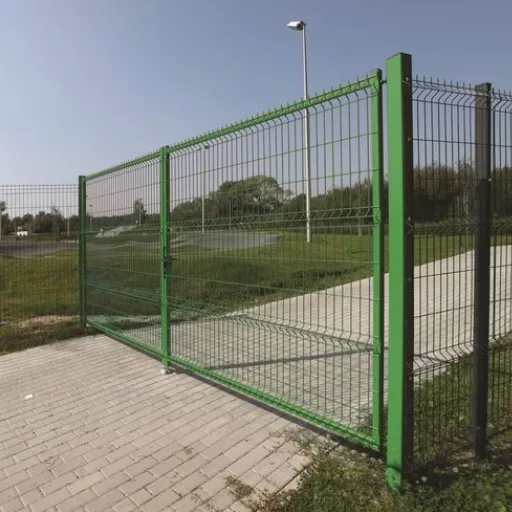 Read More
 -
How to Build a Security Fence: A Comprehensive Guide to Installing Chain Link Security Fences
February 4, 2026Constructing a security fence is an effective way to protect your property, define its boundaries, and enhance your privacy. The v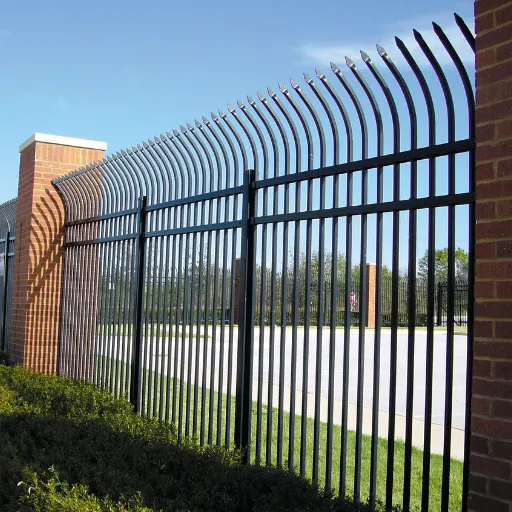 Read More
 -
Iron Yard Fence: The Ultimate Guide to Wrought Iron Fencing for Your Garden
February 3, 2026The design of a garden fence goes beyond establishing property borders because it serves two main purposes by enhancing the visual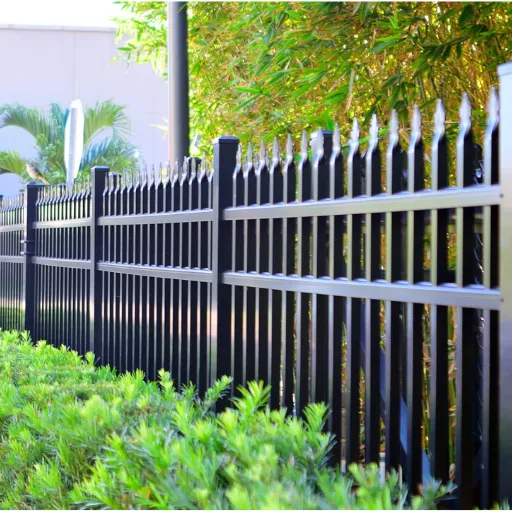 Read More
 -
Cast Iron Garden Fence: The Ultimate Guide to Durable and Decorative Garden Edging
February 2, 2026The cast iron garden fence functions as a boundary that creates an everlasting combination of practical use and aesthetic beauty t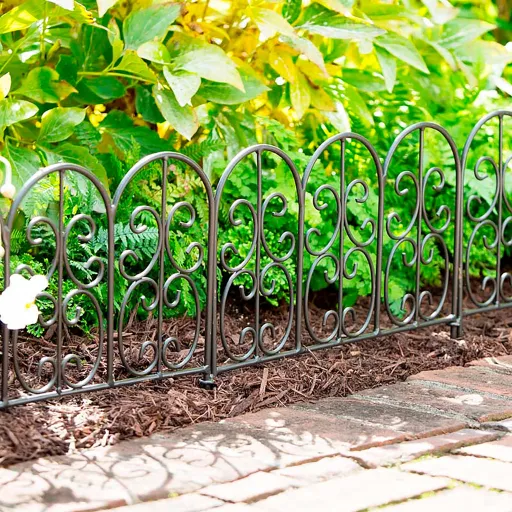 Read More

Contact Us
Recommended Products
-
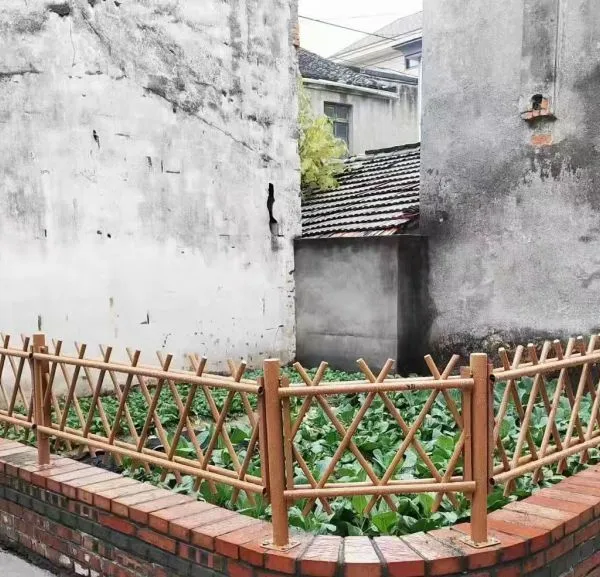
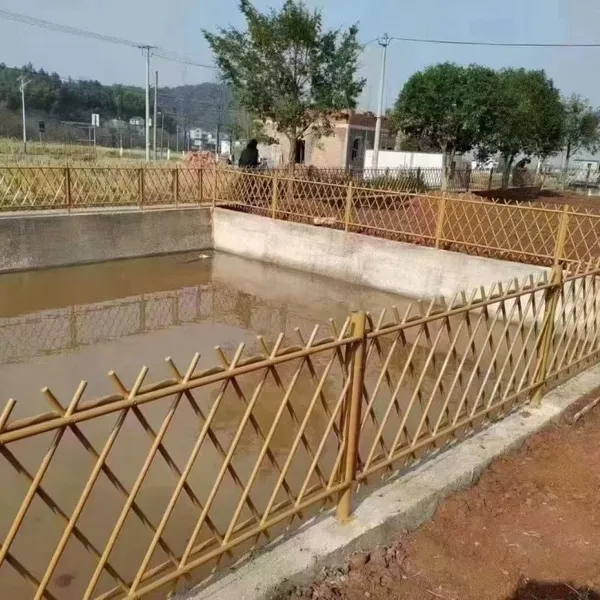
 Durable Imitation Bamboo Fence for High-Traffic Public SpacesNegotiableMOQ: 50 Square Meters
 -
Customizable Imitation Bamboo Fence With On-Site Measurement ServiceNegotiableMOQ: 50 Square Meters
-
Modular Imitation Bamboo Fence Panels for Quick InstallationNegotiableMOQ: 50 Square Meters
-
Imitation Bamboo Privacy Fence With Reinforced Aluminum BaseNegotiableMOQ: 50 Square Meters
-
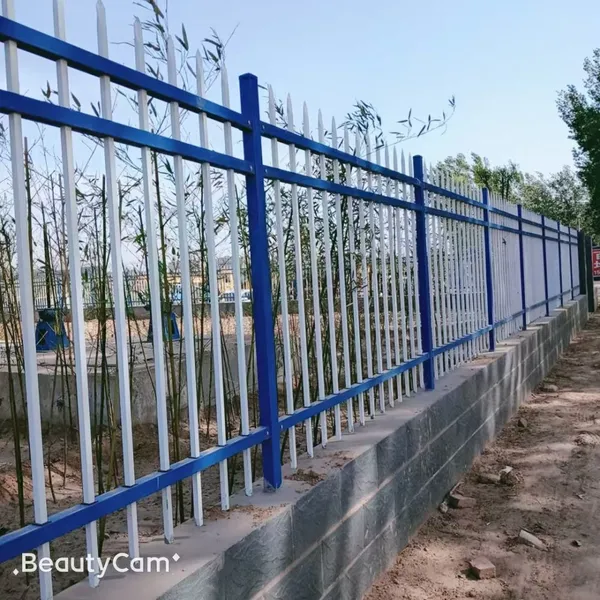
Commercial Grade Villa Fence for Real Estate Developments and Hotel Perimeter ApplicationsNegotiableMOQ: 10 Sets
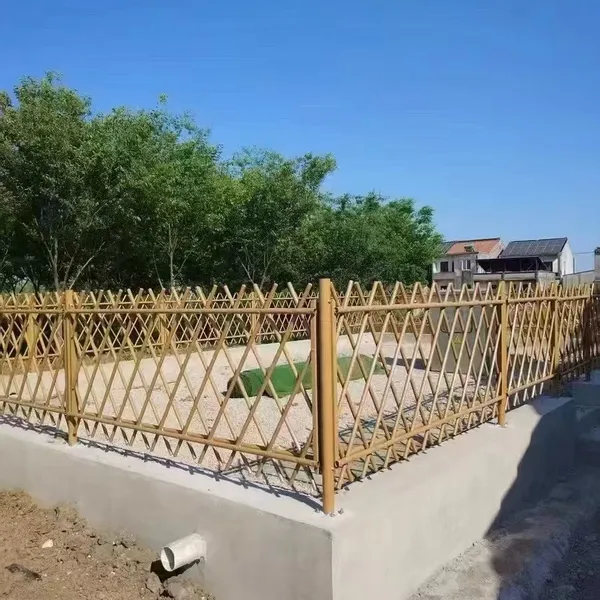
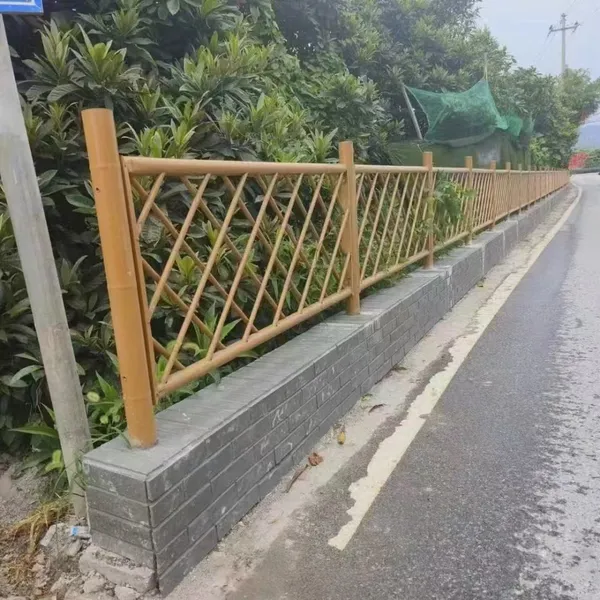
-
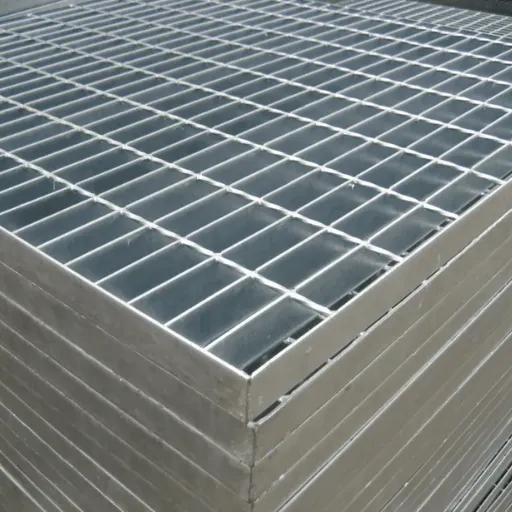
Industrial Steel Grating Solutions for Oil and Gas Platforms, Compatible With Harsh ConditionsNegotiableMOQ: 10 Pieces
-
Basketball Court Fence 4M Height, Galvanized Steel Chain Link Mesh for Outdoor Sports Field PerimeterNegotiableMOQ: 50 Square Meters
-
Chain Link Basketball Court Fence Offering Anti-Rust Protection and Long-Term PerformanceNegotiableMOQ: 50 Square Meters
-
European Style Villa Fence Concrete Base Installation Courtyard Boundary WallNegotiableMOQ: 100 Square Meters
-
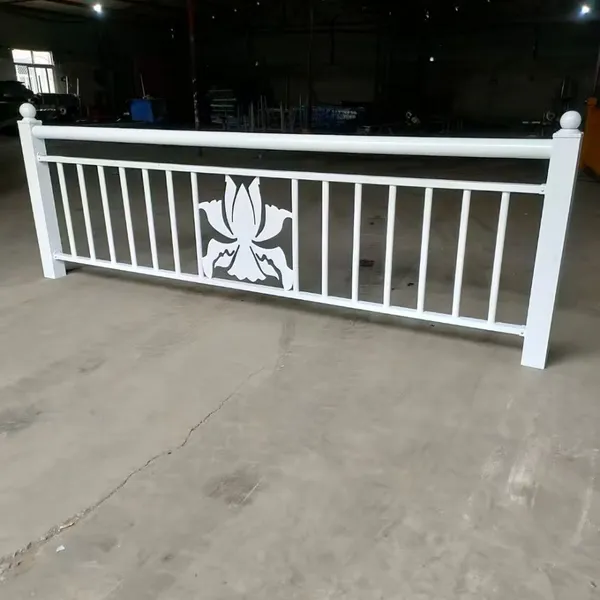
Galvanized Steel Villa Fence With Powder Coating for Superior Corrosion ResistanceNegotiableMOQ: 100 Square Meters
-
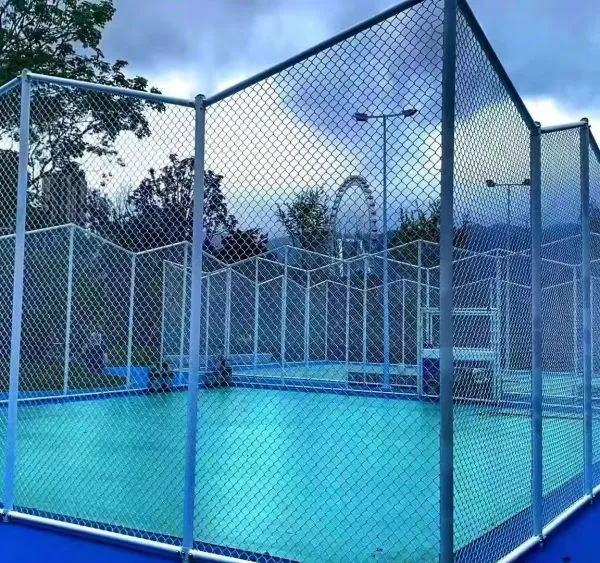
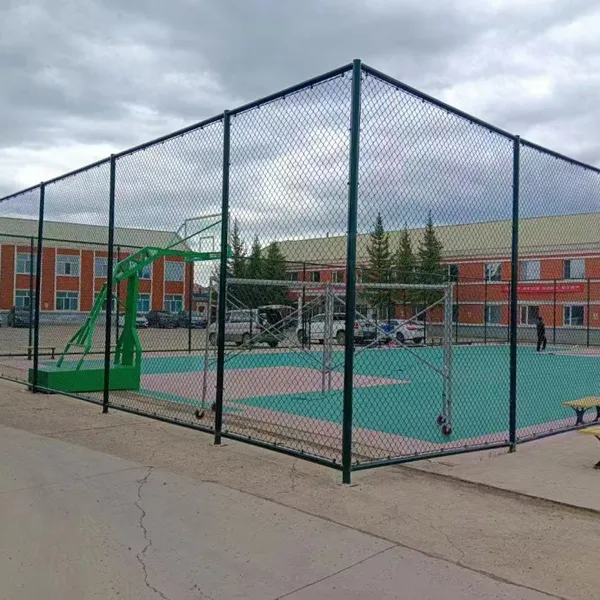
Powder-Coated Basketball Court Fencing With Weatherproof Finish for Long-Term Outdoor ApplicationNegotiableMOQ: 100 Square Meters
-
Powder Coated Wrought Iron Main Gate and Garden Fence for HousesNegotiableMOQ: 100 Square Meters
-
Elevate Your Garden With an Artistic Wrought Iron Garden Fence | Uniting Security & EleganceNegotiableMOQ: 100 Square Meters
-
Low-Maintenance Wrought Iron Garden Fence | Durable Powder-Coated Steel PicketsNegotiableMOQ: 100 Square Meters
-
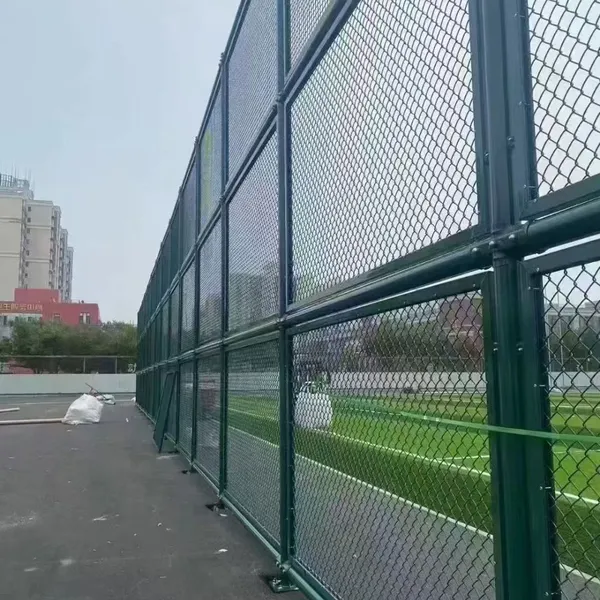
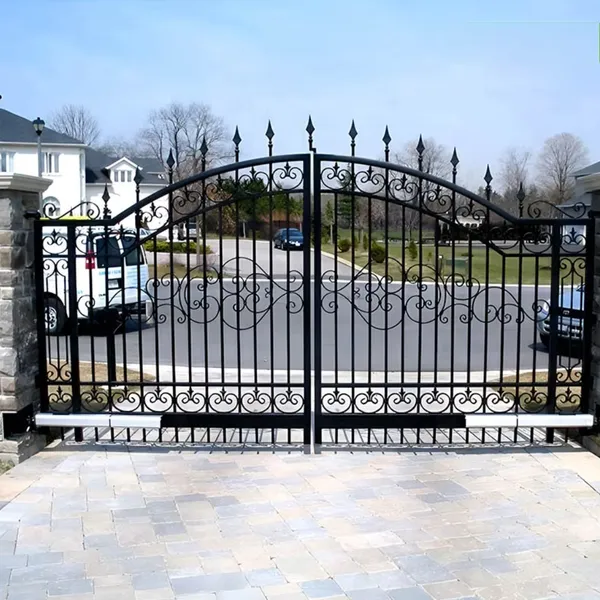
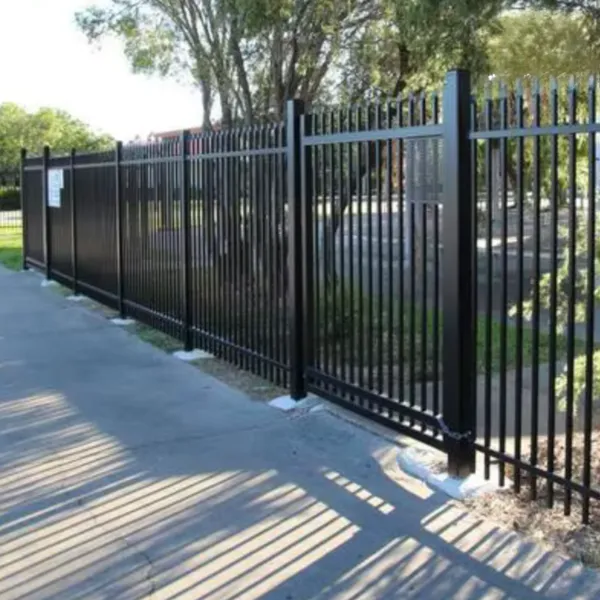
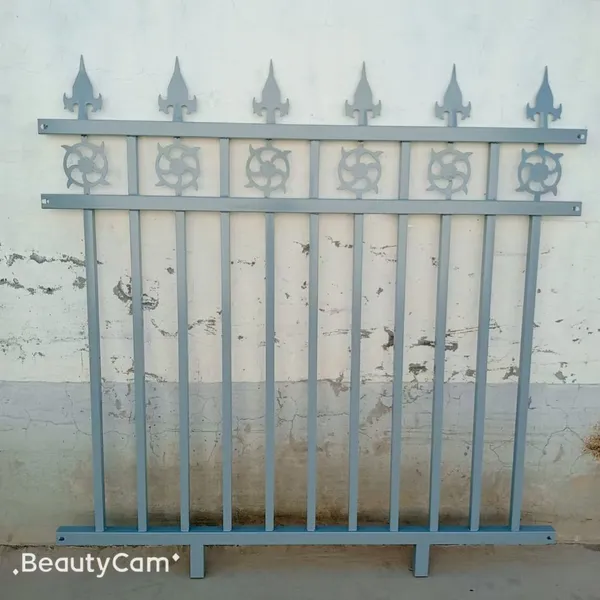
Heavy-Duty Villa Fence: 10 Gauge Steel Construction With Powder Coating for DurabilityNegotiableMOQ: 10 Sets

-
Anti-Slip Steel Grating Panels for Enhanced Safety in Wet and Slippery Work AreasNegotiableMOQ: 10 Pieces
-
Steel Grating for Stair Treads and Catwalks in Commercial and Factory BuildingsNegotiableMOQ: 10 Pieces
-
High-Security Villa Fence With Lockable Gates and Weather-Resistant Finish for Home ProtectionNegotiableMOQ: 10 Sets
-
Galvanized Steel Basketball Enclosure Netting / Ball Containment System With Frame for Outdoor CourtsNegotiableMOQ: 50 Square Meters
-
Vinyl Coated Chain Link Fencing for Basketball, Pickleball & Tennis CourtsNegotiableMOQ: 500 Square Meters